 Hong Ma
Quick Guide to This Itinerary
Tired of generic travel blogs? So am I. When I first guided a group through Kashgar, I quickly realized the best Kashgar travel itinerary is not just a list of sights—it's a carefully timed sequence that respects the rhythm of this ancient Silk Road city. Here's the deal: start in the Old Town at sunrise, hit the Sunday Bazaar, and save Karakul Lake for the third day. This order beats both the crowds and the heat.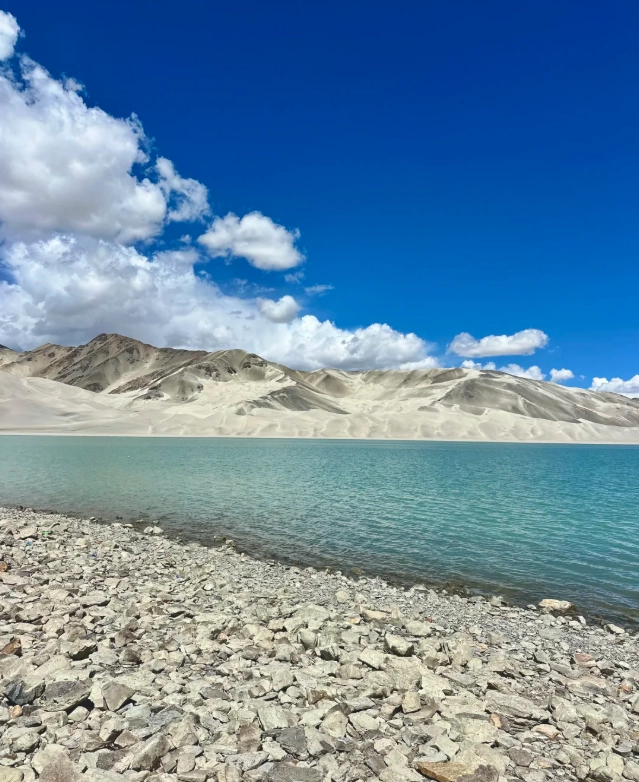
Why This Kashgar Travel Itinerary Works
Most guidebooks tell you to see the Old Town, the mosque, and the bazaar in one chaotic day. That's a rookie mistake. Kashgar is a living city, and its energy shifts dramatically between morning and evening. This itinerary gives you breathing room to actually absorb the place.
I've brought dozens of travelers here, and I can tell you this: the magic of Kashgar isn't in ticking off landmarks—it's in the moments between them. Sipping tea with a Uyghur craftsman, watching sunlight filter through a hundred-year-old archway, or bargaining for a handmade rug while the call to prayer echoes across the rooftops.
The 4-day structure below is the sweet spot. It covers the highlights without rushing, and includes a day trip to Karakul Lake—a must for Silk Road scenery. If you only have 24 hours, pick Day 1 and Day 2 and skip the lake, but honestly, you'll regret not staying longer.
The 4-Day Kashgar Route
Here's where the practical magic happens. Each day is timed to avoid crowds and heat, and I've sprinkled in the exact shortcuts I use with my own clients.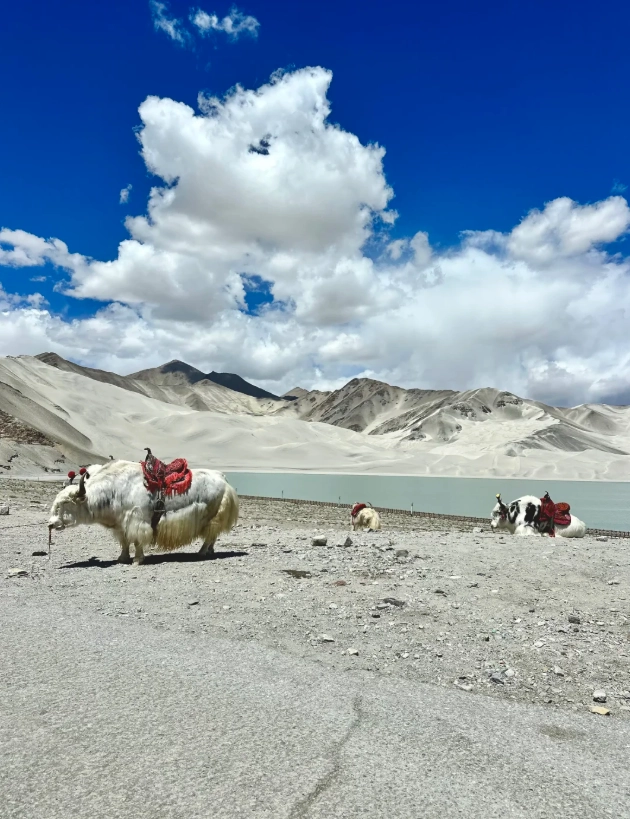
Day 1: Old Town and Id Kah Mosque
Start at the East Gate of the Old Town around 9am. Most tourists show up at 11am, so you'll have the alleys nearly to yourself. Bring your passport—some gates may do a quick registration.
The Old Town itself is free, but you'll want to hire a local guide (around 100 RMB per hour) to unlock the hidden corners. I always use Ali, a retired schoolteacher with flawless English—ask at your hotel for recommendations.
At noon, walk to the Id Kah Mosque, just 10 minutes away. The entry fee is modest, and it's open from sunrise to sunset, but skip the Friday noon prayer—tourists aren't allowed inside during that time, and it's disrespectful to try.
After the mosque, grab lunch at the small restaurant opposite the south wall. Their lamb skewers are smoky and juicy—I've never found better anywhere in Xinjiang. They don't have an English menu, so just point at what others are eating.
Pro Tip: The old town's rooftops offer incredible sunset views, but the best ones are behind the cafes on the far western edge. At 5pm, climb to the terrace of the 'Olive Cafe'—order a pomegranate juice and wait for the golden hour.
Day 2: Sunday Bazaar and Livestock Market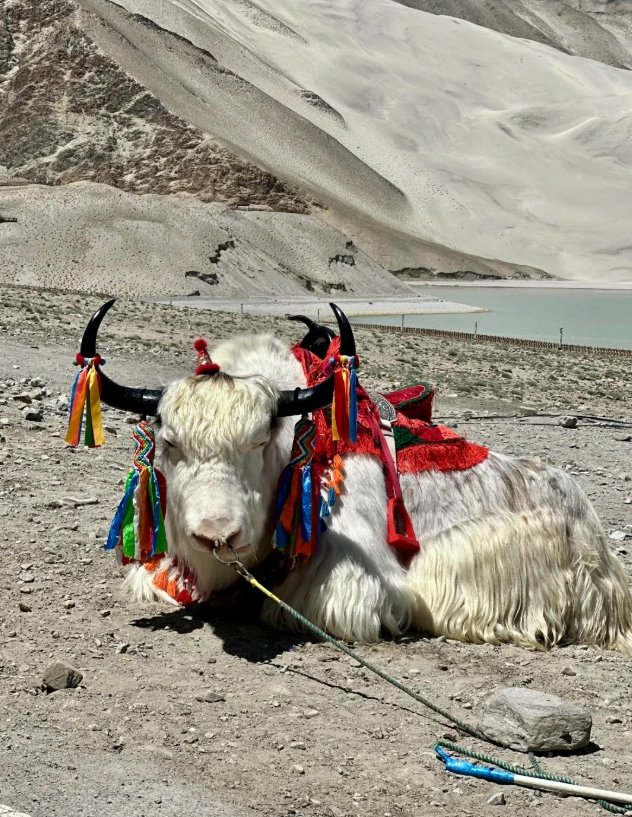
If your trip lands on a Sunday, do the Livestock Market first—it's the real deal. It's about 6 km from the center, and you'll see it long before you arrive: a sea of donkeys, sheep, and dust. Sales start at 8am, and the most chaotic action is over by 10am. There's no entry fee, just hordes of traders smacking hands to seal deals.
After the livestock chaos, head to the grand Sunday Bazaar (still within the same area). It's a maze of textiles, spices, knives, and ceramics. It's open all day, but come before midday to see it in full swing.
Bargaining rule: Start at 50% of the asking price, and never show too much interest. I once watched a traveler walk away from a handwoven carpet only to be chased down with a 40% discount.
If you're not there on Sunday, the Bazaar is still interesting on other days, but much quieter. The Livestock Market only happens on Sunday, so plan accordingly.
Day 3: Karakul Lake or a Village? (Choose Wisely)
Now, a tough choice: drive 3 hours to Karakul Lake, or stay and explore the nearby villages? Both are incredible, but if you love mountain scenery, Karakul wins every time. The lake sits at 3,600 meters, flanked by snowy peaks of Muztagh Ata.
The drive itself is part of the experience—you'll pass the famous Bulungkol Grassland and maybe spot a wild camel. I always hire a driver through my hotel for about 400 RMB round-trip. Stop at the lookout point at 90 minutes for a photo break.
At the lake, you can hike along the shore or just sit with a cup of tea from a local yurt. The altitude may make you breathless—don't rush. Take an light jacket even in summer; the wind can bite.
If your weather forecast shows rain, skip this trip and instead visit the 40-finger village (40 Queshak) south of town. It's a 1-hour drive, and you can watch traditional potters shape clay—a dying art. Hiring a driver for this costs about 200 RMB.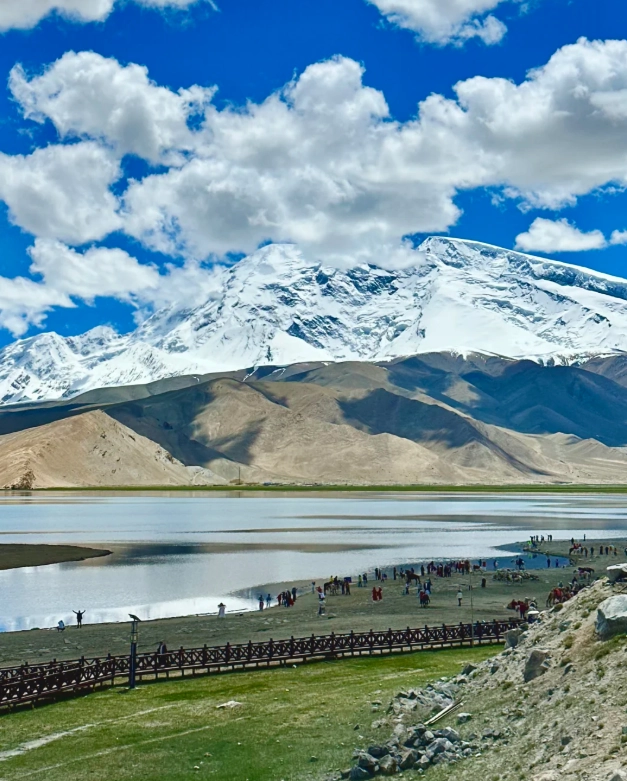
Day 4: Slow Morning and Souvenirs
Use this day to soak up what you might have missed. Return to the Old Town for that hand-drawn map you saw on Day 1, or simply wander without a plan. The morning light is soft, and shopkeepers are more relaxed.
I'll be honest: the souvenir prices at the main bazaar are inflated. For better deals, walk 15 minutes south to the local market where Uyghur families buy everyday goods. You can find a proper handmade silk scarf for 50 RMB, not the 150 RMB they ask near the mosque.
For a unique keepsake, get a miniature copper teapot engraved with your name—a local craftsman near the western gate does beautiful work. Allow him an hour, and negotiate kindly.
Getting Around
Kashgar is walkable in the center, but you'll need transport for the outer sites. Forget Google Maps—it's unreliable here. Use Apple Maps or download 'AMap Global' (高德地图) with English support. For taxi drivers, always show the address in Chinese characters.
| Route | Time | Cost | Best Option |
|---|---|---|---|
| Airport to City Center | 20 minutes | 30-50 RMB | Taxi (fixed price, agree upfront) |
| City Center to Livestock Market | 15 minutes | 15-20 RMB | Taxi |
| City Center to Karakul Lake | 3.5 hours | 300-400 RMB (per car) | Private driver |
Pro Tip: Download offline maps in advance—the route to Karakul Lake has no signal for long stretches. And always carry small change for bus fees; credit cards are rarely accepted, and cash is king.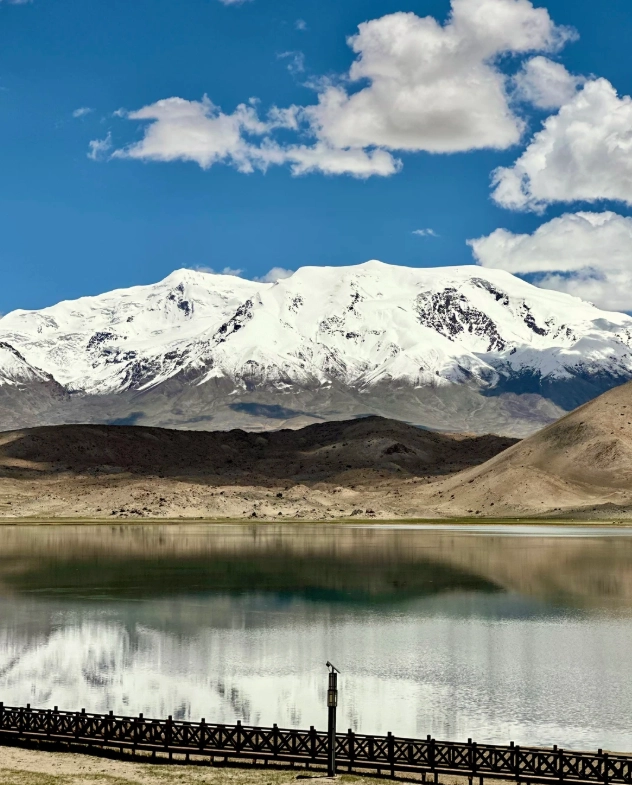
Where to Stay
Choosing the right base matters. Here are three solid areas, each with a different vibe:
| Area | Distance to Old Town | Price Range (per night) | Best For |
|---|---|---|---|
| Inside the Old Town (guesthouses) | 0-0.5 km | 200-500 RMB | Immersive experience & photographers |
| Near Id Kah Mosque (mid-range hotels) | 0.5-1 km | 300-600 RMB | First-timers & families |
| South of the main road (budget hostels) | 1-2 km | 150-300 RMB | Budget travelers |
I've stayed in all three. The guesthouses inside the Old Town are atmospheric but may have thin walls and no elevators. I once stayed in a renovated courtyard home where the owner greeted every guest with free chai—you can't buy that warmth in a large hotel. Just ensure your room has a reliable lock and read recent reviews about noise.
Payment is almost always cash in guesthouses. International cards won't work most of the time. So carry enough RMB, or use Alipay if you've set it up. Also, always ask if hot water runs 24/7—a bitter lesson I learned the hard way.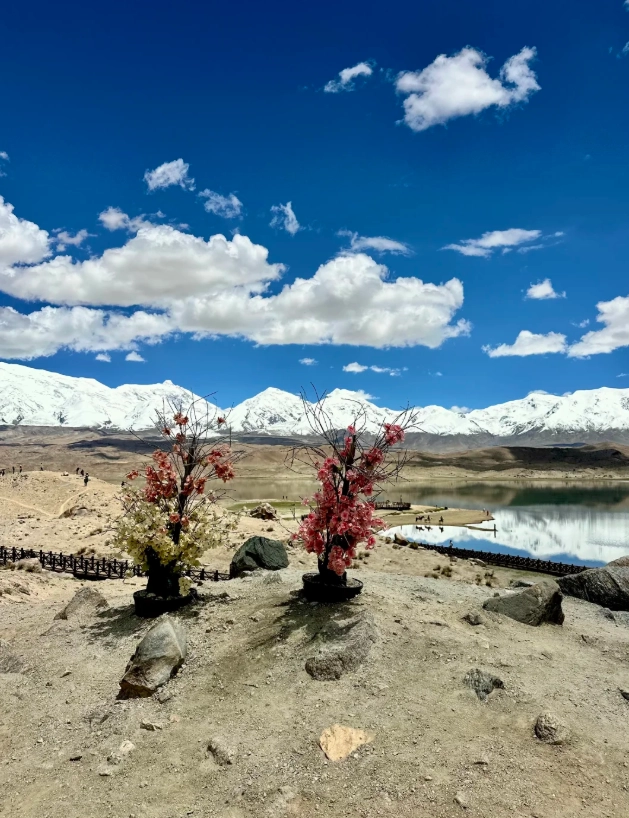
What to Eat
Kashgar's food is a highlight in itself. Don't leave without trying:
- Polo (pilaf): A fragrant rice dish with carrots and lamb. The best version is from the morning pots at small eateries, where the rice is still steaming.
- Samsa (baked pastry with lamb & onion): The crispy, golden crust is perfect with a cold drink.
- Laghman (hand-pulled noodles): Chewy, spicy, and stir-fried with beef and bell peppers.
- Fresh naan: Fresh out of the tandoor, it's soft and slightly chewy—nothing like the supermarket stuff in the West.
- Apricot juice: Sweet, tart, and a life-saver in the dry heat.
Here's a spot I repeatedly return to: Karim's Kitchen, tucked behind the Old Town's south gate. The lamb kebab is smoky, the atmosphere locals-packed, and prices hover around 20 RMB per skewer. There's no English menu, but just point and smile. You'll be fine.
I always tell my clients to be brave and try the street food—it's how you taste the real city. But avoid anything that looks like it's been sitting out too long, and drink bottled water only.
Is Kashgar Safe?
Yes, Kashgar is safe for foreign tourists. The area is heavily policed, and you'll see security checks at malls and transport hubs. Honestly, I've felt more on edge in certain Western cities. The locals are curious, warm, and welcoming to visitors who show respect for their culture.
That said, keep the usual travel sense: don't wander into empty streets late at night, keep your passport copying, and always have your hotel's address in Chinese. The biggest risk isn't crime—it's getting lost in the maze-like alleys. Pro Tip: drop a pin on AMap before wandering the Old Town.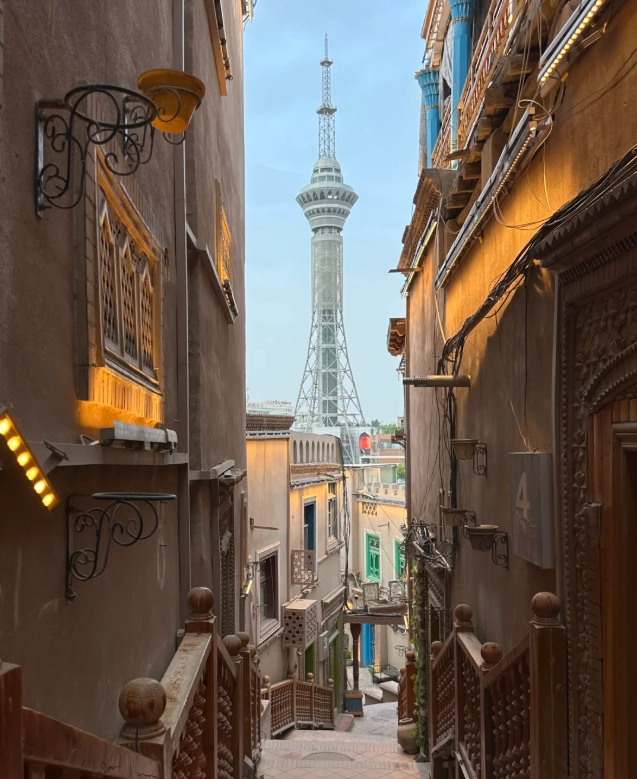
Frequently Asked Questions About a Kashgar Travel Itinerary
This content has been fact-checked to ensure informational precision.





No comments yet.