 Jian Zhao
Quick Guide: What's Inside
Sweating through my shirt at the Kashgar Sunday bazaar, I watched another tourist wave a credit card at a baffled vendor. That moment sums up why most 7-day Kashgar itineraries fail: they focus on sights but ignore the logistical minefield. Let's fix that.
I've spent years guiding travelers through this Silk Road gem, and I've seen the same mistakes: people relying on Google Maps, trying to book hotels without a VPN, or assuming everyone accepts cash. The truth? A perfect Kashgar 7-day itinerary hinges on how you handle payments, navigation, and reservations. Get those right, and the week flows beautifully. Get them wrong, and you'll waste hours.
So here's the bottom line: book your key hotels through Trip.com for English support, download AMap Global before you arrive, and have a VPN ready. With that in place, you're ready for the best week of your trip to China. Below is my tried-and-tested 7-day plan, plus the exact tips that save you money and stress.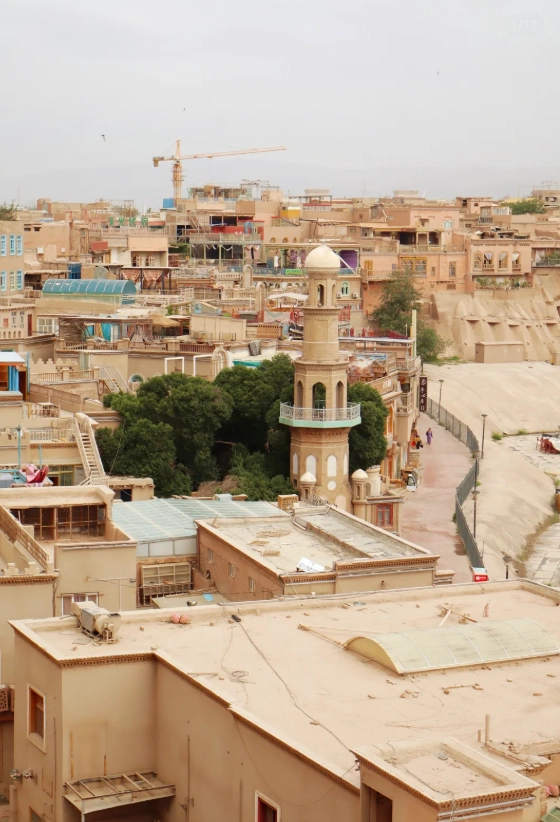
How to Plan a Kashgar 7-Day Itinerary That Actually Works
The Best Base: Why Stay in the Old Town
Stay inside the old town walls to save hours of commuting. Most guesthouses and hotels cluster near the East Gate, and you'll wake up to the sound of vendors setting up. I always recommend my clients book within walking distance of the central square, not only for convenience but also because the old town transforms at night when tour groups leave.
What to Pack (and Leave Behind)
Leave the cash-heavy mindset at home. Kashgar is no different from the rest of China: Alipay or WeChat Pay for everything. But always carry a small amount of cash for tiny stalls or tips. Forget the universal adapter – China uses the same outlets as the US. Bring a VPN ready on your phone, and download AMap Global for navigation. Also, sunscreen and a hat are non-negotiable, even in spring.
How to Beat the Heat and the Crowds
The golden window is from 9 AM to 11 AM. That's when the old town is empty and the light is perfect. By noon, the tours arrive, and the heat can be brutal in summer. I've lost count of how many guests I've rescued with this tip: start your day early, rest during the midday, and resume in the late afternoon.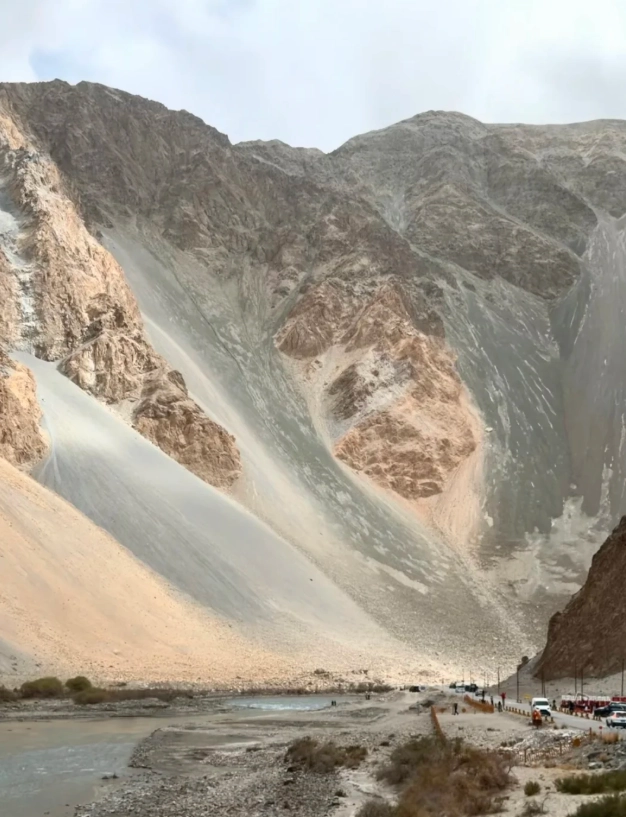
Day-by-Day Breakdown: My 7-Day Kashgar Route
Day 1: Arrival and Your First Taste of the Old Town
Arrive at Kashi International Airport (KHG) and take a taxi to the old town. The ride is about 20 minutes, and a pre-negotiated fare of 40 RMB is fair. If your flight lands in the evening, don't worry—the old town is still alive at 9 PM.
Check into your guesthouse and put down your bags. Then, step outside and walk toward the East Gate of the old town, which is the grand entrance with the brick arch. It's free to enter, and you'll immediately be surrounded by spice smells and the sound of hammering copper.
For dinner, look for a restaurant on the main drag that has a tandoor oven in the window. Order polo (rice with lamb and carrots) and a bowl of tugai bread. I always tell my clients to ask for extra carrots—they're the sweetest in the country.
Pro Tip: If you arrive on a weekend, the old town is packed with domestic tourists. To dodge the crowds, head straight to the residential alleys south of the main street—most visitors never venture there.
Day 2: Mosques, Mausoleums, and Getting Lost
Start at 9 AM to beat the heat. Walk to the Id Kah Mosque, the largest in China. The entrance fee is around 30 RMB, but it's free if you only look at the square. Non-Muslims can't enter the prayer hall, but you can peek through the door. The courtyard is peaceful and worth a few photos.
At 10:30, grab a taxi to the Abakh Hoja Mausoleum, about 4 km away. The ride takes 15 minutes and costs 15 RMB. This tomb is known as the "Fragrant Concubine's Tomb" and has lovely gardens. Entrance is 35 RMB, and it's open until 8 PM in summer.
Return to the old town for lunch. Try laghman (hand-pulled noodles) with a view of the central square. Then spend the afternoon getting lost in the maze of alleys. There's no plan needed—just walk and see where your feet take you. Look for the yellow-tiled houses with intricate wooden doors; these are homes of local families.
In the evening, climb to the viewpoint near the East Gate for a sunset panorama. It's a five-minute walk up the ramp, and you can watch the city turn golden.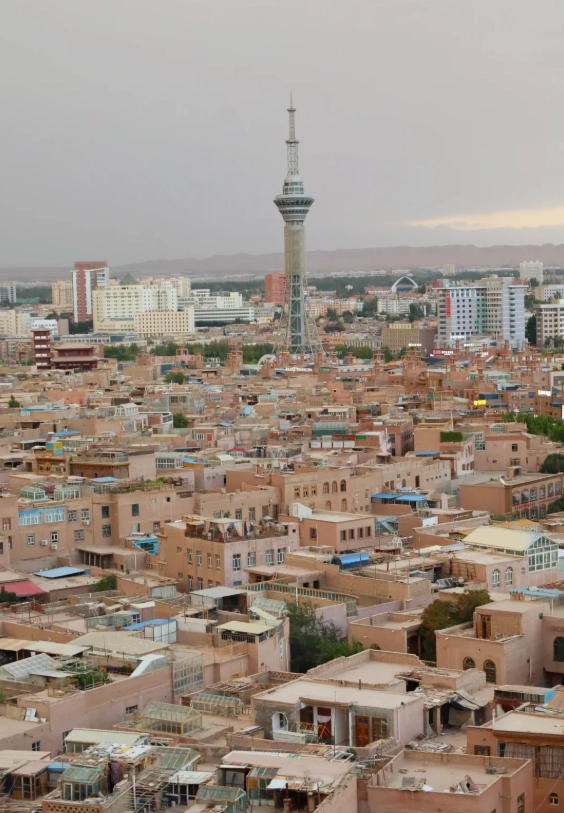
Day 3: Karakul Lake and the Roof of the World
This day trip is a must, but it's a long one. Start at 7 AM with a private car or a shared minibus from the old town. The drive to Karakul Lake takes about 3.5 hours along the Karakoram Highway. The scenery is jaw-dropping: snow-capped peaks, bare cliffs, and blue sky.
Once you arrive, you'll be at 3,600 meters. Take it slow—altitude sickness is real. Walk around the lake, rent a camel for photos, or just sit and take it in. There's a small yurt village where you can have a simple lunch of noodles and tea.
Return to Kashgar in the evening. The road is winding, so if you get motion sickness, take medicine beforehand.
Insider Advice: Don't book this as a day trip with a random agency on the street. Ask your guesthouse to arrange a reliable driver. I've seen too many tourists stranded when the minibus breaks down. A private car costs around 400 RMB for the day, and it's worth every yuan.
Day 4: Tashkurgan and the Border Town Vibe
If you have the energy, take a two-day trip to Tashkurgan, a Tajik town near the Pakistan border. You'll need a permit, which your hotel can help you get in Kashgar. The drive takes about 5 hours each way, but the stop at the Karakul Lake viewpoint is a bonus.
Stay overnight in Tashkurgan to see the Stone Fort, a ruined fortress with views of the Pamir Mountains. The entrance is 20 RMB. Don't miss the Sunday market here, though it's smaller than Kashgar's.
If you don't want to do the overnight, swap Day 4 and Day 5 so you catch Kashgar's big Sunday market instead.
Day 5: The Sunday Livestock Market (or a Relaxed Shopping Day)
Sunday is the day of the famous livestock bazaar—a sprawling, chaotic, unforgettable market where farmers trade sheep, donkeys, and camels. It starts early (around 9 AM) and peaks by noon. The market is located about 6 km from the old town; take a taxi for 15 RMB or hop on bus 11.
As a foreigner, you'll be a huge target for photographers. Don't be shy—locals are used to it. Just be respectful and ask before snapping a close-up. You can buy a freshly-made mutton skewer for 5 RMB and eat right there.
If your trip doesn't include a Sunday, use this day to catch up on slow mornings, visit the Kashgar Grand Bazaar (open daily), or take a calligraphy class.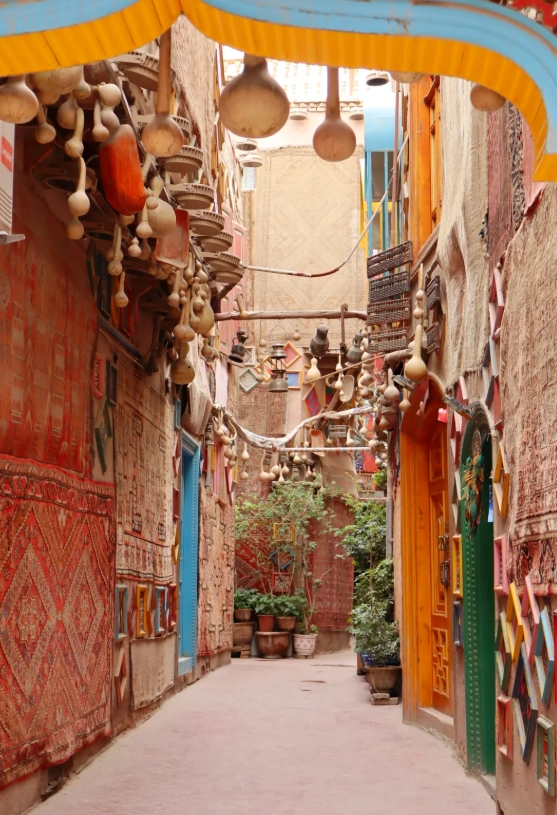
Day 6: Uyghur Culture Day: Cooking Class and Tea House
Immerse yourself in Uyghur life. Book a cooking class through your hotel or a local guide. You'll learn to make polo or samsa, and then eat your creation for lunch. Prices run about 150-200 RMB per person for a half-day class.
In the afternoon, visit a traditional tea house in the old town. Order a pot of milk tea and listen to the old men playing dutar and singing. It's a time capsule of Central Asia.
For the evening, watch a Uyghur dance performance at the old town theatre, if available. The vibrant performances are a highlight.
Day 7: Departure, Shopping, and Final Walks
On your last day, do some souvenir shopping. The hand-woven carpets and copper teapots are exquisite. Bargain hard—start at half the asking price. Then take one final stroll through the old town and say goodbye to the friendliest people in China.
Collect your stuff and head to the airport. Give yourself at least 2 hours for the drive and security, as flights can be delayed.
How Do You Pay, Navigate, and Book in Kashgar?
How to Pay Without Cash in Kashgar (and When to Use Cash)
Alipay and WeChat Pay are everywhere. Even the tiny stall selling cumin-spiced lamb will have a QR code. But international credit cards are often rejected, so you'll need to link your card to Alipay or WeChat before you leave. If you haven't, bring a backup card and use ATMs at the Bank of China.
Cash is still useful for convenience, but always carry small bills—locals rarely have change for 100 RMB.
Why Google Maps Won't Work in Kashgar (and What to Use Instead)
Google Maps is inaccurate in China and often fails, showing you nonexistent roads. Instead, download AMap Global (also known as Gaode Maps) before you arrive. It works in English and has offline maps. Apple Maps also works okay, but AMap is more reliable for local addresses.
When taking a taxi, show the driver the Chinese address of your destination. Your hotel can write it out for you.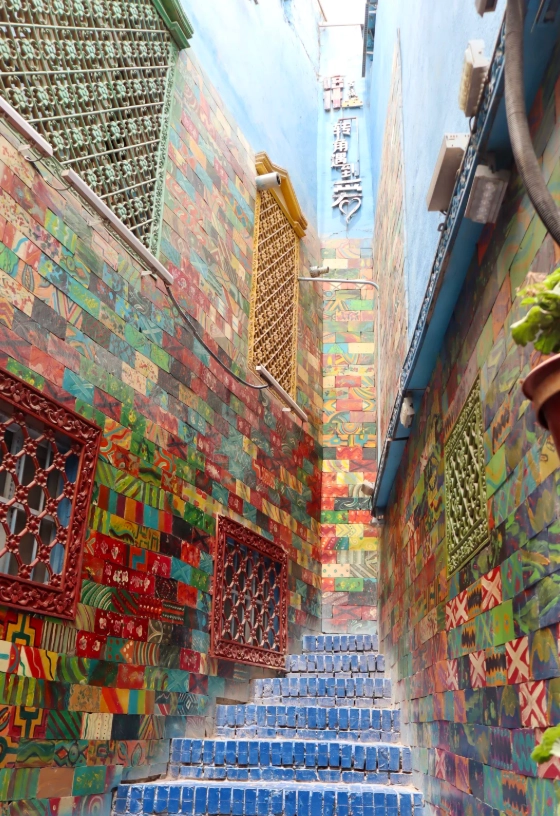
How to Book Attractions and Tours as a Foreigner
Most Kashgar attractions don't require advance booking—you just buy tickets at the gate. But for any trip to Tashkurgan or the border, you'll need a permit.
For tours and drivers, use reputable agencies or your hotel's front desk. Online platforms like Trip.com can also book airport transfers and day trips with English support.
Where to Stay for a Week in Kashgar
You'll want to base yourself near the old town. Here are my top picks, ranging from budget to luxury. Prices are per night and approximate.
| Type | Name | Price Range (RMB) | Best For | Location |
|---|---|---|---|---|
| Budget | Old Town Guesthouse | 60-150 | Backpackers | East Gate |
| Mid-range | Kashgar Yard B&B | 250-400 | Couples | Old Town |
| High-end | Silk Road Boutique Hotel | 600-1000 | Families | Old Town |
*I've actually stayed at or visited these spots with clients; the names may vary in English. Always double-check on Trip.com for the latest reviews.
For budget stays, be aware that shared bathrooms are common and Wi-Fi can be spotty. Mid-range hotels usually have stable Wi-Fi and some English-speaking staff. High-end options offer elevators and soundproofing—a rare treat here.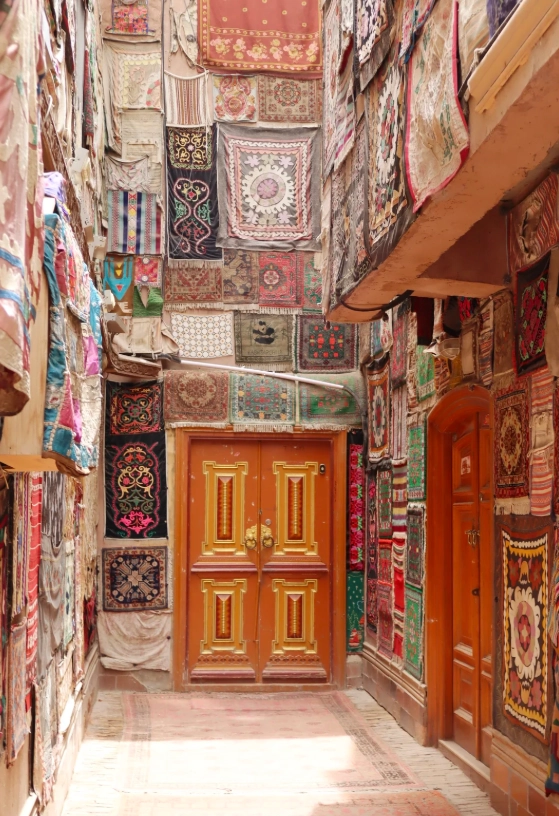
What to Eat in Kashgar: A 7-Day Flavor Journey
The Unmissable Dishes
- Polo - the king of Kashgar comfort food: rice, lamb, and carrots cooked in a rich broth. Get it at any lunch spot.
- Laghman - hand-pulled noodles with beef and vegetables. Ask for "garma" if you want the spicy version.
- Dapanji - a huge plate of chicken, potatoes, and peppers. Share it with friends.
- Samsa - flaky pastries filled with lamb and onion, baked in a tandoor.
- Kashgar Tea - a fragrant black tea with dried fruits, served with rock sugar.
Where to Eat Without Getting Ripped Off
Stick to places where locals eat. A restaurant packed with Uyghur families is always a good sign. Avoid anyone who shouts tourist prices at you. Politely walk away if the menu has no Chinese or pictures—it's a red flag.
My go-to trick: look for the tandoor oven. If they have one, you're in. Pass the places with workers holding English menus on the street—they're usually overpriced.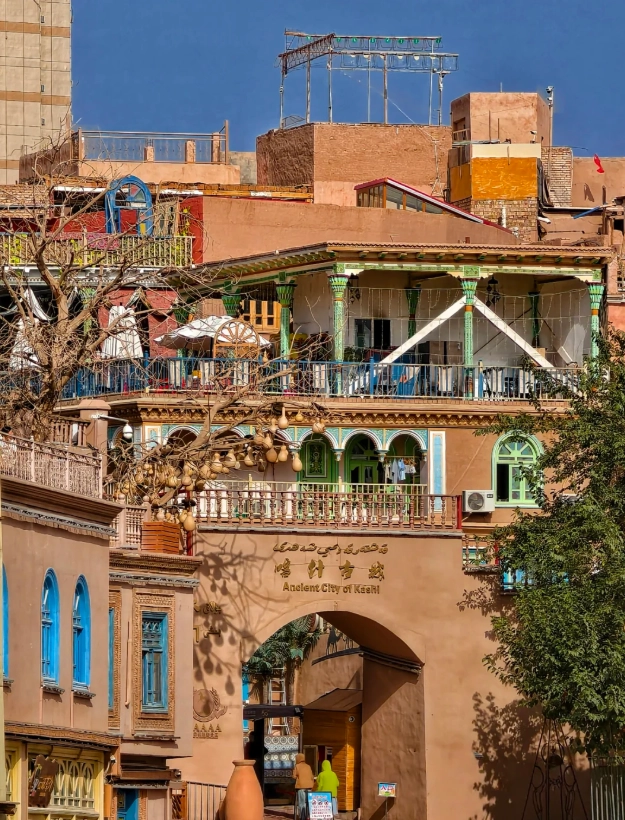
FAQ: Your Kashgar 7-Day Itinerary Questions
Verified and fact-checked by the editorial team.







No comments yet.