 Peng Gao
Inside this Guide
I've lost count of the times travelers asked me this at Kashgar airport pickup. They've seen the photos of clay-colored alleys and think it's just another Lijiang. But it's not. Kashgar Old Town is raw, alive, and surprisingly unpolished.
Let me give you the straight answer first: Yes, it's worth visiting — but only if you know what you're doing. Skip it and you'll miss the only place in China where you can still feel the ancient Silk Road vibe. But arrive without a plan, and you'll leave frustrated by crowds, heat, and pushy souvenir touts.
Here's how I tell my clients to do it right.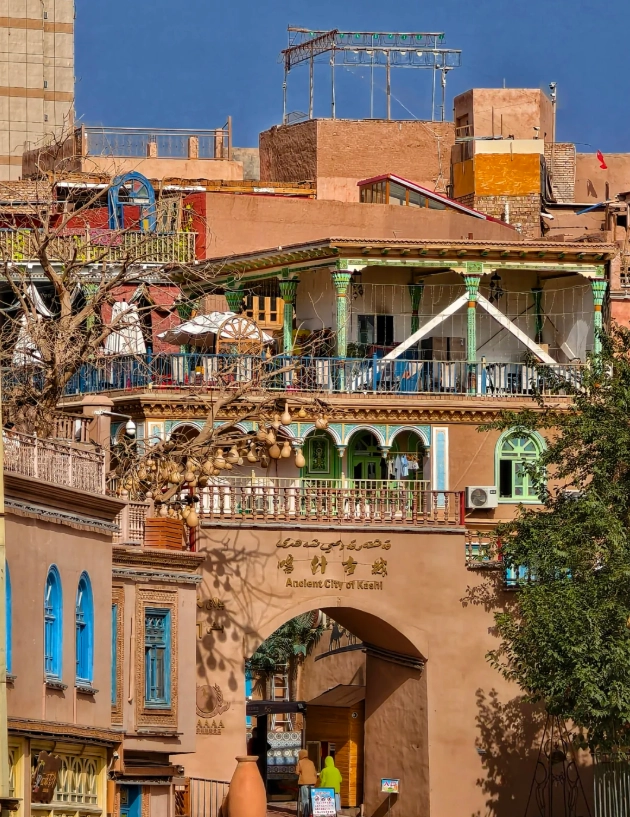
My Honest Verdict: Is Kashgar Old Town Worth Visiting?
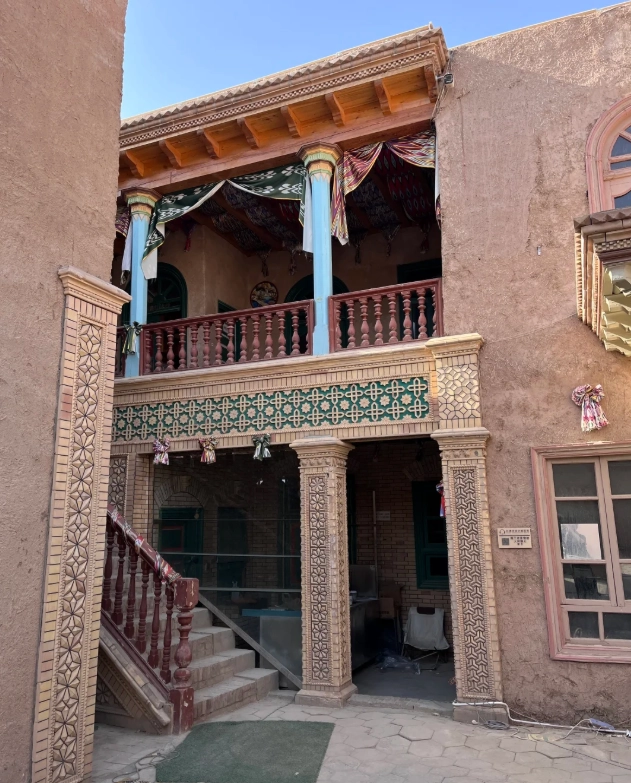
Yes, but with serious caveats. As a guide who has brought dozens of groups here, I can tell you that the old town delivers an experience like nowhere else in China. You get to walk through living history where Uyghur families still bake naan in clay ovens and old men sit outside tea houses playing chess. However, it's not a careful curated tourist zone. Expect uneven pavement, occasional strong smells, and some aggressive vendors near the main mosques. That's part of its charm — if you're ready for it.
For the skeptical traveler, consider this: Kashgar Old Town was rebuilt after an earthquake in the 2000s, and some critics say it feels too new. But the rebuilt areas retain the original maze-like layout, and the government replanted all the traditional carved pillars and doors. I find that what matters most is the people and the street life, not the purity of ancient bricks.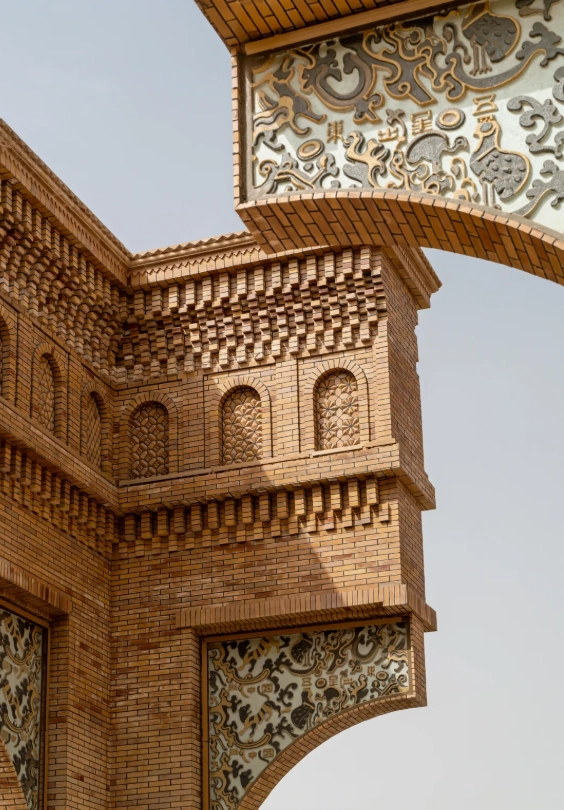
How to Get to Kashgar Old Town (and Actually Get In)
The old town itself is free to enter. You just walk in from any of the many alleyways. There is no giant ticket gate or turnstiles. However, a few specific sites inside — like the Id Kah Mosque, the Apak Hoja Mausoleum, and the city wall remnants — charge separate entry fees. These typically range from 20 to 50 CNY, and you might need to show your passport to buy entry inside. Bring cash for those small ticket booths because they often don't accept credit cards.
Getting to Kashgar is straightforward. You can fly into Kashgar Airport (KHG) from major cities like Urumqi or Shanghai. A taxi from the airport to the old town takes about 20 minutes and costs around 30–40 CNY. From Kashgar Railway Station, a taxi ride takes about 15 minutes and costs around 20 CNY. The old town is located in the city center, west of the Puddle or Gaotai area. Tell your driver Kashgar Laocheng and they'll know.
If you're coming by bus from other parts of Xinjiang, get off at Kashgar Bus Station and then take a local taxi — it's only about 10 minutes.
What to See Inside: The Highlights That Matter
You don't need a map – just wander. But there are several unmissable spots that I always include in my clients walks:
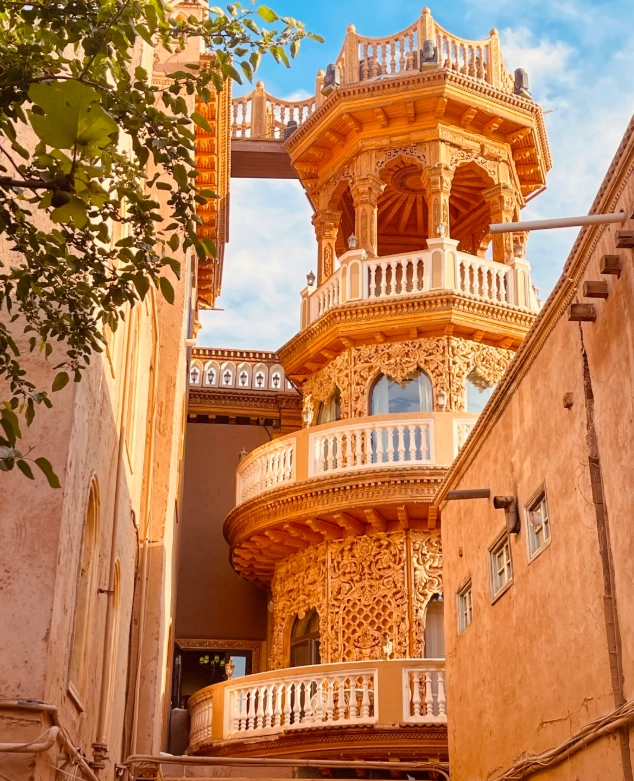
- Id Kah Mosque (艾提尕尔清真寺) – The largest mosque in Xinjiang. It's a working mosque, so be respectful. Entry is about 20 CNY, open from 10 am to 8 pm. While the prayer hall isn't open to non-Muslims, you can see the beautiful courtyard and minarets. Note: it is especially crowded during Eid prayers.
- Old Town Tea House (百年老茶馆) – A three-story wooden building where local Uyghur men gather to drink tea and break naan. I love to take visitors here for a pot of safflower milk tea (about 15 CNY) and just watch daily life flow by. It's open all day, but midafternoon is the most lively.
- Grand Bazaar (喀什大巴扎) – A short walk from the old town, this sprawling market sells everything from Uyghur knives to carpets. Bargaining is a must. I usually tell clients to start at half the asking price.
- Kashgar Old City Wall – Free and worth a quick photo stop at sunset. The best viewpoint is near the East gate.
How Much Time Do You Need? A Realistic Itinerary
For a proper visit, I recommend at least half a day (4-5 hours). If you only have an hour or two, you'll still catch the vibe, but you'll rush through. Here's how I break it down:
If You Have Only 24 Hours in Kashgar
Start your morning early. Arrive at the old town main entrance (the East Gate) by 9 am, before tour groups. Head straight to the Id Kah Mosque to see it in quiet morning light. Then wander the lesser-known alleys behind the mosque — this is where you'll see kids playing and locals hanging laundry. Have lunch at a restaurant near the tea house (I'll recommend one below). After lunch, visit the Grand Bazaar for an hour of leisurely shopping. Then climb to the old city wall for sunset photos. End the day with a dinner of laghman noodles at a local spot.
That's a full day without feeling rushed. Honestly, you could even extend to two days if you want to explore the surrounding towns like Tashkurgan or the Karakul Lake, but for the old town itself, 24 hours is enough to get a real sense.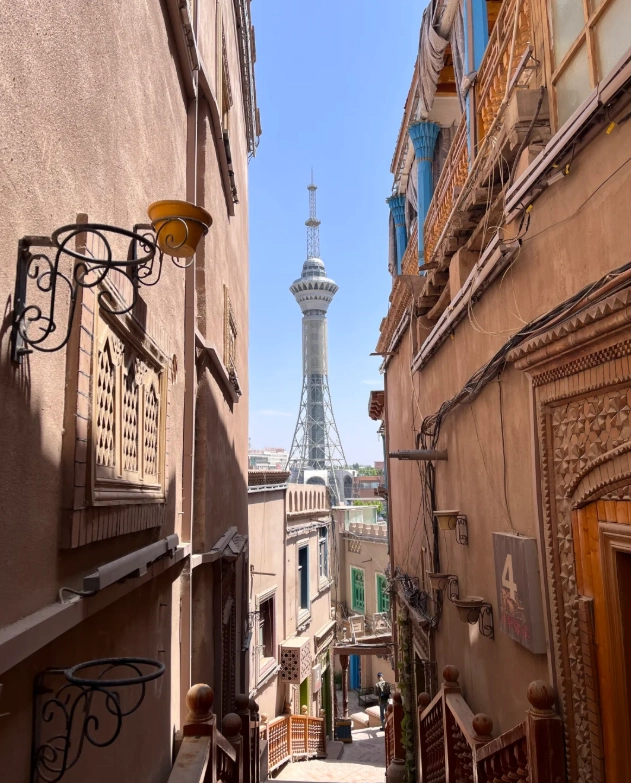
Pro Tip: The old town gets noticeably hotter by noon. Take my advice – do the photo walk before 10 am, rest during midday at a tea house, and hit the bazaar in the afternoon when the vendors are back.
Common Tourist Traps and How to Avoid Them
Even in a place as fascinating as Kashgar, you'll find a few tricks aimed at travelers. Here's what I tell my guests to watch for:
- The guided tour scam: Outside the main entrance, local men may offer to show you hidden parts of the old town for a fee. Usually they just take you to their relative's souvenir shop. Politely decline and use your map.
- Taxi meter games: Some drivers will try to quote a fixed price that's double the metered fare. Always insist on the meter, or agree on a price beforehand based on the distance.
- Tea house overcharging: If you're not fluent in prices, ask to see the menu before ordering. A pot of tea should cost around 15–20 CNY. If they tell you it's 50, you're being overcharged.
- Fake jade and gemstones: The bazaar is full of jade that's really glass or dyed quartz. Unless you know what you're doing, skip those expensive purchases.
- Prayer time disruption: During Friday prayers (around noon), some streets around the mosque may be closed. Plan your visit accordingly.
Practical Tips: Payment, Navigation, and Etiquette
Payment is easy if you have Alipay or WeChat Pay linked to an international card. Most shops, teahouses, and even street stalls accept QR codes. Cash is still accepted, but some smaller vendors won't have change for big notes. Credit cards are useless in most places except large hotels.
For navigation, forget Google Maps — it's unreliable in China. Use Apple Maps (which maps local data) or download AMap from the App Store. I always give my clients the Chinese address in both English and Chinese characters so they can show it to taxi drivers.
Bring a VPN and a translation app. Many Western websites and apps like WhatsApp, Instagram, and Facebook are blocked in China. Set up a reliable VPN before you arrive. For communication, use Apple Translate or Baidu Translate – they both work offline for basic phrases.
Dress modestly and be respectful when taking photos. Always ask before photographing people, especially Uyghur elders. Women may want to cover their shoulders when entering mosques.
About safety: Kashgar is generally safe for foreigners, but keep a close eye on your belongings in crowded markets. The local police presence is visible and friendly.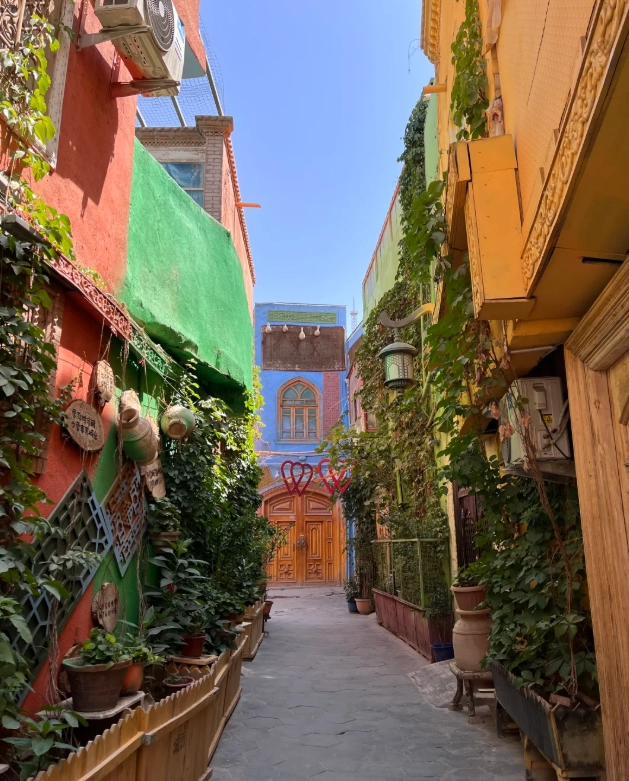
FAQ: Your Burning Questions Answered
This content has been fact-checked to ensure informational precision.






No comments yet.