 Jian Zhao
- Why the Opening Hours Are Not as Simple as a Sign
- The Real Schedule: Gates, Sites, and Ticket Booths
- How to Use Your Time: Best Hours to Enter
- Getting to Kashgar Old Town Without a Hitch
- Insider Tips for Foreign Travelers
- My Favorite Morning Route (From a Tour Guide)
- Common Mistakes I See Tourists Make
- FAQ: Kashgar Old Town Opening Hours
- Final Advice Before You Go
I've lost count of how many times I've stood at Kashgar's East Gate, watching foreigners squint at a sign that says “9:30-20:00” — then miss the real story. The old town isn't a museum with one door. It's a living city sprawled across dusty lanes. And those opening hours? They're more like suggestions for the ticket booths and the handful of guarded monuments.
If you're here to actually feel the Uyghur heartbeat, you don't need a ticket at all. But if you want to see the famous mosque, the centuries-old residences, and the high balconies, you need to know the exact windows when visitors are allowed in.
Here's the bottom line: go early — between 9:00 and 10:30 — or late — after 17:00. That's when the light is golden, the tour groups are gone, and the old town shows you its real mood. Stick with me and I'll break down everything you need to know about Kashgar Old Town opening hours, gate by gate.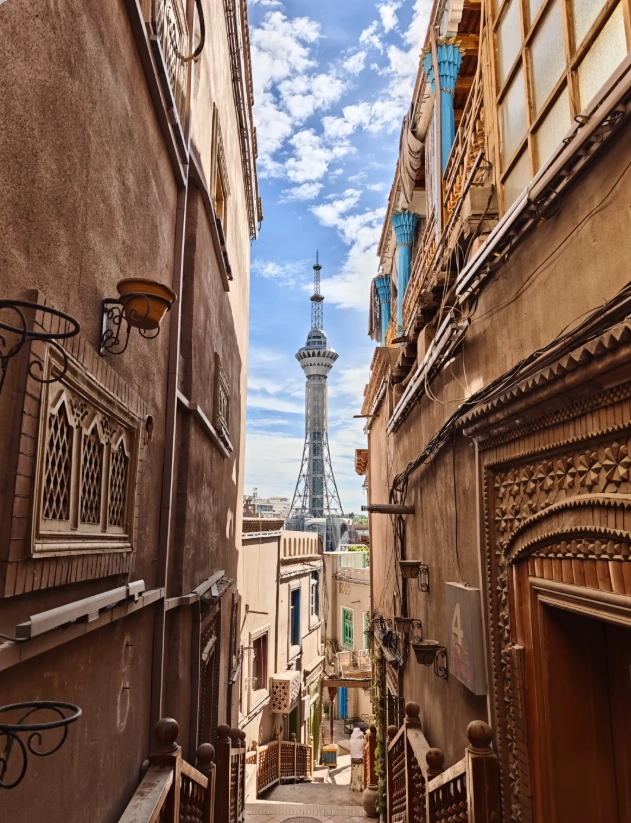
Why the Opening Hours Are Not as Simple as a Sign
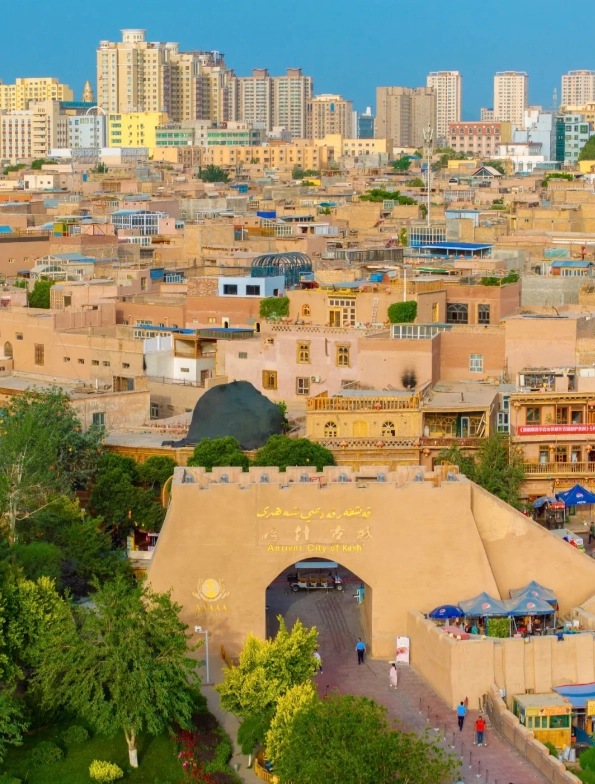
Most guides will tell you the old town is open “all day.” That's true, but it's also misleading. The entire district is a residential area, so you can technically wander through the narrow lanes at midnight. But the official tourist zone — the one with the manicured courtyards and roped-off exhibits — has its own gate times. And here's the catch: those times change with the seasons, depending on the local tourist board's mood.
During my last guide trip, I saw two different schedules posted at the East and West gates. No joke. The East Gate said 10:00-19:00, while the West Gate said 9:30-20:00. So if you're chasing a specific attraction, don't rely on one sign. Ask your hotel to call the tourist office, or just follow my rule: show up at the busiest gate (East) after 9:30 and you'll get in.
Also, don't confuse the old town's opening hours with those of the Id Kah Mosque, the Museum of Kashgar, or the private house museums. They have separate admission policies and often close for prayers or lunch breaks.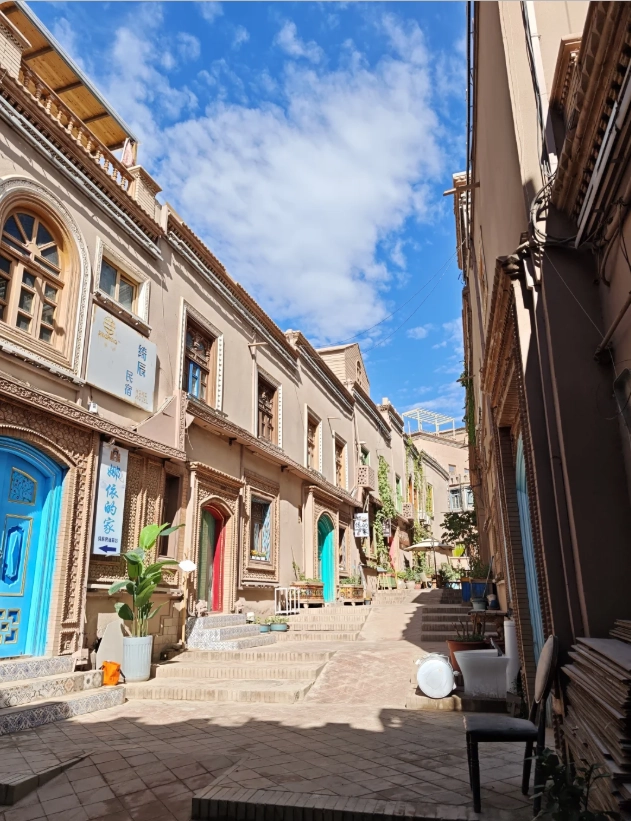
The Real Schedule: Gates, Sites, and Ticket Booths
Here's a table I've compiled based on my own visits over the last few years. Use it as a baseline, but always double-check on-site or with your hotel concierge.
| Location | Summer Hours (approx.) | Winter Hours (approx.) | Ticket Price | Notes |
|---|---|---|---|---|
| Old Town East Gate (main entrance) | 9:30 - 20:00 | 10:00 - 19:00 | Free (security check) | You can enter 24/7, but the ticket booths and inside sights close at listed times. |
| Old Town West Gate | 9:30 - 20:00 | 10:00 - 19:00 | Free | Less crowded, great for photographers. |
| Id Kah Mosque | 10:00 - 19:30 | 10:00 - 18:30 | 30 CNY | Closed during Friday prayer (approx. 13:00-15:00). Non-Muslims can enter the courtyard but not the prayer hall. |
| Kashgar Museum (inside old town) | 10:30 - 19:00 | 11:00 - 18:00 | Free with passport | Photography not allowed in all rooms. |
| Hundred-Year-Old House (local heritage home) | 9:30 - 20:00 | 10:00 - 19:00 | 20 CNY | Ticket includes a short guide if you ask. |
| Old Town Bazaar & pedestrian streets | Sunrise to late evening | Same | Free | Shops open around 10am and close after the last tourist leaves. |
These times are what I've seen posted, but I've also arrived at a “closed” mosque and found a side door open during Ramadan. The rule of thumb: you can always walk the streets, but the paid attractions follow the schedule above.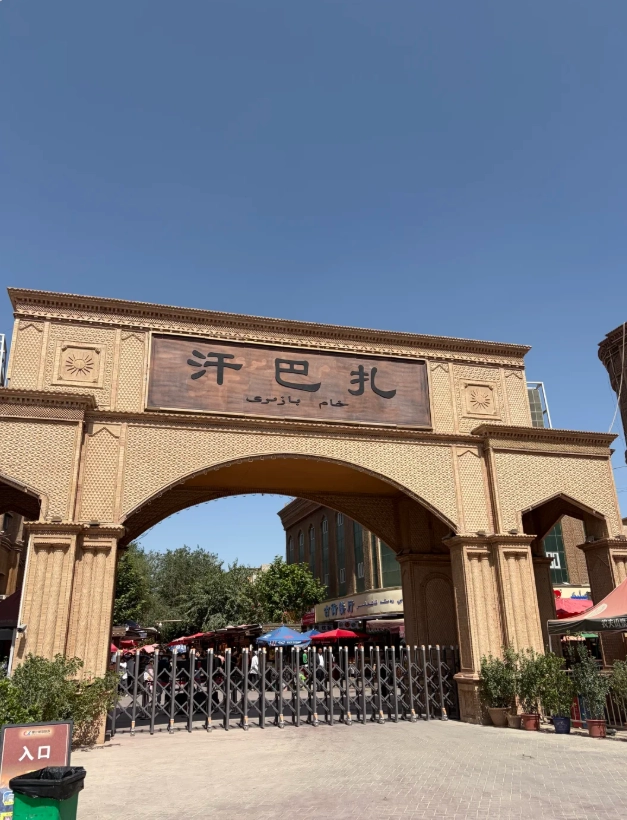
How to Use Your Time: Best Hours to Enter
Now let's talk about the real question: when should you actually step through that gate? I've been to Kashgar dozens of times, and here's my honest breakdown.
Morning Window: 9:00 - 11:00
This is the golden hour for photographers and anyone who hates elbows in their ribs. The sunlight hits the mud-brick walls at a low angle, giving everything a warm honey color. The tour buses haven't arrived yet — most organized groups roll in around 11:30. I've had the entire Jiangsheng Courtyard to myself at 9:45. Plus, the local vendors are just opening, so you can watch them set up fresh naan and pomegranate juice without being hassled to buy.
One catch: the morning security checkpoint at the East Gate can have a slow line. I waited 15 minutes last May because two buses of students arrived ahead of me. Want to skip it? Take the West Gate — I've never waited more than 3 minutes there.
Late Afternoon: 17:00 - 20:00
If you're not a morning person, this is your second sweet spot. The heat of the day dies down, shadows get long, and the locals come out for evening chai. The lazy tourist groups are back at their hotels, so you'll see more Uyghur families and fewer selfie sticks. Light for photos is still decent until about 19:30 in summer.
The trade-off: some of the indoor sights (like the museum) close earlier. So use the late afternoon to wander the alleys, watch the craftsmen hammering copper, and grab dinner at one of the street food stalls that fire up after sunset.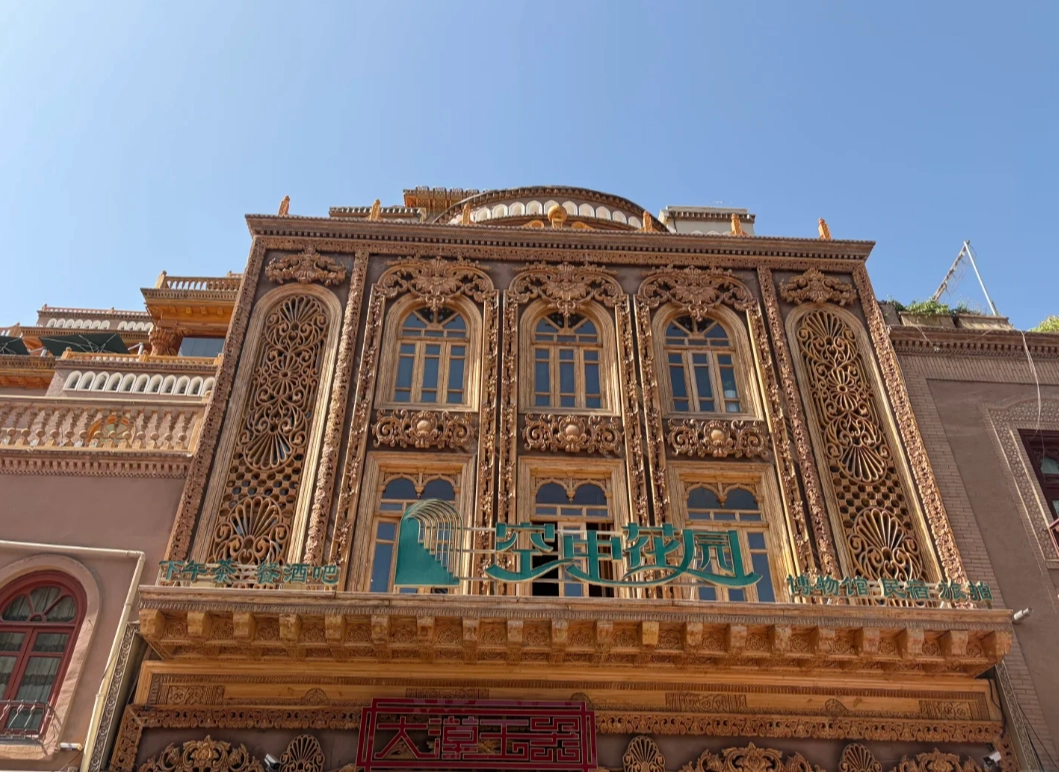
Midday (12:00 - 16:00): Only for the Brave
Honestly? I tell my clients to avoid this window unless it's overcast. The sun is brutal — there's no shade on the main drag, and temperatures can hit 38°C. The crowds are at peak, too. If you're stuck with only midday time, at least follow the shaded routes along the north walls or duck into the air-conditioned tea houses for a while.
Getting to Kashgar Old Town Without a Hitch
You've got the timing down, but how do you actually get there? Kashgar is a westernmost city in China, and reaching it takes some planning.
From Kashgar Airport (KHG): it's about 20 minutes' drive. Taxi meters start at 10 CNY, and the ride to the East Gate will set you back around 30 CNY. Don't let drivers convince you to pay a flat rate — insist on the meter. I've had drivers try to charge 50 CNY to foreigners.
From the Kashgar Railway Station: it's a 25-minute walk or 10-minute drive. The old town is visible from the station exit, but don't walk it with big luggage — the cobblestone streets aren't suitcafe-friendly. Take a taxi (15 CNY) or a shared electric cart (5 CNY) if you spot one.
For navigation: Google Maps doesn't work properly in China. I always use Apple Maps or the AMap mobile app (which has an English mode now). Just type “古城区” (old town) or show the Chinese address to your taxi driver: 喀什古城 (Kashgar Old Town). The East Gate is at the corner of Jiefang Bei Lu and Aijielike Lu.
The city's public bus system can get you to the perimeter: bus #1, #7, and #22 all stop near the old town. The closest stop is “喀什古城” station. But honestly, with fares this cheap, I'd rather use didi (Chinese Uber) to avoid getting lost.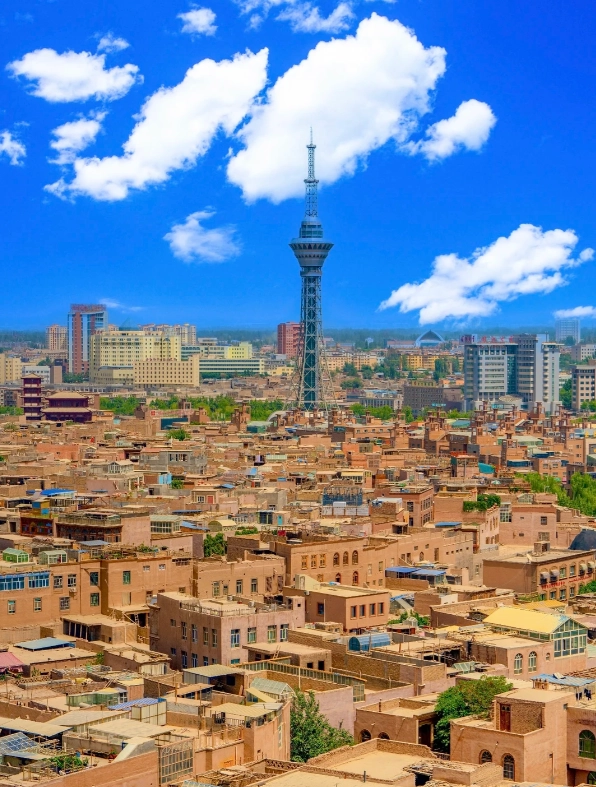
Insider Tips for Foreign Travelers
You've made it to the gate, now here's how to not melt down.
Payment is not as scary as you think
The old town bazaars are now cash-oriented for tourists, but you'll still see “WeChat Pay preferred” signs. My experience: about 70% of shopkeepers accept cash, especially if you have small change. The ticket booths for Id Kah Mosque and the house museums do accept international credit cards at the main window, but the smaller windows might not. To be safe, bring 200-300 CNY in cash for entrance fees and snacks, and keep your Alipay linked to your foreign card as a backup.
Forget Google Maps, use AMap Global
I cannot stress this enough. Google Maps will put you on the wrong side of a fence. AMap (高德地图) has an English version called AMap Global — it's not perfect, but it works offline and is accurate for Kashgar's streets. Apple Maps is also decent. Once you're inside the old town, the signs are small and often in Chinese only. I always screenshot the map of the main tourist route before going in — the signal can get spotty among the thick walls.
Skip the WeChat mini-program booking hell
Most Chinese attractions now require advance booking via WeChat mini-programs — in Chinese, with no English option. For Kashgar, you don't need to pre-book the old town itself, but for Id Kah Mosque and the museum, you might be asked for a passport reservation. Here's the workaround: use Trip.com or Klook to book tickets. They handle the registration for you. Or simply ask your hotel's front desk — they've done it a thousand times.
VPN is your lifeline
Google, WhatsApp, Instagram — none of these work without a VPN. I always install a reliable VPN before landing. Also, have a translation app like Apple Translate or Baidu Translate on your phone. The old town dialect is a feast of Uyghur Chinese, so pointing at your phone screen works wonders.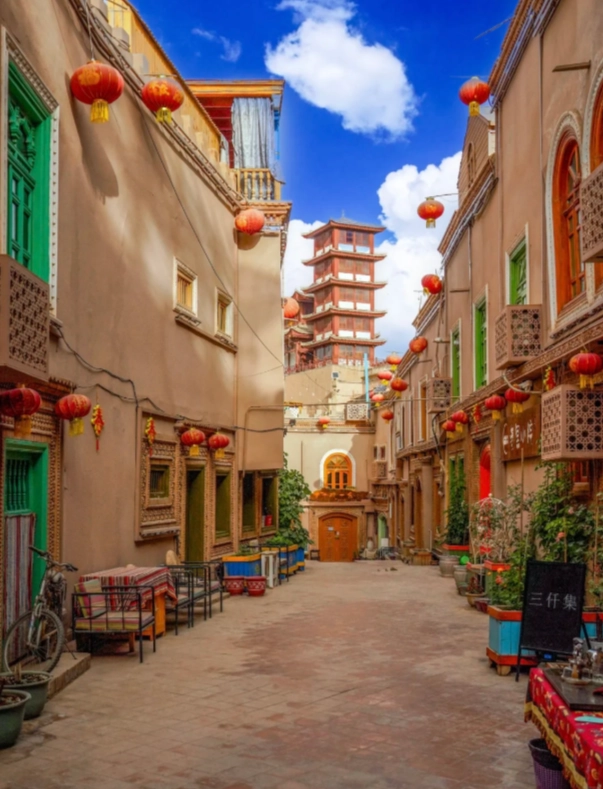
My Favorite Morning Route (From a Tour Guide)
Let me walk you through the exact route I take with my travelers. It's designed to hit the highlights with minimal backtracking and maximum shade.
- Start at East Gate at 9:15 — beat the security queue by going through the left turnstile. Head straight down the main bazaar street. Don't stop to shop yet; you'll come back later when the stores are fully open.
- Turn left at the first big square (look for the giant copper pot sculpture) to reach Id Kah Mosque by 9:30. Go in, take your photos, and be out by 10:00.
- Walk north for 5 minutes to the Kashgar Museum. It's a tiny but fascinating spot. Plan 30 minutes here.
- Exit the museum and take the second alley on your left. This shady lane leads to the Hundred-Year-Old House — the owner will greet you in broken English and show you his grandfather's tools. Worth the 20 yuan.
- By 11:15, you're ready for a break. Head to the teahouse called Kunlun Tea House on Aijielike Lu. A pot of Kashgar-style milk tea (12 CNY) comes with a mountain of naan. The people-watching from the balcony is unbeatable.
- After tea, choose your own adventure: continue to the West Gate area for the pottery workshops, or loop back to the East Gate for shopping.
This route takes about 3 hours, covers all the main sights, and leaves you plenty of time for a lazy afternoon.
Common Mistakes I See Tourists Make
- Arriving at the wrong gate with a single ticket. Most paid tickets (like the mosque) are only for that specific sight, not a combined old town pass. Don't panic when a guard asks for another ticket.
- Wearing open shoes. The old town streets are paved with loose gravel and sand. I've seen broken toes from stubbing on decorative stones. Wear closed shoes, at least for the first day.
- Assuming all signs are in English. There are actually quite a few English signs near the main tourist route, but the side alleys are pure Chinese/Uyghur. Carry your hotel's business card with the address in both languages.
- Getting stuck for lunch near the East Gate. The restaurants there are overpriced and mediocre. Walk 10 minutes into the old town's residential area and you'll find home-style places serving lagman noodles for 15 CNY.
- Booking a full-day tour thinking the old town is closed in the afternoon. It's not closed — it just changes character. Many tour groups leave at lunchtime, so you actually have the place more to yourself in the afternoon. But the indoor exhibits may lock their doors.
FAQ: Kashgar Old Town Opening Hours
Final Advice Before You Go
Here's what you should do in the next hour before heading out: download AMap Global, screenshot this article (or at least the table), carry 200 CNY in small bills, and put your passport in a zippered pocket. Then go where the morning light takes you. When you stand at the East Gate and see the old town stretch out in honey-colored brick, you'll thank yourself for not trying to squeeze into the 11am crowd.
This content has been fact-checked to ensure informational precision.






No comments yet.