 Jian Zhao
Quick Guide to Catching the Ceremony
I've lost count of how many travelers I've rescued from missing the Kashgar Old Town opening ceremony because they trusted a friend's "I think it's at noon." The truth is, this daily morning ritual is short, sweet, and over before you know it — and if you blink, you'll be watching a group of dancers fanning themselves instead of the actual show.
Here's the thing: the opening ceremony time is not printed clearly in any English guide I've found. Most signs are in Chinese, and the official listing just says "10:00 AM." But that's only half the story. If you only remember one number, remember this: arrive at the East Gate by 9:30 AM, and you'll get a front-row spot for the 10 AM show. Yes, it's that simple — but there are a few traps that can ruin your morning.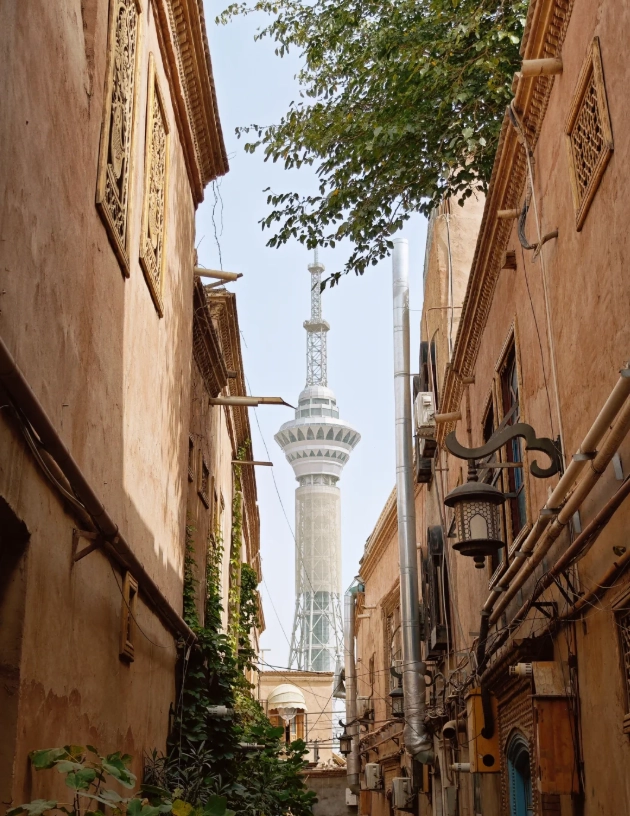
Why the Opening Ceremony Time Matters More Than You Think
The Kashgar Old Town opening ceremony is not a leisurely parade that lasts an hour. It's a tightly choreographed 10-minute performance that takes place in front of the East Gate (east gate of the old town). If you arrive even five minutes late, you'll catch the dancers bowing to the crowd and the gate slowly closing. That's it. The show is over.
I've seen too many tourists show up at 10:30, furious that they missed it, then blame the internet. The problem? Most blogs say "morning" or "around 10 AM." They don't emphasize that you need to be in position at 9:45 at the latest, because the square fills up fast.
Here's a brutal truth: The opening ceremony is free, but the prime viewing spots are limited. Tour groups from China arrive by the busload, and they know the exact time. They also know where to stand.
What Time Does the Kashgar Old Town Opening Ceremony Start?
Let me give you the most accurate schedule I have from years of guiding.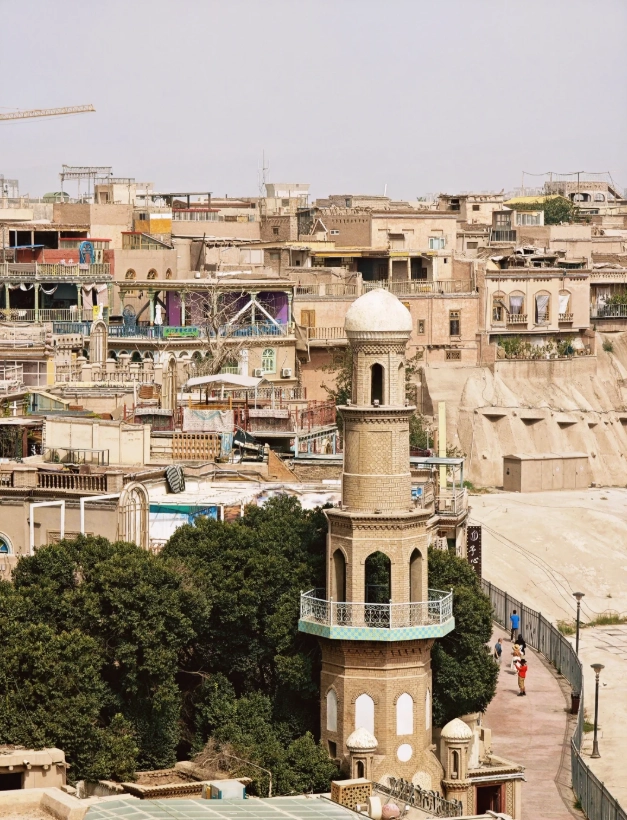
| Arrival Time | What You'll See |
|---|---|
| 9:00 AM | Empty square, stage being set up. Perfect for a photo of the performers before they start. |
| 9:30 AM | The crowd begins to gather. You can still get a spot near the rope if you're tall. |
| 9:45 AM | It's packed. You'll be watching through someone's phone. |
| 10:00 AM | Show starts. Dancing, drums, and the gate opens. Lasts about 10 minutes. |
| 10:15 AM | It's over. The performers start mingling with tourists for photos. |
The show starts at exactly 10:00 AM Beijing time, every single day of the year — no exceptions. Some sources say it might be shifted to 10:30 in winter, but in my experience, it's been 10:00 even in December. Still, always confirm with your hotel or a local the night before. You can ask in English at the front desk; they'll understand "opening ceremony time."
Pro tip: If you see a large group of tour buses, they're heading to the same place. Follow them. But don't follow them into the main gate — go to the bridge instead (see next section).
How to Get the Best View at the Opening Ceremony
This is where I save you the headache.
There are two typical places people stand: directly in front of the giant gate, right against the barrier rope, or scattered around the sides. The front row seems obvious, but here's the catch: when the gate opens, performers come out toward you. They don't stay put. So the best spot is actually on the small bridge that faces the gate on the left side (if you're looking at the gate). From there, you're slightly elevated, you can see the entire gate opening, and you won't have a tour guide's flag in your face.
Insider Advice: Avoid the exact center in front of the gate. That's where tour groups cluster. Instead, position yourself at the left edge of the bridge, near the tree. You'll get a clear, unobstructed view even if you arrive at 9:45.
Another secret: the performance isn't just at the gate. There's a short procession that walks a small circle before going back inside. If you stand near the circle's edge, you'll be close enough to see the dancers' expressions.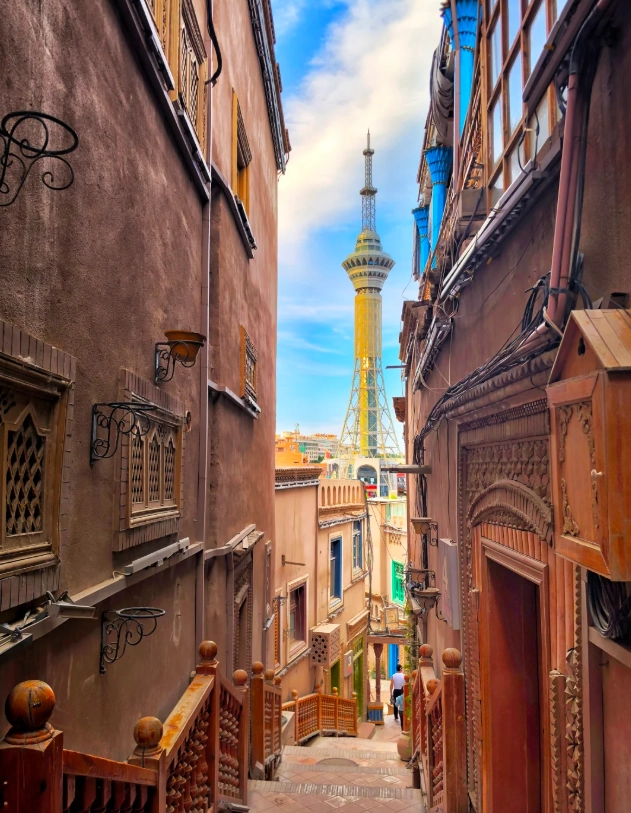
What to Do in Kashgar Old Town Before the Ceremony
Don't just sleep in. Kashgar is at its best in the morning. Here's my favorite pre-ceremony routine:
- Wake up early and grab a traditional breakfast at a local eatery like Grandma's Kitchen (just a five-minute walk from the East Gate). Order girde (sesame bread) and a bowl of hot milk tea. It'll cost you less than ¥20.
- Wander through the Sunday Bazaar if you happen to be there on a Sunday — but that's a whole other adventure. For the ceremony, just stick to the old town's main street.
- Find the small photography shop on the right side of the East Gate. The owner rents traditional Uyghur costumes for about ¥50 per hour. I'm not saying you need to dress up, but if you want that Instagram shot, it's worth it.
One caution: The area around the East Gate swells with vendors selling water, selfie sticks, and fake knives (don't buy the knives, they're illegal to take out). But the water is overpriced. Buy your water beforehand at the small shop next to the pharmacy.
What Actually Happens at the Ceremony
If you've never seen it, here's a quick rundown. At 10:00 sharp, a booming drumbeat echoes down the street. A group of male dancers in traditional Uyghur robes appears in the archway, spinning and saluting. Then come the women in bright velvet dresses, their braids flying. They're accompanied by sibizgu (a kind of flute) and hand drums. The performance tells the story of how Kashgar used to open its gates each morning to greet merchants on the Silk Road. After about five minutes of dancing on the square, the performers will form two lines along the side, and then they'll "open the gate" — actually, it's a huge wooden gate, and they push it open with a symbolic gesture. Then the crowd floods in.
A personal observation: The ceremony is a bit like a welcome speech. It's not long, but it's charming and gives you context for the old town's history. Don't expect a grand spectacle like Beijing's Imperial ceremony — this is a local, grassroots performance, and that's its beauty.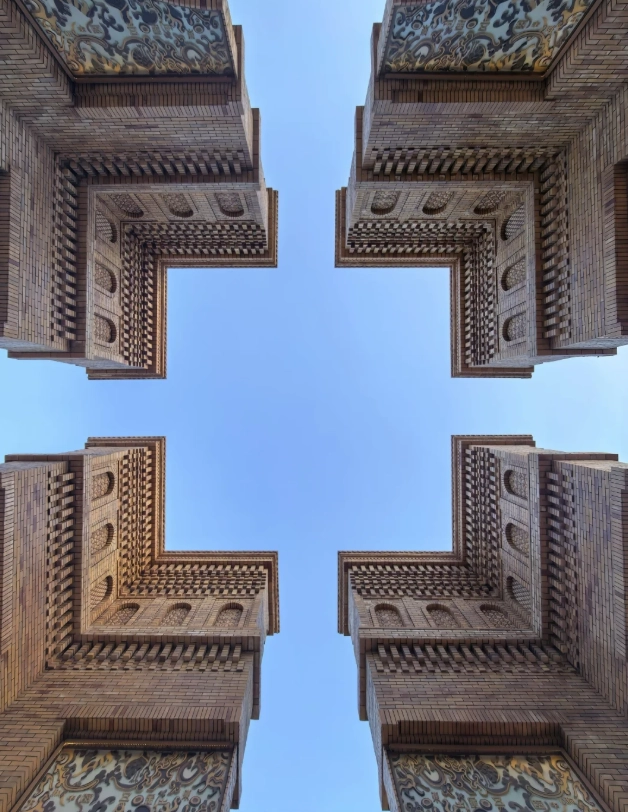
Tickets, Payment & Getting There
Do you need a ticket? No. The ceremony is completely free to watch. There's no separate admission for the show. For the old town itself, you also don't need a ticket — just pass through the gate.
Important for foreigners: Since security is tight in Xinjiang, you will need your passport to enter the old town area. There are security checkpoints at all entrances. Have your passport ready, and be prepared to walk through a metal detector. It's quick, but it's mandatory.
Payment inside the old town: Cash is king for small purchases, but many shops now accept Alipay and WeChat Pay. International credit cards are rarely accepted — and if they are, only at large hotels or the fancy restaurant. I always tell my clients to carry at least ¥200 in cash for snacks, souvenirs, and tips. You can use the ATM near the main gate, but make sure it's a Bank of China ATM, as they're the most reliable for foreign cards.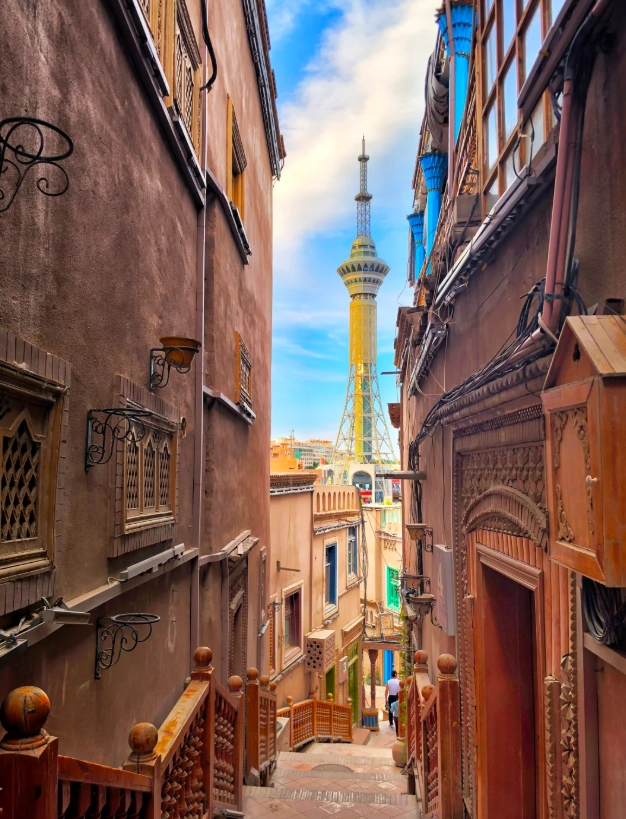
Getting to the East Gate:
- By taxi: From anywhere in Kashgar city center, it's a short ride. The fare should be around ¥10-15. Just show the driver this: 喀什古城东门 (Kashgar Old Town East Gate). If the driver looks confused, say "Guzal" — that's the name of the gate in Uyghur.
- By bus: Bus 7 and 8 stop near the old town. Get off at Yigele Kuaiche stop, then walk 5 minutes. But honestly, taxi is easier and cheap.
- By foot: If you're staying in the old town (there are several boutique guesthouses), you can just walk. But don't rely on Google Maps — it's unreliable in China. Use Apple Maps or Amap (Gaode), which have English support.
Navigation tip: If you're using a ride-hailing app, you'll need Alipay or Didi (Chinese Uber). Both are in Chinese, but Alipay works well with translation. Or just flag down a taxi.
FAQ: Kashgar Old Town Opening Ceremony Time
That's everything I know about catching the Kashgar Old Town opening ceremony. Trust me, it's worth the early wake-up. The energy is infectious, and it's the perfect start to exploring one of the most atmospheric old towns in China.
This content has been fact-checked to ensure informational precision.






No comments yet.