 Jian Zhao
What's Inside
- Why You Should Try a Karakul Lake Yurt Stay
- How to Book a Karakul Lake Yurt Stay (Without Getting Scammed)
- What to Expect Inside a Yurt at Karakul Lake
- How to Get to Karakul Lake From Kashgar
- Best Season to Visit Karakul Lake (and What to Pack)
- Food and Drink: Eating Like a Local
- My Firsthand Experience
- FAQs: Karakul Lake Yurt Stay
- Final Verdict
Wake up at 4AM to a sky crammed with stars—no light pollution, just the Milky Way pouring over your head. But getting there? That's where the real adventure begins. If you've been scrolling through pictures of turquoise lakes and white yurts, let me save you a world of pain: booking a Karakul Lake yurt stay involves zero online checkouts, a bumpy 4-hour drive from Kashgar, and a willingness to embrace rustic living. Here's the truth: most foreign tourists end up paying double because they don't know the local system. But once you're inside that round felt home, wrapped in blankets with a bowl of hot milk tea, every struggle melts away.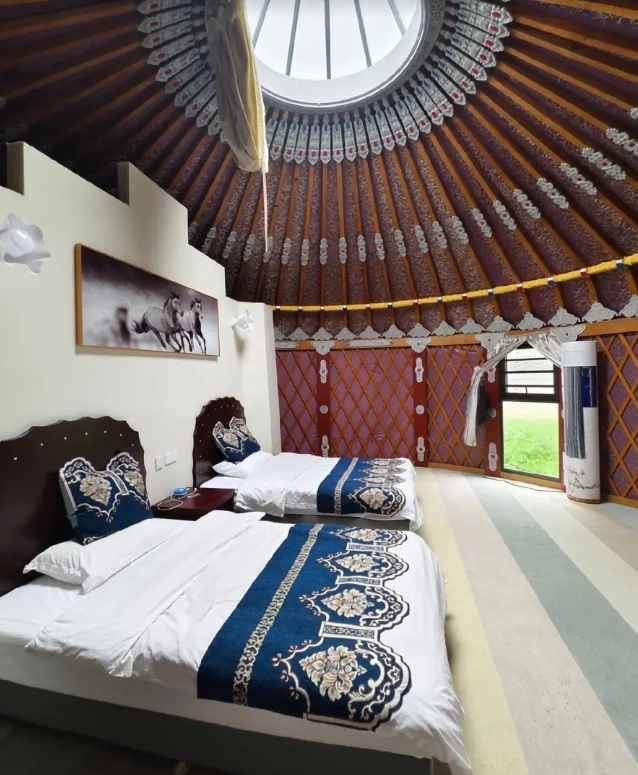
Why You Should Try a Karakul Lake Yurt Stay
Karakul Lake isn't just another stop on the Pamir Highway—it's a destination that demands you sleep right on its shores. Yurts here are run by local Kyrgyz families, offering the only permanent accommodation within miles. The feeling of waking up to the icy-blue lake and Mount Muztagh Ata reflected in still water is something no hotel can replicate. It's raw, quiet, and humbling.
One night here is worth a hundred nights in a sterile Kashgar hotel. You'll hear the wind whistle across the grasslands, the bell of a grazing yak, and in the morning, the smell of fresh naan puffing over a dung fire. That's not just accommodation—it's immersion.
For photographers, the light at dawn and dusk is phenomenal. The lake's color shifts from deep emerald to blazing orange, and the yurts in the foreground make for unforgettable shots. I always tell my clients to book at least two nights—one for arrival, one for exploration—but if you're on a tight schedule, a single night still beats a day-trip any time.
How to Book a Karakul Lake Yurt Stay (Without Getting Scammed)
Booking a yurt at Karakul Lake is nothing like reserving a hotel online. There's no centralized booking platform—in most cases, you'll arrange everything through a driver or a Kashgar-based travel agency. Here's how to do it smoothly, based on my years of guiding travelers to this remote corner of Xinjiang.
- Start from Kashgar — Head to Tashkurgan Road or ask your Kashgar hotel to recommend a trustworthy driver. Many drivers offer 2-day round trips that include a night at the lake.
- Use WeChat or phone reservations — Even if you don't have Chinese apps, your driver likely communicates in Chinese or Uyghur. For English, book through a travel agency that handles foreign tourists, or ask a local guide to make the call for you.
- Request a specific yurt — Ask if the yurt is on the southern or northern shore. Most travelers end up on the east shore, but the true local experience is on the western side, away from the road.
- Confirm the price — Expect to pay around 300–600 RMB per yurt per night (shared or private), which often includes dinner and breakfast. Some camps charge extra for separate beds or bedding. Always agree on the total cost before you get in the car.
- Confirm what's included — Ask if meals, blankets, and heating are included. Some places provide coal stoves, others only thick quilts. If you're booking during extreme cold, a heated yurt is non-negotiable.
Also, never pay in full upfront. A small deposit (like 50–100 RMB) is acceptable, but the rest should be paid only when you arrive. If you're booking through a third-party site like Trip.com, they might handle the deposit, but always double-check the exact location.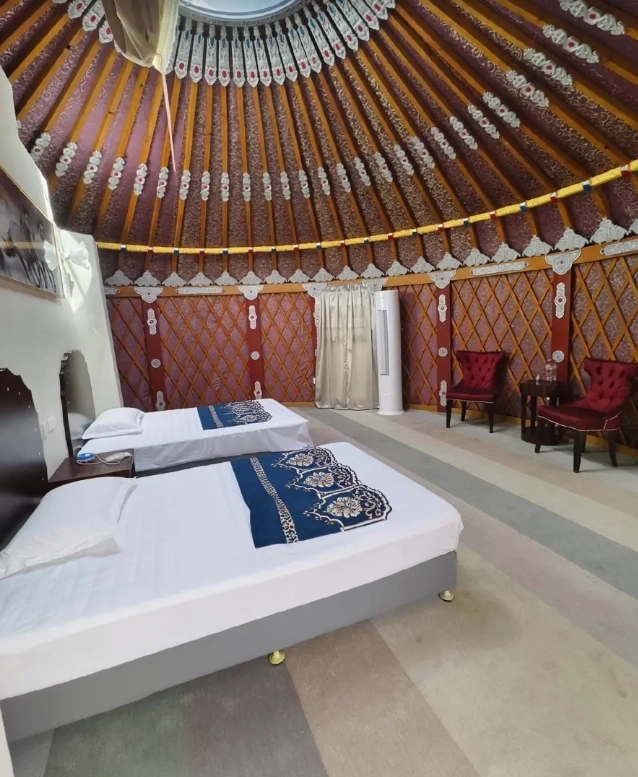
What to Expect Inside a Yurt at Karakul Lake
Inside a Karakul Lake yurt, comfort levels vary wildly. The best yurts feature several thick mattresses on the floor, a low table, and colorful embroidered tapestries. Expect a communal space where everyone sits and eats together. Some yurts have a coal stove in the center, which heats the space surprisingly well—just watch your head when you stand up.
Basic Amenities
Don't expect modern facilities. Most camps have no electricity (or just a single light bulb), no running water, and pit toilets outside. Showers? Forget it—unless a camp has recently built a shower hut with a solar bag, you'll be wiping yourself with wet wipes. Bring your own toilet paper and hand sanitizer.
The Reality of Shared Space
Yurts are not private hotel rooms. You'll share the floor with other travelers or the host family. This is part of the experience—conversations over hot tea, singing along to a man's komuz, and swapping stories late into the night. But if you value privacy, book a private yurt (if available). Some camps reserve separate yurts for couples or small groups, so ask in advance.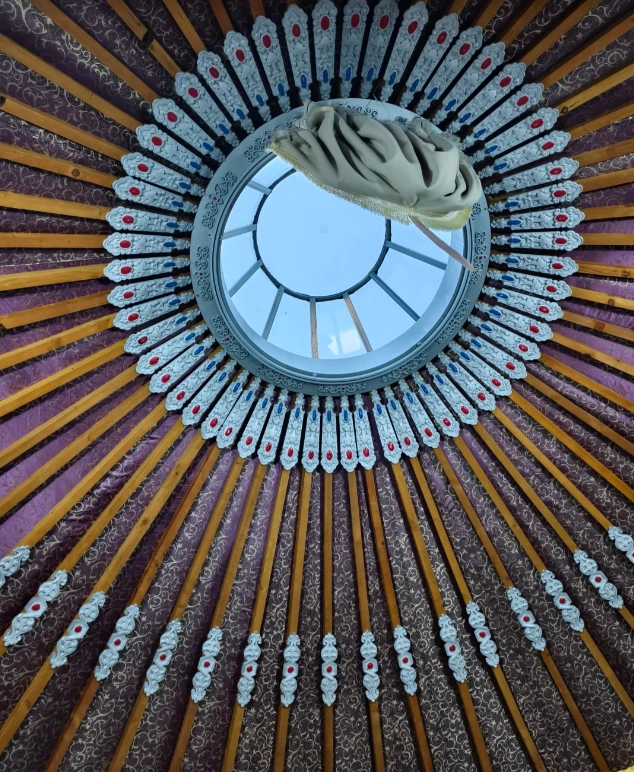
Pro tip: I always carry a pair of down booties—you'll thank me when it's 2 AM and the floor feels like ice.
How to Get to Karakul Lake From Kashgar
The best way to reach the lake is by road, and the 200-kilometer drive from Kashgar along the China–Pakistan Highway takes about 3.5 to 4 hours. You have three basic options: hire a private car, join a shared tour, or take a public bus (though the bus stops in Tashkurgan town, not at the lake, so it's not convenient).
| Transport Option | Travel Time | Cost (per person) | Flexibility | Best For |
|---|---|---|---|---|
| Private Car + Driver | 3.5-4 hrs | 400-700 RMB (round trip, per car) | High | Small groups or photographers |
| Shared Tour (2-day) | 3.5-4 hrs | 300-500 RMB (includes yurt + meals) | Medium | Solo travelers on a budget |
| Public bus + hitchhike | 3-4 hrs to town, then 1-2 hrs | 60-100 RMB + ride | Low | Adventurers |
Note: These are estimated costs for rough planning. The exact price depends on your negotiation skills and the season. For foreign tourists, a private car with a driver who speaks a bit of English is your safest bet—your hotel in Kashgar can arrange one for around 800-1000 RMB for a two-day trip.
Best Season to Visit Karakul Lake (and What to Pack)
The best time for a yurt stay is from mid-May to late September, when the snow has melted enough to make the road passable and nights are bearable. July and August are the warmest, but also the busiest. For clear skies and fewer crowds, I prefer early June or late September—just be ready for sudden temperature swings.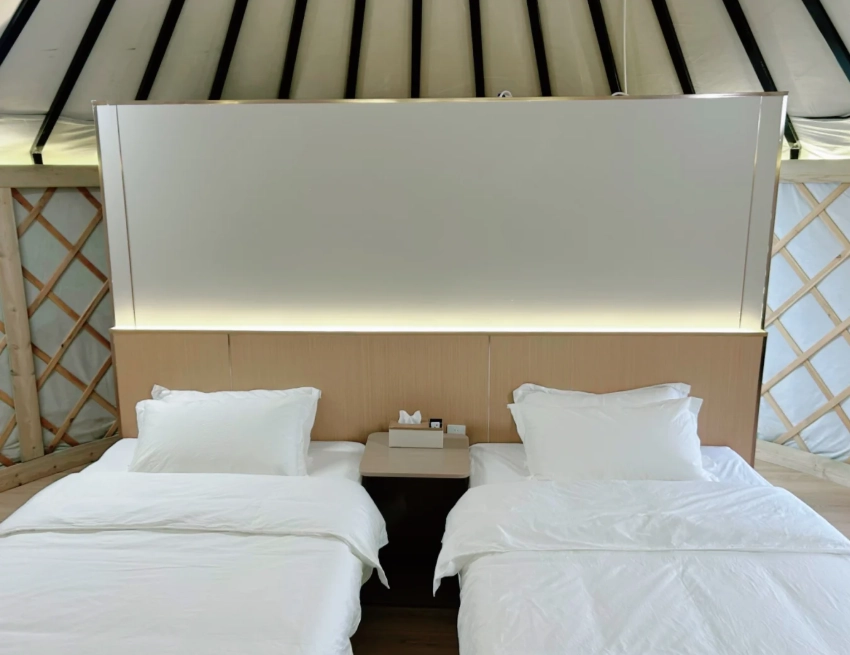
Packing Checklist
Pack layers, not a single coat. Even in summer, temperatures drop to near freezing at night. Here's what I tell every traveler to bring:
- Warm layers — Down jacket, thermal underwear, warm hat.
- Sleeping bag liner — For hygiene and extra warmth.
- Headlamp — Camps are pitch dark after 10 PM.
- Power bank — Charging sockets are rare.
- Toiletries — Biodegradable soap, wet wipes, toilet paper.
- Sunscreen and sunglasses — UV is extreme at 3,600 meters.
- Cash — Small bills for paying the host.
- Reusable water bottle — Stay hydrated.
Also, consider taking Diamox for altitude sickness if you're prone to it, but consult your doctor first. Most people feel fine at this altitude, but staying well-hydrated and avoiding alcohol is key.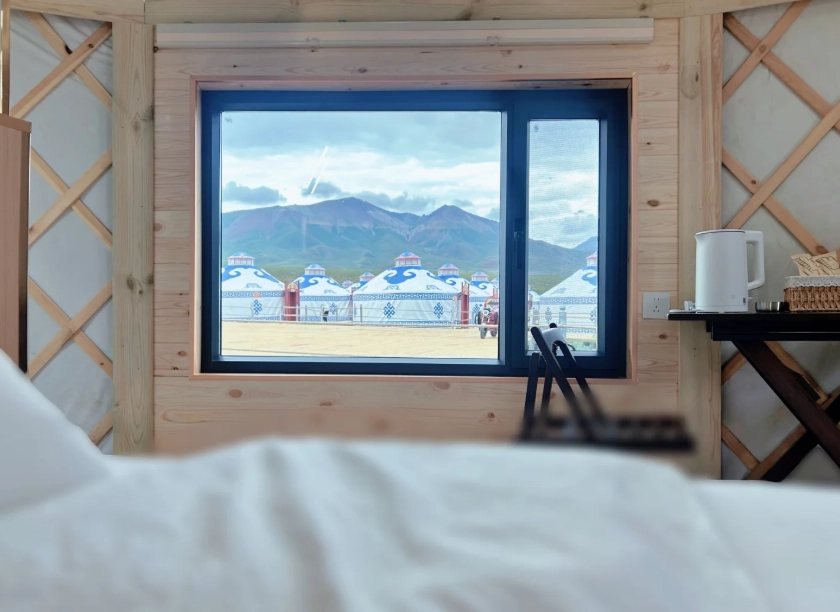
Food and Drink: Eating Like a Local
Most yurt camps serve simple, hearty Kyrgyz meals. Breakfast is usually naan, yak butter, and sweet milk tea. Dinner often features a hot pot of lamb stew or laghman noodles. Vegetarians, beware—ask if they can cook eggs and vegetables (they might, if you order in advance). Also, there's no restaurant nearby, so whatever is provided is your only option unless you bring your own.
One tip: don't refuse the milk tea. It's not just a welcome—it's a cultural ritual. Even if it tastes unfamiliar, sipping it earns you smiles and respect from the host.
My Firsthand Experience at a Karakul Lake Yurt Camp
I've taken countless groups to Karakul Lake, and every trip ends with the same complaint and praise: 'The nights are freezing, but the stars are unreal.' One particular stay in June, a sudden hailstorm hit right after dinner. We had to drag our sleeping bags to the far corner of the yurt to avoid leaking rain. But at midnight, the clouds snapped open, revealing a sky so full of stars that even my camera couldn't capture it. That memory still sends chills down my spine—both from cold and awe.
The real challenge is the walk to the toilet at 2 AM. The wind howls, the ground is uneven, and you'll see more shooting stars than any city dweller can dream of. Pro tip: keep your headlamp on your wrist, not in your bag.
I also learned the hard way that you must ask for an extra blanket before sundown. The camp might run out by the time you need it. And don't expect to charge your phone—turn it off and just absorb the silence.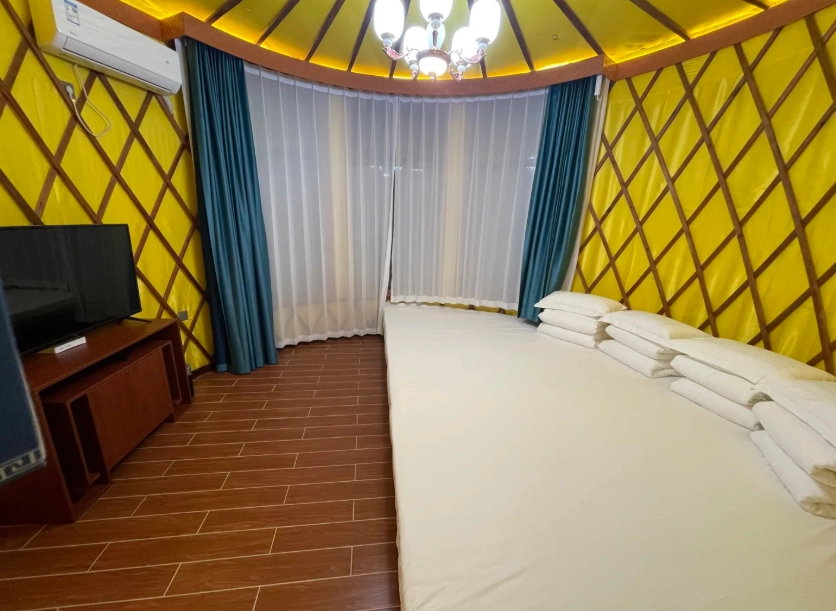
FAQs: Karakul Lake Yurt Stay
Final Verdict: Is a Karakul Lake Yurt Stay Worth It?
Yes, despite the rough edges. If you go with the right expectations, a Karakul Lake yurt stay is one of the most genuine travel experiences in Xinjiang. You'll trade luxury for authenticity, and honestly, that's a fair deal. Just remember to pack smart, book through a reliable source, and bring enough cash.
If I had to sum it up in one sentence: Where else can you sleep in a felt tent on the edge of a glacial lake, sharing tea with a Kyrgyz herder under the Milky Way? Not many places on Earth.
Verified and fact-checked by the editorial team.





No comments yet.