 Jian Zhao
What's Inside: Quick Navigation
Your flight touches down in Kashgar, and the first thing you notice? Your Google Maps is spinning into a grey void. I've watched travelers freeze at this exact moment — but it's part of the charm. Here's the thing: by the time you've followed this Kashgar travel itinerary, you'll be navigating this Silk Road city like a local. Based on my years of leading tours in Xinjiang, I'm giving you the exact routes, costs, and cultural shortcuts that most guides forget to mention. No fluff, just what you need to know.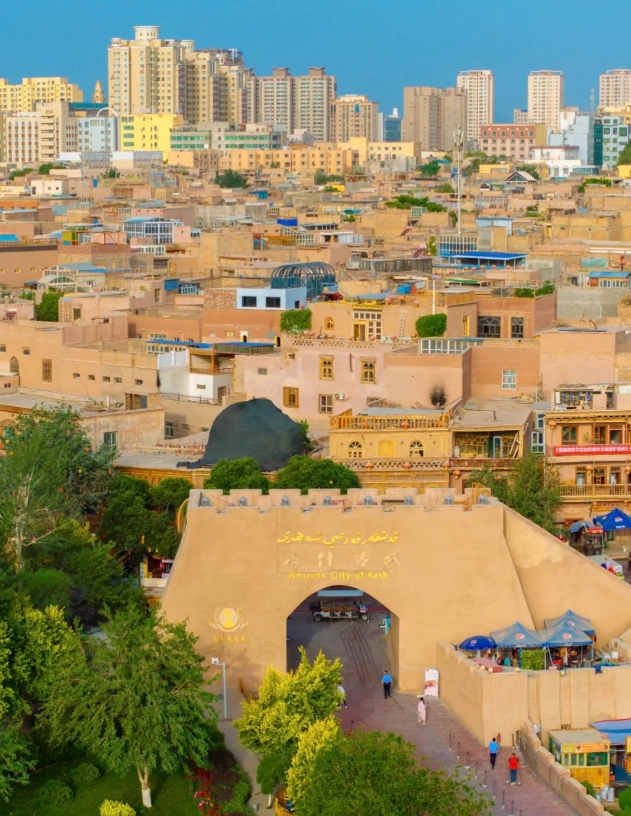
Getting to Kashgar: Flights, Trains & Highways
Kashgar sits in the far west of China, close to the border with Kyrgyzstan and Pakistan. For most foreigners, flying from Urumqi is the only practical option. The flight takes about 1 hour 40 minutes and costs roughly 500 to 900 RMB depending on the season. I always book through Trip.com or the official China Southern website — they accept international cards, which is a lifesaver.
By Train: A Scenic but Slow Option
If you're on a budget and have time, the train from Urumqi to Kashgar takes 18 to 20 hours. You'll want a soft sleeper (around 600 RMB) — hard sleepers are fine, but the noise can be intense. Use the official 12306.cn or Trip.com to reserve; passports are required. The train station is about 10 km from the old city; a taxi costs 20 to 30 RMB. Be ready for security checks — they're thorough but routine.
Overland from Pakistan via the Karakoram Highway
This is the bucket-list route for overland adventurers. The border at Khunjerab Pass is open between April and October (check current status). You'll need a Pakistani visa, a Chinese visa, and a special permit for the Khunjerab area, which your travel agency should arrange. The road is winding and high-altitude — altitude sickness is a real risk at 4,700 meters. I always tell my clients to spend a night in Tashkurgan before heading down to Kashgar to acclimatize.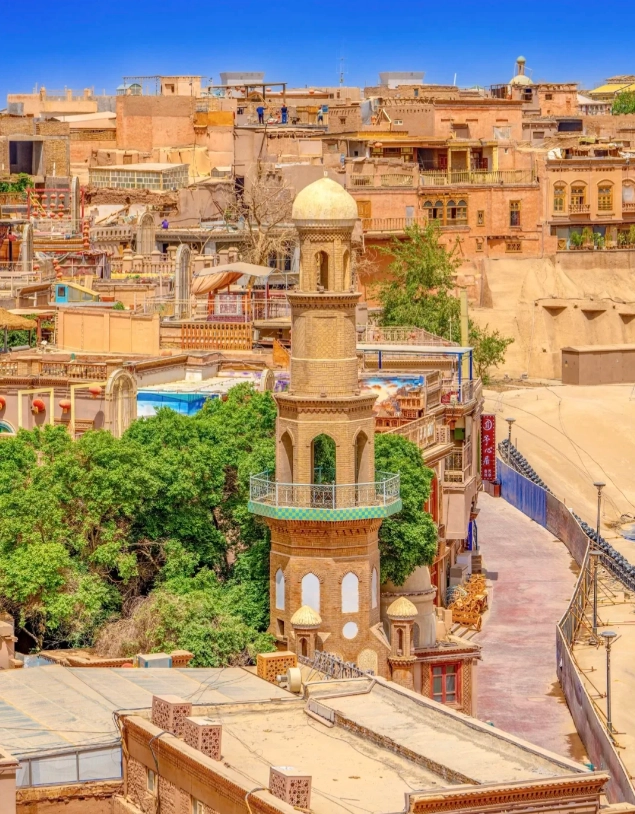
Kashgar Travel Itinerary: 3 Days Unpacked
Day 1 – Arrive, Check In, and Get Lost in the Old City
The old city is your first and most intense introduction to Kashgar. Settle into your hotel, then head straight for the Old City (Kona Sheher). The maze-like alleys are free to wander, and you'll see ateliers crafting copperware, musical instruments, and embroidered hats. Go around 3 p.m. when the afternoon light hits the mud-brick walls — you'll thank me later.
For dinner, find a local spot serving samsa (baked lamb buns) and laghman (hand-pulled noodles). A popular place is Kashgar Old City Café on Apak Khoja Road — look for the bright blue sign. They have a picture menu, and the lamb skewers are the best I've tasted in years. Cash is king here; international cards are rarely accepted.
Day 2 – Mosques, Tombs, and the Famous Sunday Market (If You're Lucky)
Start at the Id Kah Mosque, the largest in China. It's open daily but always closed for prayer on Fridays. You can enter the courtyard for about 20 RMB — dress modestly and keep your tone low. Around the corner, the Abakh Khoja Tomb (also called the Fragrant Concubine Tomb) is a stunning blend of Persian and Chinese styles. Entry is 30 RMB, and it's a 10-minute taxi ride from the mosque. Uber-like apps are rare here; just hail a taxi.
If your trip lands on a Sunday, don't miss the Sunday Livestock Market on the outskirts of town. It's a chaotic, dusty, but utterly authentic experience. Sheep, goats, and horses are traded under the open sky. No entrance fee, but go before noon — it winds down by late afternoon. You'll need to show your passport at the entrance check, so keep it handy.
In the evening, wander back to the Old City's main square. The night market sets up around 8 p.m., offering yogurt, kebabs, and the famous Uyghur-style naan with various toppings. I always grab a cup of qay (milk tea) to warm up.
Day 3 – Choose Your Adventure: Karakul Lake or City Life
If the weather cooperates, a day trip to Karakul Lake is the highlight of any Kashgar travel itinerary. It's a 4-hour drive south, and the scenery along the Karakoram Highway is straight out of a documentary. Entrance is 50 RMB, but the real cost is the driver — a private car costs 600 to 800 RMB for the day. You'll pass through a police checkpoint, so bring your passport and travel permit. Altitude is 3,600 meters — take it easy and bring sunscreen.
Not up for the long drive? Spend a third day exploring the Handicraft Bazaar and the Cultural Heritage Museum. The museum is small but has excellent English labels explaining Uyghur history. Entry is free, but you must book in advance via the WeChat mini-program — or ask your hotel to call for you. This is one of those moments where I openly admit the Chinese-only booking system frustrates even me. Just ask a staff member at your hotel; they're used to helping with this.
Navigating Without Google Maps: The Survival Trick
Google Maps is unreliable in China — dead zone. Instead, download AMap Global (高德地图) before you arrive. It works decently in English and gives you walking routes within the old city. For taxis, always have your destination written in Chinese — either on your phone or on a card. I always carry a small notebook with key phrases: "take me to the old city" (weimen ting zai lao cheng) and "how much?" (duo shao qian?).
If you're traveling between cities, the train schedules on Trip.com are accurate and easy to read. For domestic flights, use Qunar or Flighs.cn (they support English).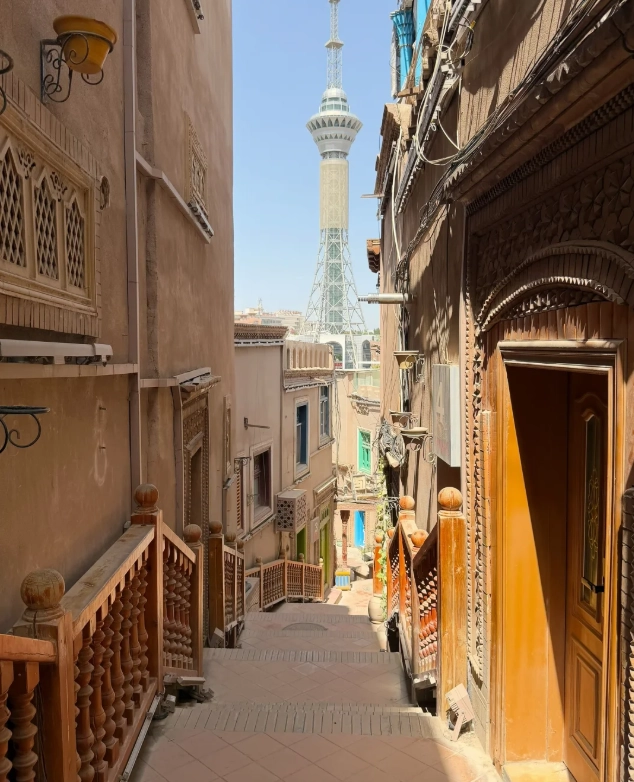
Where to Stay: Hotels that Actually Work
Your accommodation can make or break your trip. Here's a quick comparison based on my own stays:
| Hotel | Distance to Old City | Price (per night) | Best For |
|---|---|---|---|
| Kashgar Old City Hotel | Inside Old City | 350–500 RMB | Budget travelers & photographers |
| Yazhen Hotel (International) | 15-min walk | 450–700 RMB | Comfort & banquet-style rooms |
| Holiday Inn Express Kashgar | 15-min drive | 500–800 RMB | Business chains reliability |
All three have Wi-Fi, but the speed varies — the Holiday Inn Express is best for remote work. Non-smoking rooms are available, and the front desk can speak basic English at the Holiday Inn. For a more authentic stay, book a bed in a Uyghur homestay near the Old City. Just remember: many older buildings don't have elevators, so pack light.
What to Eat: Beyond the Tourist Menu
Kashgar's food is a spice-scented festival. You'll find warm naan, juicy pomegranates, and the most delicious roast mutton you'll ever try. For a sit-down meal, try Tarim Restaurant on Jiefang North Road — the mak’ru (lamb intestines) might sound intimidating, but grilled with cumin, it's a local favorite. Main dishes cost 15–30 RMB, and they accept cash only. If you're vegetarian, the chong taza (vegetable noodles) is your friend — just say "no meat" (watmiest yok) and they'll adjust.
One warning: the tea here is strong and sweet. It's a local habit, but don't be surprised if it comes full of sugar — ask for the unsweetened version if you prefer.
Kashgar FAQ: Answering Your Real Questions
Verified and fact-checked by the editorial team.





No comments yet.