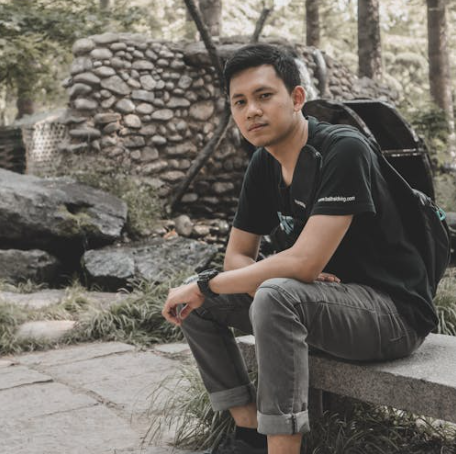
 Hong Ma
Quick Navigation
Night falls over Kashgar's Old City, and the aroma of grilled lamb fills the narrow alleys. Three days ago, I watched a French couple struggle with a taxi driver who didn't accept their credit card. I jumped in and saved them. That's why I'm writing this guide — to save you from that stress.
Traveling to Kashgar doesn't have to be a logistical nightmare. With the right information, you can fly in, navigate the Old City on foot, and eat your way through the bazaars without a single panic attack. The thing is, the biggest challenges are digital: booking trains, paying for meals, and finding your way without Google Maps.
Here's the secret: the hard part isn't the distance — it's overcoming the misinformation. And that's exactly what I'll give you.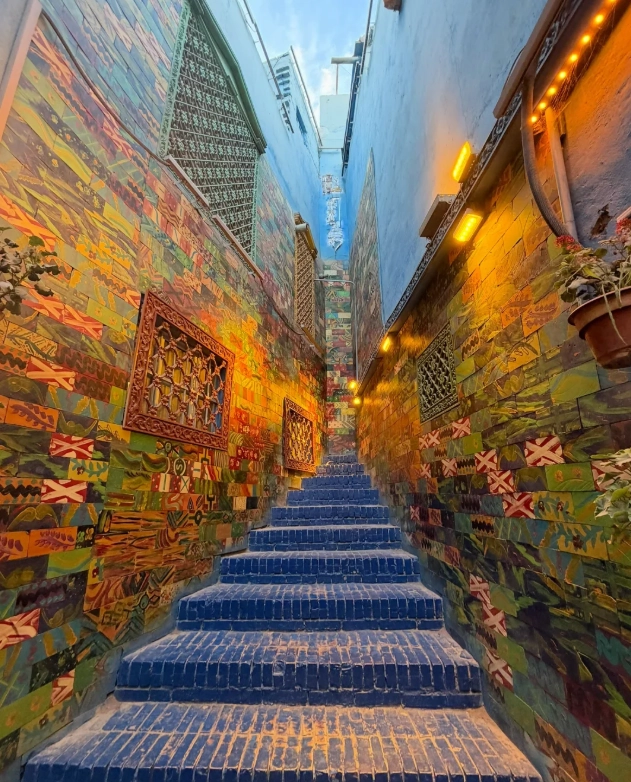
How to Get to Kashgar: Flights, Trains, and Roads
Getting to Kashgar is straightforward if you know your options. The two most practical ways are flying and taking the train. Let's break them down.
Flying to Kashgar
The quickest way to reach Kashgar is to fly into Kashgar International Airport (KHG). From Urumqi, the flight takes just under 2 hours, and there are multiple departures daily. Direct flights from cities like Beijing, Shanghai, and Chengdu exist, but they're less frequent and more expensive.
- Airlines: China Southern, Air China, and China Eastern operate routes. Check Trip.com for comparative pricing.
- Cost: Expect to pay between ¥500 to ¥900 one-way from Urumqi, but prices spike during summer holidays. Book at least 3 weeks in advance.
- Airport to city: Taxi fare is around ¥30-40 and takes about 20 minutes. Use the official taxi queue — avoid the men tugging your sleeve.
- Pro Tip: If your flight lands after 10 PM, book a hotel with airport pickup. Taxis become scarce and some drivers overcharge.
Taking the Train to Kashgar
For a budget-friendly and scenic alternative, take an overnight train from Urumqi. The journey covers about 1,500 kilometers and takes 18-22 hours. You'll pass through the vast Taklamakan Desert — surreal at sunrise.
- Trains: Several trains run daily, including the K-series and the faster Z-series on certain days. Soft sleepers (4-berth) are the best choice for foreigners.
- Tickets: Hard sleeper costs about ¥400, soft sleeper ¥600. Be sure to book through Trip.com — the official 12306.cn website is mostly in Chinese and finicky with foreign passports.
- Onboard experience: Dining cars serve simple meals, but I always bring my own snacks and instant noodles. Don't be alarmed if locals offer you nuts and homemade naan — it's their way of connecting.
Self-Driving and Long-Distance Buses
Driving to Kashgar from Urumqi is not for the faint-hearted. The 1,500+ kilometer highway is well-maintained, but it eats up at least two days each way. Unless you're planning a grand Xinjiang road trip, keep the driving to the rest of the region. Long-distance buses are slower and less comfortable, so skip them.
| Mode | Time | Cost | Best For |
|---|---|---|---|
| Plane | 2 hours | ¥500-900 | Travelers short on time |
| Train | 18-22 hours | ¥400-600 | Budget backpackers and scenery lovers |
| Drive | 2 days | ¥1,000+ | Adventurers on a road trip |
What Permits or Documents Do You Need for Kashgar?
The short answer: a valid Chinese visa and possibly an additional permit. But as a guide, I've seen too many travelers panic over the paperwork. Here's what you actually need.
Most foreign visitors require a standard tourist visa (L visa) for China. For Kashgar city itself, no extra permit is needed — just your passport. The confusion arises when you want to venture into the surrounding regions, such as Tajik Ridge and the Pamir Highway. For those areas, you'll need a Frontier Defense Permit (边防证).
- How to apply: In Kashgar, hotels and local travel agencies often handle this for you. The processing takes a few hours to a day, so plan accordingly.
- My advice: Decide whether you're staying in the city or going to Tashkurgan. If the latter, arrange the permit immediately after arrival.
- Important: Foreigners must register their stay at a local police station or through a hotel. Quality hotels do this automatically, but guesthouses might forget — remind them.

Getting Around Kashgar: Taxis, Buses, and Navigation
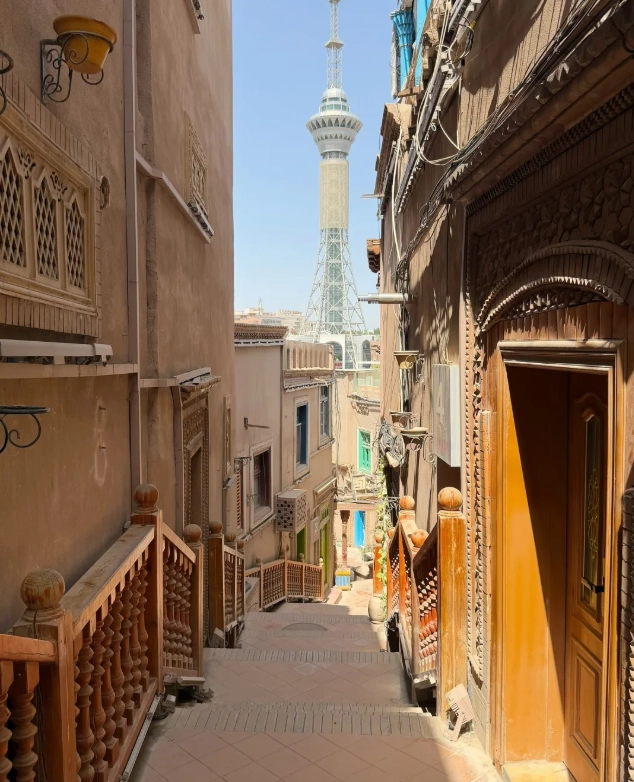
In Kashgar, your legs are your best friend, especially in the Old City. The maze-like alleys are pedestrian-only, and that's where the magic is. For longer distances, taxis are cheap and readily available.
Taxis
- Fares: Start at ¥5, and most rides within the city cost less than ¥20. Cash is accepted, but mobile payments are preferred.
- Scam alert: Always insist on the meter (打表). If they refuse, get out and find another car.
- Didi: The Chinese Uber works — I use it daily. The app has an English interface and can be linked to an international card.
Buses
Public buses are dirt cheap (¥1-2) but the routes are not English-friendly. Unless you read Chinese, stick to taxis.
Navigation
Do not rely on Google Maps here. It's blocked, and even if you use a VPN, the data is outdated. Instead, download Apple Maps or AMap Global (高德地图 English version). I've tested both — they're accurate, support English search, and work offline with a Chinese SIM card.
Where to Stay in Kashgar: Best Areas and Hotels
For your first trip, stay inside or just outside the Old City. This puts you in the heart of the action. If you prefer modern facilities, the new city has decent options but you'll lose the atmosphere.
| Area | Pros | Cons | Price Range |
|---|---|---|---|
| Old City | Authentic Uyghur architecture, walkable to sights | Can be noisy, basic amenities | ¥100-300 |
| Old City Edge (e.g., Renmin Road) | Easy access, more hotel choices | Less authentic vibe | ¥200-400 |
| New City (e.g., Tuman Road) | Modern, better Wi-Fi | Far from sights, need taxis | ¥300-600 |
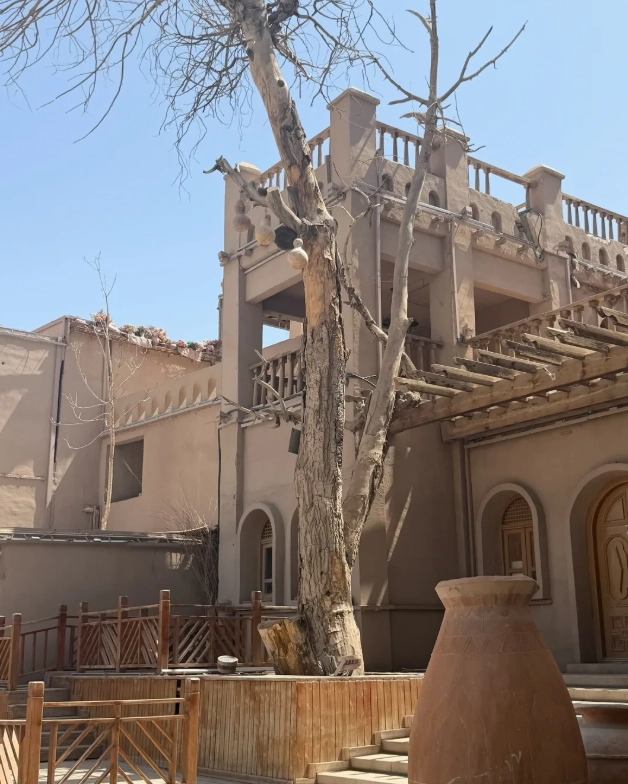
- Best value: Guesthouses with a courtyard near Id Kah Mosque. I stayed at one with a rooftop terrace — it overlooked the minarets.
- Booking: Use Trip.com to compare. Most places accept international cards through the platform.
- Pro Tip: Ask if the hotel has a generator — power cuts happen occasionally, especially in the old buildings.
Which Sights in Kashgar Are Actually Worth Visiting?
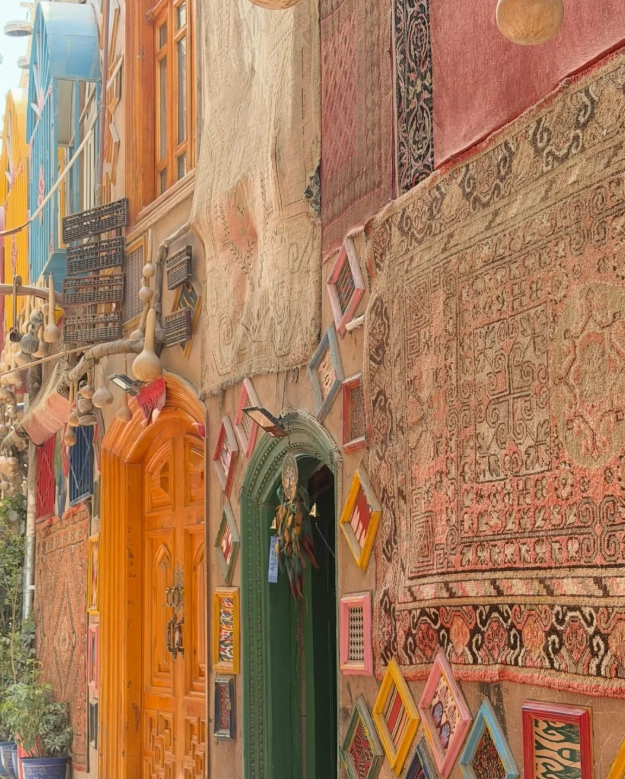
Kashgar is all about the Old City — it's a living open-air museum. But there are a few must-see landmarks beyond the alleys.
Kashgar Old City
- Entry: Free. You can wander endlessly; the Uyghur houses are Instagram gold.
- Time: Give yourself at least 3 hours. Hire a local guide at the entrance if you want stories behind the doors — but use a map, because the alleys look the same.
- Best time: Morning (9-11 AM) or late afternoon (5-7 PM). Midday sun is brutal, and the streets empty out during nap time.
Id Kah Mosque
- Address: No. 108, Jiefang North Road. It's on the edge of the Old City.
- Entry: Around ¥30. Non-Muslims can enter outside prayer times.
- Dress code: Shoulders and knees covered. They provide rugs for women at the entrance.
Hundred-Year-Old Tea House
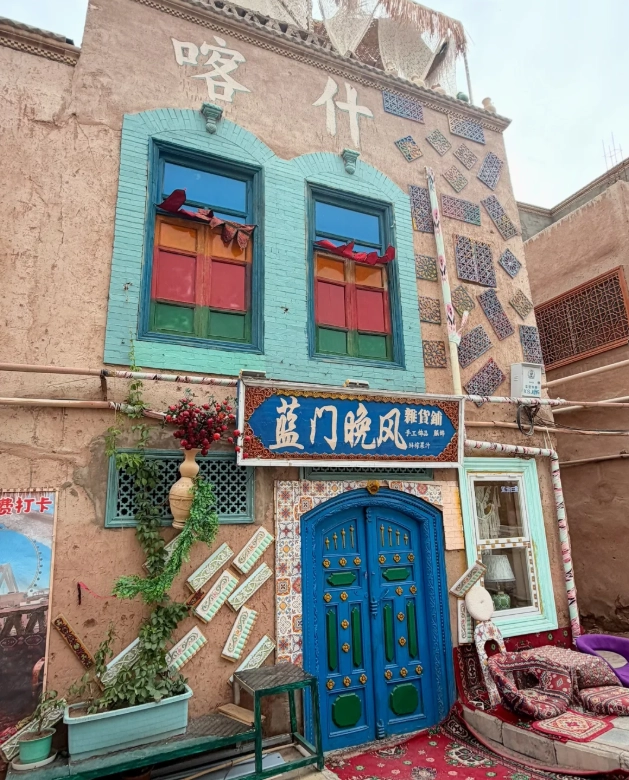
- Location: In the Old City, follow the signs for '百年老茶馆'.
- What to do: Order the Uyghur milk tea (about ¥20) with a huge chunk of rock sugar. Locals play card games nearby — they don't mind if you watch.
Kashgar Grand Bazaar
- When: Sunday is the animal market, but the regular bazaar runs daily.
- What to buy: Handmade knives, rugs, and embroidered doppas hats. Haggling is expected — start at half the quoted price.
- Beware: Some vendors will tell you a 'special price' for tourists. It's never special. Walk away and they'll call you back.
Fragrant Concubine's Tomb
- Location: About 2km northeast of the Old City (taxi ~¥10).
- Entry: Around ¥50, but I find the exterior just as impressive.
- My verdict: It's worth a quick visit if you have time, but don't move your whole schedule around it.
What to Eat in Kashgar: Must-Try Dishes and Where to Find Them
Kashgar is a street-food paradise — eat everything, but with caution. Here’s my shortlist of dishes that are actually authentic and where to get them.
- Polo (pilaf): A heaping plate of rice, lamb, carrots, and raisins. Look for stalls with a massive wok — the oilier, the better. Try the place near the East Gate of the Old City, around noon.
- Samsa (fried dumplings): The crispy, lamb-stuffed triangles. The best ones come from a tiny storefront at the edge of the bazaar. They're usually sold by weight — 3 pieces make a filling snack.
- Lamb skewers (kawap): Fat marbled with chunks of lamb, grilled over charcoal. The ones sold after 6 PM near the Id Kah Mosque are always fresh.
- Naan: The round bread is a survival tool. Any bakery hot from the oven is good.
- Tea: Uyghur tea is milky and sweet. Skip the fancy tourist tea houses and go to a place where the locals hang out.
One thing to remember: Kashgar is a Muslim-majority city. Don't bring pork products, and avoid eating in front of locals during fasting hours if you're visiting during Ramadan.
Handling Money, Apps, and Connectivity in Kashgar
In Kashgar, cash is still king, but mobile payments are gaining ground. However, you'll find that many small businesses — like bazaar stalls and taxi drivers — only accept WeChat Pay or Alipay. International credit cards are nearly useless outside of supermarkets and upscale hotels.
- Payment setup: Add your international card to Alipay and WeChat Pay before you arrive. While both allow this, Alipay has a smoother English interface for foreign accounts.
- Cash: Carry ¥500 in small bills for emergencies. ATMs at major banks accept international cards, but fees can be steep.
- VPN: Google, Facebook, and Instagram are blocked anywhere in China. Install a reliable VPN (like ExpressVPN or NordVPN) before you land.
- SIM/eSIM: Buy a prepaid SIM card from China Mobile or China Unicom at the airport. Or try an international data eSIM (like Airalo) that works with a VPN. Free Wi-Fi is available in hotels but often requires a Chinese phone number to log in.
- Translation: Download offline language packs in Apple Translate or Baidu Translate. You won't need it often — many Uyghur locals speak Arabic-like script that Google Lens can read — but it's a lifesaver for reading menus.
Insider Advice: Avoiding the Biggest Travel Mistakes
Most trips go wrong not because of major failures, but because of small oversights. Here are my top tips from years of guiding clients in Kashgar.
- Don't visit the Old City at noon.The alleys are too quiet, the sun is harsh, and the vibe is dead. Go in the morning when merchants are opening, or in the evening when kids play in the streets.
- Don't buy a jade stone unless you're an expert. The bazaar is packed with counterfeit pieces. Even locals get fooled.
- Always have your passport with you. Random checks happen at certain junctions, especially near border regions. A photocopy might not be enough.
- Respect local customs. Uyghur people are generally warm, but don't take photos without asking. Women may prefer not to shake hands — just nod respectfully.
- Beware of hotel room door-to-door sales. People may knock and offer 'cheap tours'. Politely decline and book through reputable desks.
Insider Advice: If you're looking for the best photo spot, climb to the roof of the Old City Youth Hostel. From there, the spires of the Id Kah Mosque frame the sunset perfectly. It's a tougher climb, but worth it.
FAQ: Kashgar Travel Questions Answered
This content has been fact-checked to ensure informational precision.







No comments yet.