 Hong Ma
Quick Look: What's Inside
Let me be honest — I've guided dozens of travelers to Karakul Lake, and the first question everyone asks isn't about the scenery. It's about the opening hours. But here's the catch: Karakul Lake doesn't have a gate or a ticket booth. It's a sprawling alpine lake on the Karakoram Highway, open to the sky and the wind. So, what does 'opening hours' even mean?
Most English-language guides will tell you to go anytime, but they ignore the real barriers — the border checkpoints, the harsh daylight, the weather, and the mandatory permits. I've had clients arrive at 7 PM expecting to watch sunset, only to be turned back at the last checkpoint because it already closed.
If you only remember one thing: you can technically visit 24/7, but for safety and visibility, plan your arrival between 9 AM and 5 PM. And remember, the checkpoint at Karakul usually operates from 9 AM to 8 PM in peak season. Miss that window, and you'll have a very long drive back.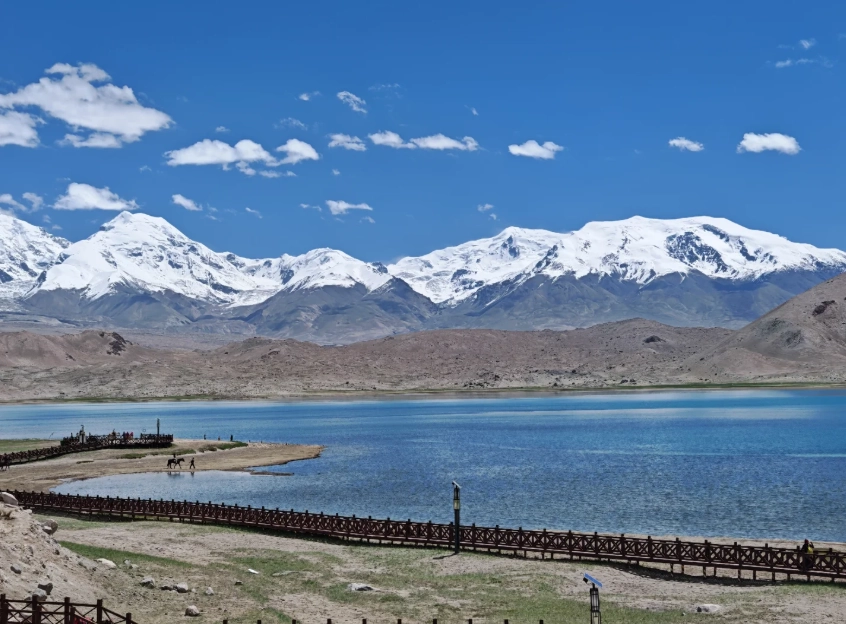
What Are the Actual Karakul Lake Opening Hours?
Let's tackle the biggest misconception: there is no official sign that says 'opening hours.' Karakul Lake is a natural lake, not a man-made attraction. The parking area and viewpoint are accessible 24/7, but the reality is that you need to work around three factors: daylight, weather, and checkpoints.
| Season | Practical Visiting Hours | Notes |
|---|---|---|
| Peak Season (Jun-Aug) | 8 AM – 8 PM | Checkpoints open till 8 PM; daylight extends to 10 PM due to Xinjiang time zone. |
| Shoulder (Apr-May, Sep-Oct) | 9 AM – 6 PM | Weather is unpredictable; snow possible. |
| Winter (Nov-Mar) | Closed / inaccessible | Karakoram Highway often blocked by snow. |
Daylight Matters More Than You Think
Xinjiang uses Beijing time, so sunrise and sunset are off by about two hours. In summer, dawn can break as early as 5 AM, but the sun doesn't set until around 10 PM. Most visitors come for the mirror-like reflection of the lake and the snow-capped Kongur Mountain. That means you want to be there either at sunrise (around 6-7 AM) or just before sunset (around 8-9 PM). But here's the ticking clock: the final security checkpoint on the Karakoram Highway usually shuts its gate at 8 PM. So if you're aiming for sunset, you'd better arrive no later than 6 PM to clear the gate and still have time to find a good spot.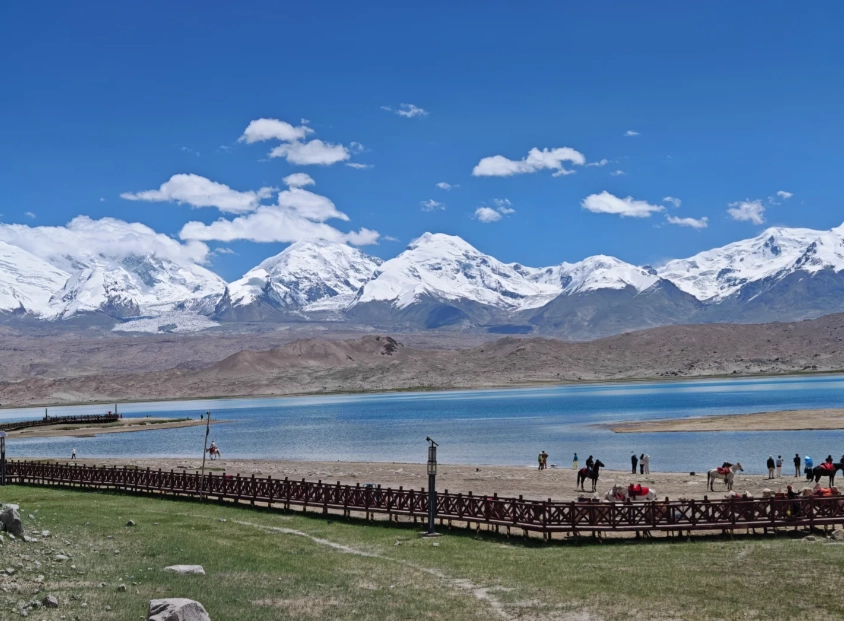
The Checkpoint Schedule
The checkpoint at Karakul Lake is not a tourist ticket booth — it's a border control point. You need to show your passport and valid border permit (边防证). The officers are used to tourists, but they strictly enforce the schedule. In peak season, the checkpoint opens at 9 AM and closes at 8 PM. During holidays (like Chinese National Day, Oct 1-7), hours may extend, but expect longer queues. I've been there when the line of cars stretched for half a kilometer, so budget extra time during national holidays.
Weather and Road Conditions
The road from Kashgar to Karakul Lake is asphalt, but it crosses an altitude of 3600 meters. Even in summer, sudden snowstorms can hit the Tashkurgan valley. If you're planning a winter visit, forget it — the highway often closes completely due to snow drifts. Local tour operators stop running from mid-December to mid-March. Always check the weather forecast before leaving Kashgar. If it's rainy in Kashgar, it's likely snowing at Karakul, and the only thing you'll see is a curtain of white, not the famous blue lake.
How Do I Get to Karakul Lake?
You cannot reach Karakul Lake by public bus. The only practical ways are private car or organized tour. From Kashgar, it's a 4-hour drive along the spectacular Karakoram Highway (China's N-65 road). Most travelers hire a private driver for a day trip or join a multi-day tour that includes Tashkurgan and Khunjerab Pass.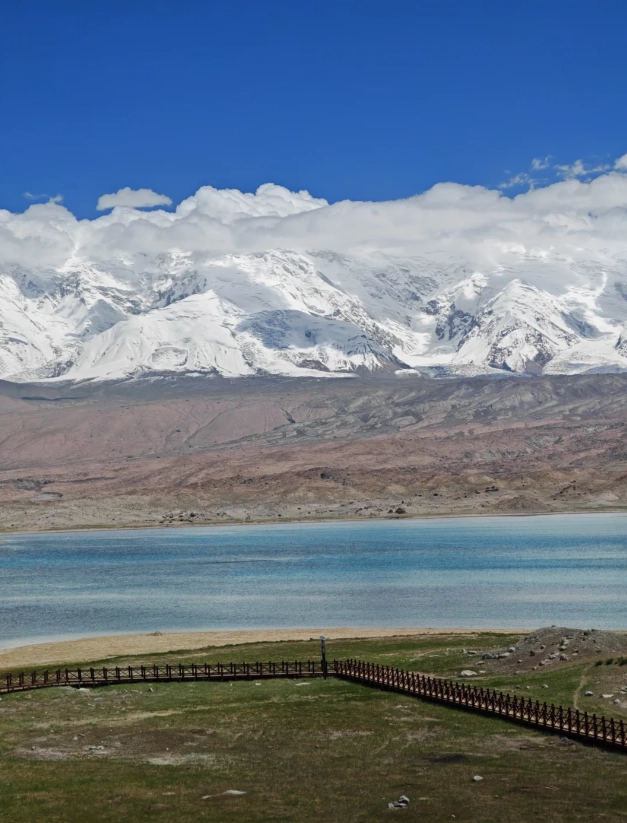
| Transport | Cost (RMB) | Duration | Flexibility |
|---|---|---|---|
| Private car (rental) | 800-1200 | 4-5 hours each way | Full freedom, stop anywhere, but need permit and permit handling. |
| Shared tour (Kashgar CITS) | 200-400 per person | 5-6 hours with stops | Fixed schedule, limited stops, easy permit. |
| Self-drive | Fuel + rental | 4-5 hours | Requires China driving permit and international license translation. |
Via Organized Tour (Easiest)
If you're not comfortable with Chinese bureaucracy, book a tour through Trip.com or Klook. These platforms have English-speaking agents who handle the border permit for you. The tour typically departs from Kashgar at 8 AM and returns by 8 PM. You'll have about 90 minutes at Karakul Lake, which is enough for photos and a short walk along the shore. Honestly, I often recommend clients to book a two-day tour that includes a night at Karakul Lake hideaway — the sunset and sunrise are completely different experiences, and you'll have the place almost to yourself.
Via Private Driver (For Independent Travelers)
For the ultimate flexibility, hire a private driver through your hotel or online. Expect to pay around 1000 RMB for the day. The driver will likely stop at the famous sand dunes along the way, and you can dictate the pace. Make sure your driver knows the checkpoint hours — trust me, some drivers new to the route forget, and you end up rushed at the end.
One thing that saves a lot of trouble: download the AMap (Gaode) app and show the Chinese address to your driver or taxi. If you're using a ride-hailing app like Didi, the English interface is available but limited. I always advise clients to have this written down: 卡拉库里湖.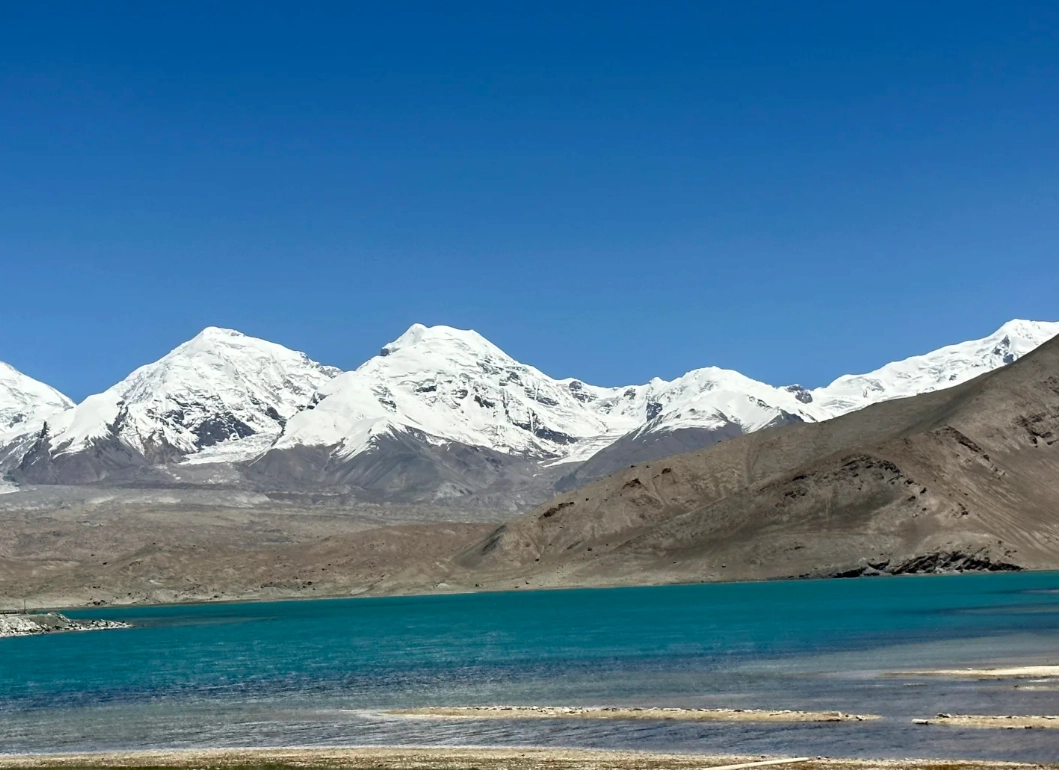
When Is the Best Time to Visit Karakul Lake?
The single best time to be at Karakul Lake is September. The summer crowds are gone, the weather is crisp, and the autumn light turns the mountains a golden hue. Temperatures are freezing in the morning (around 0°C) but pleasant by midday. If you can only come in summer, aim for either as early as 8 AM or after 6 PM — the midday sun washes out the colors, and the lake looks like any other plateau lake, not the turquoise gem you see in postcards.
The Lure of the Golden Hour
I've been to Karakul Lake at least fifty times, and I can tell you that the best lighting happens within 30 minutes after sunrise and before sunset. The peaks of Kongur and Muztagh Ata reflect perfectly in the still water. But there's a catch: sunrise is brutally cold (minus degrees), and sunset is risky due to the 8 PM checkpoint. My recommendation? Stay overnight at a yurt near the lake. It's not luxurious, but you'll have two golden hours instead of none.
Avoiding the Crowds
Crowds are unpredictable at Karakul Lake, but they tend to peak between 11 AM and 3 PM. Tour buses from Kashgar arrive in waves. If you arrive before 9 AM, you'll practically have the place alone. The Chinese tourists usually come in groups, and they're not particularly interested in hiking, so you can often find a quiet patch of shoreline just by walking 200 meters away from the main parking area. I once found a small spit of land east of the main viewpoint — with a bit of local know-how, you'll be rewarded with stillness.
Entrance Fee, Permits, and What to Bring
Karakul Lake has no entrance fee — it's public land. But you absolutely need a border permit (边防证) to even get close. The permit is checked at the Karakul checkpoint, and if you don't have it, you'll be turned back. Foreign travelers must apply in person at the Kashgar Public Security Bureau (Foreign Affairs Section). It's open Monday to Friday, 10 AM to 6 PM, but hours can vary. Many hotels in Kashgar can facilitate the process for a small fee. The permit is free but takes a few hours to process.
Getting Your Permit: The Reality
If you're on a tour, the agency handles this. If you're independent, you'll need to provide your passport, a copy of your visa, and a completed application form. I've seen travelers struggle with the Chinese-only form. My advice: ask your hotel receptionist to help you fill it out. It's not complicated — just personal details, occupation, and the places you'll visit (write "Tashkurgan" and "Karakul Lake"). The permit is typically valid for two weeks. Don't lose it — you need it at several more checkpoints on the highway.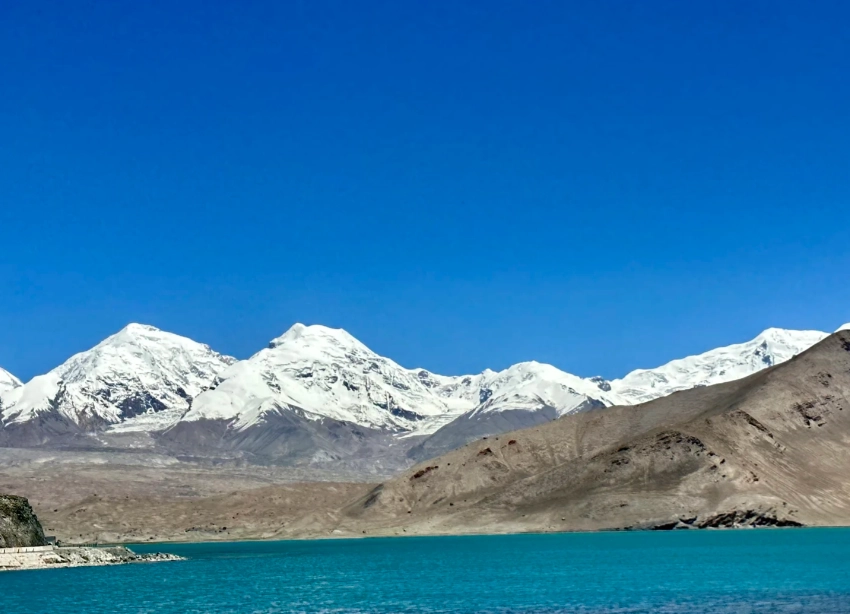
What to Bring
- Passport and border permit — non-negotiable.
- Cash — the area has no ATM, and credit cards are rarely accepted.
- Payment apps — Alipay and WeChat Pay are the norm even here, but carry cash as backup.
- High-altitude essentials — sunscreen, sunglasses, and lip balm are critical at 3600m.
- Warm layers — even in summer, wind chill can be brutal. A down jacket is a lifesaver.
- Snacks and water — there's a yurt village with basic food, but it's sparse.
Insider Tips to Avoid Crowds and Stay Safe
Now, let me give you the real talk that no other guide will tell you.
Tip #1: The main parking lot is not where you want to be. Most tourists pile out at the west end, where yurts and souvenir stalls cluster. Walk east along the shoreline for just five minutes, and the crowd disappears. The view of the lake with the Muztagh Ata peak is even better from that angle. I always take my clients there — they think I'm a magician.
Tip #2: Don't try to cross the small stream near the entrance. It looks shallow, but the water is meltwater from glaciers — shockingly cold and the current is sneaky. I've rescued two tourists who misjudged it. Stick to the small wooden bridges, even if they're a bit out of the way.
Tip #3: Watch out for the altitude sickness. Karakul sits at 3600m. Some travelers feel dizzy and headache after cruising up from Kashgar. If you start feeling sick, don't lie down in the car — walk slowly and sip warm water. The yurt hosts often have a traditional Tibetan remedy — a tea made from saffron and ginger. Ask for it; it works.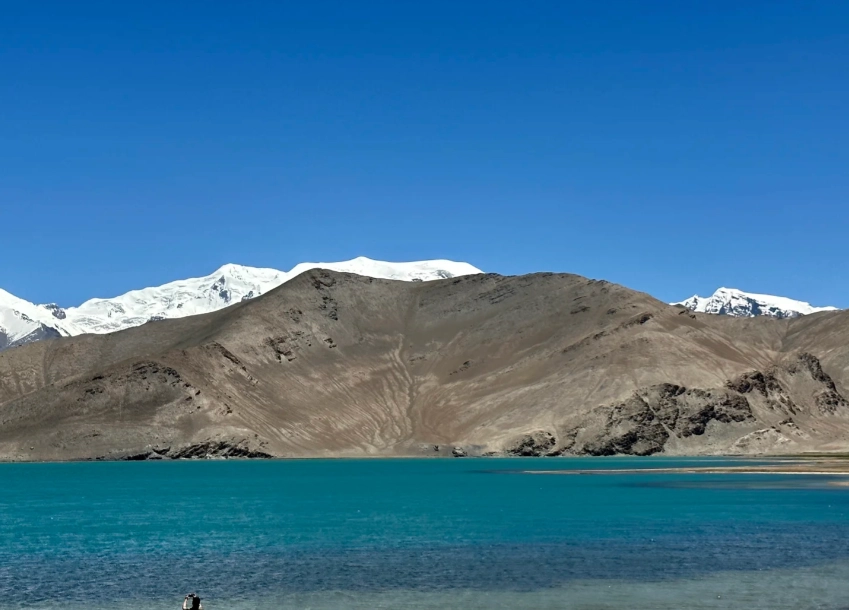
Pro Tip: If you're staying overnight in a yurt, negotiate the price before sunset. The yurts look rustic but are surprisingly comfortable inside. Prices range from 150-300 RMB per bed, but hosts may overcharge if you arrive late. Also, check that the yurt has a coal stove — it can drop below freezing inside at night.





No comments yet.