 Jian Zhao
On This Page
Kashgar hits you with a blast of spice and dust. I've stood in the arrivals hall here dozens of times, watching passengers with "transit visa-free" stamped in their passports rush past the exit door toward the gray minibus back to the airport. They're making a huge mistake. That little 24-hour window gives you enough time to soak up one of the most authentic Silk Road cities left on the planet — if you know exactly what to do. So, if you're on a Kashgar visa-free transit, take a deep breath. You're about to get an experience no airport lounge can offer.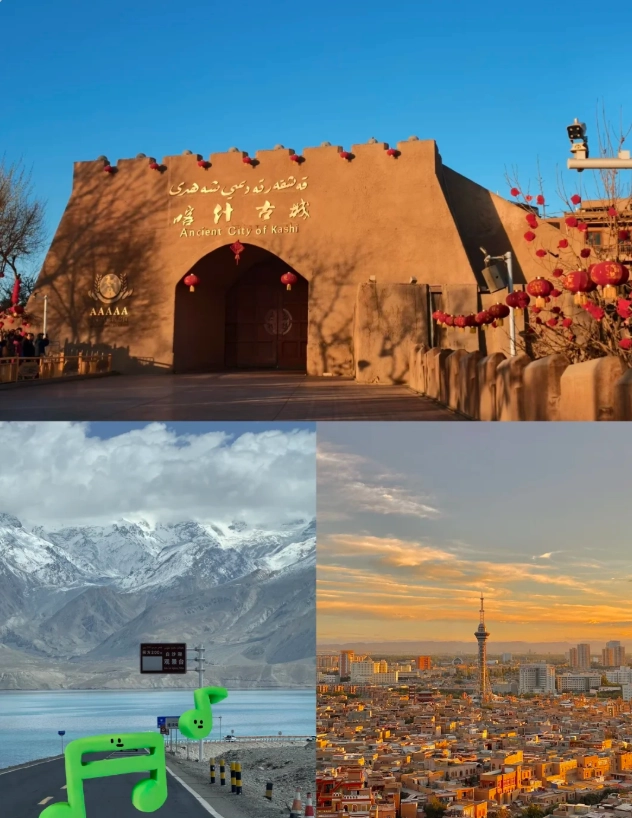
What Exactly Is the Kashgar Visa-Free Transit?
Here's the no-ego version: China's 24-hour visa-free transit is open to all nationalities. No need to pre-apply. You just need a passport, a boarding pass for a flight arriving in Kashgar, and a confirmed onward ticket to a third country within 24 hours. This is not the 144-hour transit you've heard about from Beijing — that's a different beast. Kashgar only has the 24-hour window. So if you've booked a two-day stopover, this article won't help you. You'll need a regular L visa.
For travelers wanting 72 hours, you'll need to transit through Urumqi, which is about two hours away by plane. Kashgar Airport is not currently listed as a port for the longer 72-hour or 144-hour transit exemptions. But the 24-hour rule is universally applicable. Just make sure your onward flight departs within 24 hours of your arrival. If you've got that, you're golden.
How to Use the Visa-Free Transit at Kashgar Airport (Step-by-Step)
Getting out of the airport is easier than you think, but you have to follow a specific flow. Here's exactly what to do:
- Get in the right queue. After disembarking, follow the signs for "Transit Visa-Free" or "Direct Transit" at immigration. There are usually separate counters. If you're not sure, show your onward ticket to a uniformed officer.
- Have your documents ready. You'll need your passport, your arrival boarding pass, and your next boarding pass or e-ticket. Also have a little patience — staff may need to call a supervisor to confirm your transit.
- Fill in the arrival/disembarkation card. They'll hand you a card in both Chinese and English. Fill in your basic info, including your hotel address if you have one. If you don't have a booking yet, just write "Transit" or the airport code.
- Get your passport stamped. Once stamped, you're officially inside! The officer will likely note the time you must leave. It's exactly 24 hours from the moment you landed.
- Collect your luggage carefully. If you booked your entire journey on one ticket, your bags may be checked through automatically. But if you booked separate tickets, you might have to collect and re-check your hold luggage. I learned this the hard way on my first trip — my bag didn't make it and I spent six hours waiting in Terminal 1. So always ask your airline at check-in.
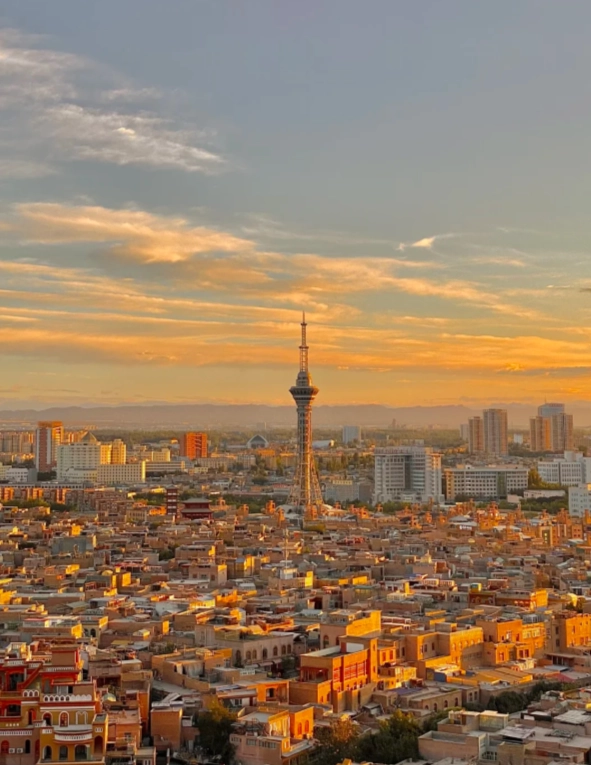
24 Hours in Kashgar: A Concrete Itinerary
So you've got 24 hours. Let's make every hour count. This itinerary is designed to hit the highlights while leaving room for spontaneous detours. I've tested this route with my tour groups, and it's both doable and thoroughly satisfying.
Morning: Breakfast and Old City Walk
Start your day at the Old City (Kashgar Old City) right after a hearty breakfast. I always tell people to go early — around 8:30 to 9. This is when the morning light makes the adobe walls glow, and before tour groups jam the narrow lanes. Grab a table at Uyghur Breakfast House on its main street and order khoordak (a heavy, meaty noodle soup) and a cup of milky tea. It’s the kind of meal that powers a day of walking.
After breakfast, just wander. The Old City is a maze of dirt-floored alleyways, pink ornamental windows, and surprisingly good gallery cafes. Don't bother with a map — you'll get happily lost. But do keep a mental note of the exit you came in from. The main entrances are marked by large wooden gates, and they're all near the Grand Bazaar.
Late Morning: Id Kah Mosque and Its Plaza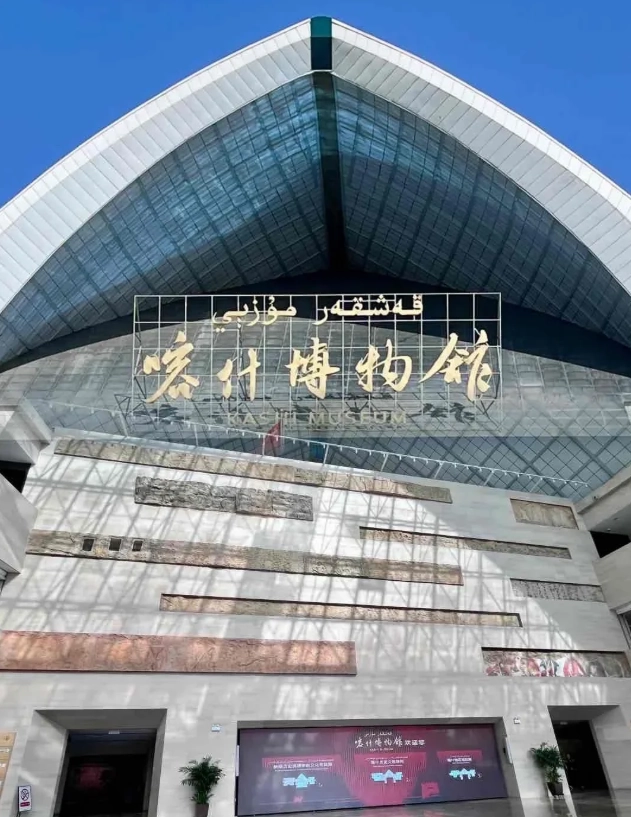
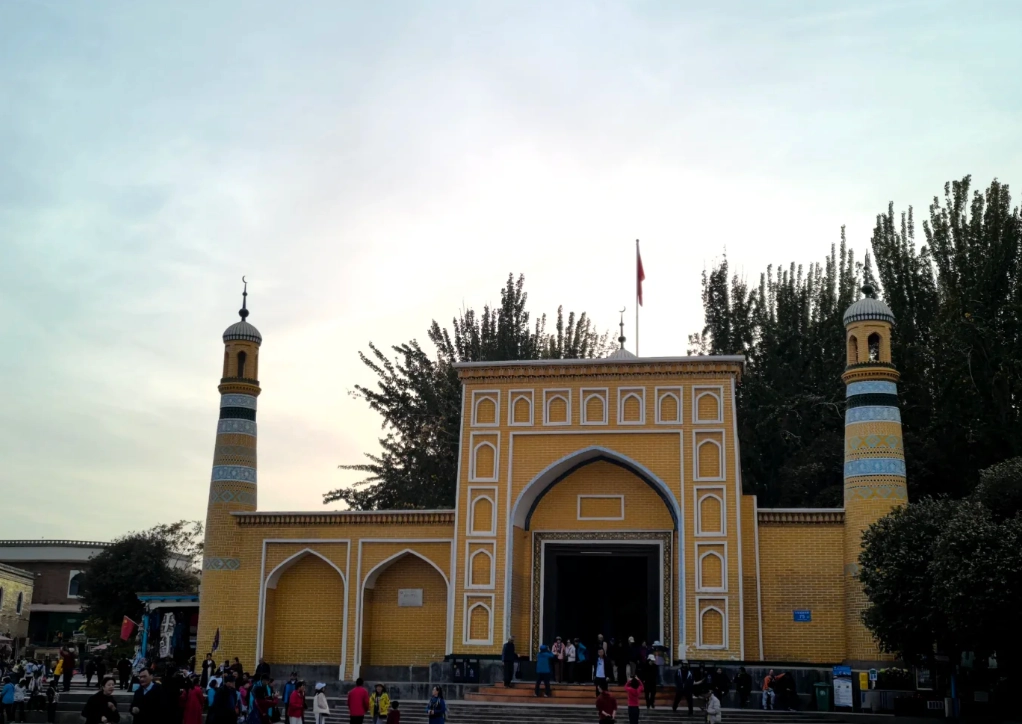
The heart of Kashgar is Id Kah Mosque, the largest mosque in China. From the Old City, it's a 5-minute walk. The ticket office is on the left side of the courtyard. Entry costs around 30 RMB for foreigners, though I've seen prices fluctuate. You don't need to book ahead — just show your passport. The mosque is open from 10 AM to 8 PM in summer, but non-Muslim visitors are only allowed inside the courtyard, not the prayer hall, during the busiest hours. I always bring my groups at 10:30 right after opening to see the courtyard at its quietest.
Right outside, the massive plaza is a great spot to watch local Uyghur men in fur hats negotiate the day's business. There's also a giant watermelons carving station if you're thirsty.
Lunch: A Local Uyghur Restaurant
For lunch, head to Milash, about 5 minutes from the mosque by taxi. This is my all-time favorite spot for laghman (hand-pulled noodles) and samsa (baked lamb buns). The restaurant is a bit run-down, but the hand-pulled noodles are springy and laced with tomatoes and green peppers. A meal for two will set you back about 60-80 RMB. They don't have an English menu, so just point at what you want. I always point at the fried laghman and ask for an extra side of pickled vegetables. It's heaven.
If you're vegetarian, the same restaurant does a decent veggie laghman with the same dough. Just say "sabz" (meaning "green" in Uyghur) and they'll bring it without meat.
Afternoon: Grand Bazaar and Handicrafts Market
The Grand Bazaar is a hive of chaos and color. After lunch, dive into the bazaar's endless stalls. You'll find everything from embroidered caps to copper teapots. Don't be shy to bargain — start at half the asking price. But here's a tip: the best deals are often at the far end of the bazaar where tourists rarely go. The main entrance is crowded with souvenir shops; walk past them. Buy small stuff like dried apricots or tea, but skip the carpets unless you're prepared to negotiate seriously.
The bazaar closes around 7 PM in summer, so plan your shopping for the early hours.
Evening: Sunset at the Old City Walls
As evening falls, make your way back to the western edge of the Old City. There's a stretch of old city wall near the Tashkurgan Gate that catches the sunset beautifully. By 7 PM, the touts have gone and local families come out to stroll. You'll hear the call to prayer drifting from the mosque. It's one of those moments that makes you forget you're waiting for a connecting flight.
For dinner, try Sabak restaurant (yes, it's the same family as the breakfast spot) on the main Old City street. Their grilled mutton skewers are smoky and juicy — always a hit with my clients. A skewer costs about 12 RMB. Go around 8:30 PM, but be aware the place gets busy with locals, so you might wait 15 minutes.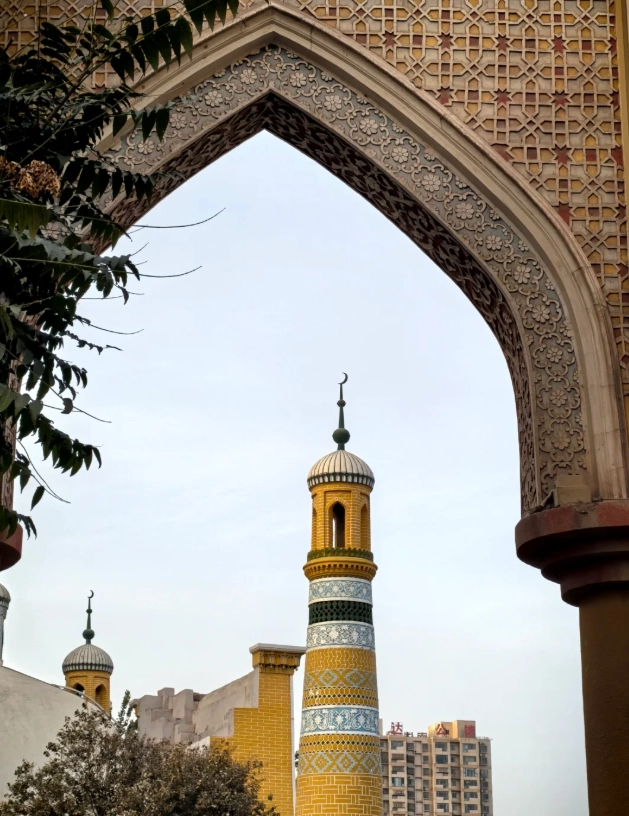
Night: Back to the Airport
You should leave Kashgar city for the airport at least 3 hours before your international flight. Traffic can be unpredictable, and there are security checks at the airport entrance. The drive takes about 20 minutes by taxi and costs 30-40 RMB. If you're flying out at 6 AM, you might find the airport empty, but still give yourself that buffer. Don't forget to carry the same passport with the visa-free stamp — you'll need it to pass through departure immigration.
Money, Wi-Fi, and Getting Around in Kashgar
You can survive in Kashgar with minimal tech, but a few apps will save you from classic headaches. Let me break down the essentials.
Payment: Cash Still Works
Cash is king in Kashgar. While big cities have gone fully cashless, Kashgar still operates on a mix. Most restaurants and shops accept WeChat Pay and Alipay if you've linked your international card (which is easy now). But you'll still find stalls that only take cash. Withdraw some yuan from an ATM at the airport before you leave. ATMs are available in the arrivals hall, near the currency exchange booth. Exchange rates vary, so I recommend withdrawing around 300-500 RMB for a day — you'll likely spend less, but it's safe.
For taxis, always carry small bills. Many drivers will claim they don't have change for a 100 RMB bill (trust me, it's a classic trick). If you only have big bills, buy a bottle of water at a shop to break them.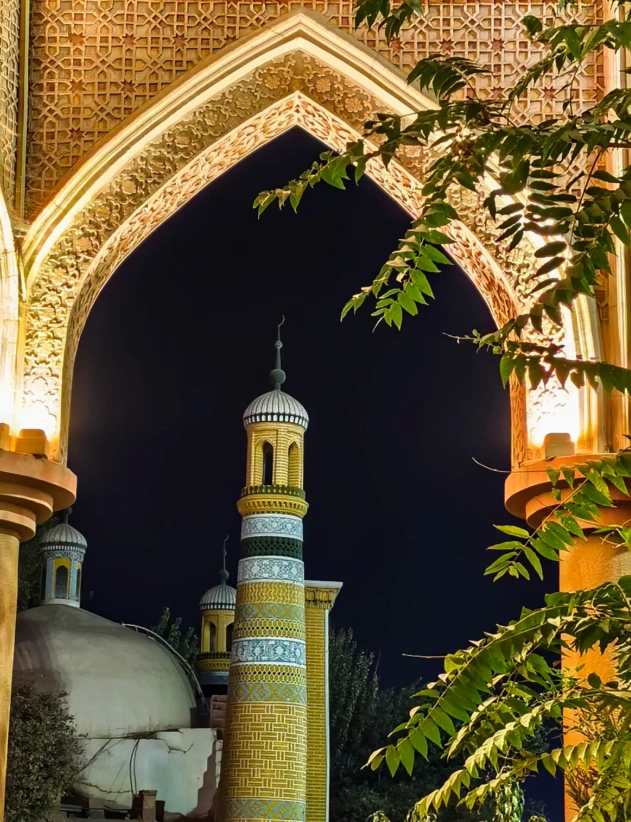
Navigation: Ditch Google Maps
Google Maps is useless here—it simply doesn't show accurate data in China. Use Apple Maps or Baidu Maps with English support (though it's still patchy). For a more reliable experience, download Gaode Maps (Amap), which has an English version called Amap Global — download it from the App Store before you arrive. Set your language to English and search for "Id Kah Mosque" — it'll work. If you're stuck, just show the taxi driver the Chinese name: 艾提尕尔清真寺 (Ài tí gǎ ěr qīng zhēn sì). I always keep a list of all my destinations in Chinese characters on my phone.
VPN and Internet: Be Prepared
You'll need a VPN to access most international sites, including Google, WhatsApp, and Facebook. China's Great Firewall blocks them. The airport and most hotels have Wi-Fi, but it may not work with international apps without a VPN. Install a reliable VPN on your phone and laptop, and set it up at home before traveling. Many travelers recommend ExpressVPN or NordVPN. Also, download an offline translation app like Microsoft Translator or use Apple's built-in Translate with Chinese downloaded.
Getting Around: Taxis and Didi
Taxis are metered, but be firm. At the airport, you may be approached by drivers offering a flat fare. Insist on the meter. The ride to the Old City should be 30-40 RMB. You can also use Didi (Chinese equivalent of Uber), but the app is in Chinese and international cards may not be accepted. I've found that hailing a taxi works best. Greet the driver politely and show your destination in Chinese. Most taxi drivers in Kashgar have limited English.
| Transport | Time | Cost (RMB) | Best For |
|---|---|---|---|
| Taxi | 20-25 min | 30-40 | Most travelers, luggage |
| Didi ride-hailing | 25 min | 25-35 | Tech-savvy visitors |
| Airport shuttle bus | 30-40 min | 10 | Budget travelers |
Of the three, I always recommend a metered taxi for the convenience. The shuttle bus is slower and not always available for international arrivals.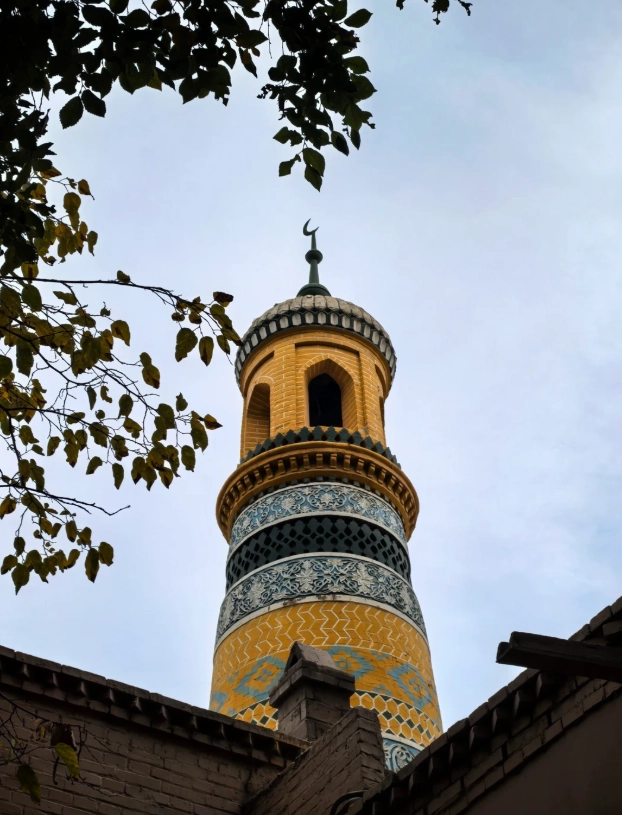
Dos and Don'ts for Your Kashgar Transit
These are the ground rules I give every traveler before they hit the city.
Do
- Do keep your passport on you at all times. Kashgar has random security checkpoints, especially near the Old City gates. Hotel and restaurant staff may also ask for passport details.
- Do book your hotel in advance. For a 24-hour transit, you might think about just staying near the airport, but the city is so close. I recommend staying in the Old City area—look for guesthouses like Garden Hotel or Kashgar House—for easy access to everything.
- Do ask your hotel for a free map. Many guesthouses have hand-drawn, English-friendly maps of the Old City, with all the key spots marked.
Don't
- Don't hand over your passport to anyone unofficial. Police officers may ask to see it, but they won't keep it. If someone tries to hold it "for security," they should give it back immediately.
- Don't fall for the "friendship coins" trick. Scammers in the Bazaar might offer you a "free" trinket, then demand payment. Politely decline.
- Don't try to cross into any restricted border zones. Kashgar is close to the border with Pakistan and Afghanistan, and those areas require special permits. Stick to the Old City and main tourist spots.
- Don't overpack your day. Walking over 15,000 steps in the Old City can be exhausting. Remember, you have a flight to catch—pace yourself.







No comments yet.