 Hong Ma
Quick Guide to What’s Ahead:
- Why Kashgar Old Town Photography Spots Are Unmissable
- Top 7 Kashgar Old Town Photography Spots to Try
- What Is the Best Time for Kashgar Old Town Photography?
- How to Handle Payments, Navigation, and Permits in Kashgar Old Town?
- How to Photograph Locals Respectfully in Kashgar Old Town?
- Frequently Asked Questions About Kashgar Old Town Photography
- My Final Word
Let me paint you a scene. It’s 8:00 AM, and the sun is just peeking over the minarets of Kashgar Old Town. The alleys are still half in shadow, and the smell of fresh naan bread drifts from a nearby oven. This is the moment every photographer dreams of—and the one most people miss. Here’s the blunt truth: the famous East Gate is a tourist trap at noon. The real Kashgar Old Town photography spots hide behind closed doors, in courtyards where kids play and old men sip tea. In this guide, I’ll show you exactly where to stand, when to click, and how to skip the crowds. I’ve spent a decade living in Xinjiang and leading photo tours; this is the advice I give to my friends.
Now, before we dive into the list, let me save you some money and frustration. The old town itself is free to enter, but some individual sites like the Id Kah Mosque charge around 20 yuan. And for foreigners, you may need to show your passport at the main entrance for registration. That’s it. No expensive ticket, no prepaid tour. Just bring your camera and your curiosity.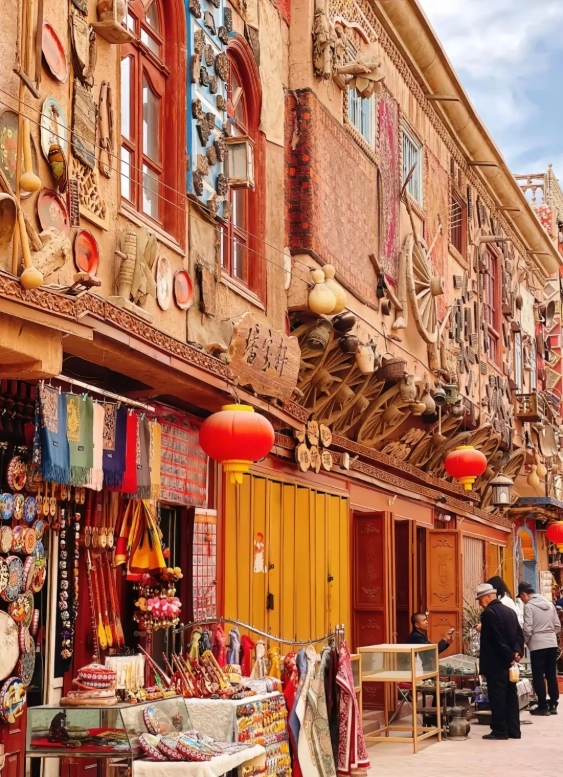
Why Kashgar Old Town Photography Spots Are Unmissable
Kashgar Old Town isn’t just a collection of mud-brick houses; it’s a living museum of Uyghur culture. The maze-like alleys are lined with intricately carved wooden balconies, turquoise-tiled mosques, and vibrantly painted doorways. Every corner offers a new frame: a child peeking from a doorway, an elderly man weaving a rug, or a woman hanging red peppers on a rooftop. The warm, honey-colored walls change color with the sun, creating dramatic contrasts that are a godsend for any photographer.
What sets Kashgar apart from other ancient cities in China is the lack of commercialization in the back alleys. While the main bazaar is busy, the residential lanes are quiet, authentic, and perfect for candid shots. In my experience, the best photos come from just wandering and letting the light guide you.
Top 7 Kashgar Old Town Photography Spots to Try
After years of exploring, here are my personal favorite locations. Remember, these aren’t marked on tourist maps—you were never meant to find them all. I’ll give you rough directions, but half the fun is getting lost.
1. The East Gate & the Flanking Ramp
The East Gate is the dramatic entrance you’ve seen on Instagram, but it’s best at sunrise, not midday. Arrive just after 7:00 AM to catch the low golden light on the city walls. At this hour, the tourist groups haven’t arrived, and you can frame the massive gate with an empty plaza. From the top of the ramp, you can also shoot down the ancient streets that radiate outward. If you stay until 10 AM, you’ll see the morning market set up—perfect for street photography.
2. The Id Kah Mosque Courtyard
This is the largest mosque in China, and its central courtyard is a photographer’s dream—but you need to be respectful. Non-Muslims can enter outside prayer times for about 20 yuan. I recommend visiting at 10 AM when the light streams through the courtyard gates, casting long shadows on the patterned tiles. Shoot the ornate minaret, the wooden pillars, and the faithful performing ablution (from a distance, of course). The square in front of the mosque is also buzzy with pigeon sellers and tea houses.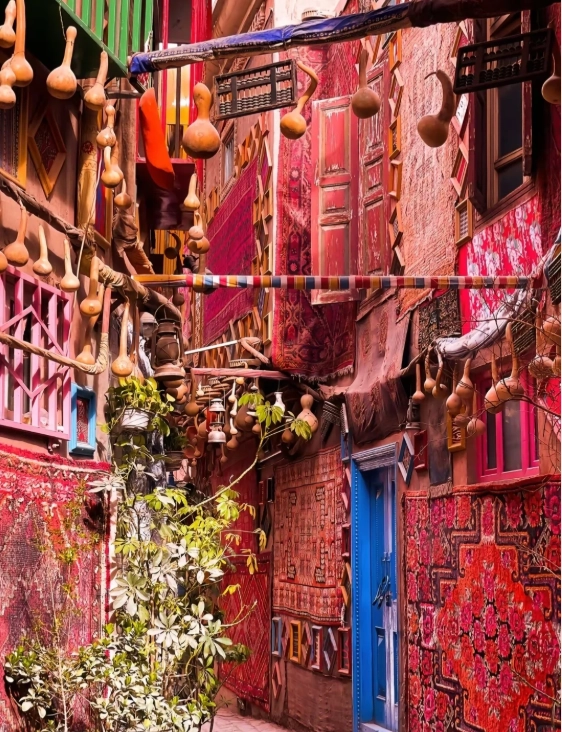
3. The Carpet & Textile Lane
Look for a narrow alley off the main bazaar that smells of wool and dye—this is where carpet weaving happens. Here, you can photograph the artisans as they knot intricate rugs. The lane is covered, so the light is soft and diffused all day. I love shooting the threads and the hands—the details that tell a story. Remember to ask before sticking your lens into someone’s workshop. A simple smile and pointing at your camera usually gets a nod.
4. The Rooftop Viewpoint near the West Wall
If you can find the stairway to a rooftop tea house at the western edge of the old town, you’ll get a panoramic view of the entire city. The tea house has a flat roof with cushions, and for the price of a pot of black tea (about 15 yuan), you can sit and watch the sunset paint the sky in orange and pink. From this height, the minarets and the distant Pamir Mountains create a once-in-a-lifetime backdrop. Go around 5 PM, claim your spot, and wait for the magic hour.
5. The Hidden Courtyard of the Silversmiths
On the south side of the old town, there’s a courtyard where several silversmiths have their open-air forges. The metallic clanking and the glow of the flames make for dramatic shots. I was surprised to find that the artisans are actually happy to be photographed—they’re proud of their craft. The best time is late afternoon when the forge fires light up the faces. You can buy a silver ring as a thank-you, but it’s not required.
6. The Morning Bread Stalls on the Main Axis
Get up early and head to the central avenue that runs from the East Gate to the mosque. Around 8 AM, the bread stalls set up huge clay ovens, and the scent of tandoori naan fills the air. The bakers pull glistening rounds of bread from the walls of the oven, and the steam creates a dreamy atmosphere. Use a fast lens to freeze the action. This is one of the few places where you can capture real hustle without being intrusive—the bakers are too busy to notice you.
7. The Quiet Alley near the Water Fountain
Ask a local for “the place with the old fountain” and follow the sound of water. It’s a simple stone fountain in a residential square, but the surrounding architecture is gorgeous—tiered balconies and arches wrapped with vines. In the late afternoon, kids flock to the fountain to play, and the golden reflections on the water make for magical silhouette shots. This is my personal secret spot; I’ve had some of my best portraits there.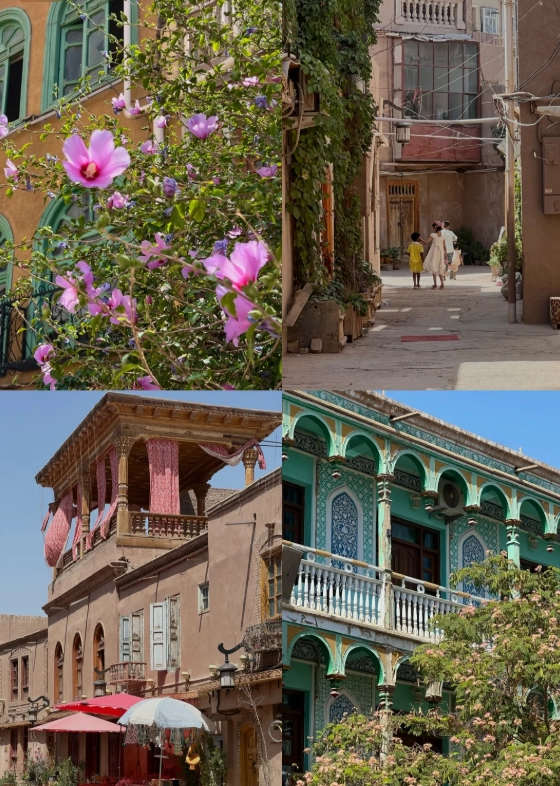
Now, let me add a quick comparison table to help you plan your route:
| Spot | Best Time | Entry Fee | Crowd Level | Difficulty to Find |
|---|---|---|---|---|
| East Gate | Sunrise (7-9 AM) | Free | Moderate early, heavy later | Easy |
| Id Kah Mosque | 10-11 AM | ~20 CNY | Heavy | Easy |
| Carpet Lane | Any time | Free | Low | Moderate (ask for bazaar) |
| Rooftop Viewpoint | Sunset (5-7 PM) | Free with tea purchase | Moderate | Hard (ask for tea house) |
| Silversmith Courtyard | Late afternoon | Free | Low | Moderate |
| Bread Stalls | Morning 8-9 AM | Free | High but transient | Easy |
| Quiet Fountain | Late afternoon | Free | Low | Hard (ask locals) |
What Is the Best Time for Kashgar Old Town Photography?
In my experience, the two golden windows are 07:00-09:00 and 17:00-20:00. The morning light is soft and directional, and the streets are empty. The evening light brings out the amber tones of the walls, and the temperature is pleasant for walking. Midday sun is harsh, creating deep shadows and blowing out highlights. If you can schedule a midday break, do it.
Seasonally, April to June and September to October are unbeatable. The weather is mild (15-25°C), and the sky is clear. July and August are hot and dusty, while November to March can be chilly but the snow-capped mountains in the background are stunning. For photographers, the winter months (Dec-Feb) offer a unique chance to capture heat haze and the contrast of snow on the clay roofs.
One tip I always share: shoot in RAW and expose for the highlights—the old town’s deep shadows can fool your camera’s meter. Also, bring a wide-angle lens for the alleys and a 50mm prime for portraits.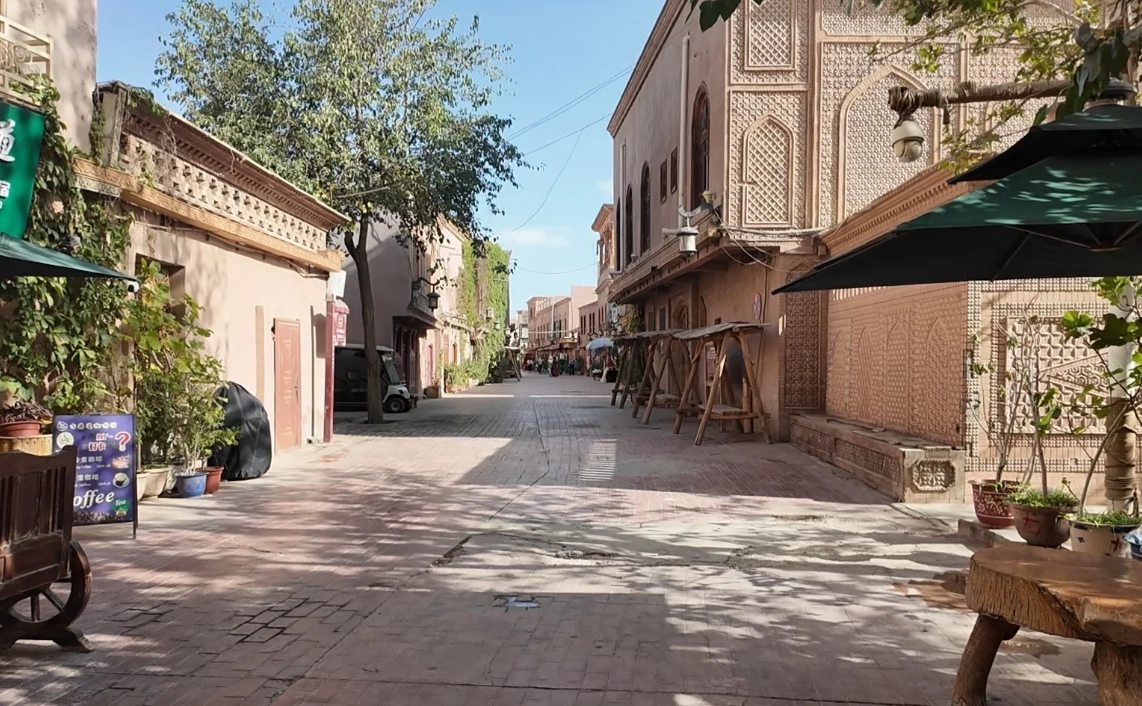
How to Handle Payments, Navigation, and Permits in Kashgar Old Town?
Payments: Cash Is Still King in the Back Alleys
While the main tourist shops accept Alipay and WeChat, the tiny stalls and family workshops often only take cash. I always carry about 500 CNY in small bills. You can withdraw from ATMs at the old town entrance or the nearby bank. Don’t rely on international credit cards—most places won’t accept them. For your mobile wallet, ensure your Alipay or WeChat Pay is linked to an international card and set to “Mainland China” mode.
Navigation: Forget Google Maps, Use These
Google Maps is unusable in China, so download either AMap (AutoNavi) or Apple Maps before you arrive. AMap has an English version now, and it’s much more accurate for local lanes. For offline use, open the map and download the Kashgar region while on Wi-Fi. When you get lost (and you will), just ask for “Kona Sheher” (old city in Uyghur) and show the address in Chinese on your phone: 喀什古城. Taxi drivers will know it immediately.
Permits and Security
No special photography permit is required for the old town itself, but you should bring your passport. Locals are used to visitors, but security checkpoints at the main entrances may ask for ID. If you plan to photograph inside the Id Kah Mosque, you’ll need to purchase a ticket and adhere to the dress code. Drones are heavily regulated in Xinjiang—do not fly one anywhere near the city without a prior permit from the local police. I’ve seen tourists have their drones confiscated. Don’t let that be you.
Internet & Translation
Almost all foreign SIM cards won’t work in China, so get a travel eSIM or a local hotspot before arrival. Install a VPN on your phone and laptop—you’ll need it to access Google, Instagram, and Facebook. For translation, use Apple’s Translate app or Baidu Translate; both work offline with downloaded language packs. Also, learn a few Uyghur phrases, like “Salamaleikum” (hello) and “Rahmat” (thank you). It breaks the ice and opens many doors.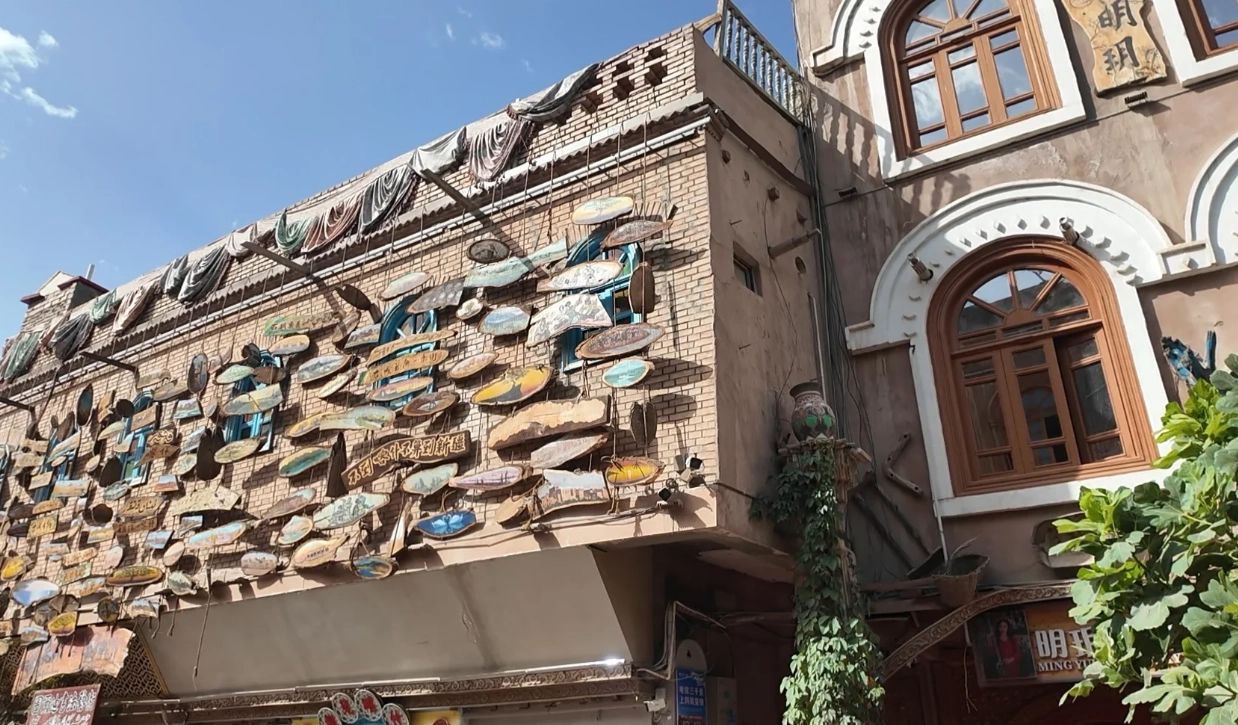
How to Photograph Locals Respectfully in Kashgar Old Town?
The golden rule is to ask permission before photographing a person, especially women. In Uyghur culture, pointing a camera without consent is rude. Use a smile, a nod, or simply say “suret” (photo in Uyghur). Most locals will either politely refuse or proudly pose. If they decline, just respect it and move on. Don’t photograph children without asking their parents first. And avoid taking photos of people inside the mosque during worship. I always recommend learning three words in Uyghur: “Salamaleikum” (hello), “Rahmat” (thank you), and “Suret” (photo). It opens doors.
Another thing: don’t give money after taking a photograph unless you’ve arranged it in advance. It creates expectations and can make portrait sessions feel transactional. Instead, buy something from their shop or share the photo on social media if they ask.
Frequently Asked Questions About Kashgar Old Town Photography
My Final Word
Kashgar Old Town is, without a doubt, one of the most photogenic places in Central Asia. But the magic isn’t in the postcard spots—it’s in the moments you discover by slowing down. Give yourself at least two days to wander. Talk to the people. Let the light lead you.
I’ve watched hundreds of photographers fall in love with this city, and I hope that with the tips in this guide, you’ll capture something that feels truly yours. If you have any questions, drop me a comment below—I’m always happy to help fellow shutterbugs.
Verified and fact-checked by the editorial team.





No comments yet.