 Hong Ma
Jump to a Section
I still remember leading a small group through Kashgar Old Town in early June. The air smelled of freshly baked naan and sun-warmed apricots. We walked slowly, dodging a guy on a bike carrying a tower of quilts. Then, near the main square, a man stopped us and offered a cup of pomegranate juice — no charge, just to welcome us. That moment sums up what Kashgar can feel like at the right time.
If you're looking for the best time to visit Kashgar Old Town, you've probably noticed that most online advice is either too vague or written without actually standing in the baking sun at 2 PM. I've been there dozens of times, with clients from all over the world. And the truth is, timing makes or breaks your visit.
So here's the bottom line: plan your trip for late spring (late April to June) or early autumn (mid-September to late October). The absolute sweet spot is the second half of May and the first half of September — warm days, cool evenings, and the crowds haven't hit their peak. Now let me break down exactly why.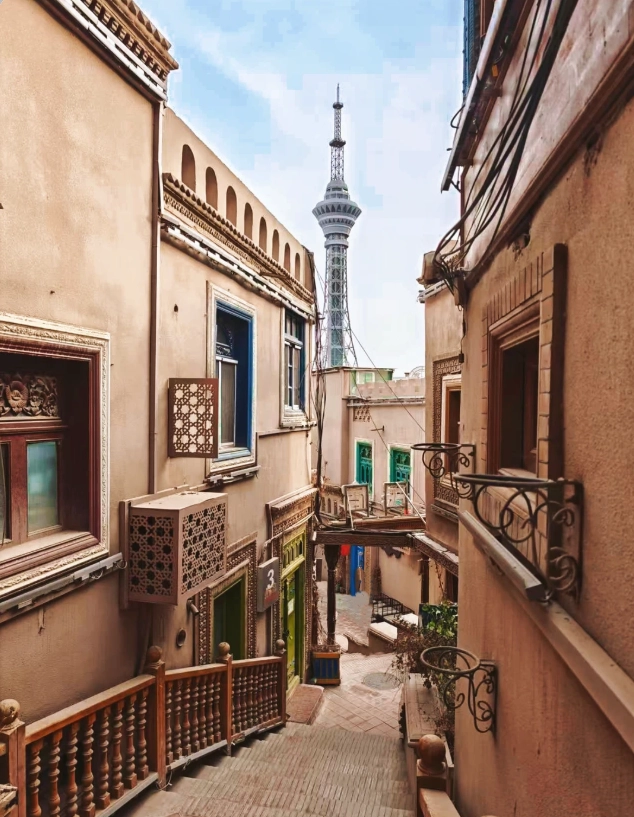
Why Timing Matters in Kashgar Old Town
Kashgar Old Town is not like a museum you can walk through in 30 minutes. It's a living maze of alleys, mosques, workshops, and homes. You'll want to wander, sit down for tea, and watch the sunset from a rooftop. That requires comfortable weather and a pace that isn't dictated by your sweat wiping.
The summer heat here is real. In July and August, daytime temperatures can easily exceed 35°C, and the sun is relentless. The old town's narrow alleys trap heat, making it feel even hotter. I've seen tourists rush through just to get back to air conditioning, which is a waste of this amazing place.
On the other hand, winter (December to February) can be bitterly cold, especially in the evenings. The old town doesn't have heating in many public areas, so you'll be shivering while trying to enjoy the architecture.
Also, the light changes the mood. Late afternoon and early morning give you golden light that makes the mud-brick walls glow. At noon, the flat light flattens everything and shadows are harsh.
So, timing matters for your physical comfort, your experience, and your photos.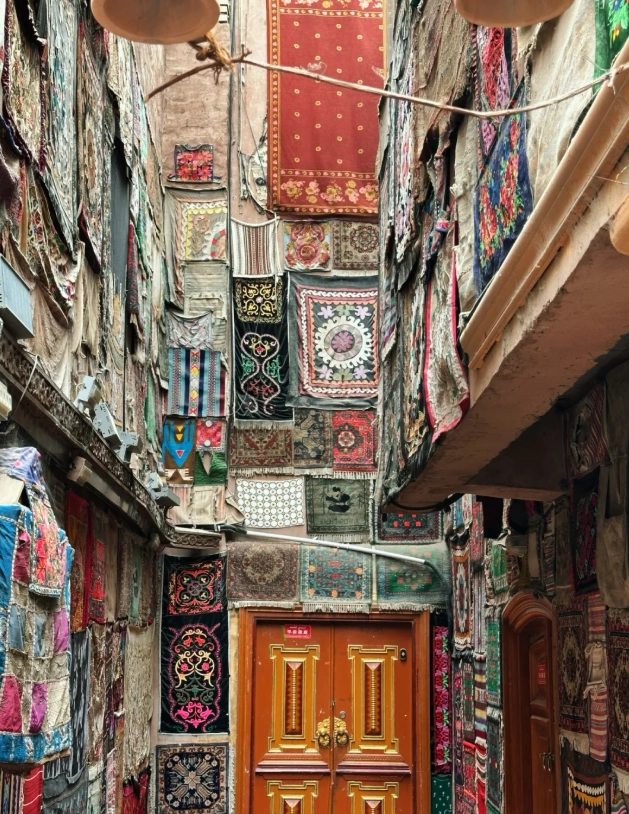
Month-by-Month Breakdown for Kashgar Old Town
I'll walk you through the four seasons and what to expect. If you want the quick answer, jump to the summary table below.
Spring (April – June)
Spring is the sweetest time to explore Kashgar Old Town — temperatures are pleasant, and the season brings a fresh vibe after the cold winter. April can still have chilly mornings, and by June it's warming up nicely. Little rain falls, but the occasional wind can kick up dust. The best part? The apricot blossoms bloom in early spring, and the markets start overflowing with fresh produce. I usually recommend bringing a light jacket for mornings and evenings, and comfortable layers for the day.
Summer (July – August)
Summer is intense — I'll be honest, it can be scorching. The old town's narrow lanes create an oven effect, and the lack of shade in open areas makes mid-day exploring tough. That said, summer brings a special energy. The watermelon stalls are everywhere, and the nights stay warm enough for long rooftop dinners. If you're only free in summer, plan your walks for early morning (before 10 AM) and late evening (after 6 PM), and take a long lunch break under some shade or in a café. Don't think about a midday stroll — you'll just end up exhausted.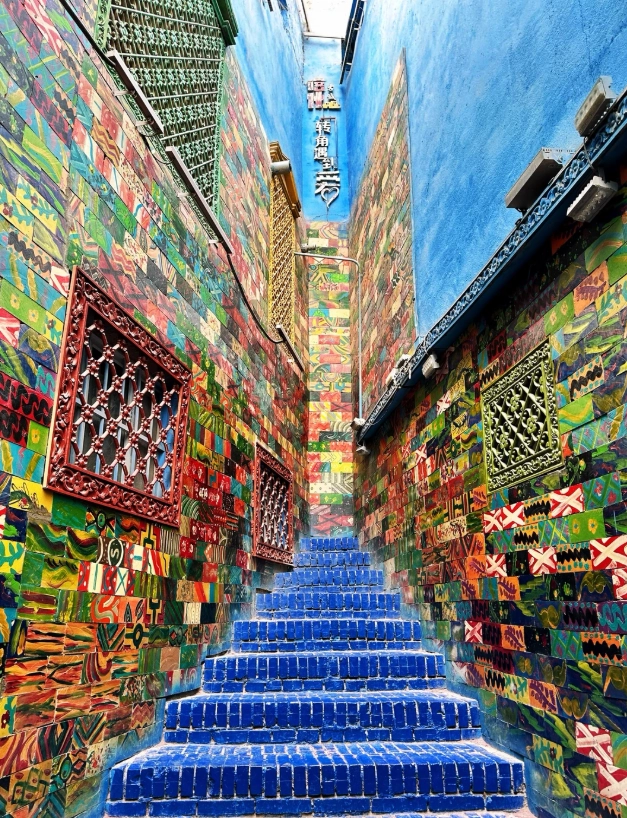
Autumn (September – October)
Autumn is the other ideal window. From mid-September to late October, the temperature drops to a comfortable level, and the light turns golden. The harvest season fills the streets with pomegranates, figs, and apples. Early October can still be busy because of the Chinese National Day holiday, so if you can, aim for late September or late October. I love this season for photography — the low sun really makes the old town's hand-carved doors pop.
Winter (November – March)
Winter is for true fans of quiet and cold. From December to February, daytime temperatures hover around freezing or just below, and at night they can drop well below zero. The old town looks like a black-and-white movie — mud-brick walls against a pale sky. Some guesthouses close, but the ones with heating still operate. If you don't mind bundling up, this can be a magical time with almost no tourists. Just be ready for icy conditions and limited opening hours at some attractions.
Kashgar Old Town Seasonal Summary
| Season | Weather | Crowds | Prices | Overall Verdict |
|---|---|---|---|---|
| Spring (Apr–Jun) | Mild, dry | Moderate | Moderate | Excellent — my top pick |
| Summer (Jul–Aug) | Very hot | Heavy on weekends | Peak season rates | Possible if you manage the heat |
| Autumn (Sep–Oct) | Pleasant, warm days | High during National Day | High around early Oct | Great from late Sep onward |
| Winter (Nov–Mar) | Cold, dry | Low | Cheap | For the adventurous |
What Is the Best Time to Visit Kashgar Old Town for Good Weather?
If your top priority is avoiding extreme heat and cold, the answer is clear: target the calendars between April and June, and again from mid-September to late October.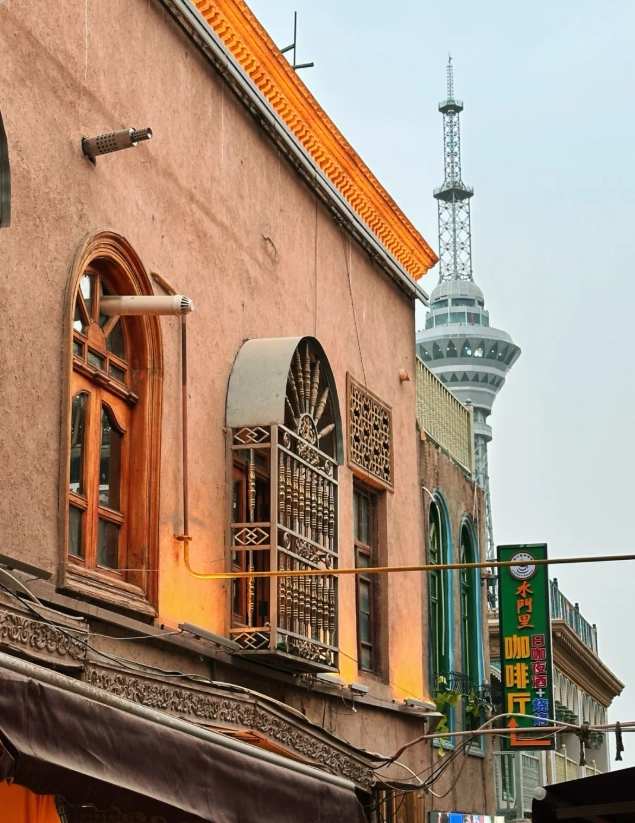
Specifically, my favorite windows are May 15 to June 10 and September 10 to October 5. During these periods, the daytime high typically stays in a comfortable range — warm but not oppressive — and the evenings cool down just enough to make walking enjoyable. Rain is rare, so you won't have to cancel an outdoor lunch because of a downpour.
One thing that surprises many visitors: the sun is intense even when the air is cool. The thin, dry air at this altitude (Kashgar sits at about 1,290 meters) means UV rays are strong. Always wear sunscreen and a hat, regardless of the season. I learned this the hard way — I got a sunburn in March.
How Can You Avoid Crowds at Kashgar Old Town?
Crowds in Kashgar Old Town are not like the Great Wall on a summer holiday, but they do peak at predictable times. The hardest parts are the Chinese public holidays: the May Day holiday (around May 1) and the National Day holiday (October 1–7). During these weeks, domestic tourists fill every alley, and the popular tea houses become standing-room only.
Also, expect busy days on Fridays, when the Id Kah Mosque holds midday prayers. The area around the mosque gets dense from about noon to 2 PM, and some routes may feel blocked by worshippers. I usually steer my groups away from the main mosque entrance during those hours and start exploring after 2:30 PM.
Here is my crowd-avoidance checklist:
- Aim for weekdays — Tuesday through Thursday are the quietest.
- Start your day early — enter the old town before 9 AM to see the morning market come alive.
- Skip the main tourist entrance. That big archway on the east side is always packed. Instead, have your taxi or ride-hailing driver take you to a side street on the north or west — you'll save time and enter a more residential scene.
- In summer, the evening hours (7–10 PM) are both cooler and quieter, though some shops close by 9.
One more insider tip: if you want a nearly empty old town, come during the last weekend of October. The tourist rush has died down, the days are still pleasant, and the light is fantastic. I've had whole streets almost to myself.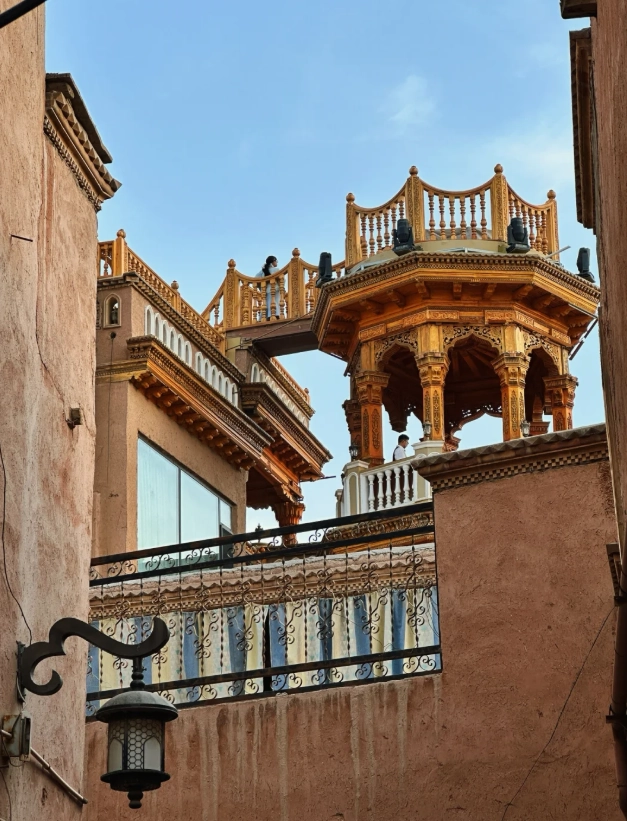
Are There Festivals in Kashgar Old Town Worth Planning Around?
Two major Islamic festivals matter for your visit: Eid al-Fitr (Ramadan ending) and Eid al-Adha. These dates shift each year, so always check the current Islamic calendar before booking.
During these festivals, the old town bursts with activity — decorations, street food, and communal prayers. But here's the catch: many shops and some guesthouses may close for one or two days, and public transport can be packed. If you're not Muslim, you're still welcome to observe and enjoy the festivities, but don't expect to shop much on the first day.
Also, the Kashgar area celebrates No Ruz (spring equinox) — a traditional Turkic new year festival around March 21. It's a local cultural event with horse games and feasts, though it's not as widely publicized. I once wandered in during No Ruz and ended up being invited to a family lunch — one of my favorite memories.
If your goal is to see traditional performances, check the old town's official schedule for “floating performance” events that happen in the summer evenings. But honestly, during peak tourist season these can be overcrowded. My advice: don't plan your entire trip around a festival unless you're willing to accept some commercial disruption.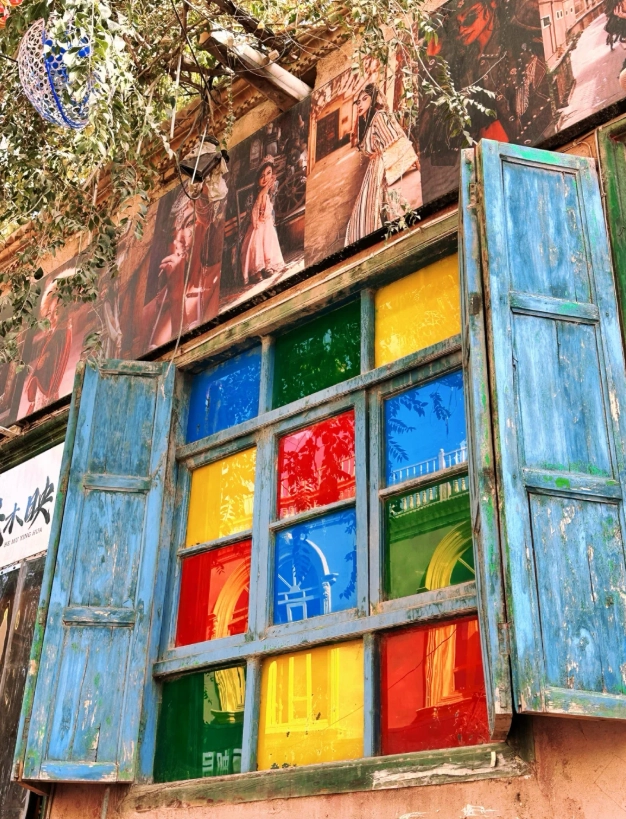
Practical Tips for Every Season in Kashgar Old Town
Before you go, let me save you from the rookie mistakes. I group these into three areas: money, navigation, and booking.
Money and Payment
International credit cards won't work in most shops and restaurants. You'll need Alipay or WeChat Pay linked to your foreign card (it's now possible for visitors). Bring some cash as a backup — the old town money exchange sits by the main entrance, but it may not accept random currencies. I recommend carrying 200-400 RMB in small bills for street snacks and toilet fees (yes, some public toilets charge 1-2 yuan).
Pro Tip: Always carry a small packet of tissues and some wet wipes. Public toilets in the old town rarely have toilet paper, especially in summer when it's humid.
Getting Around and Navigation
Forget Google Maps — it's unreliable inside China. Use Apple Maps or download AMap Global (the English version of Gaode Maps) before you arrive. Both work in English and handle Chinese place names well. If you're using a ride-hailing app like Didi, install it and link your international payment. Always have the Chinese name for your destination written out — “喀什古城” — to show your driver. It'll save you ten minutes of confusion.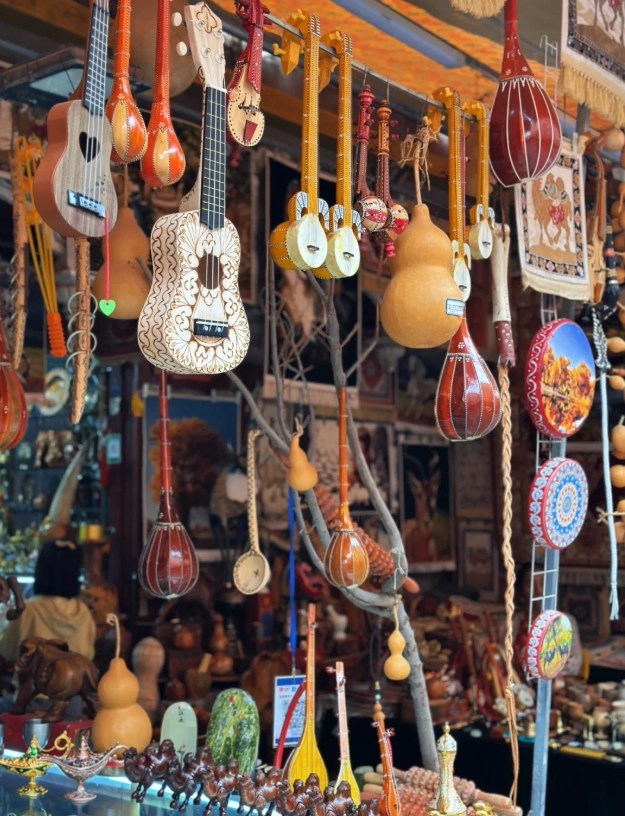
Booking and Reservations
You'll need your passport for just about anything official. Most attractions require real-name registration with your passport number. If you can't handle the Chinese-only booking apps, I often use Trip.com or Klook for train tickets, tours, and some entry tickets. For the Id Kah Mosque (which charges a small fee), you can usually just show up with your passport during operating hours, but check the latest rules online.
Also, stay connected. Foreign phone numbers need a VPN to access Google and other sites, so set it up before you land. Download an offline translation app like Apple Translate or Baidu's app — not every shop owner speaks Mandarin, let alone English.
Season-Specific Gear
Don't pack like you're going to Beijing. Xinjiang's climate is extreme.
- Spring: light layers + a windbreaker
- Summer: light, breathable clothes + a hat + sunscreen
- Autumn: a cozy mid-layer for mornings and evenings
- Winter: heavy down jacket + thermal underwear + a good pair of boots
Always carry a reusable water bottle — hydration is no joke, especially at this altitude.
A Sample 24-Hour Itinerary in Kashgar Old Town
Let me give you a realistic day, based on the ideal timing (late May or September).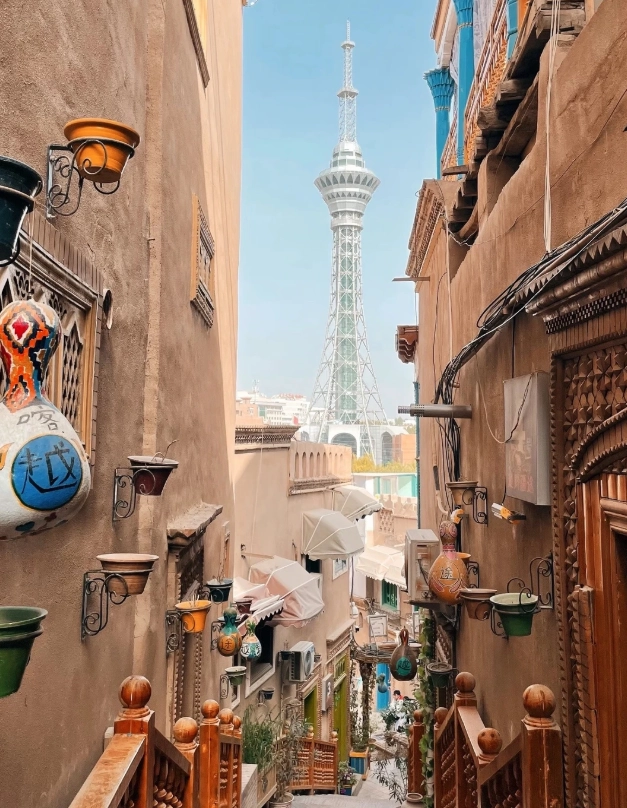
Morning: Beat the Heat and the Crowds
Start at 8:00 AM near the old town's east side, but don't enter through the main gate.
- Follow the quieter lanes north to see bakers pulling naan from barrel ovens.
- By 9:30, reach the Id Kah Mosque square — it's calmer before Friday prayers.
- Grab a bowl of local porridge at a small eatery, and chase it with the best milk tea in the area (look for the place with stools outside).
- Pro tip: the best photo spots are the alleys parallel to the main street, not the main drag itself.
At noon, break for lunch — and a well-deserved rest.
Afternoon: Explore the Western Side
From 4 PM onwards, head to the western old town.
- Visit the handmade copper workshop street and the wood carving lanes.
- The light will be warm and golden by 5:30, perfect for alley photography.
- Don't miss the small museum inside an old merchant house — ask any local to point you towards it.
Evening: Dinner and the Night Market
Wrap up your day with a sunset view from the city wall near the old town's south edge.
- Then dive into the night market that sets up along the main street after 7 PM.
- Sample lamb skewers, grilled naan with cheese, and the famous Kashgar “Shougou” (hand-pulled noodles).
- Find the dessert stall with the longest queue — the apricot yogurt is a winner.
This itinerary is deliberately paced. If you have more time, add a side trip to the Sunday Livestock Market (Haitana Bazaar) — but that requires an early start and a packed car. For a 24-hour visit, this plan hits everything without turning you into a tour zombie.
Key Questions About Visiting Kashgar Old Town
Verified and fact-checked by the editorial team.





No comments yet.