 Peng Gao
- Is Kashgar Safe for Tourists?
- Payment Scams and Cash Rules
- Navigate Without Getting Lost
- Book Attractions and Tours Safely
- Language, VPN, and Connectivity
- Old City Safety: Crowds and Etiquette
- Sunday Animal Market Safety Guide
- Food and Drink Safety
- Taxi and Ride-Hailing Safety
- Health and Emergency Numbers
- Dress Code and Cultural Respect
- Kashgar Safety FAQs
Nobody warns you about the carpet. The “free tea” in Kashgar’s ancient alleys is a classic script — a handshake, a smile, then a price tag that makes you gasp.
I have guided over 60 groups through these streets, and I can tell you Kashgar is safe. But your wallet is not transparent. Your foreign credit card is useless at most stalls, Google Maps is a liar, and the “helpful” stranger near the Id Kah Mosque might just be your worst expense.
The single most important Kashgar safety tip is this: carry 500 yuan in small bills, download AMap Global, and memorize the number 110.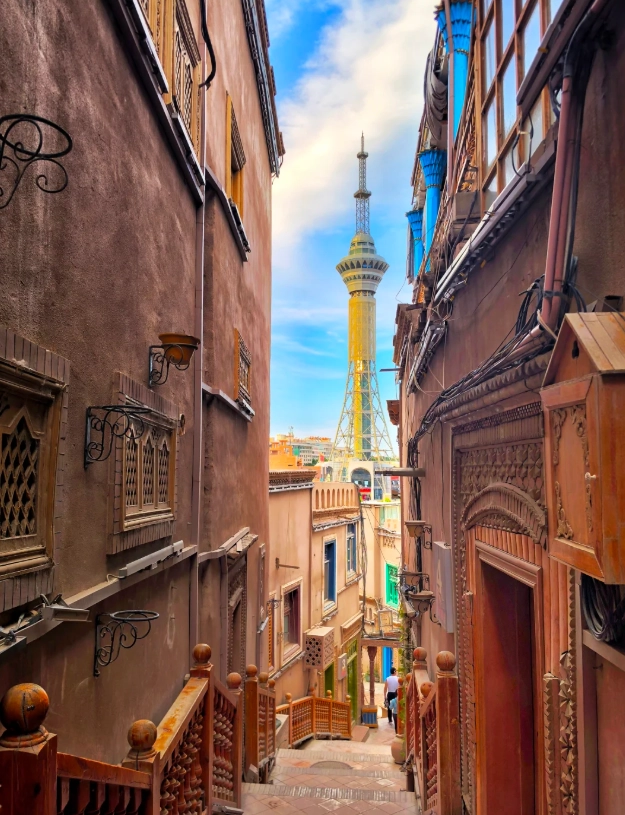
Is Kashgar Safe for Tourists?
Kashgar is as safe as any Chinese city for foreign visitors. Violent crime is extremely rare, and the local Uyghur community is welcoming. However, in tourist hotspots like the Old City and the Sunday Animal Market, petty crime and clever scams are common. You are far more likely to be overcharged than physically harmed.
I walk the Old City after midnight on most weekends – the only thing I worry about is stepping into an unlit drainage ditch. The real dangers are financial: a taxi driver taking a “scenic route” or a carpet seller turning a friendly chat into a three-hour negotiation.
One overlooked risk is sensitivity around politics. Avoid discussing ethnic tensions or taking photos of police stations. The local people are proud of their heritage; show curiosity, not judgment.
Kashgar Safety Tips: Payment Scams and Cash Rules
Most vendors in Kashgar now use Alipay or WeChat Pay, but these apps require a Chinese bank card or an international card to be linked. If you’re a short-term visitor, link your foreign card before arriving. Still, many small stalls – especially at the Sunday market – only accept cash. Carry a mix of 10, 20, and 50 yuan notes, because sellers often “don’t have change” for large bills.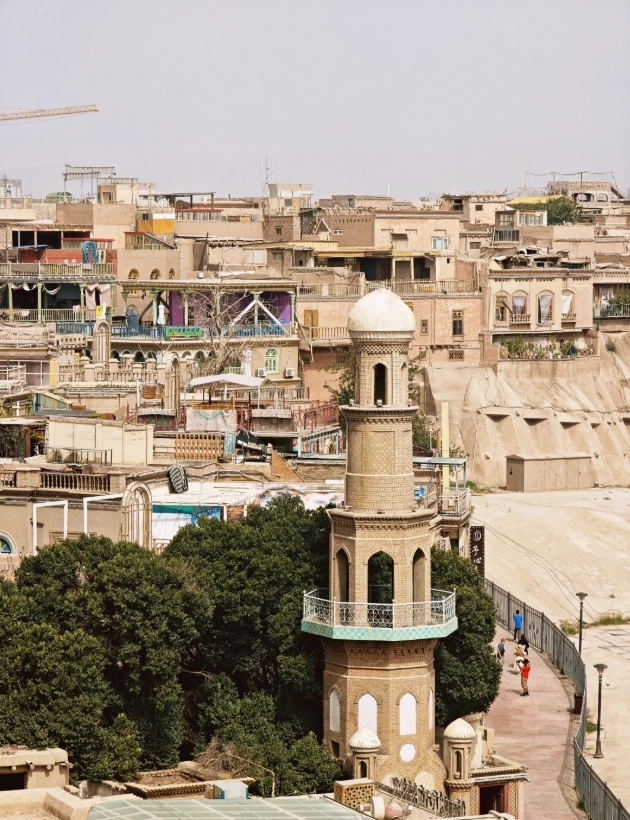
Here’s the sneaky part I always warn my clients about:
If someone invites you for “free tea” or to admire his “family carpet store,” you’ll end up in a high-pressure salesroom with a carpet you don’t want at a price you can’t refuse. A polite but firm “bu yao” (I don’t want) works best.
Other money scams to avoid:
- Unofficial currency exchangers on the street – you’ll get a terrible rate or counterfeit bills.
- Taxi drivers claiming the meter is “broken” – agree on a fare beforehand or use a ride-hailing app.
- “Antique” coins and relics – these are almost always factory-made replicas.
Insider Advice: Withdraw cash from a real bank ATM (the ones inside branches) rather than a street-side machine. Also, keep your phone charged – mobile payment is actually safer than carrying a stack of cash.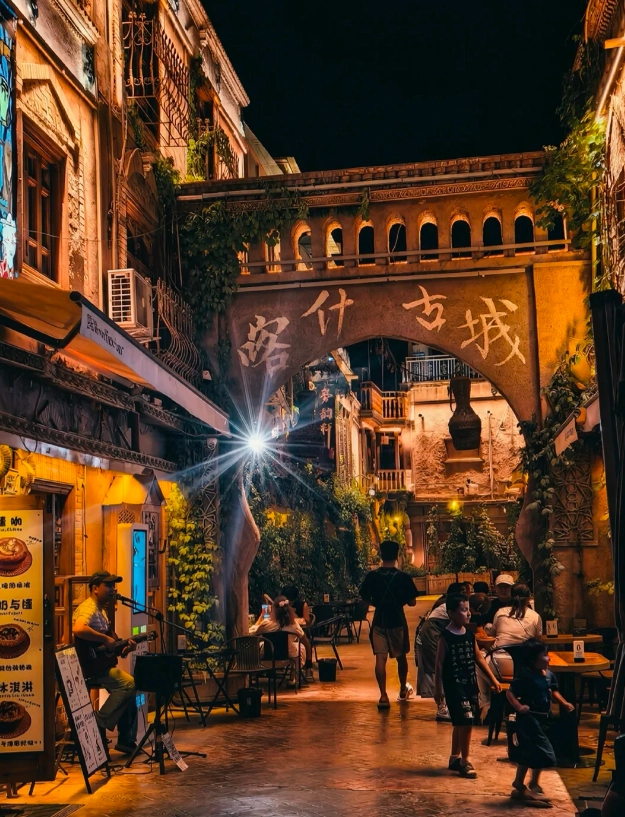
How to Navigate Kashgar Without Getting Lost (or Scammed)
Google Maps is notoriously unreliable in China. If you rely on it, you’ll end up on a dirt road with a broken gate. Instead, use Apple Maps (which works reasonably well) or download AMap Global (the English version of 高德地图). Both offer offline maps – download the Kashgar region before you arrive.
Kashgar’s Old City is a maze of over 500 alleys, many of which look identical. I’ve been lost after 40 visits. The golden rule: always carry the hotel business card with the address written in Chinese and Uyghur script. You can show it to a local – most will be happy to point the way or even walk you to a main street.
Pro Tip: Set your map pin to the famous Id Kah Mosque (艾提尕尔清真寺). That’s the central landmark. From there, you can always find a taxi or a main road.
Safety wise, avoid walking alone deep into residential alleys after midnight. The main tourist routes are well-lit and patrolled, but the inner maze gets dark and disorienting.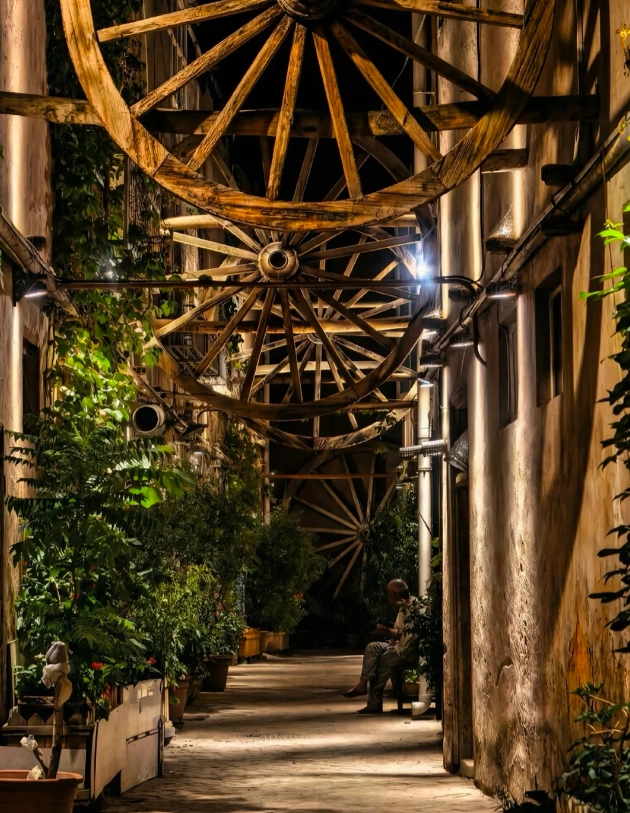
How to Book Attractions and Tours Safely
Your passport is your ticket to everything in China. Id Kah Mosque requires registration at the entrance with your passport – no ticket, just free entry. The Old City itself has no entry fee, but some sections like the Grand Bazaar might ask for a small fee if you want to photograph certain courtyards.
For guided tours, I strongly recommend booking via Trip.com or Klook instead of the “guides” who approach you on the street. Not only do these platforms provide vetted, English-speaking guides, but they also handle the passport registration and insurance paperwork.
One trap: your hotel staff might push you to a relative’s tour company at an inflated price. Politely decline and book independently. The Sunday Animal Market, for example, is free and accessible by local taxi; you don’t need a “special guide” to enter.
If you pre-book train tickets to Kashgar (from Urumqi), you’ll also need your passport. Use Trip.com to avoid the hassle of China Railway’s 12306 app, which is entirely in Chinese.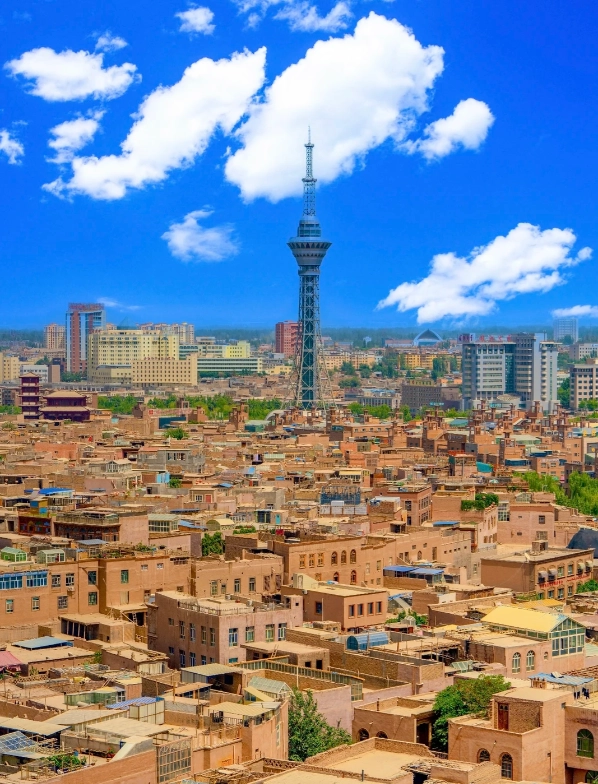
Language, VPN, and Staying Connected in Kashgar
You can get by in Kashgar with simple English, but don’t rely on it. The Uyghur and Chinese languages dominate. Download Apple Translate or Baidu Translate with offline packs before you land. I always keep a few handwritten phrases on a card: “How much?” (多少钱?), “I need a taxi” (需要出租车), and “Where is the bathroom?” (洗手间在哪儿?)
Your SoMe apps (Instagram, Facebook, Google) won’t work without a VPN. Install a reliable VPN before you leave home, because many VPN sites are blocked in China. I recommend having at least two backup providers (e.g., ExpressVPN and NordVPN) in case one gets blocked.
For data, get a local SIM card at the airport – you’ll need to show your passport. China Telecom and China Mobile have temporary tourist plans. Alternatively, if your phone supports eSIM, buy a plan from Airalo or Holafly before you arrive; these work through your device’s international roaming.
A final connectivity warning: some hotel Wi-Fi networks in Kashgar have weak firewalls. Use a VPN even on hotel Wi-Fi to protect your banking apps.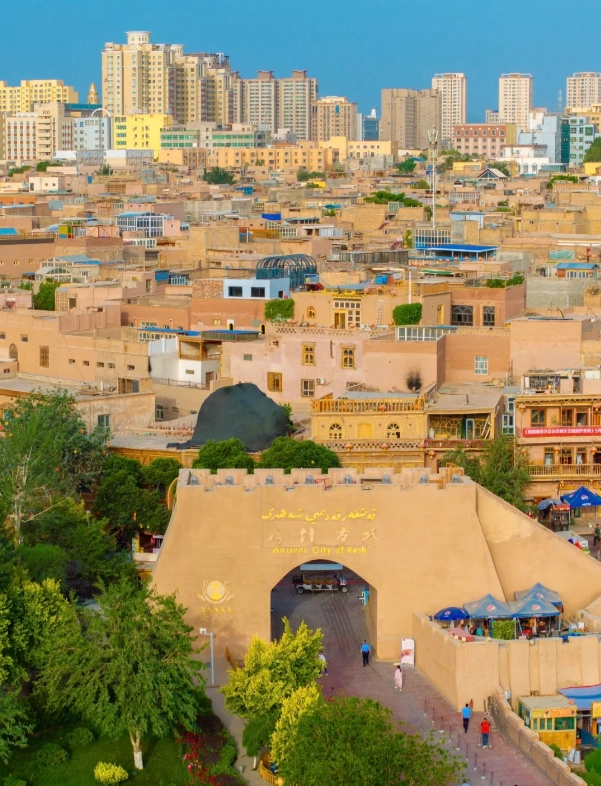
Kashgar Old City Safety: Crowds, Pickpockets, and Etiquette
The Old City is Instagram gold, but the crowds can feel suffocating on weekends. Pickpockets often work in teams – one to distract, one to steal. I always tell my clients to wear a money belt or a cross-body bag and keep it zipped in front. Back pockets are a no-go.
Etiquette matters more than you think. Kashgar is a Muslim-majority city. Dress modestly – shoulders and knees covered, especially if you plan to enter a mosque. When visiting the Id Kah Mosque, women must cover their hair with a scarf, and everyone must remove their shoes.
Photography is a sensitive issue. Always ask before capturing a local’s portrait. Some merchants will pose for a photo then demand a fee. Agree on a price or wave the camera away.
Another practical detail: use the main gates (like the Eastern Gate) to enter the maze. The alleys near the Id Kah Mosque are incredibly tight and can feel claustrophobic at peak times. If you have mobility issues, consider a rickshaw ride around the perimeter.
Sunday Animal Market Safety Guide
The Sunday Animal Market (known as Bozor) is North-West China’s wildest spectacle. It starts around 7:30 am and reaches peak madness by 9:30 am. To avoid the hottest crowds, go as early as possible.
This is a working market, not a zoo. Watch your step – animal droppings are everywhere. Wear closed-toe shoes and never stand directly behind a horse, donkey, or large camel. The animals kick, especially when startled.
Money-wise, bring small bills. I’ve seen sellers refuse a 50-yuan note for a 5-yuan purchase because they couldn’t make change. Also, beware of the “handshake” trick – a seller will grip your hand with a smile, and a third man will try to sell you a “genuine” pocket watch. Disengage politely and keep walking.
Pro Tip: Do not photograph an animal or a merchant without asking. If you photograph a camel’s owner, he may expect a payment for the animal’s “photo rights”.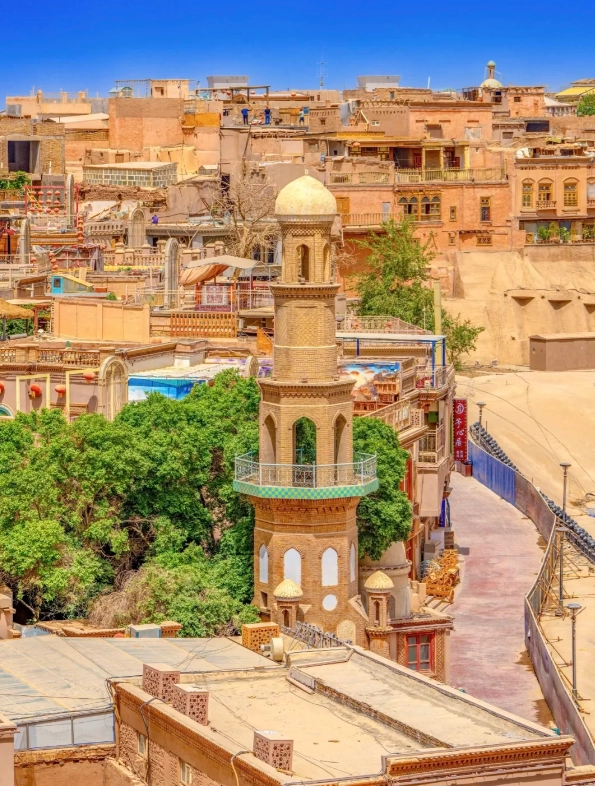
Food and Drink Safety in Kashgar
Kashgar is a foodie paradise – the kebabs (nurang), hand-pulled noodles (lagman), and naan bread are legendary. But your stomach is not used to the local bacteria. Here’s how to stay safe:
- Only drink bottled water. Check the seal is intact. Ice cubes in cafes are usually safe, but in street stalls, they might be made from tap water. Ask for “wu bing” (no ice).
- Choose stalls with high turnover. If the crowd is constant, the food is fresh. If the stall has flies buzzing around, move on.
- Wash your hands or use sanitiser before eating. Many locals eat with their hands, and so will you – carry wet wipes.
- Avoid salads and raw vegetables unless you know they have been washed in purified water.
- For dairy lovers, be cautious with “milk tea” – both tea house versions and street mixtures. They often use fresh (and sometimes unpasteurised) milk.
If you have severe allergies or dietary restrictions (e.g., halal, vegetarian, or gluten-free), learn the phrases in Chinese and Uyghur. Many menus are only in Chinese, so use a translation app. Most kebab stalls also offer vegetarian options like samsa (stuffed pastry) or fried eggs.
Taxi and Ride-Hailing Safety in Kashgar
Taxis in Kashgar legally run on meters, but some drivers will try to negotiate a flat price that’s triple the metered fare. To avoid this, use DiDi (China’s Uber) whenever possible. The app shows the fare upfront and follows the GPS route. DiDi allows you to link a foreign credit card, or pay cash to the driver.
Here’s a quick comparison of your travel options in Kashgar:
| Mode | Cost (approx.) | Safety | Flexibility |
|---|---|---|---|
| Taxi | 15-25 CNY for short ride | Meter scams possible | High |
| DiDi | 10-20 CNY, flat upfront | Safer, tracked | High |
| City Bus | 1-2 CNY | Safe, but complex | Low (limited routes) |
| Walking | Free | Safe in daylight | Best for Old City |
If you must hail a street taxi, ask the driver to “请打表” (please turn on the meter) before you get in. If he refuses, step back and negotiate a price you both agree on, or simply wait for the next cab.
Do not accept rides from unofficial drivers at the airport or bus station – they will claim to give you a “tourist price” but often take you to a carpet shop instead.
At night, stick to official taxis waiting at hotel stands or use DiDi. The ride-hailing app is more reliable for solo travelers because every ride is tracked by the company.
Health and Emergency Numbers in Kashgar
Before anything happens, memorize these numbers:
| Emergency | Number |
|---|---|
| Police | 110 |
| Fire | 119 |
| Ambulance | 120 |
| Tourist Information Hotline | 12301 |
For medical care, the most reliable facility is the Kashgar Prefecture People’s Hospital (喀什地区第一人民医院). It has an emergency department that operates 24/7. English is limited, so bring both your passport and a photo of your travel insurance policy. Your insurer’s 24/7 hotline is your best friend – call them first if you can.
Pharmacies (药店) are everywhere, but to avoid counterfeit drugs, go to a chain pharmacy like Guoda (国大药房) or An Eye Pharmacy (艾眼药房). Show the pharmacist a photo or translation of your health condition.
One more health tip: Kashgar’s altitude is around 1,200 m (4,000 ft) – not high enough to cause altitude sickness, but if you have a heart condition, avoid overexertion in the heat. The summer temperature can hit 40°C (104°F).
Dress Code and Cultural Respect as a Safety Measure
Dressing appropriately isn’t just respectful – it can prevent unwanted attention and even scams. In Kashgar’s Uyghur neighborhoods, locals appreciate modest clothing. Women should avoid tank tops and short skirts, especially in religious sites. Men should wear long pants when visiting the mosque. I often advise my clients to carry a light scarf – you’ll use it both for sun protection and to cover your head when entering Id Kah Mosque.
Public drinking of alcohol is also offensive in this Muslim community. Enjoy beer or wine at your hotel restaurant, but don’t walk down the bazaar with an open bottle.
During the holy month of Ramadan, eating or drinking in public during daylight is considered highly disrespectful. If you’re visiting around Eid, ask your hotel front desk about the customs.
Lastly, show respect for elders. If a local invites you for tea, accept if you’re comfortable, but politely refuse if you feel the situation is turning into a sales pitch. A smile and “Rahmat” (thank you in Uyghur) will get you far.
Kashgar Safety FAQs
Verified and fact-checked by the editorial team. Experiences reflect the author’s personal tours and local insights.







No comments yet.