 Peng Gao
It was 42°C in the shade. My bottled water turned warm in 20 minutes. And yet — I saw more genuine smiles here than in any other Chinese city I've visited. Kashgar in summer isn't just bearable; it's unforgettable, if you plan it right.
Most Kashgar summer itinerary guides you'll find online are written by domestic bloggers who assume you have a local phone number, Alipay with a Chinese bank card, and a tolerance for 12-hour bus rides. They're right about the beauty — but they skip the hurdles that make foreigners cry: no cash accepted at ticket gates, WeChat mini-programs in Chinese only, and a city grid that Google Maps just can't crack.
Here's the truth: you can see the best of Kashgar in 3 days without melting, using nothing but a bilingual hotel receptionist and a willingness to wake up at 7:30 a.m. Book your flights for June or September if you can — but if you're stuck with July, this itinerary will save your skin.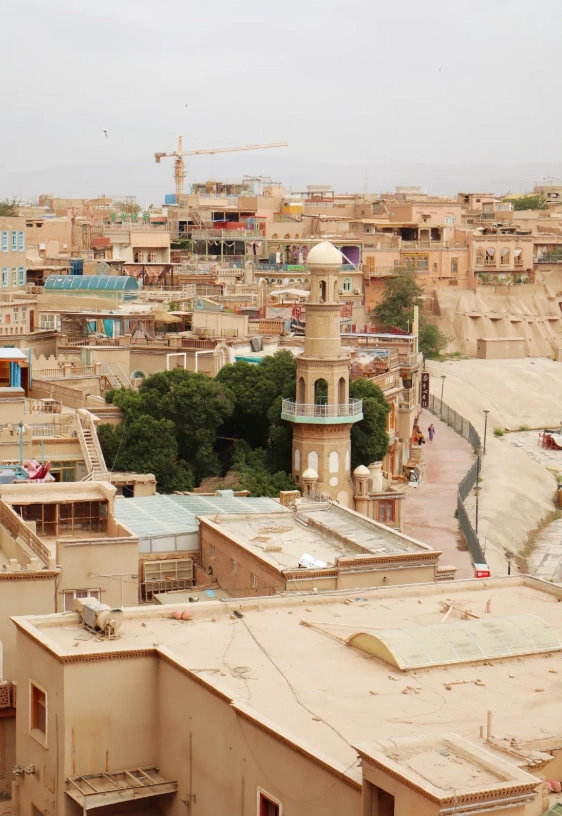
Quick Guide: What's Inside
What to Know Before You Plan a Kashgar Summer Itinerary
Weather and When to Go
Kashgar's summer runs from June to August, with July hitting daily highs of 35–42°C during the day, but dropping to a comfortable 15–20°C at night. The air is bone-dry — you'll feel every degree. The sun sets around 10 p.m., which means you have about five usable hours of daylight after 6 p.m. I always say: ignore your hotel gym, use the early morning and evening for walking, and schedule a siesta during the brutal afternoon.
Visa and Entry Requirements
Foreign travelers need a valid Chinese visa and your actual passport — a photocopy won't work. If you plan to visit Karakul Lake or Tashkurgan, you'll also need a Frontier Pass (边防证). In Kashgar, get it at the police office near People's Square. Bring your passport and one photo; it's free and takes about 30 minutes. I've seen travelers panic, but it's honestly easier than buying a train ticket.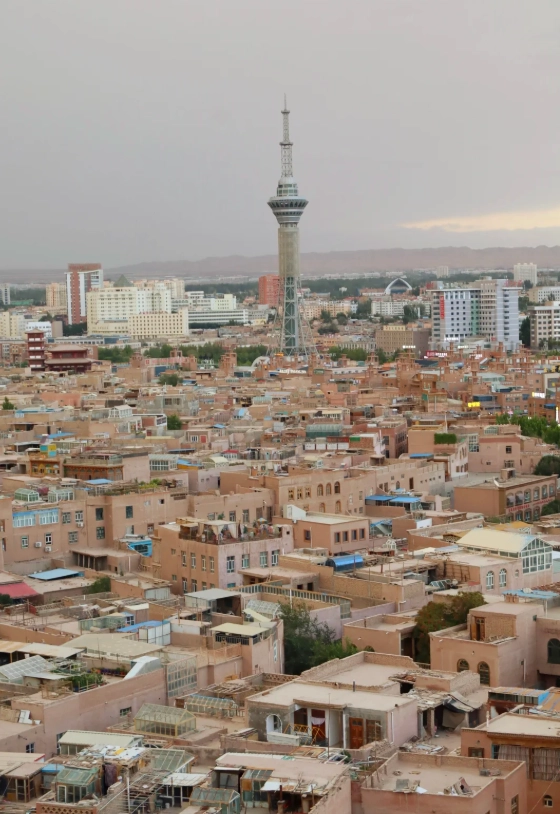
Money and Payment
Cash is king in the old bazaars, but your hotel, bigger restaurants, and tour operators will accept Alipay or WeChat Pay. Carry at least 500 RMB in small notes (10s and 20s) for market stalls, street food, and entrance fees. Most local vendors won't accept international credit cards — even if they have a card machine, it often only works with Chinese bank cards. My rule of thumb: if the shop has no price tag, the vendor expects cash.
Navigation and Connectivity
Google Maps is useless in Kashgar — download AMap Global (高德地图) or Apple Maps before you arrive. Apple Maps uses Gaode's data in China, so it's a reliable fallback. Save the Chinese addresses of your hotel and attractions in your phone's notes app. And set up a VPN before you land, or you'll be cut off from Gmail, WhatsApp, and Instagram. The hotel Wi-Fi often blocks them too.
Booking and Reservations
Major attractions like the Id Kah Mosque and the Old Town's cultural center require passport registration — book via Trip.com or your hotel concierge. WeChat mini-programs are often Chinese-only, but Trip.com and Klook have English interfaces and accept foreign cards. For the Sunday livestock market, no reservation is needed — just show up before 10 a.m. If you're booking a private driver for Karakul Lake, ask your hotel to negotiate and write the route in Chinese on a card.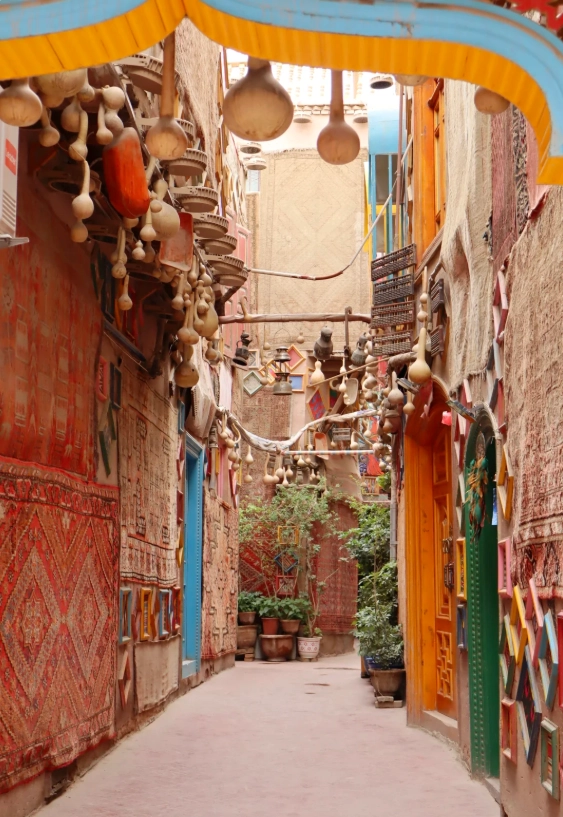
How to Get Around in Your Kashgar Summer Itinerary
Kashgar city is compact, and walking works for the old town. But for the surrounding sights, you'll need wheels. Here's your transport cheat sheet, compared.
| Method | Speed | Cost | Best For | Notes |
|---|---|---|---|---|
| Walking | Slow | Free | Old Town | Carry a scarf for sun protection |
| Taxi (Didi) | Fast | 10–20 RMB per trip | Beating the heat anywhere | Use Didi with English mode; show the driver your hotel's Chinese address |
| Public Bus | Medium | 1–2 RMB | Budget travel | Routes are Chinese-only; avoid unless you can read Chinese |
| Private Driver | Flexible | 300–500 RMB/day | Karakul Lake day trip | Negotiate in advance; get your hotel to confirm the price |
Didi is your friend, but it's only in Chinese by default. The English setting is buried in the app — change it in Profile > Settings > Language. When you book, note the car's license plate in Chinese characters and share your live location with a friend. I've never had a bad Didi driver in Kashgar, but the pick-up points can be chaotic.
For the old town, wear comfy shoes and expect uneven paving. The old city is about 3 square kilometers — it's easy to get lost, but locals are friendly and will point you back to the main street if you smile and say 'exit' slowly in English. Google Street View doesn't cover it, so just accept the maze.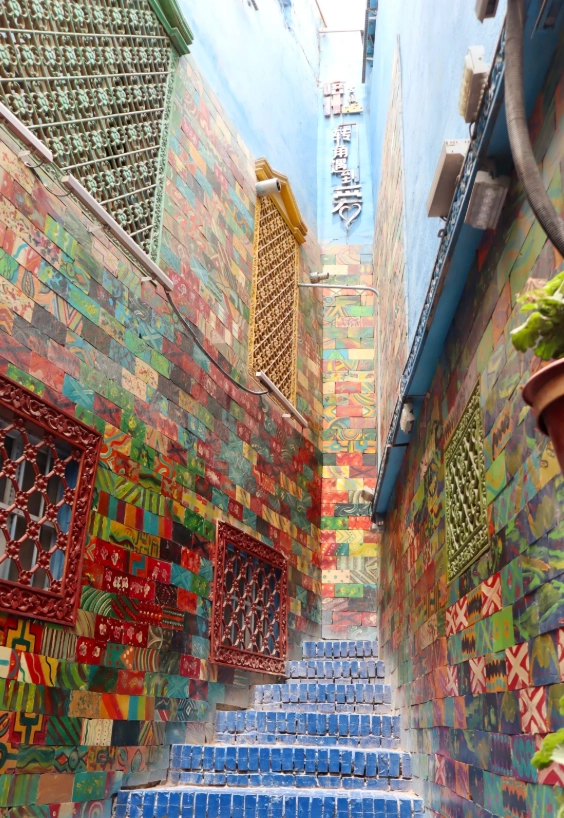
Top 5 Must-See Stops for Your Kashgar Summer Itinerary
1. Kashgar Old Town (喀什古城)
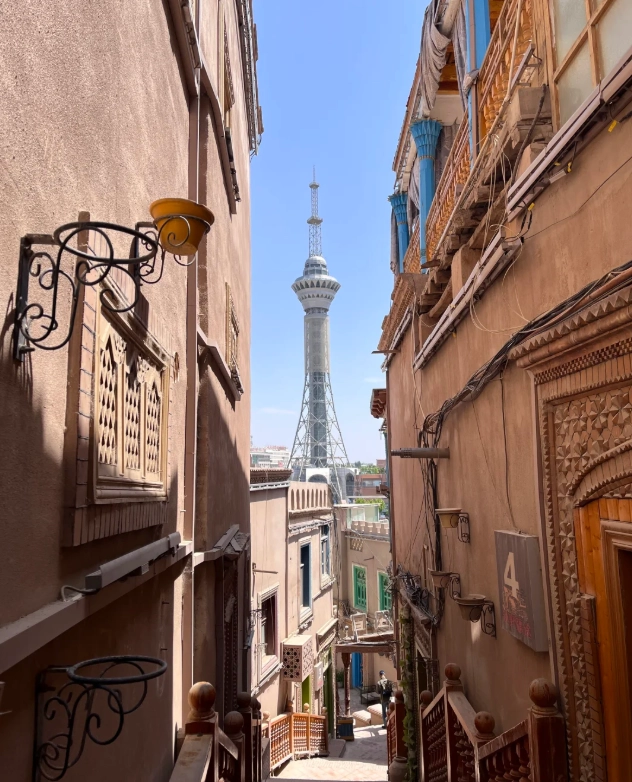
The real heartbeat of Kashgar — free to wander, but the gate to the west section may ask for your passport. It's actually made up of two parts: the eastern section (larger, more commercial) and the western section (quieter, more residential). I prefer the west for photography. Open 24/7, but the alleys empty out around 2 p.m. and return in the evening. Go at 8 a.m. when the bread ovens are firing and the air smells like charcoal. Most shops don't open until 10 a.m., but the empty streets are worth the early start.
Admission: Free for the main streets; some heritage houses charge 20–50 RMB (bring your passport).
Address: Kashgar Old Town, Tawuguzi Road, Kashgar (in Chinese: 喀什古城, 塔乌古孜路)
Time to spend: 2–3 hours minimum.
My tip: Stand at the 100-year-old tea house at the entrance and order a pot of rose tea. It costs about 20 RMB and the people-watching is priceless.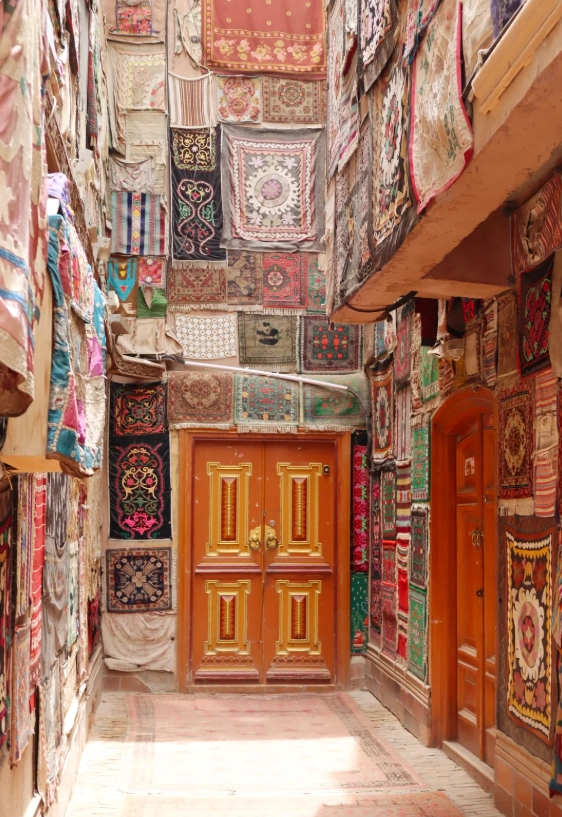
2. Id Kah Mosque (艾提尕尔清真寺)
Kashgar's biggest mosque and the symbolic center of Uyghur culture — the courtyard is open to non-Muslims, the prayer hall isn't. The mosque is most photogenic in the late afternoon when the golden light hits the yellow walls. Beware of worship times though: during Friday prayer, the whole square fills up and the entrance closes. I always tell my clients to visit either at 9:30 a.m. or 5 p.m.
Admission: 20 RMB (subject to change, cash preferred)
Address: 180 Jiefang North Road, Kashgar (解放北路180号)
Time: 30–45 minutes.
Important: Dress modestly — shoulders and knees covered. Women don't need a headscarf, but my female clients have been asked to cover their legs by security once. A simple scarf in your daypack solves that.
3. Sunday Livestock Market (牲畜巴扎)
It only runs on Sundays from around 7 a.m. to noon — the first hour is the wildest. This isn't a tourist show; it's a real trading market where farmers bring donkeys, sheep, and goats. The atmosphere is chaotic and dusty, but you'll see a side of Kashgar that no curated tour shows. Bring a dust mask and keep your wallet in your front pocket — pickpockets exist, but I've never seen a violent incident.
Location: Roughly 5 km south of the old city, near the Kashgar River bridge. Take a Didi and show the driver: '牲畜巴扎' (livestock bazaar).
Time: Arrive by 8 a.m., leave by 10:30 a.m.
Pro tip: Do not photograph people without asking. A smile and a quick thumbs-up goes a long way. Many vendors will happily pose for a small tip (5 RMB).
4. Apak Hoja Mausoleum (香妃墓)
This blue-tiled mausoleum is often overlooked by Western tourists, which makes it a calm break from the bazaar buzz. It's the burial place of the Fragrant Concubine, a legendary Uyghur woman who become a consort to the Qing emperor. The site is photogenic and usually empty, so you can photograph without strangers in the frame. The surrounding gardens are pleasantly shaded in the afternoon.
Admission: Approximately 30 RMB (cash/QR)
Address: Haier Road, Northeast Kashgar (喀什海尔路)
Time: 1 hour is enough.
Insider advice: Combine this with the nearby Yusup Has Hajip tomb, a two-minute walk north. It's a mud-brick historic site that hardly anyone visits.
5. Karakul Lake (卡拉库里湖) — The Out-of-Town Splurge
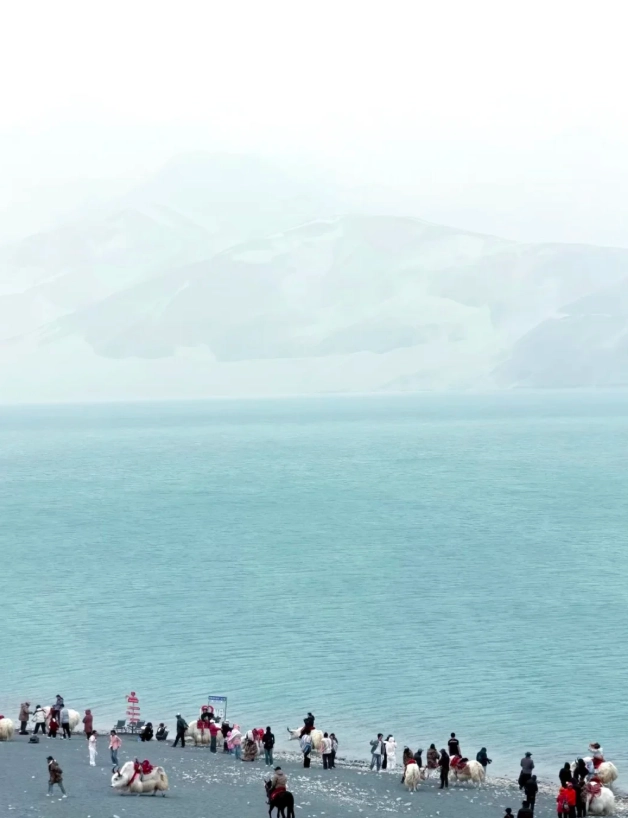
If you have one extra day, trade the city heat for this stunning high-altitude lake, sitting at 3,600 meters under the shadow of Muztagh Ata. The drive is 3.5 hours each way through dramatic desert mountains, but the payoff is a turquoise lake with yurts and camels. Prepare for sudden weather changes: it can snow in July. Bring a warm jacket, lip balm, and sunscreen.
Permit: Needed — get the Frontier Pass in Kashgar first.
Transport: Private driver, around 500–600 RMB for the day. Ask your hotel to book it. The road is sealed, but there's a military checkpoint — keep the pass in your hand.
Best time: Depart by 7 a.m. to avoid the worst heat and reach the lake before the crowds.
Budget: 50 RMB entrance fee, plus 20–30 RMB for lunch at a yurt restaurant.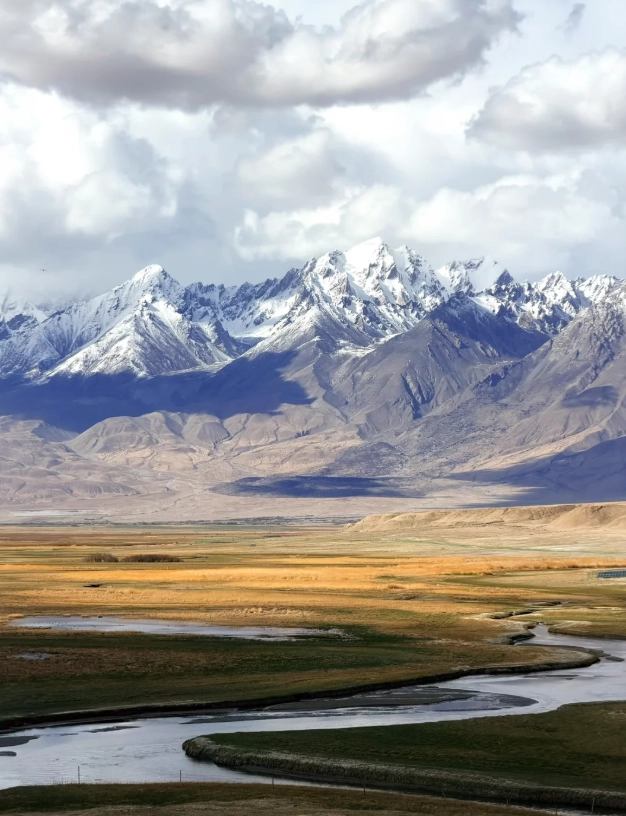
A Sample 3-Day Kashgar Summer Itinerary
This plan squeezes the highlights while keeping you out of the midday furnace. It's based on experiences from dozens of my trips and real client feedback.
Day 1: Old Town Immersion
Start at 8 a.m. before the crowds.
- 8:00 — Breakfast at your hotel. Order a fresh nan and salted milk tea from a nearby bakery.
- 8:30 — Walk to the Kashgar Old Town east entrance (5 minutes from most hotels on Tawuguzi Road).
- 8:45–11:30 — Explore the eastern section. Visit the pottery and copper workshops; don't miss the tiny Jiaxiang (private collection) museum on the main lane.
- 11:30–13:00 — Lunch at the Grand Bazaar food court. Grab Kao baozi (baked buns) and a huge glass of pomegranate juice — both cost about 15 RMB.
- 13:00–15:30 — Afternoon siesta at your hotel. The Old Town's central heat is brutal; trust me, you don't want to be sightseeing now.
- 15:30 — Take a Didi to Id Kah Mosque (10 minutes, 10 RMB).
- 15:45–17:30 — Visit the mosque and browse the surrounding bazaar for spices and dried fruits.
- 18:00 — Dinner at a classic Uyghur restaurant near the mosque. Order laghman noodles and lamb kebab (about 20–30 RMB per person).
- 19:30 — Watch the old town light up. The atmosphere gets magical, and the temperature drops to a perfect 22°C.
Day 2: Sunday Market or Monuments
If it's Sunday, you can't miss the livestock market — otherwise, swap it with Apak Hoja.
- 8:00 — Head out with a light snack.
- 8:30–10:30 — At the livestock market (if Sunday). Wander between the sheep pens and horse carts. Don't wear white shoes.
- 11:00 — Return to hotel by Didi and cool down in the air-conditioning.
- 13:00–15:00 — Lunch and rest.
- 16:00–18:00 — Visit Apak Hoja Mausoleum (or if not Sunday, do this in the morning and skip the market).
- 18:30 — Dinner in the old town. Try hand-pulled noodles and a local beer.
Day 3: Karakul Lake (or Alternative)
This day is all about the mountains — leave at 7 a.m. and you'll be back by 6 p.m.
- 7:00 — Meet your private driver at the hotel lobby. Pre-pack a daypack with water, snacks, and your Frontier Pass (you'll need it three times on the road).
- 10:30 — Arrive at Karakul Lake. The light is perfect for photos of Muztagh Ata.
- 12:00 — Lunch at a yurt camp. Try the milky tea and yak meat if you're adventurous.
- 13:30 — Begin the drive back, stop at a mineral spring viewpoint on the way (your driver will know).
- 17:30 — Return to Kashgar. Grab a final dinner in the old town and buy souvenirs.
If you can't get the permit (office closed) or the weather is bad, swap this with a visit to the Kashgar Museum. It's air-conditioned, free, and has excellent exhibits on Uyghur history. Ask your hotel for the location; it's near People's Square.
How to Beat the Heat and Avoid Crowds in Your Kashgar Summer Itinerary
Here is where I save you from turning into a puddle. These are the exact habits I've built after years of guiding.
- Start your day at 8 a.m. By 9:30, the sun is already intense. You'll lose about two comfortable hours if you wake up late.
- Nap from 13:00 to 15:30. The temperature peaks at 38–42°C. Nobody who respects themselves walks around during this window.
- Wear a broad-brimmed hat and a thin long-sleeve shirt. The desert sun doesn't care about SPF 50 if you forget your ears and neck.
- Stay hydrated with electrolytes. You sweat a lot more than you think, especially when the humidity is low. I use oral rehydration salts from the pharmacy.
- Use Didi instead of wandering. Waiting at a bus stop in July is a form of self-harm. A 10-yuan Didi ride is the best money you'll spend.
- Avoid Chinese national holidays. Golden Week (early May, early October) and summer school breaks see a surge in domestic tourists. July is already busy; come in June if you can.
- Take a photo break in the evening. The light between 8 p.m. and sunset is pure gold — streets turn pink, and the temperature drops to 25°C.
FAQs About Your Kashgar Summer Itinerary
Verified and fact-checked by the editorial team.





No comments yet.