 Jian Zhao
Your Quick Kashgar Rundown
No air-conditioning, no English, no bank card accepted — that's how my first Kashgar trip started. But honestly, that chaos is exactly why I'd book a next flight back.
Many travelers ask me, 'What are the top things to do in Kashgar?' And I always say: ignore the generic listicles. This city will make you work a little, but the payoff is huge — if you know the ins and outs. Foreign cards often fail, Google Maps is a half-truth, and the best food isn't in any guidebook.
Here's a taste of what's coming: hit the Old City at golden hour, bargain hard at the Grand Bazaar, and plan around prayer times at the mosque. Now let's get into the real deal.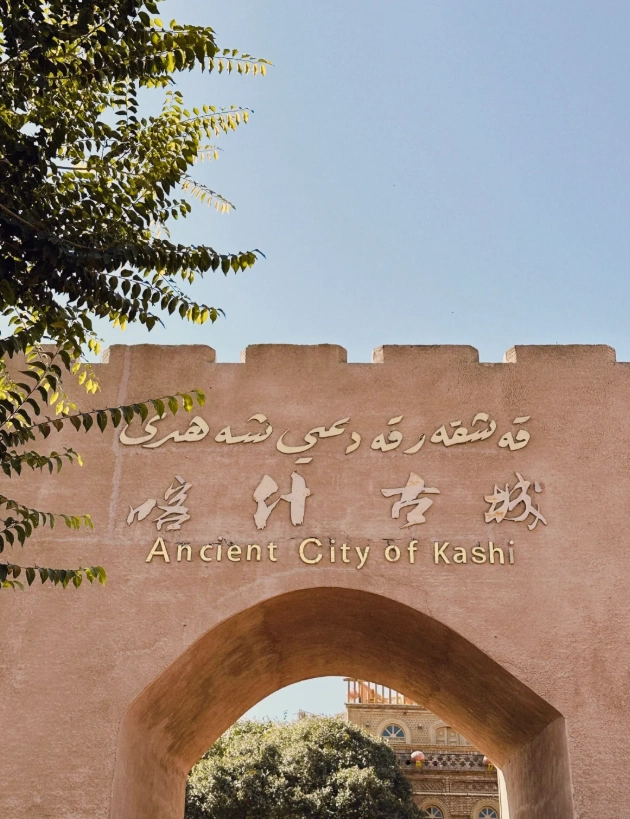
Why Kashgar Matters: A Quick Snapshot
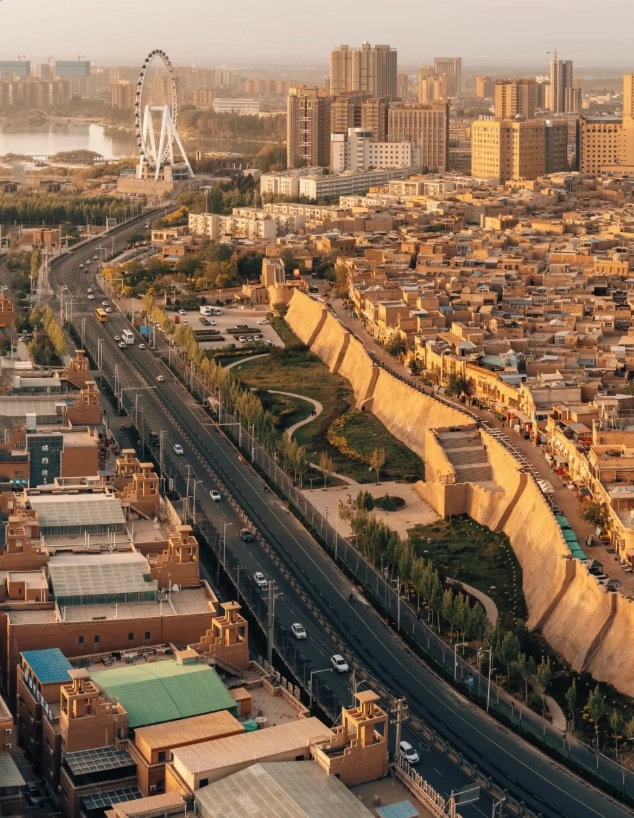
Kashgar is the westernmost city in China, a Silk Road melt-pot that has traded spices, ideas and identity for centuries. It sits at the foot of the Pamir Mountains, where Uyghur culture dominates, with a language and food that feel closer to Samarkand than Xi'an. Walking the Old City is like stepping into a medieval map: clay walls, carved timber, and a constant stream of mules pulling carts.
Most travelers arrive here after a long flight or a 4-hour flight from Beijing via Urumqi. It's a 10-hour train ride from Urumqi, but the journey itself — over the Kunlun slopes — is part of the memory. Kashgar is not a short stop; it's a destination that demands at least two days.
Historically, Kashgar was the most strategic oasis on the Silk Road. It was a Buddhist hub until the Karakhanid Turks converted to Islam in the 10th century. Marco Polo passed through in the 13th century and described it as a country 'subject to the Great Khan.' The chaotic mix of cultures is still visible today — you'll see Han Chinese traders next to Uyghur craftsmen, and the architecture shifts from blocky concrete to carved timber in one street.
For travelers, this history matters because it explains the layering you'll see everywhere: a Buddhist stupa base under a mosque, or a tea house that was once a caravanserai.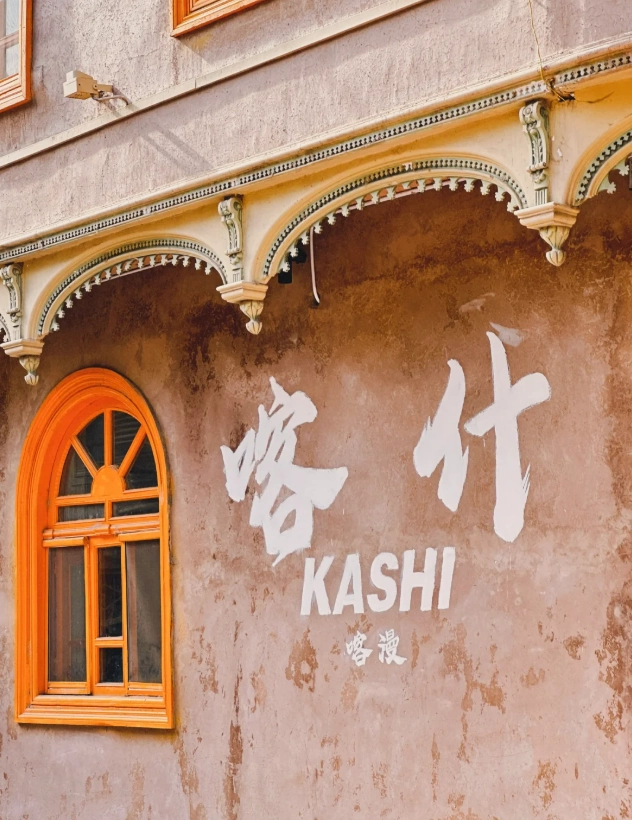
When Is the Best Time to Visit Kashgar?
April to October is the golden window, with September offering the most comfortable temperatures and clearest skies. Summer (July–August) is blazing hot — up to 38°C — but that's also when the Sunday Animal Market is at its most animated. November to March gets freezing, with wind chilly off the Pamirs. But for photographers, the winter months give you crisp light and almost no tourists at all. My advice: aim for May or September, and avoid the Golden Week holiday (early October) when domestic tourists flood in.
Top Things to Do in Kashgar: A Curated List
Over the years, I've refined this list to the six experiences that truly matter for a first-time visitor. You can mix and match based on your energy and the season.
Pro Tip: Skip the very first hour at the Old City East Gate. The official 'welcome ceremony' is a choreographed dance performance for tour groups. Instead, walk 200 meters south to the hidden entrance on Tuhuti Park Road — it's the same maze but without the triple-priced souvenir stands.
-
Explore the Kashgar Old City
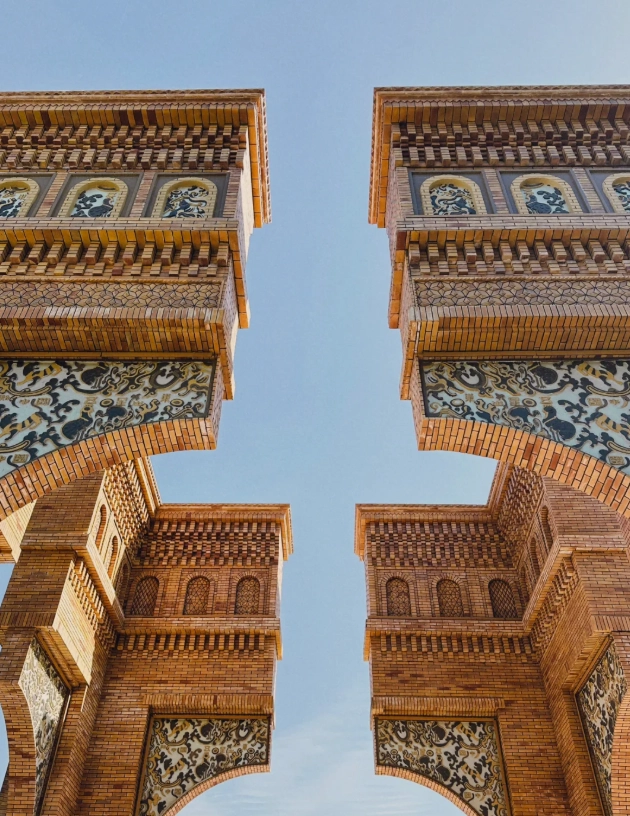
The Old City is a living labyrinth, and getting lost is the point. I always carry a hat and water, because the sun hammers down on the open courtyards. You'll find ceramic workshops, copper smiths, and women embroidering skull caps in doorways. The good news: it's free to enter, though some alleys may have guards checking your passport. My trick is to start at the East Gate at 5 PM, when tour groups thin out, and wander until the call to prayer echoes from the Id Kah minaret. Wear shoes that you don't mind getting dusty, and carry a small torch (flashlight) for the unlit sections after dusk. I also recommend buying an old map — not for navigation, but for the feel of it.
-
Visit the Id Kah Mosque
Id Kah Mosque is the largest in China, and its courtyard can hold thousands of worshippers. Non-Muslims are permitted to enter the outer courtyard and the prayer hall (but not during prayer times). Expect a small entrance fee — around RMB 30 at my last check — but it's always changing, so bring cash in case. Note: after the weekly Friday prayer, the crowds spill into the square; it's chaotic but fascinating. Enter from the north side to avoid the main entrance queues. Look for the 1570-era minaret — it's the tallest structure in the city and a perfect navigation landmark.
-
Wander the Sunday Animal Market
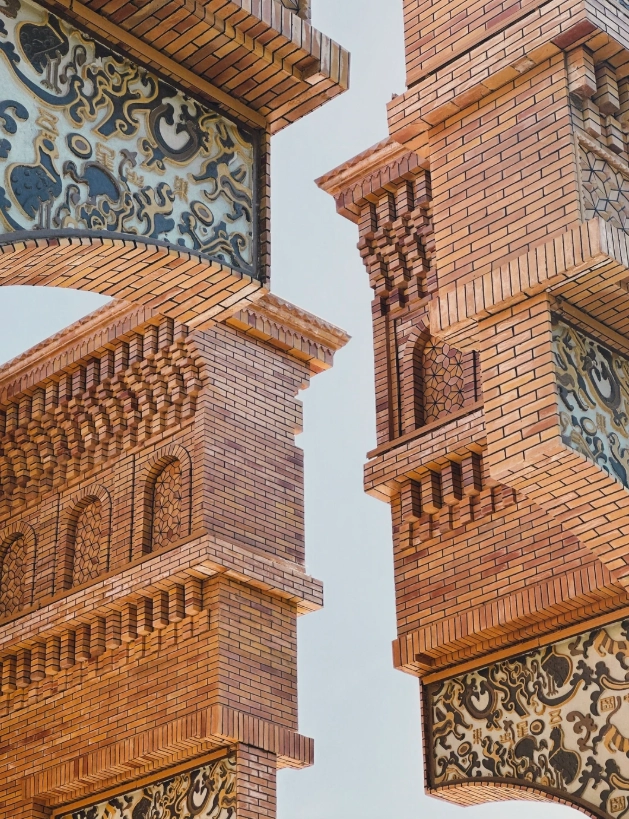
Every Sunday, the city's livestock exchange becomes a sensory overload. Located 5 km east of the center, you'll see sheep lined up in rows, donkeys tied to carts, and merchants haggling with hand slaps. The highlight is the horse section, where traders ride bareback. Getting there: take a taxi (about 20 minutes). Expect to be the only foreigner — that's exactly the point. Go early: by 10 AM the noise and dust hit hard. Remember to keep your camera in your bag; livestock owners often expect a few yuan for photos. If you're unlucky with the weather, the indoor cattle pens are just as fascinating — watch the traders seal a deal with a spat-handshake.
-
Haggle at the Grand Bazaar
The Grand Bazaar is a mix of tourist souks and genuine trade. You'll find Persian carpets, Uyghur knives (be careful with the blade — it's a collectible, but you can't fly with it), and stall after stall of dried apricots and nuts. My golden rule: never accept the first price; walk away and they'll call you back. Some stalls now accept WeChat, but cash is still king. For the best selection, go to the narrow aisles behind the main square, not the brightly lit front rows. Ask for 'Uyghur tea' at the stalls; it's a mix of rock sugar, dried dates and green tea, served in small glasses. It's the perfect antidote to the midday sun.
-
Uncover the Apak Hoja Mausoleum
This tiled tomb is often called 'Fragrant Concubine's Tomb,' a mistranslation that overshadows its real history. It houses the family of a powerful 17th-century spiritual leader. The blue-and-white tiles are extraordinary in the afternoon light. It's about 2 km north of the Old City; a taxi costs around 10 RMB. Entrance is around RMB 30. The site is less visited than the mosque, so you'll have space to breathe and take photos without interruption. The tomb's garden is a surprisingly peaceful spot — perfect to sit for 15 minutes and listen to the birds.
-
Take a Day Trip to Karakul Lake
Karakul Lake is a high-altitude glacier lake at 3,600 meters, framed by the jagged summit of Muztagh Ata. The 190 km drive takes you out onto the Karakoram Highway, passing kalalik Rocks and remote villages. A full day is tight; I'd plan for 12 hours round trip. You'll need a taxi or a shared van (about 300 RMB per person for a group). Be aware: the lake is stunning but the facilities are basic, and altitude sickness is real — I've watched healthy travelers struggle with headaches after an hour at the shore. Pack water, a down jacket, and altitude pills. Don't expect to swim — the water is freezing even in July. But the camel rides along the shore are worth a photo if the price is under 30 RMB.
How Do You Plan a Kashgar Itinerary Without Overbooking?
If you only have 48 hours in Kashgar, this is how I'd structure it to avoid the rush-hour crowds and still see the essential things to do in Kashgar.
-
Day 1: Old City and Sunset
Start at 5 PM — yes, evening is the magic time. Enter the Old City through the East Gate, head north for 20 minutes to reach the main square. You'll have two hours to dive into the alleys. At 7 PM, walk to the Id Kah Mosque for the call to prayer. By 8 PM, finish at the night market just west of the mosque.
-
Day 2: Bazaars and Mausoleum
Morning: hit the Grand Bazaar before it turns into a tour-group frenzy. Start at 9:30 AM, then at 11 AM take a taxi to the Apak Hoja Mausoleum (15 minutes). After lunch, book a driver for a 4-hour round trip to the Sunday Animal Market (if it's Sunday) or visit the old tea houses. End with a sunset walk along the new city's riverfront.
If you have a third day, add Karakul Lake. But don't try to do the lake and the Old City in one day.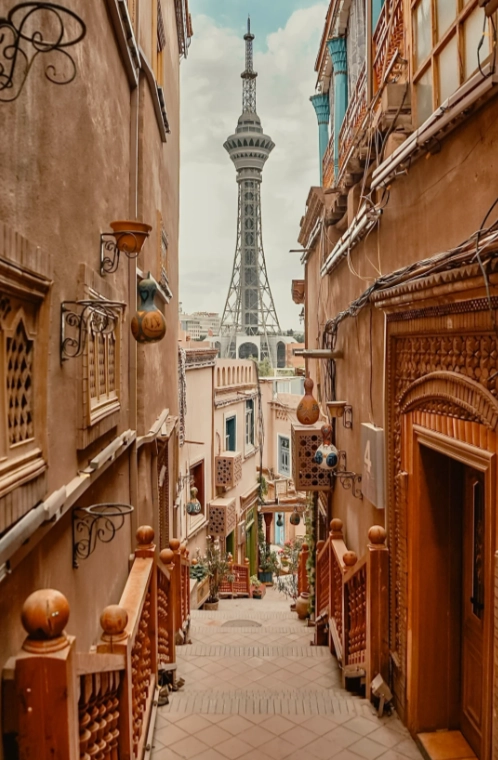
What to Eat in Kashgar: Local Foods You Can't Miss
Uyghur cuisine is the main event. Expect oily, spicy, lamb-heavy dishes with flatbreads and yogurt. I always tell travelers to save their appetite for these:
- Polo (rice pilaf with carrot, mutton and raisins) — the Sunday market vendors do a great one.
- Samsa (baked pastry with lamb and onion) — sold in dome ovens on street corners.
- Lagman (hand-pulled noodles with a smoky tomato sauce) — ask for 'legman' and watch the chef slap the dough.
- Mutton kebab (sichuan-style or local) — fattier than you expect, perfect with cold beer.
- Milk tea (etliq çay) — often sweet and served in bicolor bowls; try it with a pinch of salt.
Where to find them: The Old City's central alley near the Friday mosque is a reliable spot. I also like the food stalls at the Grand Bazaar's entrance. Prices are low — a full meal rarely exceeds 40 RMB. Most stalls are cash-only, so keep small bills.
One warning: if you have a sensitive stomach, skip the ice and raw salads. The local hygiene is basic.
Don't leave without trying 'dapanji' — a fiery chicken and potato stew that's shared by a whole table. The best version I ever had was in a backyard called 'Shan Tians' — but the location changes, so ask your hotel to write the name in Uyghur for you. Also, look for 'qumul' — a small sweet melon unique to southern Xinjiang.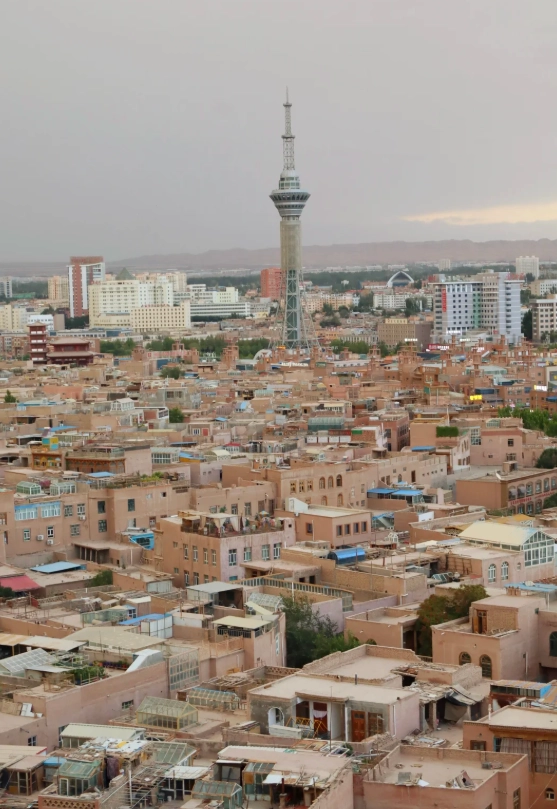
Where to Stay in Kashgar: Neighborhoods and Hotels
For first-timers, staying inside or near the Old City is essential. You want to walk to the attractions and wake up to the sound of bazaars. Here's a quick table of typical options based on my recent trips:
| Neighborhood | Vibe | Best For | Approx. Price per Night |
|---|---|---|---|
| Old City Inside | Traditional courtyard houses | Backpackers, photographers | 150–300 RMB |
| People's Square | Modern, central | Business travelers, couples | 300–600 RMB |
| East Bus Station | Local, budget | Solo travelers on a limit | 100–200 RMB |
Old City Inside: ideal for atmosphere, but expect shared bathrooms and stairs. People's Square: better showers and lifts, but less authentic. East Bus Station: cheapest, but far from the Old City, so factor in taxi costs.
I usually book through Trip.com or Agoda because they have better cancellation policies for foreigners. Confirm in advance that the hotel accepts international guests; some smaller guesthouses don't.
Pro Tip: If you stay in the Old City, ask your landlord to hand-help you book a breakfast cafe — many are in unmarked courtyards.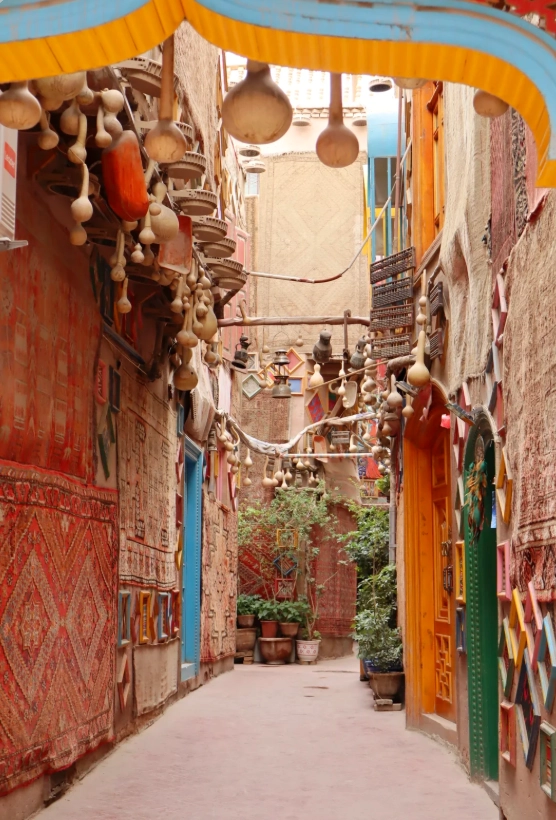
Getting Around Kashgar: Transportation Hacks
Kashgar is a compact city, but distances are misleading. You'll walk a lot in the Old City, but use taxis for the rest. Taxis are cheap (starting fare around 10 RMB) but they rarely speak English. Have your destination written in Chinese — your hotel can do this for you.
For the airport: it's about 30 minutes from the center; a taxi costs around 40 RMB. For the train station: 15 minutes and 20 RMB. DiDi (Uber-style) works with international cards sometimes, but it's spotty; use it only as backup.
Avoid the covered tricycle rickshaws for long distances — they're fun but slow and overpriced for tourists. I always negotiate the fare in advance.
If you're coming from Urumqi, the flight is about 2 hours and costs around 800 RMB one way. The train is an overnight journey — comfortable sleepers for 300 RMB but it eats 12 hours. I usually recommend the flight, unless you love overnight trains.
What Should You Know About Payments and Apps in Kashgar?
This is where most foreigners get stuck. Cash is still essential. Many small stalls and even some restaurants only accept WeChat Pay or Alipay, but they might not accept your international card even if the app is installed. The safest approach: withdraw cash using a UnionPay ATM (you can use your foreign card, but only at major banks like ICBC).
For navigation: use Apple Maps offline (it's partially accurate) or download AMap Global with an English interface — but note it still shows Chinese place names. Also, cache the Old City area before you arrive; your VPN may drop inside the buildings.
Tip: Always carry a digital copy of your passport in your phone — you'll need it for ticket bookings and police checks.
Also install a language translation app like Baidu Translate — it can translate text from photos in real-time, which helps with menus. Download the 'Chinese Language Pack' before you arrive, because data connection is patchy in the backstreets.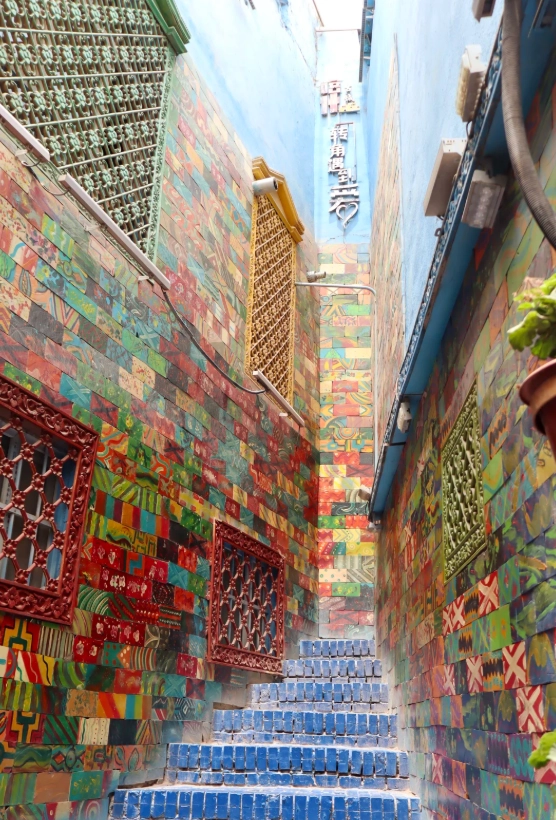
Kashgar Old City FAQs: Your Questions Answered
Here are the questions I hear most from my travelers.
Final Thoughts from a Local Guide
Kashgar isn't a flashy city; it's a sensory one. It will test your patience with its heat, dust and haggling, but it rewards you with a glimpse of a life that hasn't entirely bowed to modernity. If you go with the right expectations, this could be the most memorable stop in your Central Asia trip.
Remember: slow down. The best things to do in Kashgar aren't listed on a map — they happen when you accept an invitation for chai, or get lost in an alley that smells of dried apricots.
Happy travels — and if you have a 24-hour layover, just go straight to the Old City. Don't sleep it off.





No comments yet.