 Hong Ma
What's in This Guide
Brutal winds. Dust in your teeth. A toilet that's a hole in the ground. That was my first April trip to Karakul Lake — and I wasn't prepared. I've led dozens of tours to this shimmering patch of blue in the Pamir Mountains, and I can tell you this: the best time to visit Karakul Lake is not what most Chinese travel blogs claim. Here's the truth upfront: you want late May to early June, or mid-September to early October. July chokes you with crowds and high-season prices; winter freezes the lake solid and closes guesthouses.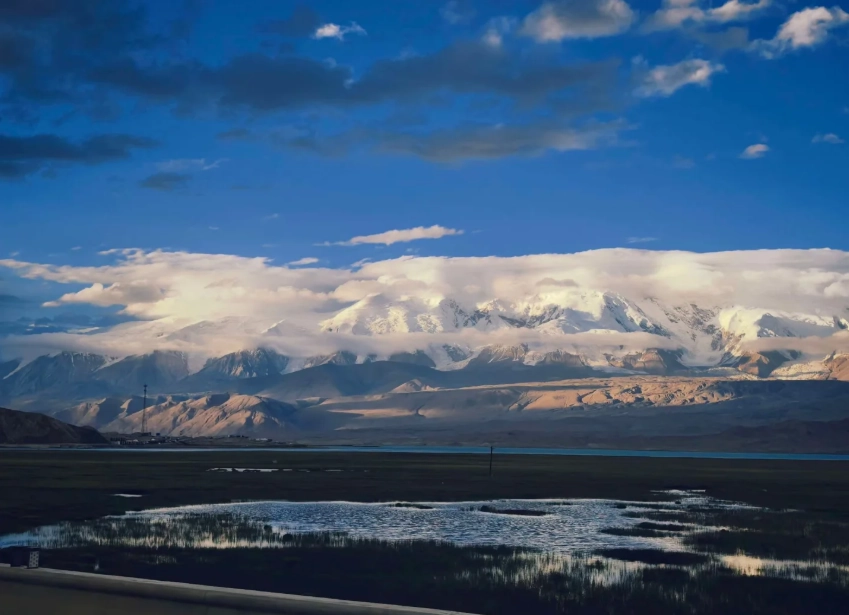
Why Best Time to Visit Karakul Lake Matters
Karakul Lake sits at 3,600 meters above sea level, near the foot of Mount Muztagh Ata. The weather here is not a gentle topic. It's the difference between a stunning mirror of snow peaks and a miserable, windy, freezing ordeal. I've seen tourists shiver in August, and others soak up sun in October. The secret is not luck — it's choosing the right window.
Your comfort, safety, and budget all depend on timing. The lake is accessible by a well-paved road from Kashgar, but that road can close if snow arrives early or mudslides hit in summer. Even when open, guesthouses and yurts operate only during certain months. If you're with a tour group, schedules may be rigid, but if you're independent, you can optimize your dates.
Beyond weather, you have to factor in the Karakul Lake best time for photography, avoiding crowds, and even your own physical limits. High altitude makes every step heavier. You don't want to be battling altitude sickness while a hail storm rolls in.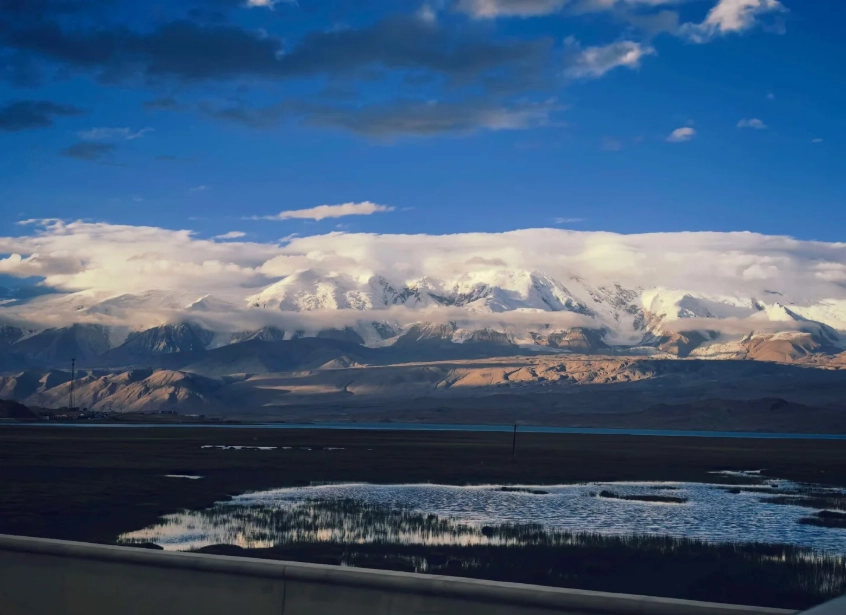
What Is the Weather Like at Karakul Lake by Month?
Here’s a month-by-month breakdown I’ve assembled from years of visits and local records. Use this table to match your travel style.
| Month | Average Temp (°C) | Precipitation | Road Access | Tourist Level | Notes |
|---|---|---|---|---|---|
| January | -15 to -5 | Low (snow) | Often closed | None | Frozen lake, extreme cold, guesthouses shut. |
| February | -12 to -3 | Low | Often closed | None | Still harsh. Don't attempt. |
| March | -5 to 5 | Light snow | Road opens sometimes | Very low | Ice melts slowly. Windy. Only for experienced winter campers. |
| April | 0 to 10 | Light rain | Open (check snow) | Low | Thawing lake, mud in places, still cold nights. |
| May | 5 to 15 | Moderate | Open | Moderate | Late May is great. Grass greens, wildflowers start. |
| June | 10 to 20 | Moderate (rain) | Open | Busy | Early June is ideal. Warm days, cool nights. Crowds grow. |
| July | 12 to 25 | Rainy season | Open | Very busy | Warmest but crowded. Afternoon storms common. |
| August | 10 to 22 | Rainy | Open | Very busy | Similar to July. Rain can block views. |
| September | 5 to 15 | Dry | Open | Moderate | Mid to late September is perfect. Crystal skies. |
| October | -2 to 8 | Low | Open until early Oct | Low | Early October is stunning. Later becomes cold. |
| November | -10 to 0 | Snow | Can close | None | Windy, freezing, not recommended. |
| December | -15 to -5 | Snow | Often closed | None | Frozen, inaccessible. |
As you can see, the best time to visit Karakul Lake knits together mild temperatures, stable roads, and manageable crowds. My personal favorites are late May and late September — you get the magic without the mob.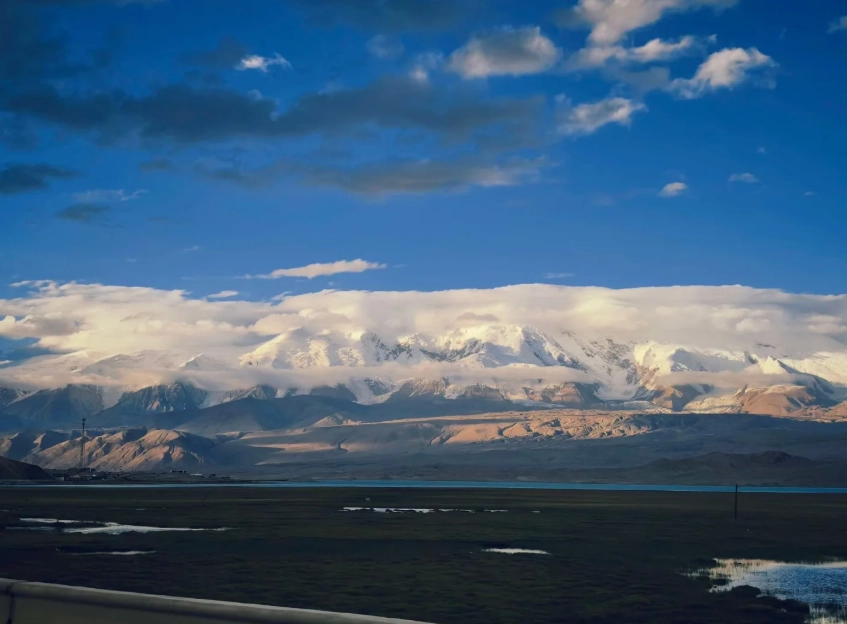
The Short Answer: Best Time to Visit Karakul Lake
Here’s a straight answer for those who want it now: go in late May to mid-June, or mid-September to early October.
Why these windows? In late May, the snow has melted, the grass is spring green, and the lake reflects Muztagh Ata without summer haze. June is still pleasant, but crowds start arriving. September brings stable high pressure, meaning long, clear days and comfortable walking weather. Early October adds golden autumn hues — absolutely magical before the gates close for winter.
If you're chasing perfect photography, aim for sunrise or sunset. In September, the sun sets around 8 PM, giving you long golden hours. In late May, it closes to 9 PM, but the light is softer.
Avoid July and August unless you have no choice. The rain turns the dirt paths into mud, and the lake often disappears behind heavy clouds. Also, Chinese holidays like National Day (early October) can flood the area with domestic tourists. Keep an eye on the calendar.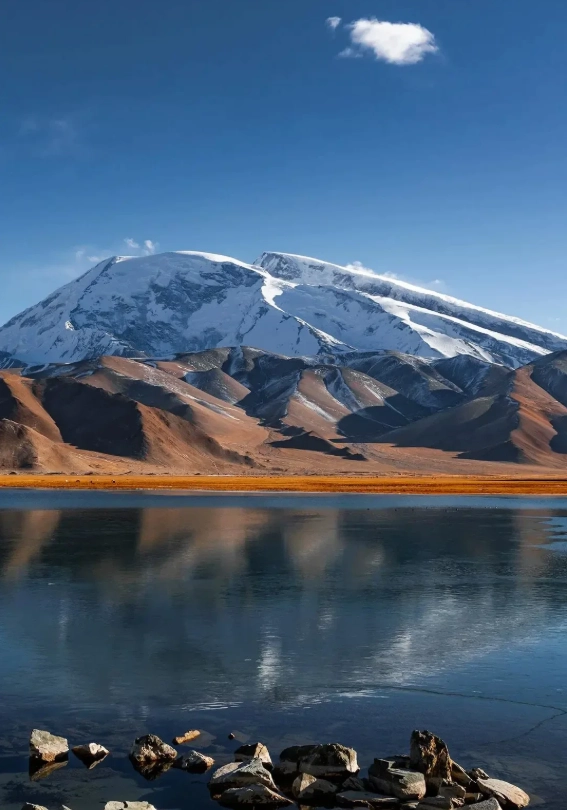
How Do You Get to Karakul Lake?
Karakul Lake is about 190 kilometers from Kashgar. The drive takes roughly 3–4 hours along the beautiful Karakoram Highway. No direct public bus goes to the lake, so most visitors join a day tour or hire a private car.
Your best bet is hotel booking in Kashgar or a local travel agency. I usually recommend my clients book via Trip.com or Klook for a hassle-free experience. They handle the driving permit and the border pass. For independent travelers, be prepared to negotiate with drivers at the Kashgar bus station — have a written agreement in place.
Important: you'll need a border permit (边防证) because Karakul Lake is in a sensitive area. Arrange it in Kashgar with your hotel or a travel agent. Bring your passport and a few photocopies. It's a bureaucratic formality, not dangerous, but without the paper, you'll be turned back.
Navigation: forget Google Maps — it's unreliable in China. Use Apple Maps or download the AMap Global app before you go. Input the Chinese name: 喀拉库勒湖. Show the characters to your driver.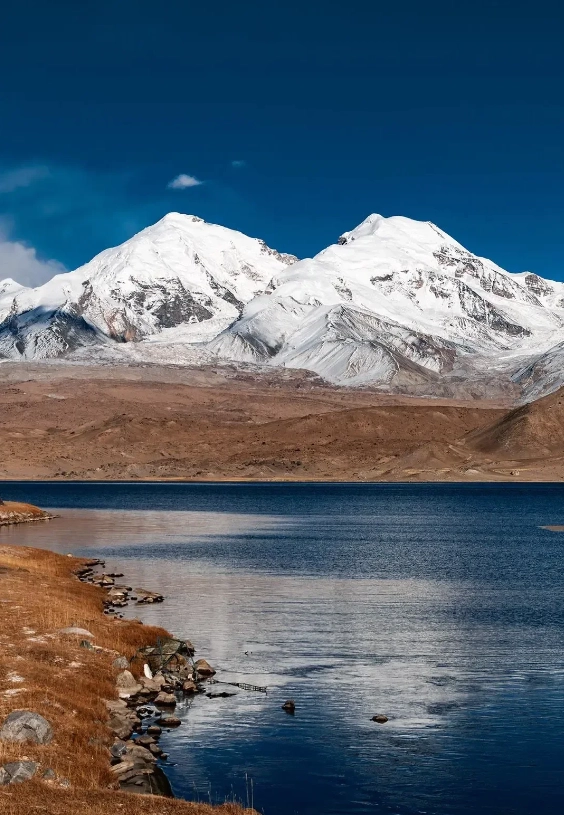
Insider Tips for a Comfortable Visit
Now let me save you some money and headaches. Here are the things I always tell my clients:
Packing for the Altitude
Even in summer, nights drop near freezing. Bring layers — fleece, windproof jacket, and a warm hat. Sunscreen is non-negotiable; the UV at 3,600 meters is brutal. I once had a tourist fall asleep in the sun for an hour — his face looked like a lobster for a week.
Altitude Sickness Preparations
If you're coming from low altitude, spend a night in Kashgar (1,290m) to acclimatize. Drink plenty of water, avoid alcohol. You can buy Diamox (acetazolamide) at pharmacies in China without a prescription, but talk to your doctor first. Many tourists also swear by local herbal remedies. Listen to your body; if you get headaches, dizziness, or nausea, descend immediately. The nearest medical help is back in Kashgar.
Payment and Connectivity
Most guesthouses and small restaurants at the lake accept cash or WeChat Pay / Alipay. International credit cards are rarely accepted. I recommend carrying 500–1000 RMB in cash for the trip. You'll also need a VPN for any Google services. Download offline maps and a translation app like Baidu Translate — it works better than Google Translate for Chinese.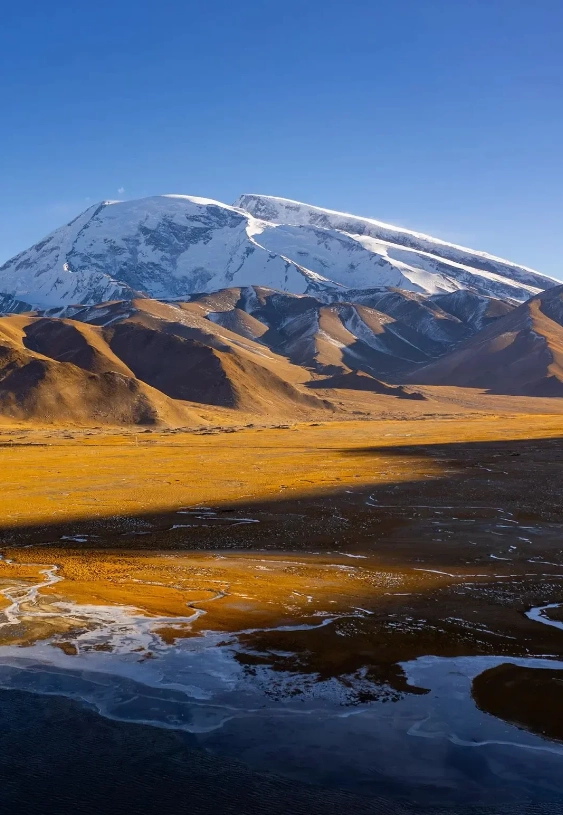
Where to Stay
If you want the sundown-to-sunrise experience, stay in a yurt or a small guesthouse by the lake. Be aware that facilities are basic — shared toilets, sometimes no heating. For a comfortable overnight, book ahead through Trip.com. If you're on a tight schedule, a day trip from Kashgar is feasible, but you'll miss the best light.
Food and Drink
Try the local dried fish and yak meat dishes. Most eateries serve simple Chinese and Uyghur food. Do not drink the lake water — always have bottled water. I always remind my groups to bring snacks from Kashgar; the choices at the lake are limited.
Pro Tip: If you feel claustrophobic in a yurt with shared sleeping arrangements, book a separate cabin. It costs a bit more but worth the privacy. Also, pack earplugs — the wind howls all night.
Altitude, Culture, and Safety Tips
Karakul Lake is home to the Kyrgyz and Tajik people. They are incredibly hospitable but also shy. Always ask permission before taking photos of people. Respect their customs — don't run around barefoot in public, and dress modestly.
Security: the region is safe. The border police are friendly but strict. Carry your passport and border permit at all times. Do not take photographs of military facilities or checkpoints.
Wildlife: you might see yaks and marmots. Keep a respectful distance — yaks have big horns and don't appreciate surprises. Marmots are cute but can carry fleas; don't touch them.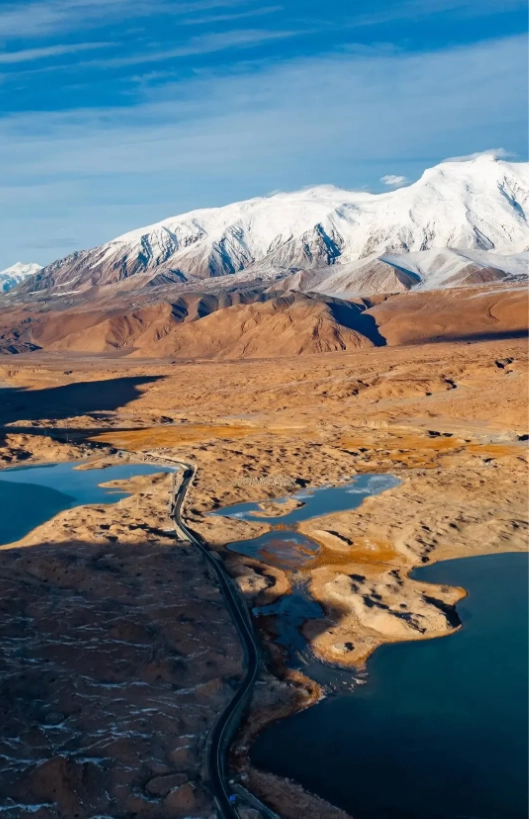
Frequently Asked Questions
Before you go, double-check current road conditions and border regulations with the Kashgar tourism office or a reputable local agent. The mountains don't change much, but infrastructure and permits do.





No comments yet.