 Jian Zhao
Quick Guide to This Kashgar Itinerary
I almost lost a client in Kashgar's old town last spring. Not because it's dangerous—but because all the alleys look the same, and Google Maps had him circling a mosque that didn't exist. Let me save you from that headache.
If you're planning a Kashgar 3-day itinerary, you'll quickly notice most online guides are copy-paste fluff. They say 'visit the Grand Bazaar' and stop. But they don't tell you that your international credit card won't work at the ticket booth, or that the Sunday livestock market starts at 8am, not 10am.
Here's the honest truth: you can see the essentials in three days, but only if you skip a few overrated spots and time your moves carefully. I'll share the exact plan I use with my clients—including the one-hour window when the old town is actually peaceful.
What to Know Before You Go to Kashgar
Before we dive into the day-by-day, let me hit you with the non-negotiable stuff. Kashgar is not Beijing or Shanghai. Things work differently here, and a little prep goes a long way.
Visa and Travel Permit
Most foreign visitors need a China visa. Depending on your nationality, you may also need a separate permit for Xinjiang. The rules have changed over the years, so don't rely on a random blog. Check with your nearest Chinese embassy or a reputable travel agency before booking your flights. I've seen people turned away because they missed this step.
Payments: Cash is Still King
Yes, Alipay and WeChat Pay dominate China, but in Kashgar, many small vendors and taxis still prefer cash. Bring a mix of small bills (RMB) for the Sunday market and street food. Bigger shops and hotels accept cards or mobile payments, but you'll be stuck if you only have a card. I always carry 500 RMB in small notes with me during tours.
A quick note: if you have Alipay linked to your international card, you're ahead of the game. But in Kashgar, don't be surprised if a 60-year-old carver has no QR code. He just wants a 10-yuan note.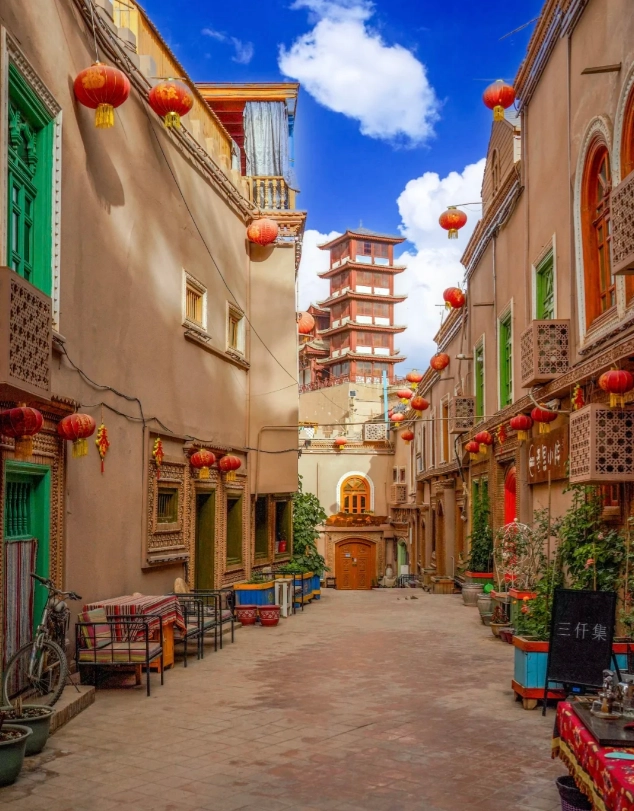
Navigation: Forget Google Maps
Google Maps is simply not reliable in Kashgar. It points you to closed roads and phantom landmarks. Use Apple Maps or the Chinese app AMap (also known as Gaode) with English turned on. Alternatively, download an offline map of Kashgar on Maps.me before you arrive. I always have both ready on my phone.
When you're in the old town, just accept that you'll get lost. That's part of the charm. But to avoid meltdowns, remember this: if you walk uphill, you'll eventually hit the main road.
VPN and Translation
You'll need a VPN to access WhatsApp, Instagram, and Google services. Install it before you land. For translation, download the Mandarin offline pack on Apple Translate or Baidu Translate. Point your camera at a street sign, and the app will translate it instantly. It's a lifesaver.
Day 1: Old Town and Id Kah Mosque
Your first day should be all about the old town. If you arrive by morning, you can hit the ground running. If you arrive in the afternoon, adjust the times accordingly.
Morning: Arrive and Settle
If you're flying into Kashgar (KHG), it's a short taxi ride to the old town. The fare should be around 15-20 RMB. Pro Tip: Ask your hotel for a pickup if possible—drivers at the airport expect to negotiate, but the hotel can give you the correct price. Drop your bags at your hotel or guesthouse, and grab some breakfast.
For breakfast, I always send clients to 'Kunlun Bakery' near the east gate of the old town – their naan and milk tea are solid. It's not fancy, but it's fast. (You might not find it on Google Maps, so ask for 'Kunlun Nang' – locals will know.)
Afternoon: Explore the Old Town Labyrinth
Start at the east gate of the old town, which is easy to spot thanks to the giant metal drum. Walk in and just wander. No specific route – that's the point. You'll discover pottery workshops, woodcarving stores, and quiet courtyards with apricot trees.
Around 2pm, the sun gets harsh. That's the perfect time to step into the Id Kah Mosque (艾提尕尔清真寺). It's one of China's largest, and the entrance fee is modest – around 20 RMB I think, but it might have changed. You'll need to show your passport to buy a ticket, and of course, dress respectfully. Non-Muslims can visit the main courtyard and gates but may not enter the prayer hall during prayer times.
Here's a tip most guides won't tell you: the best photos of the mosque happen before 9am or after 6pm, when the square is empty. Midday is chaos with tour groups. If you have flexibility, save the exterior shot for sunset.
Late Afternoon: Bazaar Run
From the mosque, walk about ten minutes east to the Kashgar Bazaar (also called the international grand bazaar). It's a huge maze of spices, rugs, and crafts. Use the main entrance off Jiefang South Road. Remember: the bazaar starts to close around 6pm, so go before 4pm to see it at its liveliest. Prices here are not fixed, but they're also not as insane as some tourist traps. A fair rule: offer half of what they first quote, then settle around 60%.
I always tell visitors to skip the food stalls here for dinner – they're overpriced. Instead, head to the Old Town's West Gate area, where the locals eat. Look for the crowd at 'Abdulla's Skewers' (it's not on Google Maps, but you'll smell it). Each lamb skewer is about 5-8 RMB, and they're juicy, slightly sweet, and just a hint spicy.
Evening: Watch the Old Town Turn Golden
As the sun sets, the old town's clay walls glow amber. Climb to any rooftop terrace – my favorite is the one behind the 'Nurber House' – and just watch the kites fly. Many guesthouses have rooftop cafes, so even if you're not staying there, buy a cup of tea and enjoy the view. Dinner at 'Chaital Keti' (a tiny spot on the main pedestrian street) has the best laghman (hand-pulled noodles) I've found. It's around 15 RMB a bowl.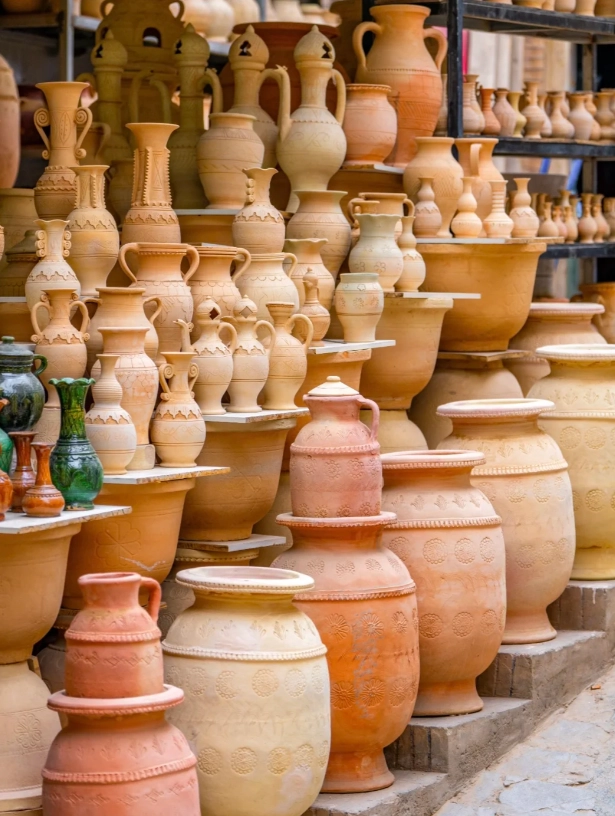
Day 2: Sunday Livestock Market & More
If you're in Kashgar on a Sunday, this is the day you've been waiting for. The famous Sunday Livestock Market (Kashgar Animal Market) is a chaotic, dusty, unforgettable spectacle. But it's on the outskirts, so plan carefully.
Morning: The Animal Market (Must Go)
Get up early. The market starts around 8am and winds down by noon. Grab a taxi from your hotel; the fare should be about 20-30 RMB, and it takes 15-20 minutes. Tell the driver 'Yingmaili' – that's the animal market district. They'll know.
You'll be dropped at a big field with sheep, goats, cattle, and – if you're lucky – camels. It's dusty, loud, and absolutely photogenic. Here's the catch: as a foreigner, you'll be noticed. Some kids may ask for money or to be in photos – just politely say no if you're uncomfortable. Also, watch your pockets. It's crowded.
Inside, you'll see sheepherders slapping hands to seal deals. It's all business. After you've had your fill of the livestock, check out the adjacent small bazaar selling hats, boots, and bread. This is where you can try kid's naan – a fluffy, warm bread unique to this region.
Midday: Recover and Recharge
By 11am, you'll be hot and maybe a bit overwhelmed. Head back to the old town and rest. For lunch, do what the locals do: a bowl of 'chop' (mutton soup) at the old town's east entrance food alley. Look for a stall with a giant steaming pot. It's simple, hearty, and cheap – around 20 RMB with naan.
Afternoon: Cultural Sites or Walks
After a break, you have several good options. Choose based on your interest:
- History buffs: Visit the Abakh Hoja Tomb (often called the Fragrant Concubine Tomb). It's a beautiful turquoise-tiled complex, about 10 minutes by taxi from the old town. Expect to pay around 30 RMB, and don't forget your passport for entry.
- Museum lovers: The Kashgar Museum has surprisingly great exhibitions on Silk Road history and Uyghur culture. It's free, but you must present your passport and register at the entrance.
- Market fans: Go back to the old town and explore the Handicraft Street (Techne). It's the street where all the copper smiths work. Watch them hammer bowls and teapots – and buy something if you can.
For everyone, I recommend grabbing a cinnamon milk tea at the best tea house – locals will point you to one with carpets on the floor. It's a perfect break between activities.
Evening: Night Tour Option
The old town is magical after dark. The lights turn on, and the crowds vanish. Take a walk from the north gate to the south gate – it's about 1.5 kilometers. You'll see locals having dinner on the street, smiling, fishing with you. It's safe, but be polite. For a splurge, there's a high-end restaurant called 'Mai Su La' in the old town that does decent Uyghur set menus. Prices are higher, but the setting is more polished.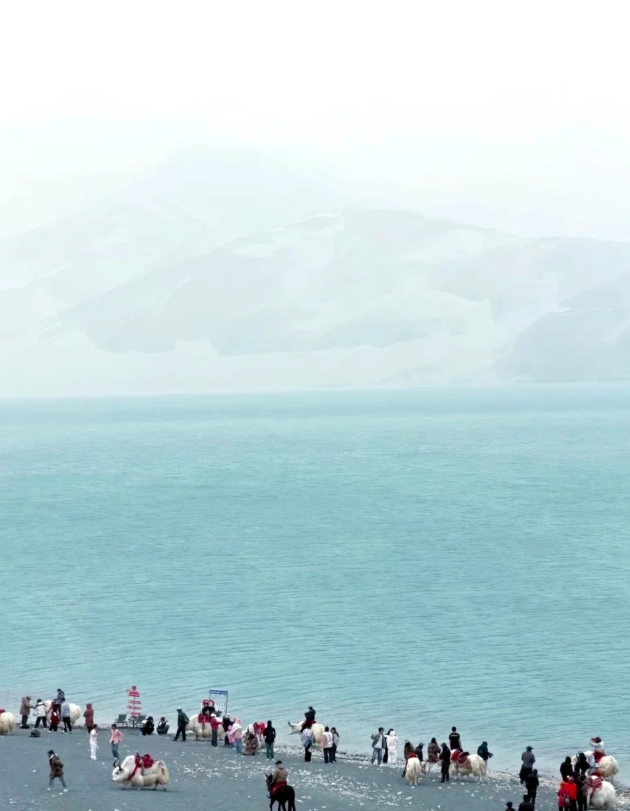
Day 3: Historical Sites and Border Town Vibes
By day three, you might be a bit fatigued. Don't worry – day three is more relaxed. You can structure it around what you missed earlier or dive into a day trip.
Morning: The Old City Walls and Lookouts
Start at the Kashgar Old City Wall – there's a preserved section near the east gate. You can climb up and walk along a short stretch. It's not a massive Great Wall, but it offers a great perspective over the old town. Bring your passport; sometimes they check at the entrance.
Then, visit the Museum of Xinjiang's Uyghur Culture if you haven't already. It's small but informative. To be honest, it's a bit dusty, but the artifacts are interesting.
Afternoon: Choose Your Own Adventure
If you have the time and energy, there are two classic excursions depending on your fitness level:
- Shipton's Arch – a massive natural stone arch in the mountains, about 90 minutes away. The last stretch requires a steep hike. It's absolutely worth it for photographers, but it's not for everyone. Arrange a car and driver for the day – your guesthouse can help. Expect to pay around 300-400 RMB for a full-day charter.
- Karakul Lake – a stunning high-altitude lake near the Pakistan border. The journey takes about 3-4 hours each way, so you'll need to leave early. This is better as a two-day trip, but you can do a painfully long day trip if you're on a tight schedule. (Honestly, I don't recommend rushing it.)
If you'd rather stay in town, take a leisurely morning at the Sunday market if today is also a market day (but note, if you're following this itinerary, Day 2 was your market day). Or simply wander the old town and buy souvenirs. I always tell my clients to get Uyghur embroidered hats from the craftsmen near the east gate – they make great gifts.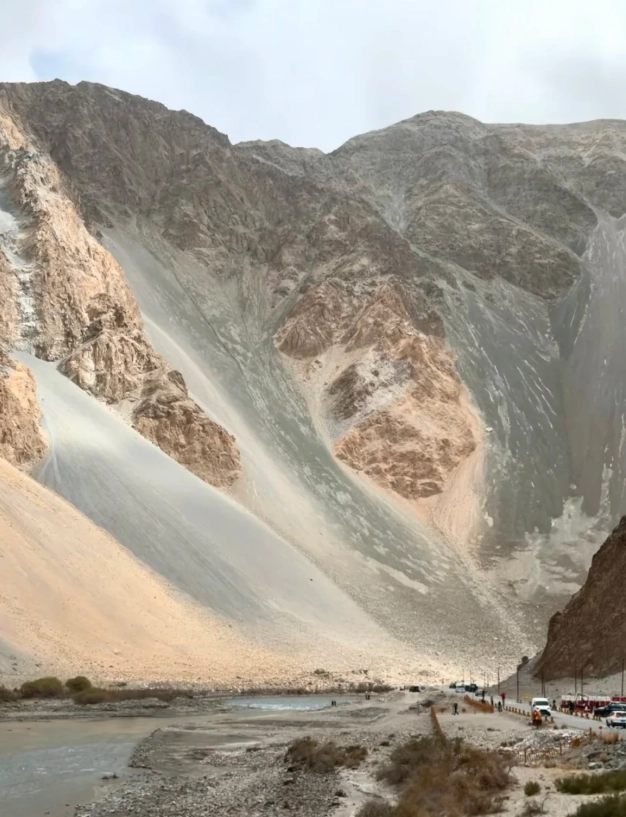
Evening: Farewell Dinner
For your last night, go big. 'Eskert Restaurant' (find it on a street called 'Karameshe' – locals know it) serves excellent lamb pilaf and roast chicken. It's a lively spot with locals and travelers. Prices average 40-60 RMB per person, which is great value. If you want something more refined, the 'Huaqiang Hotel' restaurant offers a mix of Chinese and Uyghur dishes, but it lacks atmosphere.
What's the Best Place to Stay in Kashgar?
Your base matters more here than in other cities. For a 3-day trip, I recommend staying right in the old town or just outside its gates. Here's a quick comparison of options I've personally used or inspected:
| Hotel Name | Distance to Old Town | Est. Price per Night (RMB) | Best For |
|---|---|---|---|
| Kashgar Old Town Boutique Hotel | Inside old town, 5 min walk to Id Kah | 350–600 | Couples and photographers |
| Kashgar Skyline Hotel | 5 min taxi to east gate | 250–400 | Business travelers |
| Old Town Youth Hostel | Inside old town, near West Gate | 60–120 (dorm) | Backpackers and solo travelers |
| Huaqiang International Hotel | 15 min walk to old town | 400–700 | Comfort seekers |
Prices are estimates from my past visits. Always confirm online or via your booking app.
If you're a first-time visitor, I'd personally choose the 'Old Town Boutique Hotel' – you can wake up and be in the maze within minutes. Backpackers should book a dorm at the 'Youth Hostel'; they have comfy beds and the staff are used to foreign guests. Just be ready for thin walls – old buildings, you know.
How Do I Navigate Kashgar Without Getting Lost?
Kashgar is a walkable city if you stay in the old town area. For longer distances, taxis are cheap. Here's the code: taxis charge by meter, and a ride within the city center is usually 5-10 RMB. It's honestly cheaper than a bus if you're with friends.
But there's a catch: many taxi drivers don't speak English, and they might try to quote a fixed price (especially from the airport). Pro Tip: Always insist on the meter ('Dǎbiǎo' in Chinese) or agree on a price before getting in. To be safe, have your hotel write your destination in Chinese characters. If you have a smartphone, show the Chinese on the screen.
For navigation on foot, again, don't trust Google Maps. Use Apple Maps or AMap. The old town is fun to get lost in, so just go with it. If you're worried about getting lost, remember that the old town is compact – the farthest point from any gate is a 10-minute walk.
For booking long-distance trains, I always check 12306.cn for schedules or use Trip.com. They are both reliable.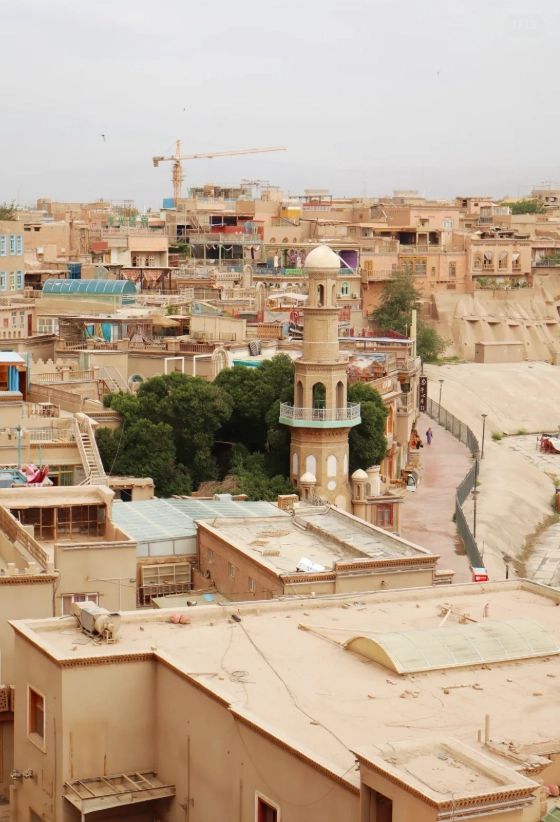
FAQs About the Kashgar 3-Day Itinerary
This content has been fact-checked to ensure informational precision based on local knowledge and recent traveler feedback. Always confirm prices and opening hours at the destination, as they change over time.






No comments yet.