 Peng Gao
Jump to the good stuff
I never tell clients to just 'go with the flow' in Kashgar. That's a mistake. The city is magical, but it fights back if you don't plan. I've spent 8 years walking these alleys, and this 5-day route is the exact one I use with my private groups. It skips the overhyped spots and digs into the real Uyghur culture — with precise times, costs, and the insider shortcuts that float around only in local WeChat groups.
Before we dive in, here is the hard truth: your international credit card will not work at most restaurants and stalls. You need to carry cash or have Alipay set up with a foreign card. Also, Google Maps is useless here. Download Apple Maps or AMap Global before you arrive. And yes, you'll need a VPN for most western sites — set that up before your plane lands.
Now, the route. It's designed to beat the heat, dodge the crowds, and give you the light that actually shows off Kashgar's golden brickwork. Let's start.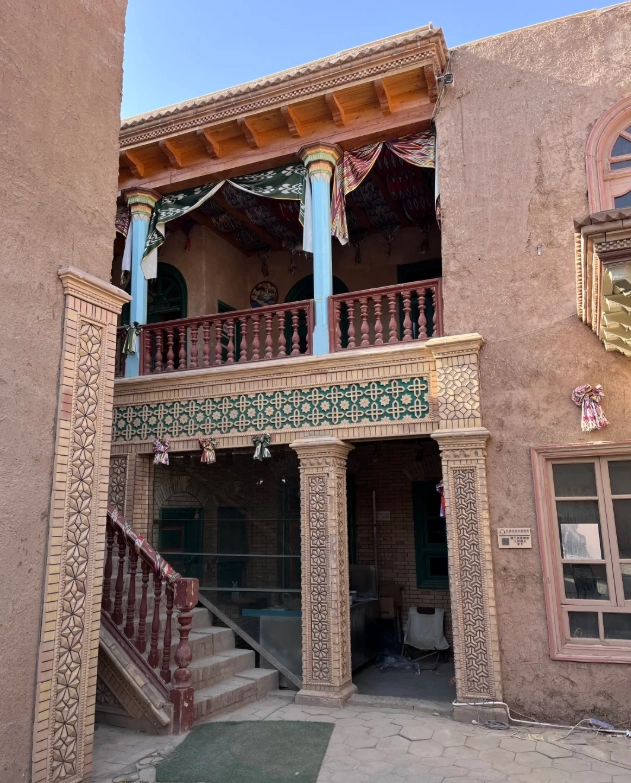
Day 1: Arrival & Old Town Orientation
Most flights land in the afternoon. My advice? Don't rush. Your hotel is likely in the Old Town, so once you drop your bags, take a slow walk around the maze-like streets to build your mental map. The alleys look chaotic, but they follow a logic — the main path from the East Gate to the Id Kah Mosque is the safest starting point.
Check-in and cash at the right spots
Stay inside the Old Town walls. I always recommend choosing a guesthouse within the walled quarter, ideally near the East Gate. It costs a bit more, but waking up to the call to prayer from the mosque is something no modern hotel can replicate. One of my favorites is Qara Dwelling (address: 154 Ubeshi Alley, Old Town) — they have a rooftop terrace with a direct view of Id Kah. Prices range from 200-400 RMB for a double room; book via Trip.com to get the official rate. For a budget option, try Kashgar Travel Inn on the main bazaar road — basic but clean, and the staff will help you arrange taxis.
Find a bank ATM before 6 PM. Cash is king for day-to-day purchases in Kashgar. ICBC and Bank of China have ATMs on Id Kah Plaza that accept foreign cards (look for the silver UnionPay sign, but Visa/Mastercard mostly work). Withdraw at least 1,000 RMB on Day 1 — you'll need it for market days and the Karakul Lake trip.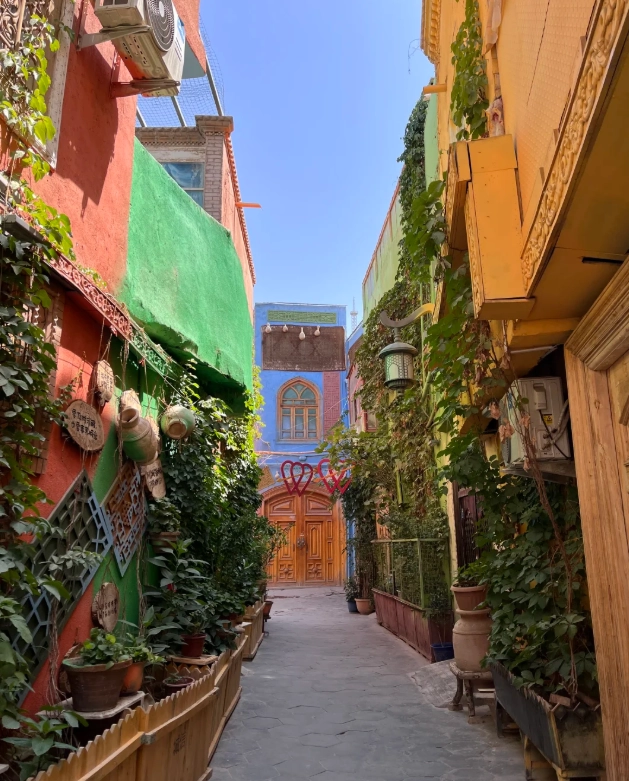
Evening: Sunset at Id Kah Mosque Square
Head to Id Kah Mosque square around 8 PM in summer (7 PM in winter). The mosque's main gate is bathed in warm orange light as the sun sets, and the square fills with families, ice cream sellers, and pigeons. Bring your passport — the surrounding area is technically a religious zone, and police checkpoints are common. The mosque itself is open to tourists from 10 AM to 8 PM, ticket is 30 RMB, but I'd skip going inside; the square is the real show.
After sunset, wander into the Old Town Night Market (a.k.a. Huo Che Zhan Night Market) near the east gate. Try samosa (samsa) from stall #3 — they're baked in a clay tandoor right in front of you. A fresh lamb samosa costs 5 RMB. Wash it down with a glass of horse milk yogurt (8 RMB) from the cart across the lane. Both stalls accept only cash or mobile payment — no cards.
Getting back to your hotel: The Old Town is small, but the alleys get dark. Use Apple Maps to navigate, or simply hail a taxi from the main square — it'll be about 10 RMB to anywhere inside the walls. Make sure the driver drops you at the correct gate.
Day 2: Karakul Lake & the Pamir Highway
This is the day you came for. Karakul Lake sits at 3,600m elevation, surrounded by the snow-capped Pamir mountains. It's about a 4-hour drive from Kashgar along the China-Pakistan Highway — an experience in itself. The highway climbs past stunning red rock canyons and yurt villages. You have two options: join a shared tour or hire a private driver. I always book a shared minibus through Trip.com or Klook for around 150 RMB per person round-trip; they pick you up from your hotel at 7 AM sharp.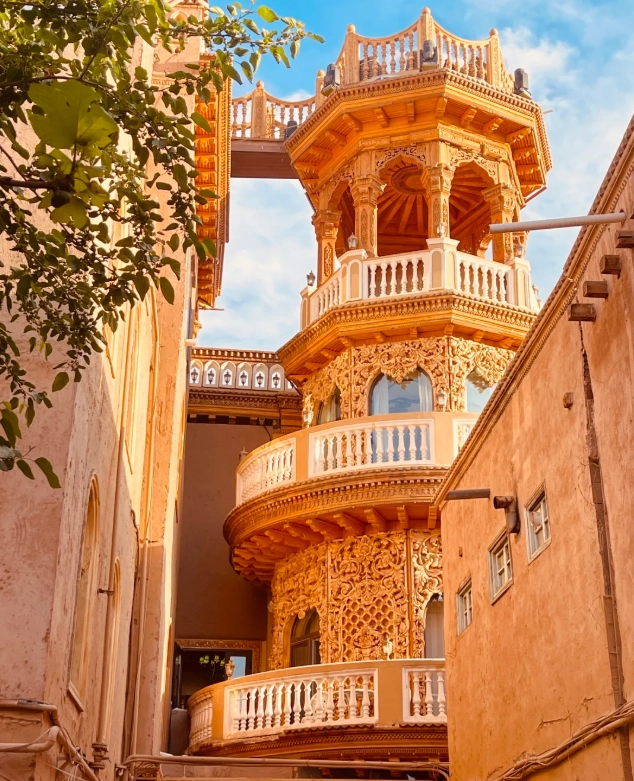
The route and what it'll cost
| Item | Cost (RMB) | Notes |
|---|---|---|
| Shared minibus (per person) | 150 | Includes driver and basic stops, book online |
| Park entrance ticket | 50 | Pay cash at the gate, passport required |
| Lunch at yurt restaurant | 40-60 | Lamb pilaf and black tea |
| Optional camel ride | 100 | For 30 minutes around the lake shore |
Bring a light jacket even in summer. The altitude makes the temperature drop fast, especially in the shade. I've seen tourists shivering in July. Pack an extra layer, sunglasses, and altitude sickness pills (just in case). Most people feel fine, but the drive up is winding — if you're prone to motion sickness, take a Dramamine before you leave.
The minibus stops at several viewpoints: the Opal Gorge around 1.5 hours in, the White Sand Lake at 3 hours, and finally Karakul Lake at 4 hours. You'll have about 2 hours at the lake — enough to hike 10 minutes to the Keketulope pasture viewpoint, where the yurts are fewer and the reflections of the mountains are flawless. If you're with a group, you can also rent a camel for a photo (bargain to 80 RMB).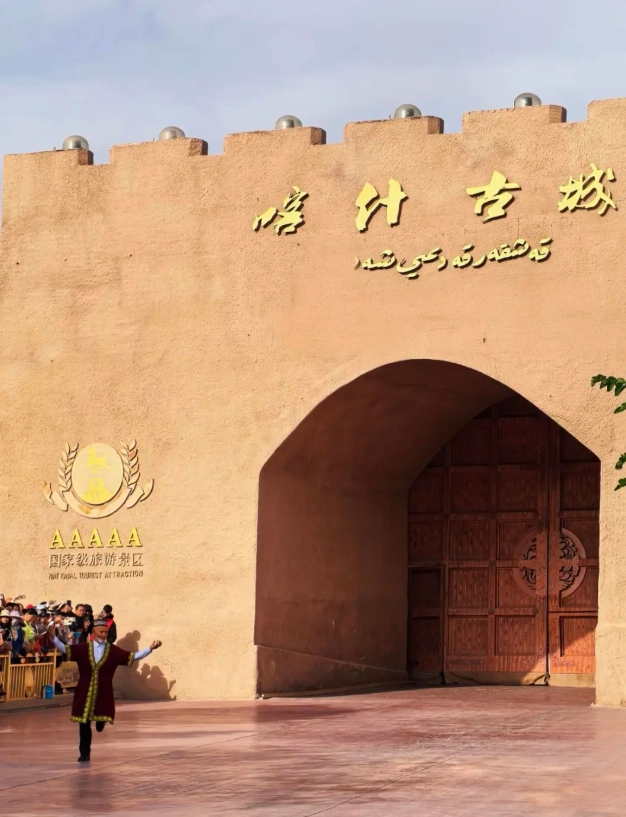
Back in Kashgar, you'll want a rejuvenating dinner. I always take my groups to Eminjan Restaurant (address: 97 Jiefang Bei Lu, across from the bus station). Their lagman noodles are hand-pulled and served with a smoky beef sauce. A bowl costs 25 RMB. The place is cash-only, and it gets busy around 8 PM — be prepared to share a table. No English menu, but just point to the noodle bowl on the next table. It's one of the best, and it doesn't feel touristy at all.
Day 3: Sunday Livestock Market & Id Kah Mosque
If your trip falls on a Sunday, you cannot skip the Sunday Livestock Market (or Yige'er Bazaar). It's the largest in Central Asia, where hundreds of sheep, cows, donkeys, and goats are traded in a dusty field outside the city. It runs from 7 AM to around 2 PM. The action peaks before noon, so set your alarm for 6:30. Even if it's not Sunday, the market square still has a daily bazaar selling everything from hats to horse saddles — but the animal auction only really kicks off on Sundays.
How to get there and what to watch
Take a taxi from your hotel; it's about 20 minutes and should cost 25-30 RMB. Tell the driver 'Yang Bazaar' or show the Chinese characters '羊巴扎'. The entrance is free, but the crowd is intense. Go early to see the sheep auction — where traders size up animals by feeling their ribs. It's authentic, chaotic, and a photographer's dream. Do bring your passport; there are checkpoints at the perimeter.
The market is muddy, so wear shoes you don't care about. You'll also see snack stalls serving freshly cooked mutton and naan. The mutton skewers are 5 RMB each and cooked over a charcoal drum. I always watch the sizzling fat drip — that's the moment you realize you're a long way from Beijing. But honestly, the market can be overwhelming. If you're sensitive to animal smells, stand upwind and take photos from the edge.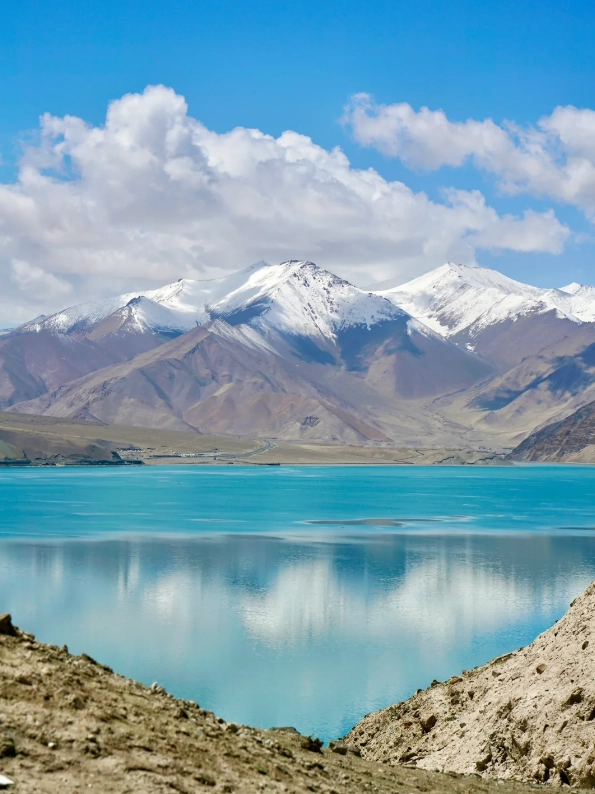
Afternoon: Id Kah Mosque and Old Town wander
Back in town, visit the Id Kah Mosque (properly entered from the west gate of the square) between 2-4 PM, when the light is softer. The mosque itself is 30 RMB and you must cover your shoulders and knees. It's the largest mosque in China — the courtyard with 100+ white columns is the highlight. Photography inside the prayer hall is not allowed, so keep your camera in your bag.
From there, walk to the Ulugh Beg Observatory ruins (free) at the northern edge of the Old Town. It's a 15-minute walk from the mosque, and you'll pass through the quietest residential lanes — kids playing, elders carving wood. On the way, stop at Yusup's Tea House (address: 33 Youyi Road, near the observatory) for a pot of local tea with milk and salt — a Uyghur staple. It costs 15 RMB for a pot, and they'll refill for free.
Dinner tonight: Selet Food (address: 12 Jiefang Nan Lu) does a fantastic chicken pilaf (polo) with raisins and carrots. A hearty plate is 28 RMB, and they accept Alipay/WeChat via your phone. The dish is sweet-savory, a little unexpected if you haven't had Uyghur rice before.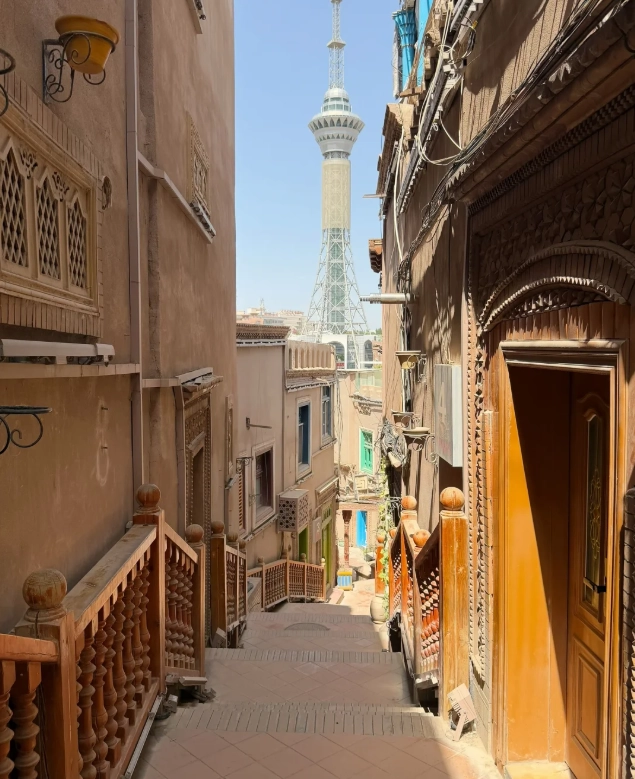
Day 4: Artisan Quarter & Abakh Hoja Tomb
Day 4 is for the crafts. Kashgar was a stop on the Silk Road, and you can still find copper engravers, textile weavers, and woodworkers in the Old Town's artisan quarter. It's not a set museum — it's a living neighborhood. You'll find the main cluster along Enhwat Alley (also called 'Copper Alley') about 10 minutes' walk from the East Gate.
Watch the crafts, but don't fall for the fake
Start at the copper beating workshop at Number 7 Enhwat Alley. You'll see men hammering intricate patterns into copper kettle lids. A small decorative pot costs 50-150 RMB, but beware: many 'handmade' pieces in the bazaar are machine-pressed. Ask the craftsman to sign the bottom — a sign of authenticity. The artisans here don't speak English, but a smile and a nod goes a long way. Payment is cash only.
Next, walk to the silk weaving workshop at Number 22. This is a family-run operation where they spin and dye silk following the old Atles technique. A fabric scarf runs 80-300 RMB depending on the length. The best light for watching the dyeing process is in the morning, so get here before noon.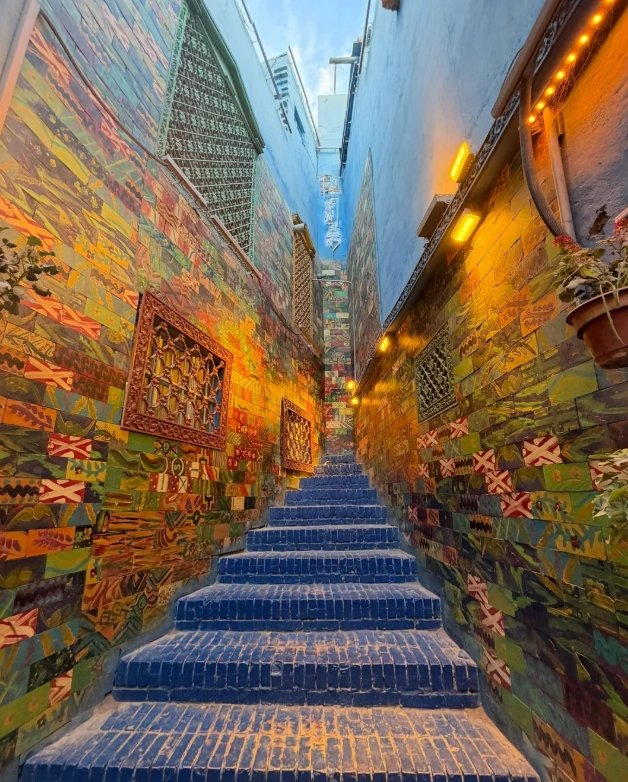
Afternoon: Abakh Hoja Tomb & the Jade Bazaar
After lunch, take a taxi to the Abakh Hoja Tomb (address: 58 Haomit Road). This is the safest of the historical sites — set in a peaceful garden with a beautifully tiled dome. It's the tomb of a 17th-century Islamic saint and his family. Ticket is 70 RMB, and I recommend hiring a side-side guide (50 RMB for a 30-minute tour) to explain the Sufi history and the local lore. Honestly, without a guide you'll be staring at a tile mausoleum and missing the story of the 'Magic Tree' that grows from the ceiling.
On your way back, stop by the Jade Bazaar near the old city. It's open daily from noon to sunset. The jade here is mostly from the Yarkand River, and vendors will quote you 1,000 RMB for something you can bargain to 200. Don't buy unless you know your jade — many pieces are glass or low-grade serpentine. But it's a fascinating window into Central Asian trading culture. I always enjoy watching tourists struggle with bargaining. Solid advice: if you don't have a good eye, simply enjoy the colorful stalls and don't buy.
End your day with a quiet dinner at Uyghur Family Kitchen (address: 8 Yaerchi Lane, inside the old town). This is a converted home with only 5 tables. The owner, Gulnara, makes an epic stuffed lamb leg that you'll need to pre-order via WhatsApp or WeChat at least 4 hours in advance. It's 120 RMB per person, and a boneless, spiced dish that falls off the fork. Trust me, this is worth the pre-planning.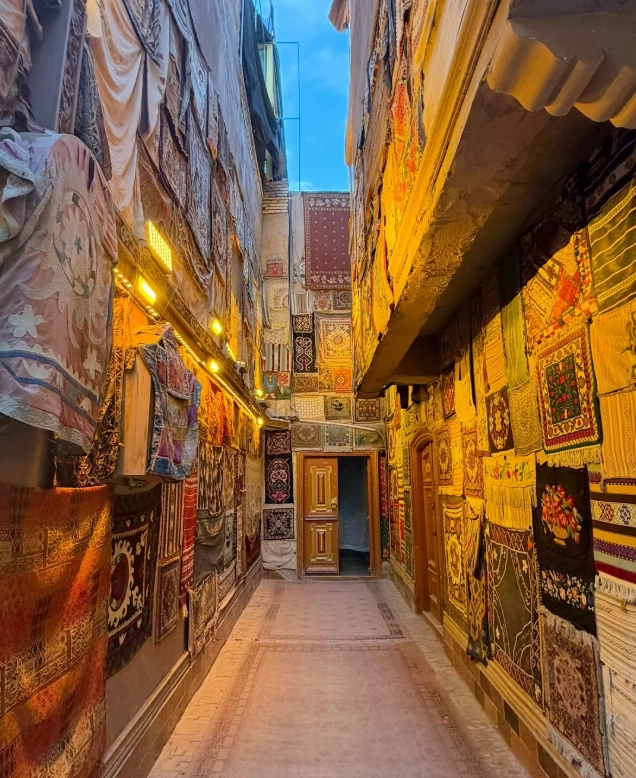
Day 5: Departure or Relaxed Morning
On your final morning, try to catch the Old Town at 7:30 AM. The alleys are empty, the light is soft, and the only sounds are early bakers working their ovens. Stroll to the Id Kah Mosque steps and watch the city wake up. Then grab a quick breakfast of naan and jam from a roadside stall (3 RMB for a large naan).
If you have a late flight, the Grand Bazaar is your last shopping stop. It's located just outside the east gate of the Old Town. Everyone buys the same items — the famous Kashgar embroidered Uyghur hats (10-50 RMB) and handmade paper (15 RMB per sheet). But don't just stick to the front stalls; walk to the back section where the local craftsmen actually supply from. You'll save 30%.
For your airport transfer, add at least 45 minutes for security — there's a roadblock and vehicle check at the airport entrance. Most domestic flights from Kashgar to Urumqi leave in the afternoon. A taxi to the airport is a fixed 50 RMB from anywhere in the Old Town (some drivers may ask for 80, so negotiate upfront).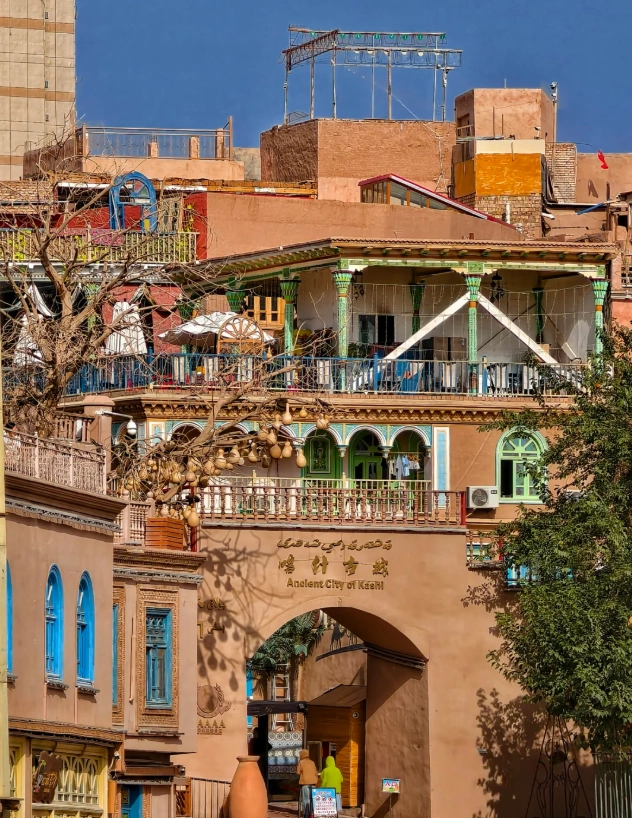





No comments yet.