 Tao Xu
I'll be honest — when I first brought a group to Friendship Pass, I almost lost a client to heatstroke. The ticket queue moved fast, but the sun didn't care. That day taught me everything about preparing foreign visitors for this border crossing turned tourist attraction.
Learning how to visit Friendship Pass isn't just about reading a map — it's about knowing which train gets you to Pingxiang, where the cashless ticket gate is, and why you should never trust Google Maps for the final five kilometers. This guide gives you the exact playbook I use for my own clients.
Now, let's cut the fluff and get you to the border in style.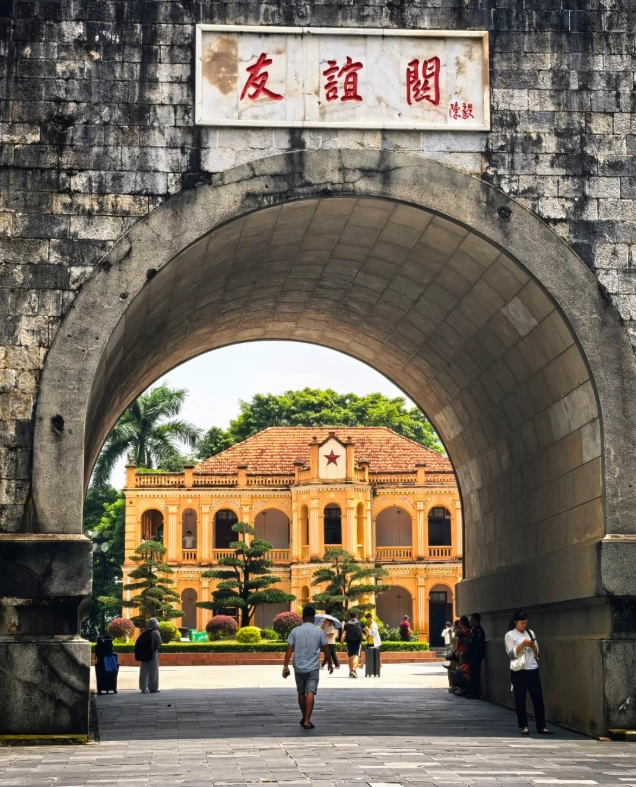
Why Visit Friendship Pass?
Friendship Pass, also known as Youyiguan, is one of China's nine famous passes. It sits about 10 kilometers south of Pingxiang, right on the border with Vietnam. For centuries, it was the gateway for trade, military campaigns, and diplomatic visits. Today, it's a fascinating day trip from Nanning, where you can stand at the boundary between two countries without a visa — the gate itself, however, is locked for crossing.
What makes this spot special is the blend of dramatic natural scenery and layered history. You'll see the grand stone gate, the border guard post, and a small museum that tells the story of the Sino-French War and the later friendship between China and Vietnam.
Visiting here is a way to really feel the physical reality of China's boundary. I always make clients stop for 10 minutes at the viewing platform just above the gate — the sunset there is like nothing on paper.
How to Get to Friendship Pass
The pass isn't on a public metro line, and there's no airport in Pingxiang. So you'll need to combine a few methods. Here's my usual routing.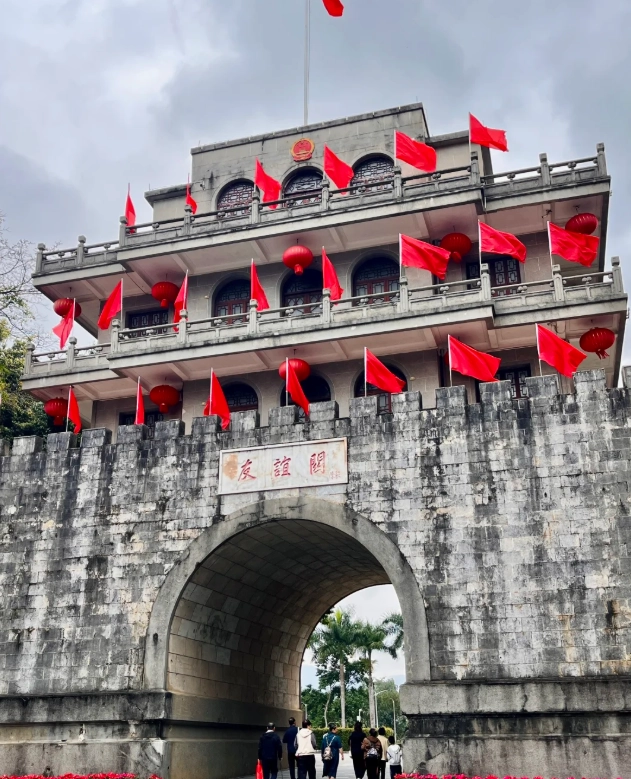
Option 1: Nanning to Pingxiang by Bus
From Nanning's Langdong Bus Station, you'll find express buses to Pingxiang. The ride takes about 3 hours and costs around 80–100 RMB. Once you arrive at Pingxiang's bus station, hop in a local taxi or use Didi to cover the last 8 kilometers to the scenic area. That taxi ride will cost roughly 20 RMB and takes 15 minutes.
Option 2: High-Speed Rail to Chongzuo + Local Bus
If the bus sounds too long, a smoother approach is to take a high-speed train from Nanning East or Nanning Railway Station to Chongzuo. That trip is only 1 hour and tickets start at about 70 RMB. From Chongzuo, take a county bus or taxi to Pingxiang — that's another hour and about 40 RMB. This route tends to have better seats and some scenery along the way.
Option 3: Private Transfer or Day Tour
For a no-hassle experience, just hire a private driver from Nanning for the day. Many local agencies offer round-trip packages that include a stop at Pingxiang and a guide at the pass. Expect to pay anywhere from 600 to 900 RMB for the whole day. If you're in a group, this is the most convenient — and quite honestly, the most comfortable — option.
| Option | Duration | Cost (approx) | Best For |
|---|---|---|---|
| Direct bus to Pingxiang | 3 hrs | 80–100 RMB | Solo budget travelers |
| High-speed train + local bus | 2.5 hrs | 110–140 RMB | Travelers who enjoy trains |
| Private transfer | 4–5 hrs (door-to-door) | 600–900 RMB | Groups or rare comfort |
Tickets, Opening Hours, and Booking
Here's the part that confuses most foreign visitors. The entrance fee is about 60 RMB per adult, but you need to bring your passport. Online booking is actually not mandatory — you can buy tickets on-site at the ticket office. However, if you want to skip the queue, you can pre-purchase on Trip.com or via a WeChat mini-program. Word of caution: the mini-program is entirely in Chinese, so use Trip.com instead if you're not a native reader.
Opening hours are typically 8:00 AM to 6:00 PM, with last entry at 5:00 PM. It's a small area — you'll need 2–3 hours to explore comfortably. I always tell my clients to arrive before 9 AM to beat both the heat and the tourist buses.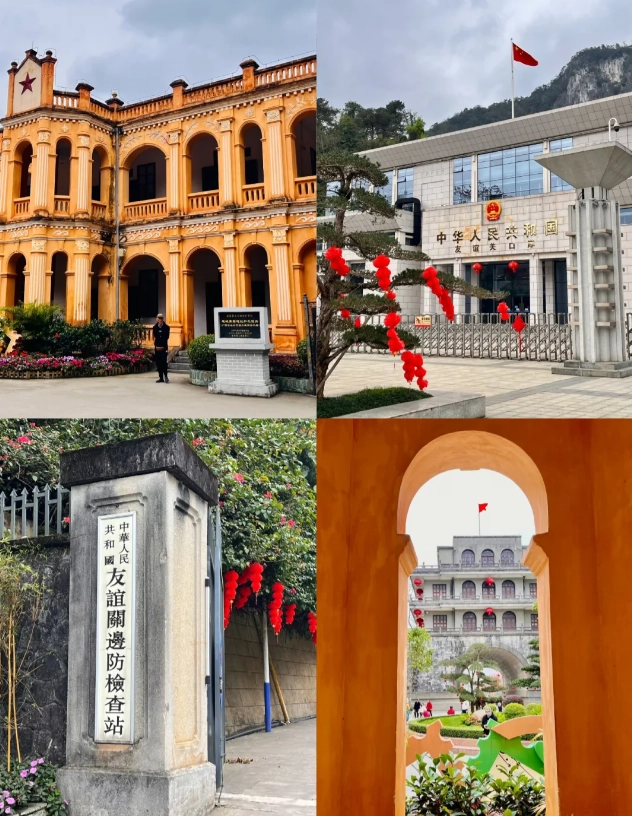
Insider Advice: Don't fall for the touts just outside the gate offering "shortcut" views of the border. They'll charge you extra for a view you can see from the official observation deck inside the scenic area.
What to See Inside the Pass
Once inside, there are three main highlights plus a few hidden corners.
The Friendship Gate
The centerpiece is the massive stone gate, with the words "Friendship Pass" carved in both Chinese and Vietnamese above the arch. Standing in front of it, you can practically hear the echoes of camels and troops — though today it's mostly selfie sticks. Allow 15 minutes just to soak it in.
The Border Museum
Behind the gate, there's a small museum that covers the history of the pass from the Ming Dynasty to the French colonial wars. Exhibits include faded photographs and military artifacts. It's not high-tech, but it's genuine. You'll learn why the pass was called "Zhennanguan" (Suppress-South Pass) before it was renamed to honor Vietnam-China friendship.
The Observation Deck
Don't skip the observation deck on the hill to the left. From there, you can look across the border into Vietnam's Lang Son province. On a clear day, you'll see rice paddies and maybe a few motorbikes kicking up dust on the other side. The short hiking trail begins right next to the museum and takes about 10 minutes.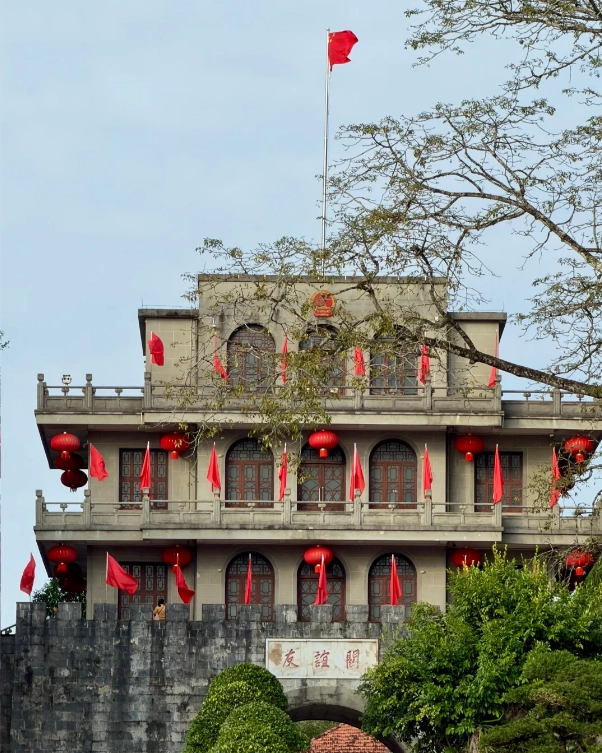
Insider Tips to Avoid the Crowds
Over the years, I've saved many tourists from the most common mistakes. Here are the things I always pack in my tour bag:
- Arrive before 9 AM or after 3 PM to dodge the tour groups.
- Carry your passport, a few 100 RMB notes, and a backup phone battery.
- Never rely on Google Maps for the final approach — download Amap or use Apple Maps.
- Wear solid walking shoes; the cobblestones get slippery.
- Install a translation app and keep a VPN running on your phone.
The sun here is no joke. There's almost no shade in the main square. I've seen visitors turn red within 20 minutes. Bring a hat, sunscreen, and a refillable water bottle — you'll find a drinking fountain near the restrooms.
If you plan to eat at the small restaurant inside the pass, go at 11:30 AM before the lunch rush. The noodles are decent, but they only take WeChat or Alipay — no cash.
And let me warn you about the toilets: the restroom near the ticket office is often the busiest. I recommend using the one at the museum, which is cleaner and rarely crowded.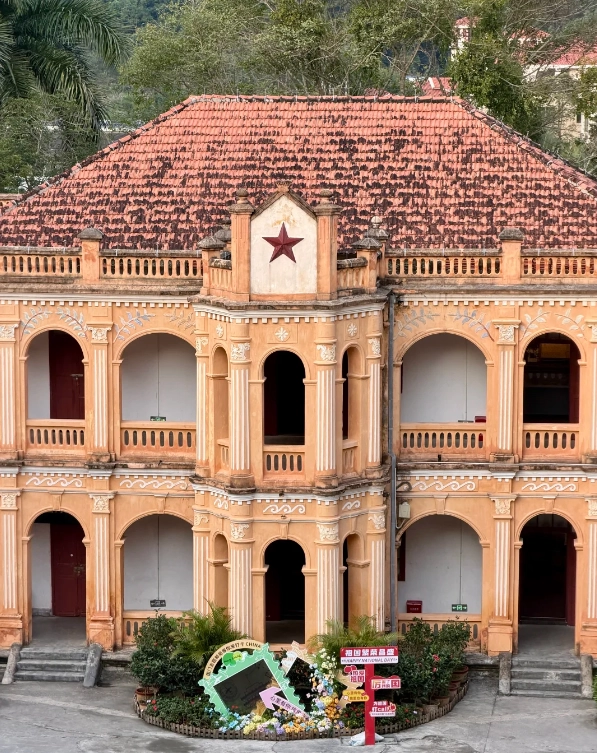
Where to Stay in Pingxiang
Since Friendship Pass is a half-day trip, you can easily stay in Pingxiang and avoid the rush. Here's how I pick a base:
Budget Guesthouses
You can find decent guesthouses around the bus station from about 150 RMB per night. They're basic, but the beds are fine and the staff usually know the bus schedules. Expect shared bathrooms in the cheapest ones.
Mid-Range Hotels
If you prefer something more comfortable, mid-range hotels in Pingxiang's city center range from 250 to 400 RMB. Look for places near the Renmin Park or the pedestrian street — that's where most local restaurants cluster. Check if the hotel has stable Wi-Fi and an elevator; many old buildings don't.
Pro Tip: Ask your hotel to write the Chinese name of Friendship Pass (友谊关) on a card so you can simply show it to taxi drivers.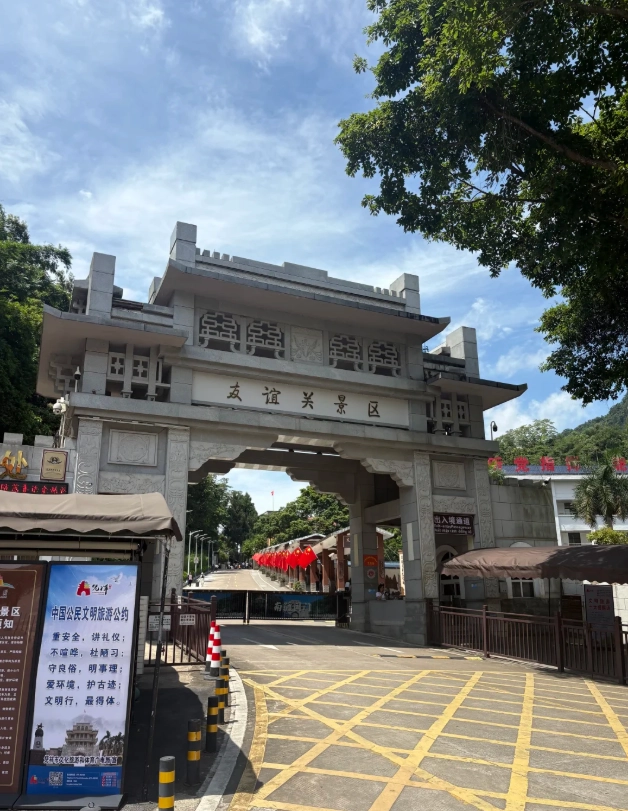
Combining Friendship Pass with Other Border Attractions
Because Friendship Pass takes only a half-day, it pairs beautifully with other places in the border region.
My favorite combo is with Detian Waterfall, a magnificent cross-border cascade about 2 hours away by car. Many private drivers in Pingxiang offer to take you there for the day. If you have two full days, do this: Day 1 – Friendship Pass plus an evening in Pingxiang's night market; Day 2 – Detian Waterfall and return to Nanning.
If you're hungry after the trip, try the Vietnamese-style spring rolls and pho at local street stalls — the town is a melting pot of flavors.
Frequently Asked Questions
This content has been fact-checked to ensure informational precision.





No comments yet.