 Chen Liu
Jump to the good stuff:
Waterfall spray on your face at 7 a.m. — that's the real start. If you've been scrolling through Instagram, you've seen the fall. But seeing it with a crowd of 500 people is a different story. In this Ban Gioc-Detian Transnational Waterfall guided tour guide, I'll show you exactly how to beat the crowds, save money, and still get that epic shot. Here's the thing: most tourists arrive at noon and leave frustrated. You won't.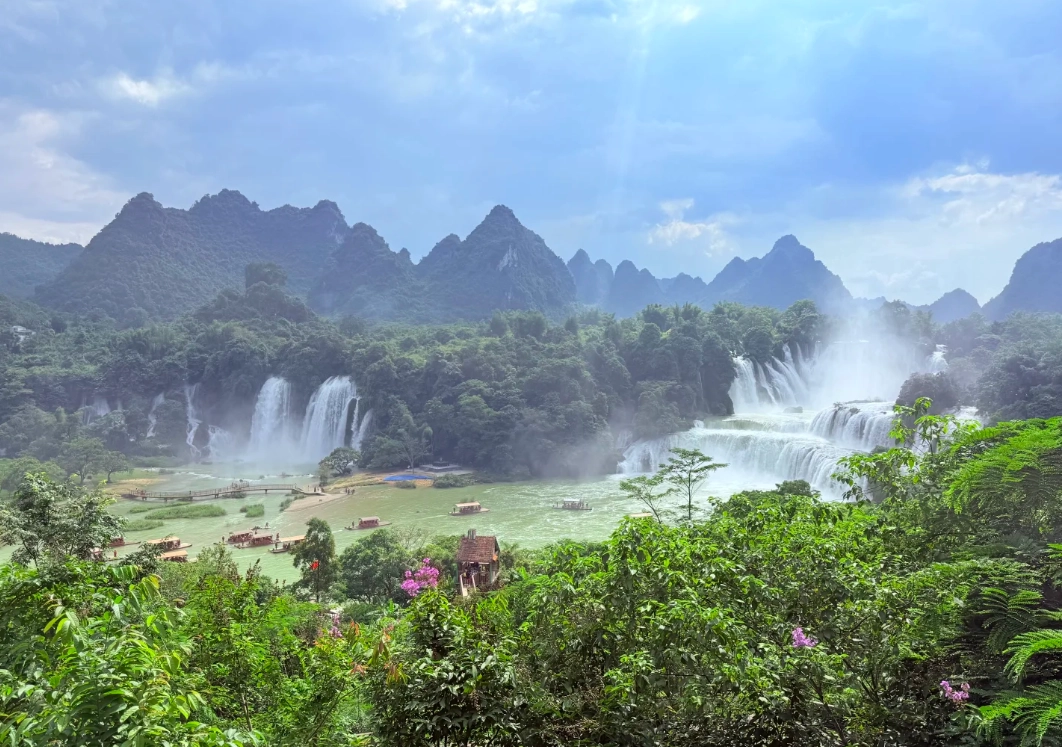
Quick facts: It's the largest transnational waterfall in Asia, shared between China and Vietnam. The Chinese side is Detian Waterfall, the Vietnamese side is Ban Gioc. Most guided tours stick to the Chinese side, which requires no passport or visa beyond your standard entry to China. The entire experience is well-organized, but you need to know a few insider tricks.
Why the Ban Gioc-Detian Transnational Waterfall Guided Tour Is Worth It
I've guided more than 200 tourists here over the past decade. And I still get goosebumps every time. The waterfall is impressive, but it's the location — a unique natural border where two countries meet — that makes it special.
What Makes This Waterfall Unique
The waterfall sits exactly on the China-Vietnam border. From the Chinese side, you see the main drop of Detian Waterfall. Across the river, Vietnam's Ban Gioc Waterfall joins it. During the rainy season (May to October), they merge into one massive 70-meter-high wall of water that stretches over 200 meters wide. It's a visual that photos rarely capture.
You can see Vietnamese tourists and officials on the opposite bank. There's even a tiny border marker in the middle. But don't get too close — border police won't hesitate to blow a whistle.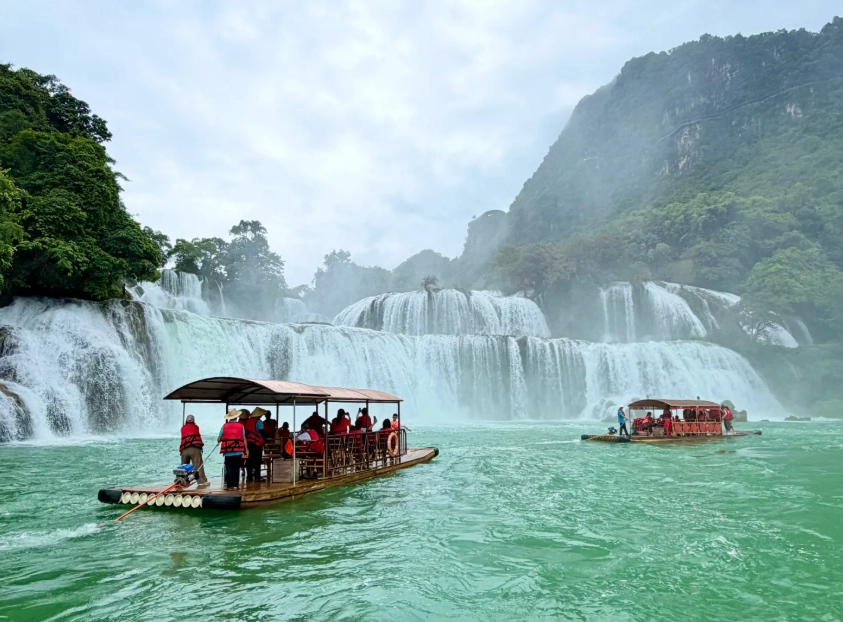
Why I Always Recommend a Guided Tour — Even to Daring Travelers
The biggest reason is the logistics. The waterfall is not near any major city. Public buses from Nanning or Chongzuo are slow and complicated. A guided tour bundles transportation, entry, and sometimes lunch into one price. That saves you at least three hours of hassle.
Plus, local guides know exactly when the tourist buses arrive. We time your visit to dodge the crowds. That alone is worth every yuan.
How to Choose the Right Ban Gioc-Detian Waterfall Tour
Not all tours are created equal. I've seen travelers get burned by cheap deals that turned out to be shopping stops disguised as sightseeing. Here's how to avoid that.
Self-Guided vs. Guided Tour – Which One Fits You?
Self-guided means renting a car or taking a local bus, which is doable but exhausting. Guided tours are easier but less flexible. Let me break it down in a table for you:
| Factor | Self-Guided | Guided Tour |
|---|---|---|
| Transportation | You arrange everything | Bus/van and driver included |
| Crowd management | You hope you guess the right time | Guide knows the bus schedule |
| Language | No help if you get stuck | English-speaking guide available |
| Cost | Bundle is similar | Small premium, often worth it |
My Checklist for Vetting a Tour Provider
Always check if the tour includes the environmental shuttle bus (观光车) — some cheap tours don't. That's an extra 45 yuan at the gate, and a nasty surprise.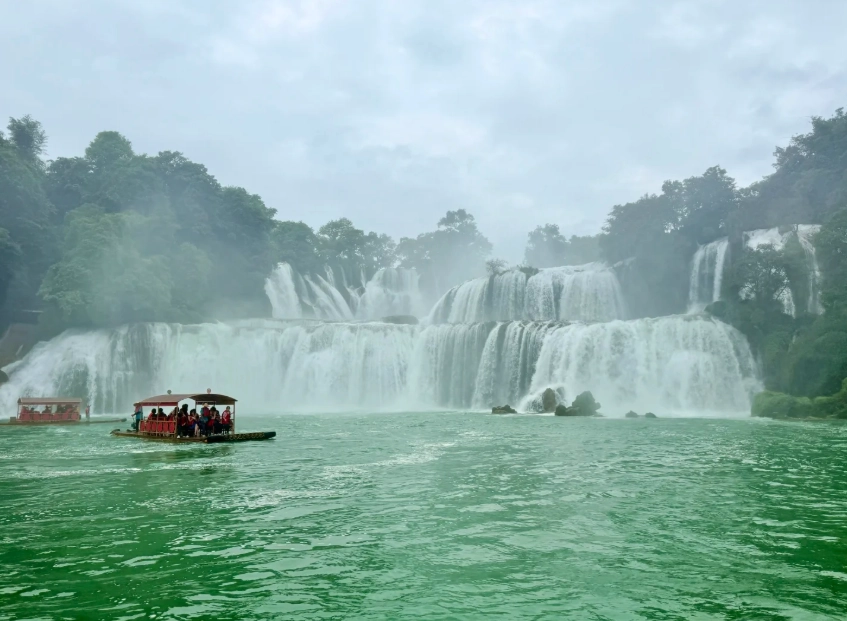
- Does the itinerary include hotel pickup and drop-off? If not, it's not a complete guided tour.
- Ask for proof of a licensed tour operator. In China, that means a business license and a travel agency permit.
- Read reviews on platforms like Trip.com and Klook, not just China-based apps. Search for “Detian Waterfall tour” and filter by English reviews.
- Confirm the guide actually speaks English. Some tours only provide Chinese-speaking drivers.
Getting to Ban Gioc-Detian Waterfall Tour – What's the Best Route?
There are two main launch points for your Ban Gioc-Detian Waterfall tour: Nanning, the regional capital, and Chongzuo, a smaller city closer to the border. Chongzuo is the smarter choice — let me explain.
From Nanning – The Classic Route
Nanning is about 180 kilometers away and takes roughly 3.5 hours by car. Most first-time visitors start here because it has an international airport and high-speed rail connections. If you join a one-day tour from Nanning, you'll leave around 6:30 a.m. to reach the waterfall by 10 a.m. — just in time to meet the tour bus wave.
I advise against taking the public bus from Nanning to Daxin (大新), then another bus to Shuolong (硕龙). It's possible, but the last bus back leaves early, and you'll be racing the sun.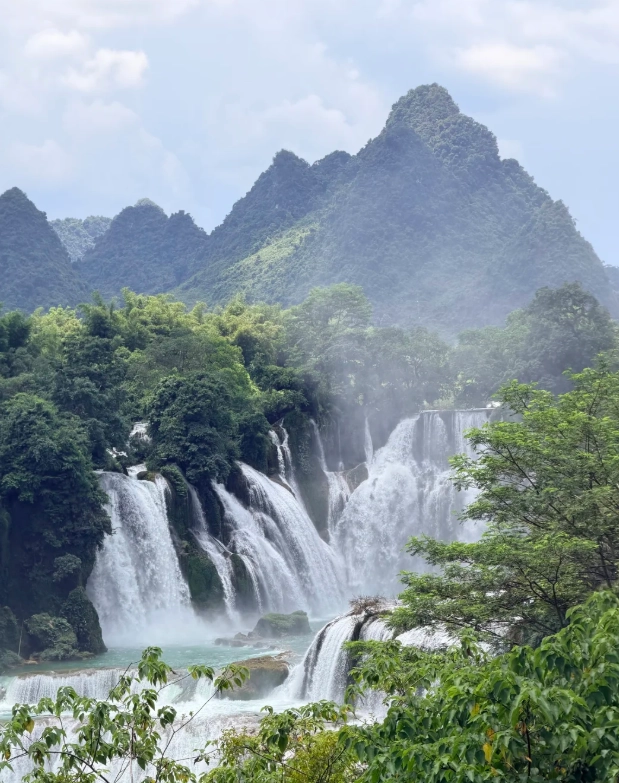
From Chongzuo – The Smart Shortcut
Chongzuo is just 80 kilometers from the waterfall. A private car can make it in 1.5 hours. Because most travelers don't know this, Chongzuo tours are rare — which means you'll be ahead of the pack if you arrange your own private car or hire a local driver.
Take a high-speed train from Nanning to Chongzuo (about 40 minutes), then a local car for the rest. It's the same cost as a direct tour, but you control the schedule. I've done this with groups who wanted to photograph the fall at sunrise.
Self-Driving or Private Car – What I Recommend
If you're comfortable with mountain roads, driving yourself is fine, but I always recommend hiring a local driver. The final approach winds through limestone peaks, and in fog or rain it can be tricky. A local driver also knows the speed traps and the best places to stop for a fresh bowl of noodles.
Important: Use Alipay's Amap (Gaode Maps) for navigation, not Google Maps, which is inaccurate in China. You can also write down the Chinese name “德天跨国瀑布” to show your driver.
What to Expect Inside the Ban Gioc-Detian Transnational Waterfall Park
The park entrance is at a small village called Shuolong. After buying your ticket, you'll board a shuttle bus that drives about 10 minutes to the main viewing area. Here's the insider knowledge I wish all my clients had.
Tickets, Opening Hours, and Payment
The combined ticket and shuttle cost about 110 yuan per person (roughly $15 USD). The price has held steady for several years, but always check the official WeChat account for updates. Children under 1.2 meters enter free, and seniors 65+ get a discount if you have a passport — they'll verify age.
Opening hours are typically 8:00 a.m. to 5:30 p.m., with last entry at 4:30 p.m. The shuttle stops running 30 minutes before closing. All purchases require your passport — this is a border region, so do not forget it.
Payment is cashless. Your international-bound Alipay or WeChat Pay will work at the ticket window. Cash is technically accepted, but don't rely on it — the ticket booth rarely has change.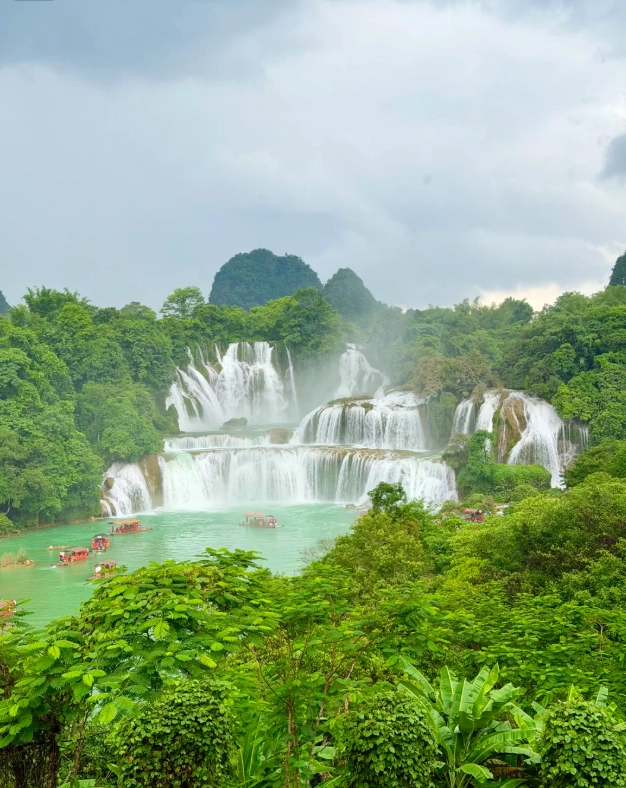
The Best Walking Route and Photo Spots
The main path is a single loop that takes 60–90 minutes. Most guides rush you to the first viewpoint, but I always tell my groups to walk past it. The second viewpoint (called “Tower 2”) offers a more dramatic backdrop.
For the iconic shot with the fall on your left and the Vietnamese flag on the right, go to the platform near the 53-meter boundary stone. You'll reach it about 20 minutes into the walk. That's also where the mist is thickest — bring a rain cover for your camera.
Light is key: The waterfall faces west, which means the morning sun is at your back. That's why the water looks crystal clear before noon. My golden hour is 8–10 a.m. — you get soft light without the harsh contrast. Avoid the midday glare if you can.
Tourist Traps to Avoid – My Insider Warnings
Do not let the touts outside the parking lot convince you that the waterfall is “closed” or “needs a special boat.” It's not. The only official way in is through the main gate.
- Ignore anyone offering to take you to “the real waterfall” for 200 yuan. There is no other entrance.
- Souvenir sellers near the exit will triple their prices if you look like a foreigner. Haggling is expected — start at 50% of the sticker price.
- Don't eat at the first restaurant opposite the shuttle stop. Walk 5 minutes to the village; a bowl of local beef noodles costs 15 yuan instead of 35.
Is the Ban Gioc-Detian Waterfall Tour Safe?
Yes, the park is safe and well-patrolled. The only real “danger” is wet granite steps and heavy mist. Wear shoes with good grip — I've seen more than one tourist slip in flip-flops.
Because the area is a border crossing, there are uniformed officers about. You are not allowed to cross the low stone wall that runs along the river. Vietnam is literally a few meters away, but attempting to step across is a serious offense. You do not need a Vietnam visa for this tour, as you never leave China.
One non-obvious tip: Keep your passport on you, not in your hotel safe. There are random checkpoints on the road returning to the highway. A Chinese driver or guide can vouch for you, but it's simpler to have the document visible.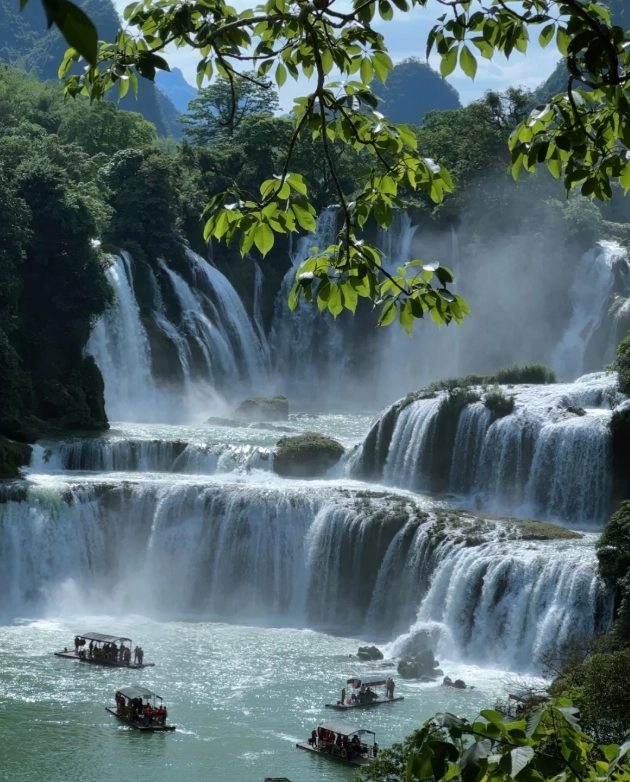
Sample 1-Day Itinerary for Your Ban Gioc-Detian Guided Tour
I put together the exact route I use for my own private clients. It's optimized for minimal crowds and maximum fun.
| Time | Activity | Notes |
|---|---|---|
| 6:30 a.m. | Depart from Chongzuo | Transfer to the waterfall in a private car |
| 8:00 a.m. | Arrive at park entrance | Buy tickets (pre-booked) and hop on the shuttle |
| 8:20 a.m. | Start walking loop | You have the place almost to yourself |
| 10:30 a.m. | Finish loop, visit viewpoint 2 | Take the planned group photos with fewer people |
| 11:30 a.m. | Lunch at local village | Try “pig blood sausage” (血肠) from a street stall |
| 1:00 p.m. | Return to Chongzuo or Nanning | Buy snacks because it's a long drive |
Where to Stay Near the Ban Gioc-Detian Waterfall?
For a multi-day visit or an early start, I recommend staying in Shuolong Town, the closest village to the park. There are a handful of simple guesthouses that cater to Chinese tourists.
Homestays in Shuolong Town
Homestays are basic but clean, with prices from 150 to 250 yuan per night. Many owners are local farmers who opened rooms in their houses. The English is limited, but they're used to pointing and smiling. I've stayed at “Detian Homestay” before — it had hot water, strong Wi-Fi, and the owner made a fantastic fried rice. No real sign in English, but you'll see it on Chinese booking apps.
Location advantage: You can walk to the ticket office in 15 minutes or take a motorbike taxi for 5 yuan. That means you can be first in line at 7:30 a.m., a full hour before the tour buses.
Base in Chongzuo City
Chongzuo has better hotels and a few good restaurants. Staying in the city gives you more choices (check out Grand Ban Gioc Hotel), and you can catch the high-speed train back to Nanning in the evening. The downside is the 1.5-hour drive each morning, which eats into your photo golden time.
Ban Gioc-Detian Waterfall Tour FAQ – What Most Guides Don't Tell You
Final Verdict: Is a Guided Tour Worth It?
If you're comfortable with logistics, a self-guided trip can work. But for 95% of international visitors, I recommend paying a little extra for a guided tour. The peace of mind, the crowd dodging, and the insider knowledge about photo timing are worth the markup.
Just make sure you vet the operator using my checklist, and remember: have your passport handy, use Amap for navigation, and get ready to feel the spray.
Now stop reading, start packing. The waterfall is waiting for you.
Verified and fact-checked by the editorial team.





No comments yet.