 Ling Wu
My shoes were soaked through. The roar drowned out every thought. And I was grinning like a six-year-old.
That was my first impression of Ban Gioc-Detian Transnational Waterfall — and it's why I always ask my travelers, "Is Ban Gioc-Detian Transnational Waterfall worth visiting?" The honest answer is yes, but only if you know how to dodge the crowds, book the right way, and bring the right gear. Most guides forget to mention that entry requires a passport, that Google Maps is useless in the mountains, and that cash won't get you a cold drink inside.
Here's the short version: Go in the morning, pre-book on Trip.com, and stand on the bamboo raft. You'll get the full show without the chaos. Now, let me show you exactly how.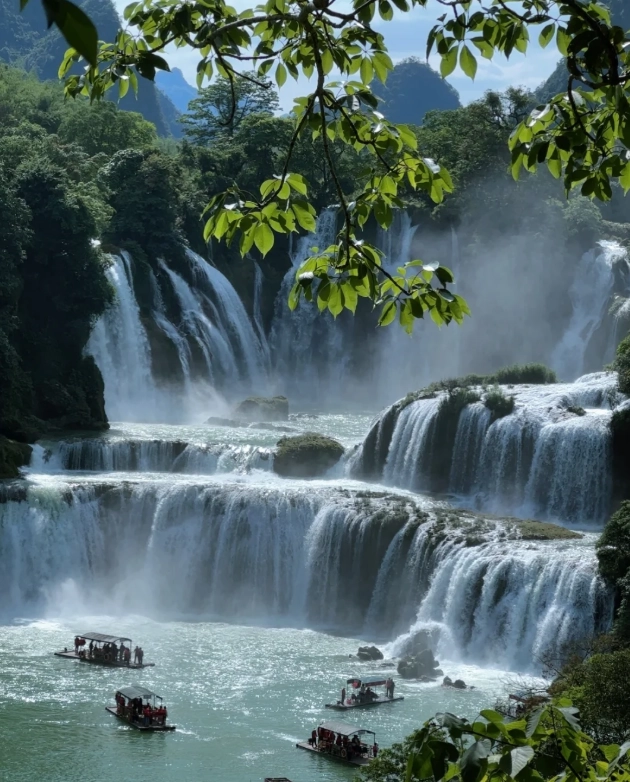
Why Ban Gioc-Detian Transnational Waterfall Deserves a Spot on Your China Itinerary
This is not just another waterfall — it's the largest transnational waterfall in Asia, shared between China and Vietnam. Standing at the base of the 200-meter-wide cascade, you'll see mist rising like smoke, and if you're lucky, rainbows dancing in the spray. I've taken dozens of tourists from Europe and North America here, and every single one of them stood silent for at least a full minute when the view first hit them.
But here's the thing I always tell my clients: the magic depends heavily on the season and your timing. Show up during the dry season (November to March), and you'll see a modest stream rather than a roaring monster. Come between June and September, after heavy rain, and the waterfall becomes a wall of thunder that you can feel in your chest. I'll break down the precise best months later.
What You Need to Know Before You Go: Tickets, Hours, and Booking
First and most critical: you MUST book your ticket in advance with your passport details. No booking, no entry — the gate staff won't make exceptions, even for crying kids (yes, I saw it happen). You can reserve through the official WeChat mini-program (德天跨国瀑布), but for foreign visitors, I strongly recommend using Trip.com or Klook, which have English interfaces and accept international cards. Your hotel receptionist can also help you book if you're stuck.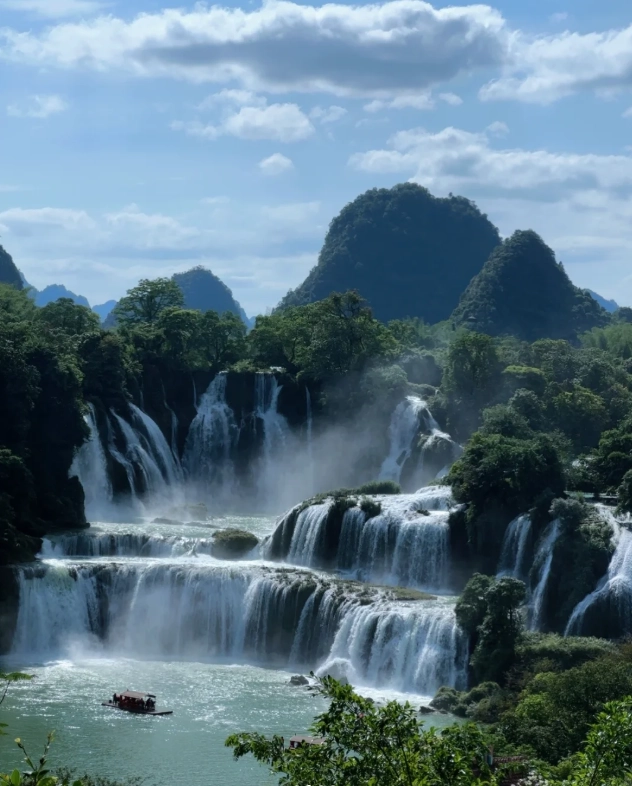
Here's the info you need, based on my last visits:
| Item | Details |
|---|---|
| Opening Hours | 8:00 – 17:30 (don't arrive after 16:00) |
| Ticket Price | Approx. 80 RMB for adults, half price for children/students, free for seniors 65+ with ID |
| Shuttle Bus | Usually included in the ticket; runs from the visitor center to the waterfall entrance |
| Bamboo Raft | Extra fee (around 30 RMB) — optional but worth it |
Always double-check current prices on the official Chinese tourism site or Trip.com before going — they adjust during peak season. Also, bring your physical passport, not a photo. I've seen travelers sent back to their hotel to fetch it.
Payment inside the scenic area is almost exclusively via WeChat Pay or Alipay. Credit cards and cash are rarely accepted beyond the entrance. Pro Tip: keep 100 RMB in cash on you for emergencies, but expect to rely on your phone for everything else.
How to Get to Ban Gioc-Detian Transnational Waterfall: Transportation Options
Getting to the waterfall is the biggest challenge, and your two main gateways are Nanning and Chongzuo. The good news is that you have several options, depending on your budget and confidence level.
| From | Transport Mode | Duration | Approx. Cost | Best For |
|---|---|---|---|---|
| Nanning (Capital) | Direct tourist bus or private car | 4 – 5 hours | 150 – 250 RMB per person | Visitors without their own transport |
| Chongzuo (Nearby city) | Taxi or private car | 2 – 2.5 hours | 200 – 300 RMB per car | Small groups who want flexibility |
| Including a day tour | Organized bus + guide | 12 hours round trip from Nanning | 400 – 600 RMB per person | Solo travelers who hate logistics |
From Nanning by Tourist Bus
The direct bus from Nanning Langdong Bus Station is the most budget-friendly option, with tickets around 100-120 RMB. It usually departs around 7:30-8:00 AM and takes 4-5 hours with a rest stop. The bus drops you at the scenic area gate, but you still need to walk 5 minutes to the visitor center. However, schedules are irregular and often suspended during low season — always check on Trip.com or ask your hotel to call the station for you.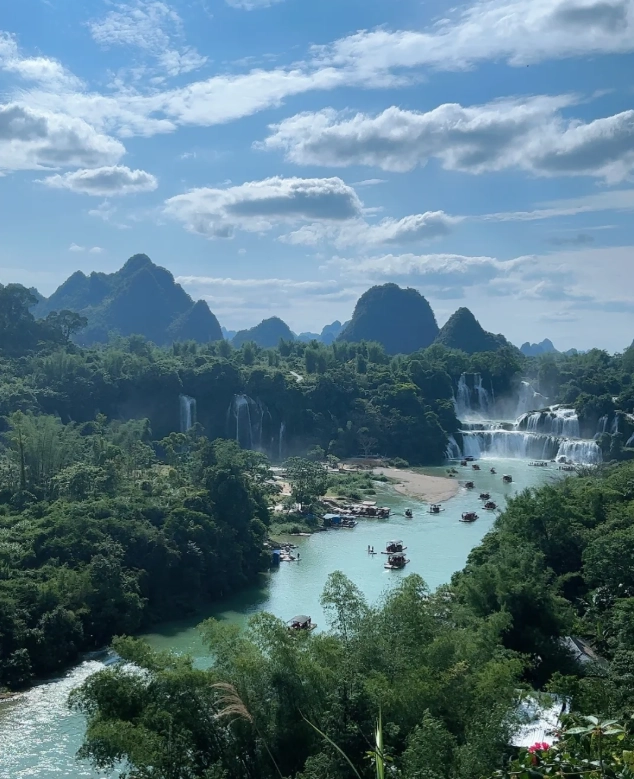
Private Car / Taxi from Chongzuo
If you're already in Chongzuo, hiring a private car is the smartest move, costing roughly 300 RMB for the round trip including the driver's wait time. The drive takes about 2 hours along the beautiful border road. Your hotel can arrange this, or you can book through a local agency. The advantage is flexibility: you can stop at Mingshi Garden or other viewpoints along the way.
If you're driving yourself, set your GPS to “德天跨国瀑布” but be careful — Google Maps is notoriously inaccurate in this region. Use Apple Maps or Amap (set to English) instead. The final stretch is a mountain road with sharp curves; drive carefully.
Best Time to Visit: When to Catch the Most Spectacular Water Flow
The waterfall is at its most powerful from June to September, the region's rainy season. If you arrive in August like I did last year, you'll be drenched by the spray even from 50 meters away. It's awesome but also chaotic. For the balance of decent flow and manageable crowds, aim for late September or early October — the water is still strong, and the weather is crisp.
Seasonal Differences
From June to September, the waterfall is a dramatic, thunderous wall of water. If you come during this period, expect refreshing mist and the chance of minor flooding. From October to May, the flow reduces, especially in winter, though the landscape is still pretty.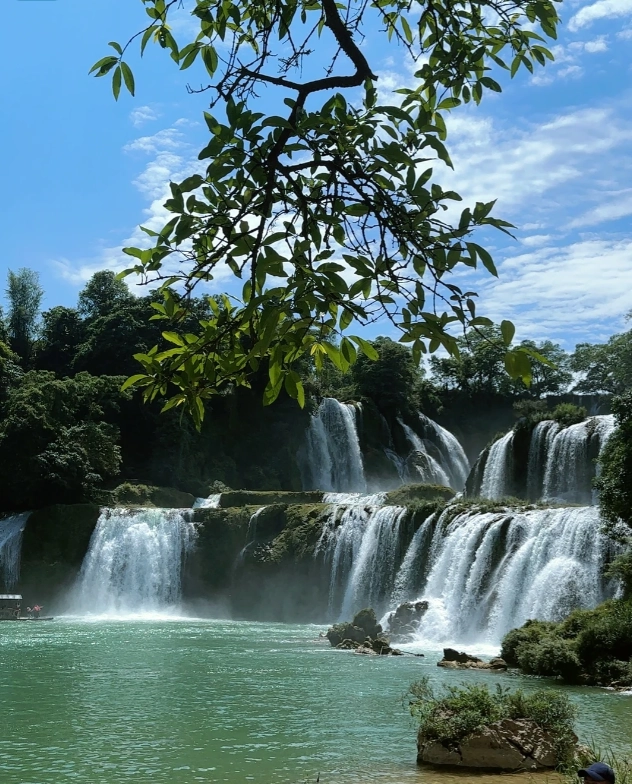
Daily Timing
Arrive before 9:00 AM to beat the tour group rush. The morning light also illuminates the waterfalls frontally, perfect for photos. By noon, the sun is overhead and harsh, and the crowds peak. After 3 PM, groups thin out but the light becomes dimmer in the canyon.
Also, avoid Chinese public holidays at all costs. National Day (Oct 1-7) and Labor Day (May 1-5) turn this natural wonder into a mall during a sale. I've seen the visitor center line snake for 200 meters — not fun.
My Personal Insider Tips to Avoid Crowds and Save Money
Here are the lessons I learned through sweat, cold noodles, and a few angry taxi drivers — so you don't have to.
- Don't buy the bamboo raft ticket at the entrance. You'll often find discounted combo tours online (ticket + raft) for less than what you'd pay separately. I've saved my clients 20-30 RMB this way.
- Wear quick-drying clothes and bring a waterproof phone pouch. The spray is powerful near the base, and I've seen more than one tourist with a soggy iPhone.
- Use the toilet at the visitor center, not at the waterfall viewpoint. The ones near the waterfall are often overflowing and lack flushing. Trust me.
- If you have time, add a visit to Mingshi Garden (明仕田园) to the same day. It's a stunning karst landscape about 20 minutes away by car. You can book a combined private tour for a smooth day.
- Don't waste money on a "VIP" front-row ticket. The standard experience already gets you as close as allowed.
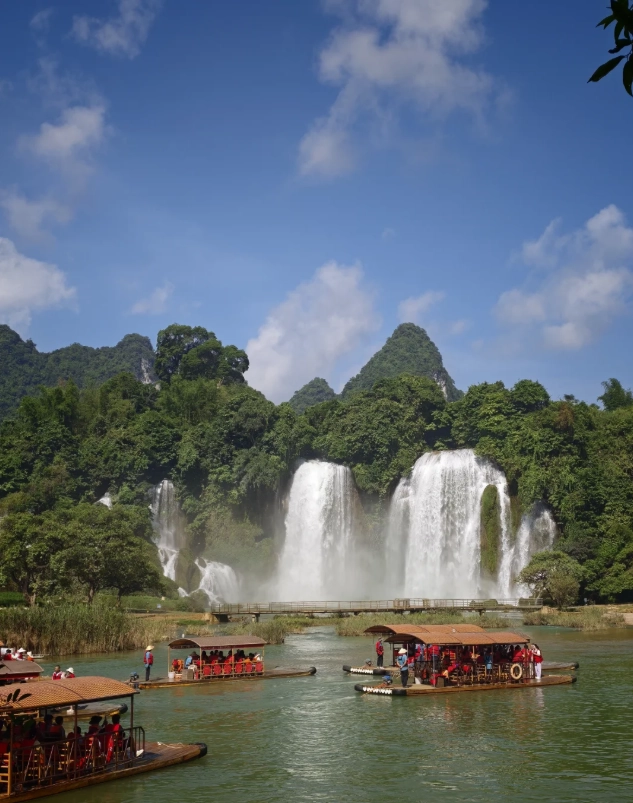
Insider Advice: Bring 20 RMB in small bills for tips and roadside snacks. You'll thank me when you want a fresh coconut on the way out.
Is Ban Gioc-Detian Transnational Waterfall Worth Visiting for You? (Honest Verdict)
If you're already in southern China for other sights, then yes — it's absolutely worth a day trip. The waterfall is a rare natural phenomenon that you can't see anywhere else, and the border-adjacent setting adds an exotic thrill. However, if your itinerary is packed with cities like Beijing, Xi'an, and Shanghai, making a dedicated flight to Nanning just for the waterfall is a stretch. In that case, I'd suggest incorporating it into a longer Guangxi itinerary that includes Guilin and Yangshuo.
The real value of Ban Gioc-Detian is the feeling of standing where two countries meet, surrounded by karst peaks. It's one of those places that stays with you — but only if you give it a fair amount of time. My verdict: come for the waterfall, stay for the drive through the enchanting Guangxi countryside.
Frequently Asked Questions
Verified and fact-checked by the editorial team.






No comments yet.