 Tao Xu
I've been guiding trips to this corner of Guangxi for over a decade, and the question I get most is whether it's worth the journey to see the white-headed langur. The answer is a resounding yes — but only if you time it right. Most tourists show up around noon, when the monkeys are napping in the shade and the heat makes even the most enthusiastic photographer wilt. So, what's the real best time to see monkeys at White-headed Langur National Nature Reserve? In this guide, I'll give you the precise months, the exact hours, and the insider tricks I've learned from countless mornings and evenings spent in these limestone hills.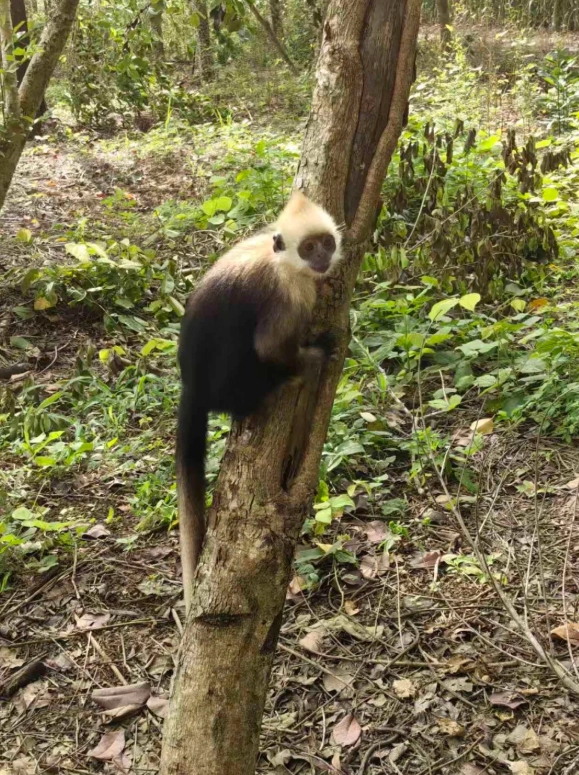
Why the Best Time to See Monkeys Matters at White-headed Langur National Nature Reserve
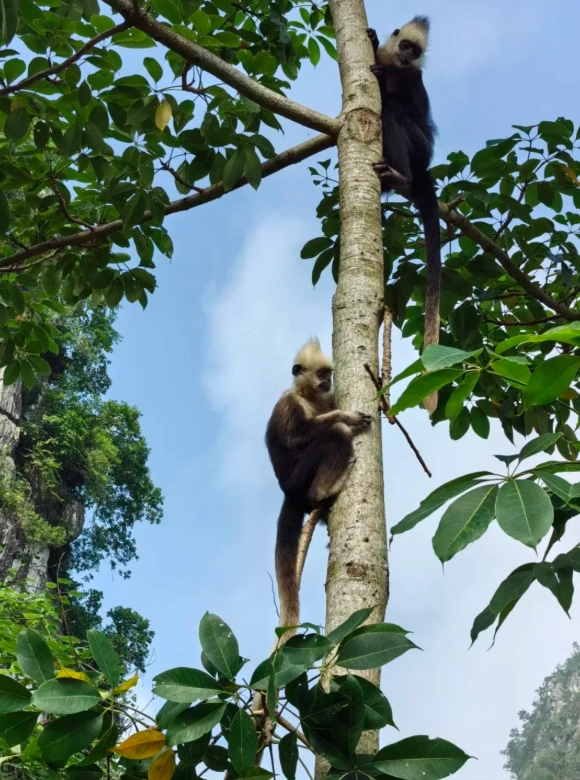
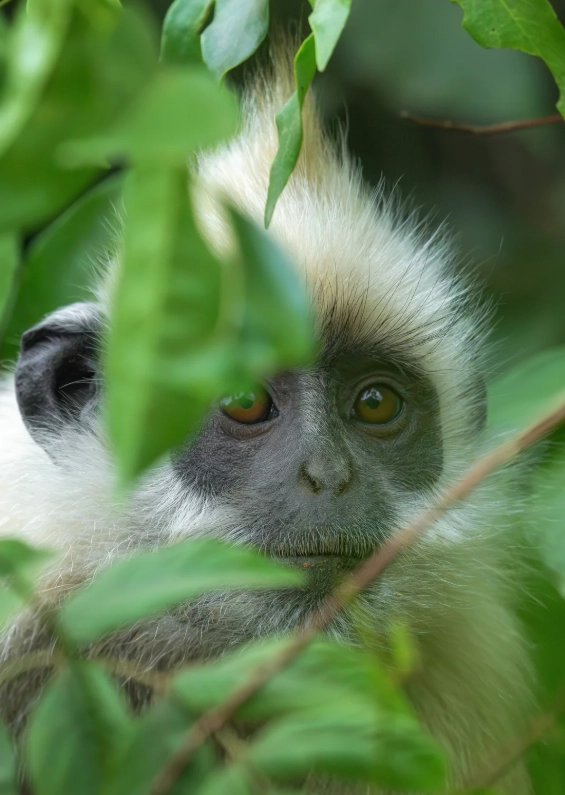
The white-headed langur is one of the rarest primates on Earth, with a population estimated at just around 1,200 individuals, all living in a narrow strip of karst forest in Guangxi. Unlike zoo animals, they don't follow a schedule set for visitors — they follow nature's rhythm. Their daily activities are tightly linked to sunlight and temperature. In the heat of the day, they retreat into shady cliffs to rest and digest, making sightings rare and brief. That's why the time of day, and even the season, can make the difference between a memorable encounter and a long, empty hike.
I remember a family from the UK who came to the reserve in July hoping to see monkeys. They arrived at 11 a.m., walked around for two hours under the sun, and saw nothing. Disappointed, they were about to leave when a late-afternoon storm cleared the air, and suddenly a troop of about 40 langurs climbed down from the cliffs to feed. They got amazing photos, but only because they stayed past 4 p.m. — not because they had planned it.
What Is the Best Time of Year to See Monkeys?
The reserve is open year-round, but not all months are equal. Based on my own experiences and those of other guides, the sweet spots are spring (March to May) and autumn (September to November). These seasons offer mild temperatures, comfortable humidity, and monkeys that are more active because they don't need to conserve energy for extreme heat or cold.
| Season | Months | Weather | Monkey Activity | My Recommendation |
|---|---|---|---|---|
| Spring | Mar–May | Warm, some rain | High – monkeys feed and socialize | Excellent |
| Summer | Jun–Aug | Hot, humid, rainy | Medium – early morning and late afternoon only | Good if you time it well |
| Autumn | Sep–Nov | Cool, dry | High – monkeys build fat reserves | Excellent |
| Winter | Dec–Feb | Cold, sometimes foggy | Low – monkeys stay in caves longer | Okay for seasoned birders |
Spring is especially beautiful because the karst peaks are coated in fresh green, and you may see infants born in the previous months. Autumn offers clearer skies and a crispness that makes the monkeys photogenic. In summer, morning sightings are still possible, but you'll need to start before 7 a.m. and be prepared for sudden showers. Winter sightings are unpredictable, but the large adult males with their white crests are often easier to spot against bare limestone.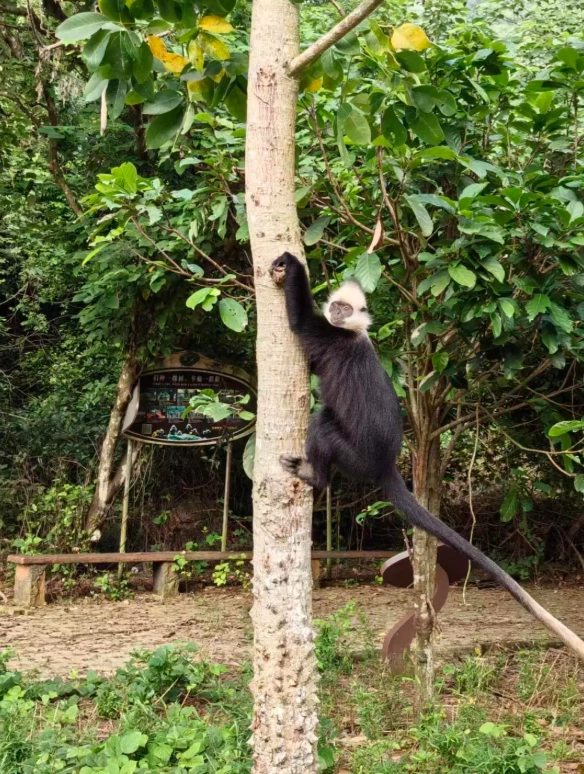
How to Maximise Your Chances of Seeing Monkeys During Your Visit
The Daily Rhythm of White-Headed Langurs
White-headed langurs are strictly diurnal. They wake up at dawn, move to their feeding areas, and are most active during the first two hours after sunrise. As the temperature climbs, they slow down and take a long midday siesta in shaded rock crevices. Late afternoon, around 3:30 to sunset, they resume feeding before moving to sleeping cliffs.
So the two golden windows are 6:30–8:30 a.m. and 4:30–6:30 p.m. (adjust slightly for season). If you can only choose one, go for the morning — monkeys are hungrier and less wary after the night.
I always tell my clients to be at the entrance gate at least 30 minutes before the morning window. The reserve often opens at 8 a.m. but the monkeys are already active by then. Arriving early also means you'll have the trails mostly to yourself, especially if you're there during the week.
What to Bring for a Successful Sighting
Bring the right gear to avoid missing out. Here's what I pack every time:
- Binoculars – essential, as monkeys often stay high on cliffs. A 8x42 pair works well.
- Water and sunscreen – exposed paths and strong sunlight.
- Camera with a telephoto lens – a 100-400mm lens is ideal.
- Light, muted clothing – avoid shiny or bright colors that might startle the animals.
- Sunglasses and a hat – for the glare off limestone.
- A hiking pole – the trails can be steep and rocky.
How to Get to the Reserve and Plan Your Day
Transportation Options
The reserve is located in Chongzuo City, Guangxi (崇左市). The main visitor entrance is in Banli Township (板利乡), about 40–50 kilometers southwest of downtown Chongzuo. This is where most tour buses and taxis will take you.
From Chongzuo Railway Station, you can take a taxi (around 60–80 RMB) or ride-hailing service to the visitor center. The drive takes roughly 1 hour. Alternatively, you can book a private day tour via Trip.com or Klook that includes transport and a local guide — this is the easiest option if you're not confident navigating on your own.
Important: Google Maps is useless in China. Use Apple Maps (which works with 高德地图) or download AMap and switch it to English. Type in "White-headed Langur National Nature Reserve (白头叶猴国家级自然保护区)" and follow the route.
Ticket Booking and Entry
Tickets cost around 50–80 RMB and must be booked in advance. The reserve limits daily visitor numbers to minimize disturbance to the monkeys. You can book through the official WeChat mini-program (which is in Chinese only), but for foreigners, I recommend using Trip.com or Klook, where you can book with a passport number and pay with an international card.
At the entrance, you'll need to present your passport (not just a copy) and your reservation confirmation. The reserve may ask you to join a guided walk; the English guides are limited, so request one when booking if needed.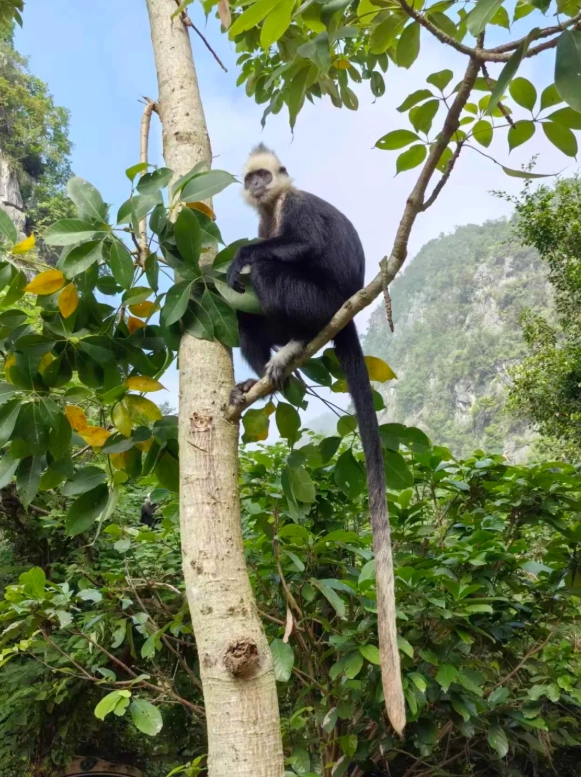
Pro tip: The reserve's ticket office opens at 8:00 a.m., but the monkeys are active much earlier. If you can, arrange a private tour that gets you into the buffer zone around 6:30 a.m. — you'll have a huge advantage over day-trippers.
Insider Tips for Foreign Visitors: Payments, Navigation, and More
Payment Methods
Cash and physical credit cards are rarely accepted at the reserve. Even the souvenir shop only takes mobile payments. Make sure you have Alipay or WeChat Pay linked to your international credit card before you arrive. If you haven't set this up, do it at the airport or ask your hotel to help — it's essential for nearly every transaction in China.
Navigation Apps
Google Maps is blocked and unreliable in China. Download AMap (高德地图) and switch it to English. You can also rely on Apple Maps, which uses Chinese mapping data. Both will give you public transit and driving directions in English.
Language and Communication
Don't expect much English at the reserve. Download Google Translate or Apple Translate with a Chinese-English pack for offline use. The voice translation feature can be a lifesaver when talking to taxi drivers or asking for directions. Also, install a VPN (like ExpressVPN or Astrill) before you come — otherwise, Google, Gmail, and many other Western websites won't work.
Booking in Advance
Learn to book everything through Trip.com or Klook. They support English and international payments. Hotels, trains, and even day tours are best booked at least a few days ahead, especially during Chinese holidays.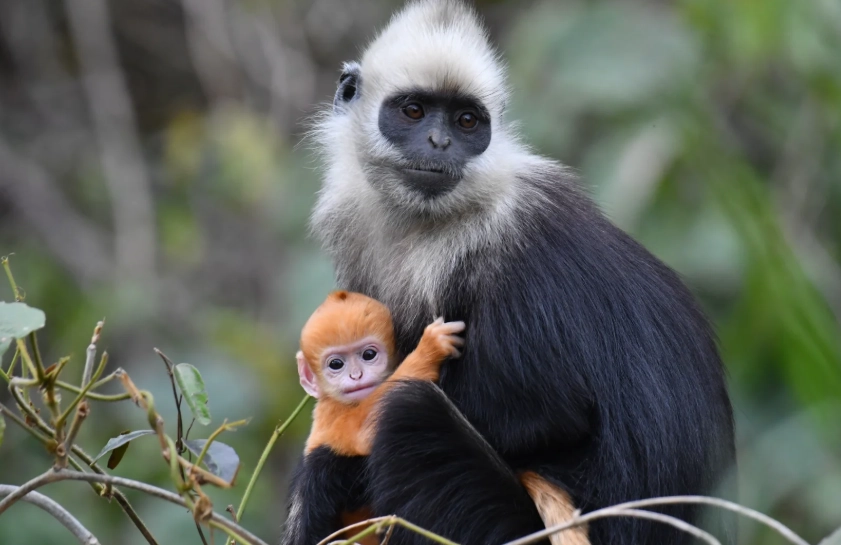
Common Mistakes Tourists Make When Planning a Monkey Viewing Trip
Here are the pitfalls I've seen over and over:
- Arriving at midday – This is the biggest mistake. The monkeys are resting, and you'll likely see nothing. Plan for early morning or late afternoon.
- Not booking tickets ahead – Walk-up tickets are often sold out, especially on weekends and Chinese holidays. Always book online in advance.
- Ignoring the weather forecast – Heavy rain can keep monkeys hidden in caves, while extreme heat drives them to deep shade. Check the forecast and pick a mild, dry day.
- Wearing bright, flashy clothes – The langurs are wary of sudden colors. Stick to neutral tones like beige, green, or gray.
- Skipping binoculars – Without them, you'll be staring at what looks like a bumpy rock wall, missing the monkeys that are perfectly camouflaged.
- Falling for "fake" monkey tours – Some touts in Chongzuo offer "guaranteed" sightings for a high fee, but they only take you to a nearby temple with a few captive squirrels. Stick to the official reserve.






No comments yet.