 Ling Wu
What You'll Learn Here
Let me be blunt. I've spent years dragging my clients through China's wildlife reserves. And the White-headed Langur National Nature Reserve? It's not for everyone. But for the right kind of traveler, it's an unforgettable experience. You just need to prepare properly. That's where most people fail.
If you're still here, you're probably wondering about the practicalities — tickets, transport, timing. I get it. That's why I've broken down everything you need to know, including a few insider hacks that'll save you from common mistakes. Now, grab a coffee, because this is a long one.
Is the White-headed Langur National Nature Reserve Worth Visiting?
My short answer? Yes, but with conditions. If you're a serious wildlife watcher, this is one of the few places on earth where you can see the critically endangered white-headed langur. That alone makes it worth the journey. But if you're expecting a comfortable zoo-like experience, you'll be disappointed. This is a real bird-watching-style outing, complete with steep trails, humid weather, and no guarantee of a sighting. You have been warned.
In my experience, about half my clients love it, half regret it. The difference? Expectations. So let me set yours straight.
Insider Advice: Skip the reserve if you have serious mobility issues. The main trail is slippery limestone, and there are no handrails. You'll need decent fitness and steady shoes.
Why do so many visitors get it wrong? They show up at noon, wear flimsy sandals, and expect monkeys to pose for photos. That's not how this works. The langurs are wild and shy. You're here to observe, not to interact. And that's what makes seeing them so special.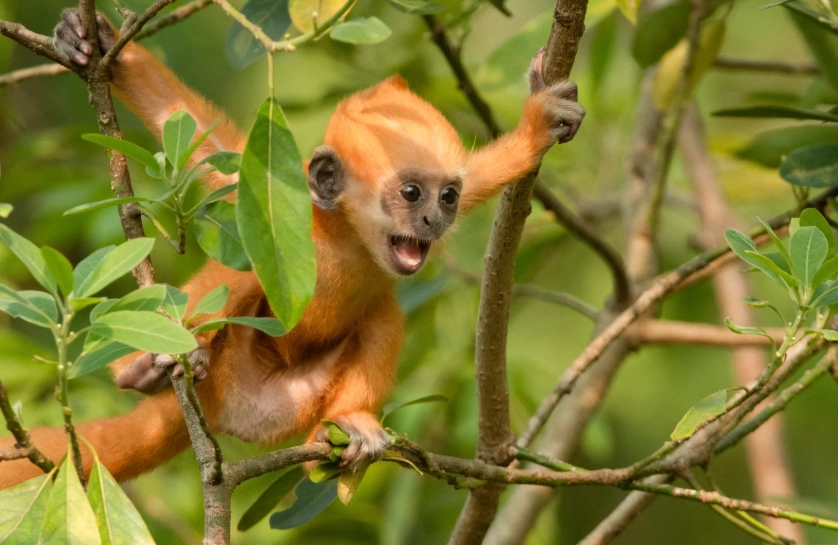
What Makes This Reserve Special?
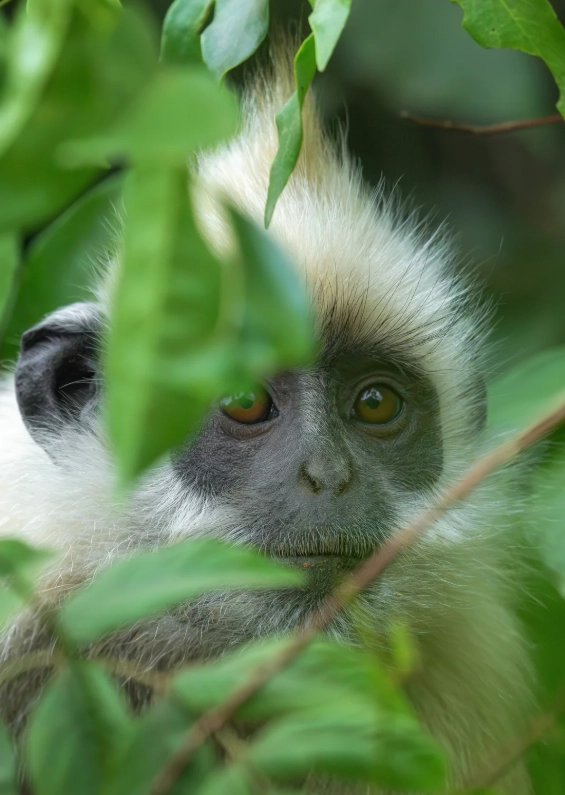
White-headed langurs are one of the rarest primates on Earth. They live only in the karst forests of Guangxi, and fewer than 1,000 individuals remain. The Chongzuo reserve protects the largest population, roughly a third of the world's total. Seeing them in the wild is a privilege few tourists get to experience.
But it's not just the monkeys. The landscape itself is stunning — towering limestone pillars, caves, and lush green valleys. Even if you don't spot a langur, the scenery is worth the trip.
The Conservation Story
This reserve is a conservation success story. Thanks to decades of protection, the langur population has rebounded from a low of fewer than 400 in the 1990s. Guides here are passionate about the animals and will share stories of their daily habits and the threats they face. It's an educational experience, not just a photo op.
The Landscape
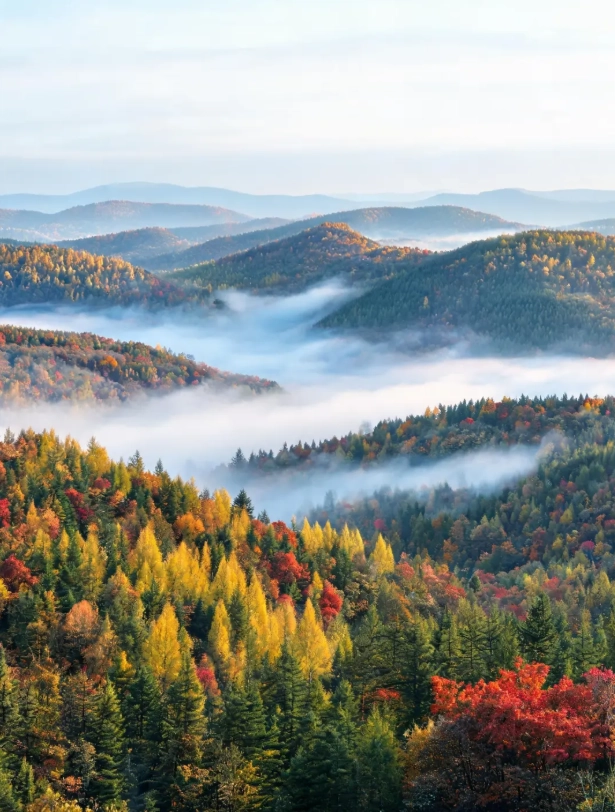
Karst mountains define this area. The reserve sits in a valley surrounded by razor-sharp limestone peaks. During the rainy season, waterfalls appear on the cliffs. The contrast of grey rock and green forest is breathtaking. I've brought clients here who didn't care about monkeys, but they couldn't stop staring at the scenery.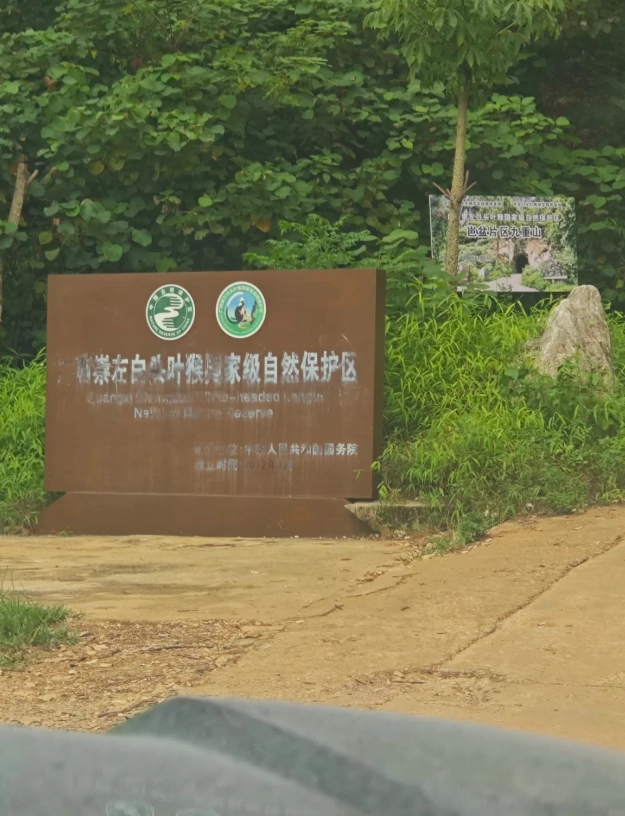
How to Plan Your Visit to the White-headed Langur National Nature Reserve
Proper planning is the difference between a great day and a wasted one. Here's my step-by-step guide based on countless group trips.
Getting There
The reserve is located in Chongzuo City, Guangxi Province. The closest major city is Nanning, about 120 km away. Here are your options:
| Method | Time | Cost | Remarks |
|---|---|---|---|
| High-speed rail to Chongzuo | ~1 hr from Nanning | ≈80 RMB | Then taxi/minibus 40 min to reserve |
| Direct taxi from Nanning | 2.5 hrs | ≈400 RMB | Haggle or use DiDi |
| Private tour with driver | Full day | Varies | Most convenient |
Note that public buses to the reserve are scarce. I recommend booking a car or joining a small group tour from Chongzuo. Your hotel can arrange one.
If you're using DiDi, type the Chinese name for the reserve: 白头叶猴国家级自然保护区. Always have your hotel write this down for you.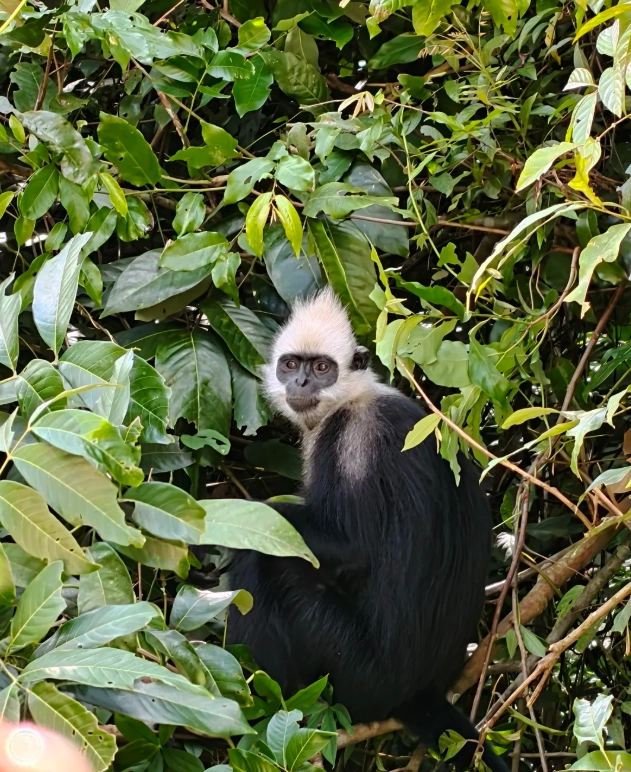
Tickets and Bookings
You must reserve in advance. The reserve caps daily visitor numbers to protect the habitat. Bring your passport for entry. The easiest way to book is through Trip.com or your hotel's travel desk. Walk-ins are rarely allowed.
Ticket prices fluctuate, but expect to pay around 80 RMB per person. Discounts may apply for children under 1.2 meters. Always confirm the current rate on the official WeChat account (you'll need to ask your hotel to translate).
Opening Hours
Open daily from 8:00 AM to 5:30 PM, but the last entry is at 3:30 PM. You'll need at least three hours to do the main loop. I suggest arriving early, before 9 AM, to enjoy the cool air and active animals.
Where to Stay
Base yourself in Chongzuo city. There are decent mid-range hotels near the train station. I like the Chongzuo International Hotel (崇左国际大酒店) for its reliable Wi-Fi and English-speaking front desk. Budget travelers can find hostels near the bus station, but expect basic amenities.
Best Times and Spots for Seeing White-headed Langurs
Morning is golden. Langurs are most active during the first two hours of the day, feeding and moving between cliff gaps. By late morning, they settle into shady spots and become almost invisible.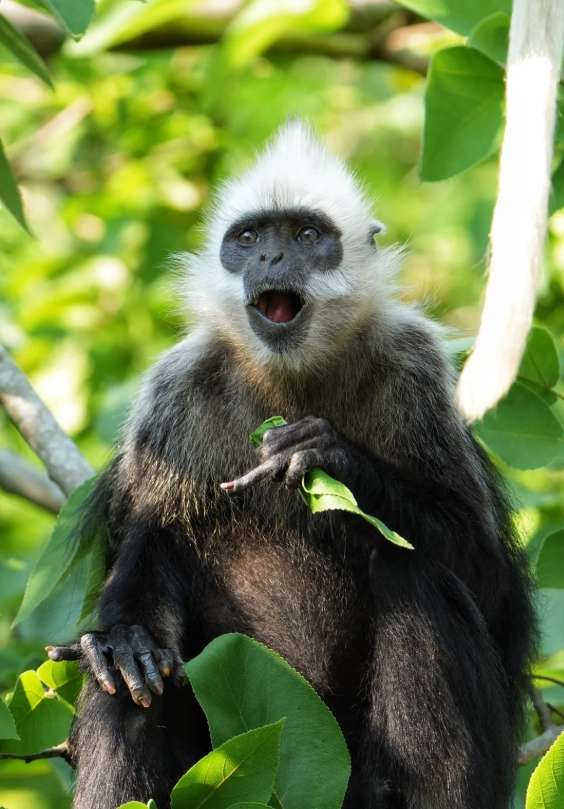
There are also the afternoon hours from 3 PM when they emerge again, but morning is better for light and activity.
As for spots, your guide will know the three main observation points. All require a short hike. The reward at the end is worth it — you'll hear them before you see them. Their calls echo across the valley.
Pro Tip: Bring binoculars. Even with a long lens, the langurs are often high up on cliffs. A good pair of 10x42 binoculars will make all the difference.
I've also noticed that the langurs tend to show up more reliably after a light rain. The forest gets cooler and they move around. Don't let a little drizzle discourage you.
What Should You Know Before You Go?
Let's tackle the practical stuff that often trips up international visitors. Here's a checklist I always give my clients.
- Payment: The reserve entrance and most local shops accept Alipay and WeChat Pay but not cash or foreign cards. Set up these apps before you go.
- Navigation: Google Maps is unreliable in China. Use Apple Maps or the AMap Global app. The reserve is clearly marked, but your driver will know it.
- VPN and Internet: Most foreign websites are blocked. Install a VPN before you arrive. Download offline maps and translation apps.
- Language: English is rarely spoken. Download a translation app like Baidu Translate and save phrases like 'langur' (白头叶猴) and 'reserve entrance' (保护区入口).
What to Bring
Your gear matters. I'll never forget the tourist wearing sandals on the limestone slope — that ended badly. Here's what you must pack:
- Sturdy hiking shoes with grip
- Sun hat, sunscreen, and insect repellent
- At least 1.5 liters of water per person
- Binoculars and camera
- Lightweight rain jacket (showers can appear instantly)
Safety First
The trails are not for everyone. There are some steep sections with loose gravel. If you have knee problems, consider a walking stick. Also, do not feed the langurs, no matter how cute they look. It's harmful to their diet and illegal.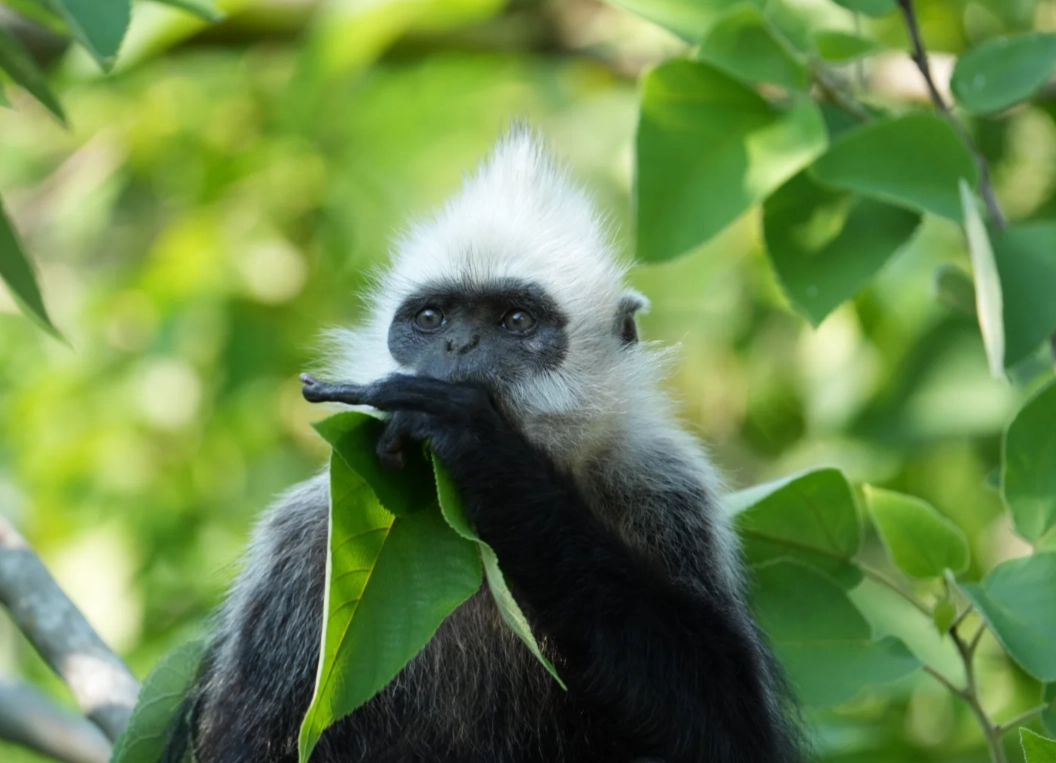
One-Day Trip Plan for Time-Strapped Travelers
Suppose you only have one day in Chongzuo. Here's how I'd spend it to maximize your chances of seeing langurs without rushing.
- 7:00 AM — Depart from Chongzuo city by taxi or private car. The drive takes about 40 minutes.
- 8:00 AM — Arrive at the reserve entrance. Use the restrooms here because there are none once you start hiking.
- 8:15 AM — Meet your mandatory guide. Head to the first observation point.
- 9:30 AM — After seeing langurs (hopefully!), take a short break. Drink water and enjoy the view.
- 10:30 AM — Continue to the second observation point. This one involves a moderate climb.
- 12:00 PM — Exit the trail and have lunch at the small canteen near the entrance. They serve simple Chinese dishes like rice noodles.
- 1:30 PM — If you still have energy, visit the nearby Chongzuo Museum (about 15 km away) to learn more about the langur conservation.
- 3:00 PM — Return to Chongzuo city and relax.
If you're not keen on a museum, swap it for a visit to the ancient stone forest at Banshan Village. It's another hidden gem.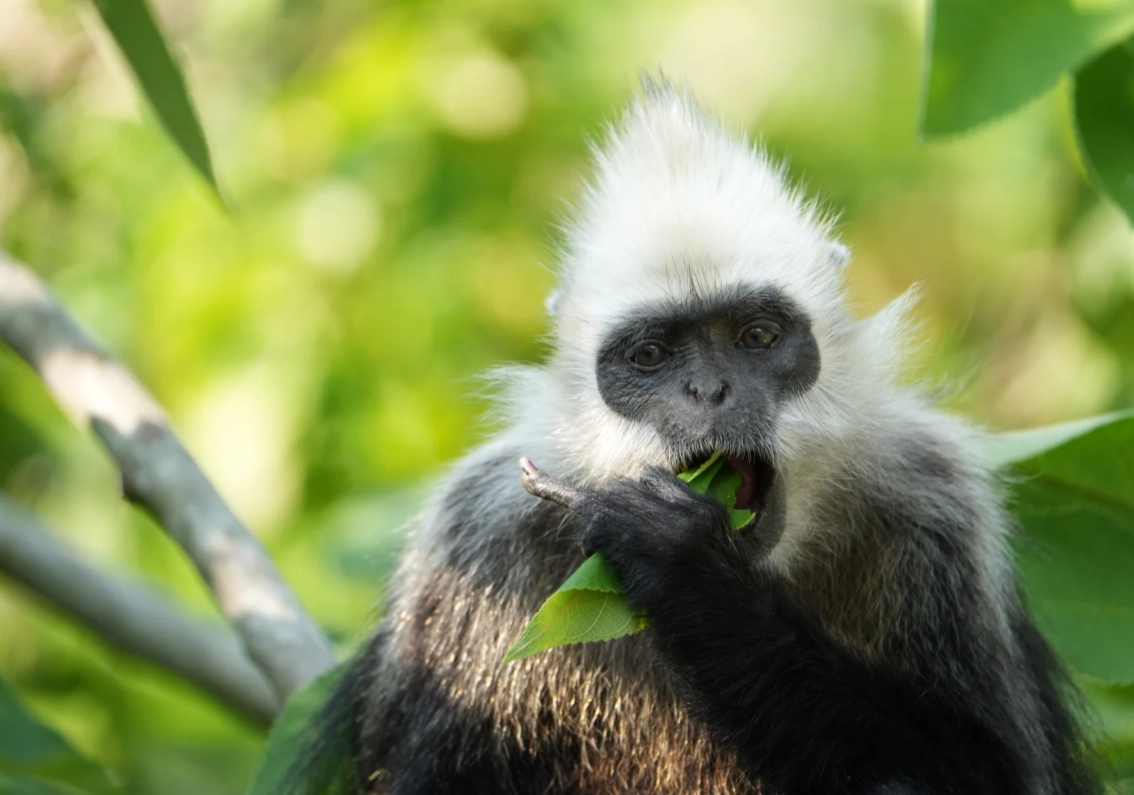
Frequently Asked Questions About the White-headed Langur National Nature Reserve
Verified and fact-checked by the editorial team.






No comments yet.