 Tao Xu
Quick Access
- Why Visit White-headed Langur National Nature Reserve?
- How to Reach White-headed Langur National Nature Reserve from Chongzuo
- Tickets and Rules: What to Expect at White-headed Langur National Nature Reserve
- When to See Langurs at the White-headed Langur National Nature Reserve?
- Insider Tips for a Smooth Visit to White-headed Langur National Nature Reserve
- FAQs: White-headed Langur National Nature Reserve Travel Answers
Let me guess — you've never heard of the White-headed Langur National Nature Reserve. That's a shame, because it's one of China's most extraordinary wildlife experiences. I've brought dozens of curious travelers here, and every single one leaves stunned by the sight of these mythical-looking monkeys leaping across karst cliffs.
Now, here's the catch: visiting this reserve in Guangxi isn't like showing up to a city zoo. You'll need to plan carefully — transport, tickets, timing. The biggest mistake my clients make? They arrive at noon when the langurs are hiding in the shade, and the sun is brutal. The golden window is sunrise to 9 a.m. That's when the troops climb to the cliff tops to feed.
In this guide, I'll walk you through everything you need to navigate this reserve like a local — no fluff, just hard-won intel.
Why Visit White-headed Langur National Nature Reserve?
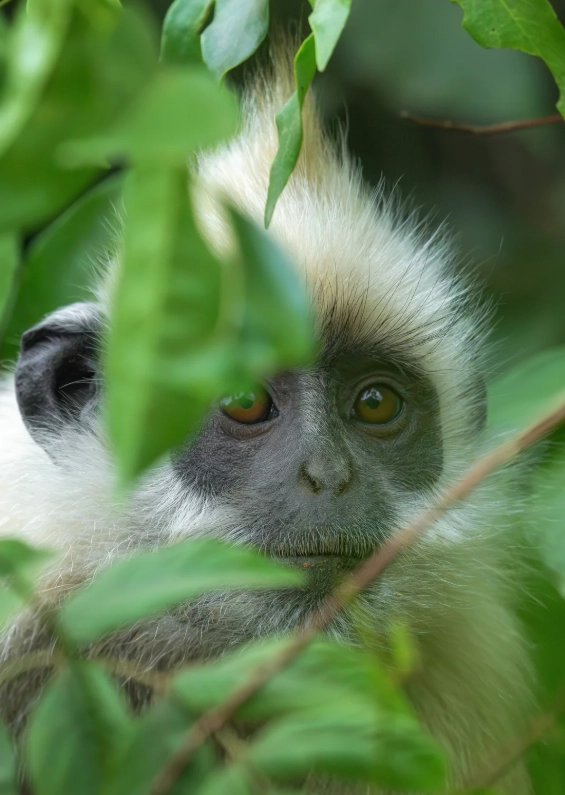
The reserve protects the critically endangered white-headed langur (Trachypithecus leucocephalus), a primate found only in the karst forest of Guangxi Zhuang Autonomous Region. With fewer than 1,400 individuals remaining in the wild, this is one of the few places on Earth where you can spot them in their natural habitat. The landscape itself is a geological marvel — towering limestone pinnacles that rise above a green valley floor. Unlike a zoo, you'll witness real-life langur behavior: grooming, leaping, and vocalizing.
Pro Tip: Bring binoculars — the langurs stay high on cliffs, and even at the closest viewpoint, they're often 100 meters away. A 10x42 pair makes a huge difference.
How to Reach White-headed Langur National Nature Reserve from Chongzuo
Before you decide on a transport option, understand that the reserve isn't a single fenced park. It's a collection of protected fragments spread across Chongzuo's karst valleys. The most accessible entry point for independent travelers is the Buli Township (板利乡) area in Jiangzhou District.
By Private Car
The most reliable way to reach the reserve is by hiring a private car or taxi from Chongzuo city. The entrance is about 40 kilometers from downtown Chongzuo. Use this Chinese address for your driver: '崇左市江州区板利乡白头叶猴保护区'. The trip takes about 50 minutes on paved roads. Expect to pay 150-250 RMB one-way, excluding waiting time. If you need the driver to wait for 3-4 hours, you'll likely pay 400-500 RMB total.
By Public Bus
Public buses from Chongzuo South Bus Station (崇左汽车南站) run to Buli Township every 30-60 minutes during the day. The one-way fare is around 10-15 RMB and takes about 1 hour. After getting off at Buli, hire a local motorbike taxi to reach the reserve's entrance (10-15 minutes, 20-30 RMB). This method works, but it's tricky if you're carrying a lot of luggage or don't speak Chinese. I've tried it twice, and both times I needed to show the Chinese address on my phone to the motorbike driver.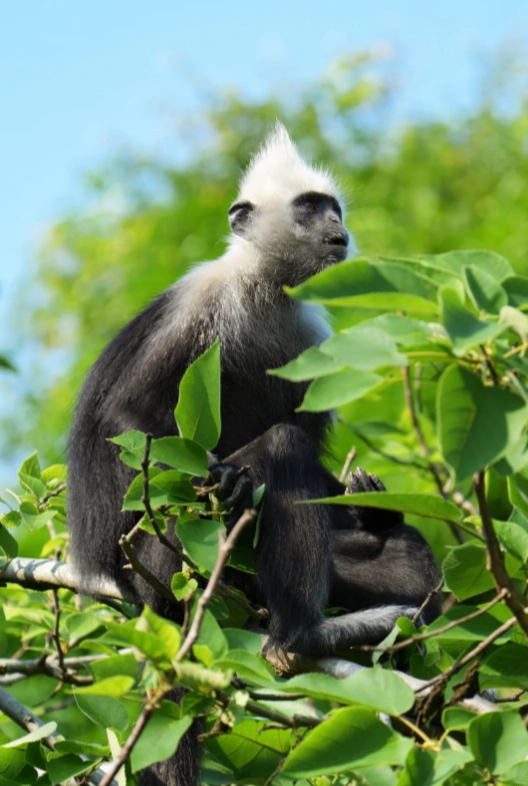
By Organized Tour
If you're staying in a Chongzuo hotel, you can ask the front desk to arrange a day trip to the reserve. These tours typically include round-trip transport, a guide, and the conservation fee, costing between 500-700 RMB per person. It's the most convenient option for solo travelers who don't want to negotiate with taxis. Most hotels have a phone list of trusted drivers who regularly bring tourists to the reserve.
| Transport | Duration | Cost (estimate) | Best for |
|---|---|---|---|
| Private car | ~50 min | 150-250 RMB one-way | Convenience, families |
| Public bus + motorbike | ~2 hrs | 30-40 RMB | Budget travelers, adventurers |
| Organized tour | ~1 hr | 500-700 RMB/person | Solo travelers, stress-free |
Insider Advice: Don't rely on Google Maps — it's inaccurate and often shows the reserve at the wrong location. Use Apple Maps or the AMap app (高德地图) to search '白头叶猴保护区'. Save the address in Chinese to show the driver.
Tickets and Rules: What to Expect at White-headed Langur National Nature Reserve
There's no official ticket booth with a fixed price. Instead, the reserve charges a 'conservation fee' that goes toward ranger salaries and habitat maintenance. On my most recent visit, I paid 100 RMB per person, but this can vary based on your group or the season. A ranger will collect the fee at the entrance point — be prepared to pay in cash.
Passport is mandatory. The rangers must record the passport number and nationality of every foreign visitor. They'll enter this information into a paper log. If you don't have your passport, you won't be allowed inside. Bring the actual passport, not just a photo of it.
Booking in advance is not strictly required for foreign visitors, but it's strongly recommended. You can call the reserve's administrative office via your hotel — the staff there speak limited English, so ask the receptionist to help make the call. The best time to call is between 9 a.m. and 12 p.m., Monday through Friday. If you arrive without a booking, the rangers will usually let you in if they have spare capacity, but you'll risk being turned away.
Once inside, follow the basic conservation rules: stay on the trails, don't feed or touch the langurs, and absolutely no drones. You'll also want to be physically fit — the main trail is about 3 kilometers of uneven limestone paths with some steep sections. A basic level of mobility is required.
Potential Frustration: The entrance process is old-school and a bit messy. Don't expect a glossy visitor center or clear signage. It's part of the charm — but also prepare for a little confusion while the ranger finds the right change for your cash payment.
When to See Langurs at the White-headed Langur National Nature Reserve?
Early morning is everything. The langurs emerge from their sleeping holes around dawn and shift to feeding branches on the sunny side of the cliffs. This active period lasts roughly from 7 a.m. to 9 a.m. After 10 a.m., they retreat into the shade, making sightings unpredictable.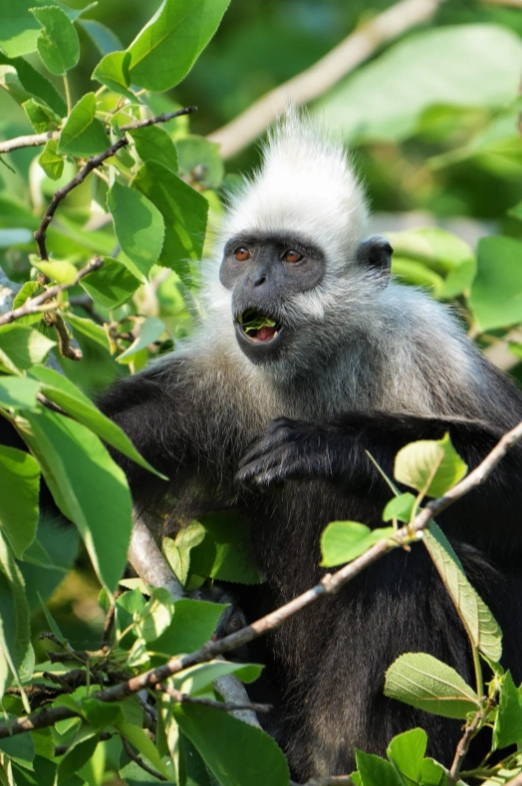
- Leave Chongzuo at 6:00 a.m. by pre-booked taxi.
- Arrive at the reserve gate by 7:00 a.m. — pay the conservation fee and sign the registration book.
- Walk to the main viewpoint, settle in by 7:15 a.m., and wait for the first langur troop to emerge.
In terms of seasons, the dry months from November to April offer the best visibility — cooler temperatures and fewer leaves on the trees make spotting easier. But even in the rainy season (May-October), you can have a great visit if you catch the post-rain hour when the langurs come out to dry off. Bring a rain shell to stay dry between showers.
My recommendation: aim to be at the reserve's gate by 6:45 a.m. If you're staying in Chongzuo, that means leaving your hotel at 6 a.m. Yes, it's early — but I've never had a client regret it. Every time I've gone out with the group that arrives at 6:30, we've seen langurs within the first 40 minutes.
Pro Tip: Check the weather forecast the night before. If heavy rain is predicted, delay your visit by a day — the trails become dangerously slippery and the langurs stay deep in the forest.
Insider Tips for a Smooth Visit to White-headed Langur National Nature Reserve
These are the details that separate a great trip from a frustrating one. Listen up:
- Wear long trousers and enclosed shoes. The limestone rocks are sharp and there are thorny bushes.
- Carry at least 1.5 liters of water per person. There are no shops or water fountains inside.
- Prepare a simple picnic. You won't find any restaurants within a 30-minute drive.
- Bring a power bank. Your phone will be your camera, map, and translator all day.
- For photos, a 70-200mm zoom lens is ideal. The langurs are often far from the viewing platforms.
- Pay attention to the trail markers — they're small and easy to miss. I've seen travelers wander into restricted zones without realizing.
- Download a translation app (Apple Translate or Baidu Translate) and set it to offline mode. You'll use it to communicate with rangers who speak little English.
And don't forget that you'll need a VPN for any internet access in China. Google, Facebook, and Instagram are blocked. I recommend setting up a VPN on your phone and laptop before you depart. For directions, use Apple Maps which works without a VPN, or the AMap app once you're connected.
One more thing that will save you panic: bring cash. The reserve has no ATM, and rangers are not always able to process mobile payments. I always carry at least 500 RMB in small notes for feeding costs, tips, and the occasional 'donation' that appears spontaneously.
Insider Advice: If you're visiting during the hottest months, start your hike at 6 a.m. and plan to be back at the car by 11 a.m. Afternoon heat can be brutal on the exposed karst slopes.
FAQs: White-headed Langur National Nature Reserve Travel Answers
Verified and fact-checked by the editorial team.






No comments yet.