 Tao Xu
What's Inside
- Why Visit Friendship Pass?
- What Do Friendship Pass Tickets Actually Cost?
- How Can You Book Friendship Pass Tickets Without a Chinese Phone Number?
- Getting There: The Easiest Ways to Reach Friendship Pass
- When Should You Visit to Avoid Crowds?
- Insider Tips for a Hassle-Free Visit
- Combining Friendship Pass with Nearby Attractions
- FAQ: Common Questions About Friendship Pass Tickets
Let me start with a confession—my first trip to Friendship Pass was a chaotic mess. I ended up at the wrong ticket window, paid too much for a ride, and missed the sunset views. Since then, I've brought at least 20 groups here, and now I can navigate it blindfolded. This guide is everything I wish someone had told me before I went. Whether you're a history buff or a border-crossing enthusiast, getting your Friendship Pass tickets right is the first step to a smooth visit. Let's break it down.
Why Visit Friendship Pass?
Sitting on the China-Vietnam border in Pingxiang, Guangxi, Friendship Pass is one of the country's most storied gates. It's not just a rusted arch; it's a living piece of the Silk Road and a witness to centuries of trade and conflict. I always tell my travelers: if you want to feel the weight of Chinese history without the swarms of Beijing, this is your spot. The views are killer, and the sense of standing where merchants and soldiers once walked—that stays with you.
But here's the catch: many foreign visitors skip it just because the ticketing process seems scary. Don't let that stop you. I've broken down everything below, from pricing to transport, so you can focus on the experience, not the logistics.
What Do Friendship Pass Tickets Actually Cost?
During my most recent visit, I paid 50 RMB for an adult ticket, and my elderly assistant got in for half price. That said, prices do fluctuate, and they vary by season and any temporary exhibits. To be safe, always double-check the official numbers either on the scenic area's website or on a reputable booking platform like Trip.com. Here's a quick snapshot based on my last few trips:
| Ticket Type | Price (Approximate) | Notes |
|---|---|---|
| Adult (18-59) | 50-65 RMB | Full price |
| Child (6-18) | 25-30 RMB | Half price typically |
| Senior (60+) | Free or discounted | Requires valid ID/passport |
| Student | 25-30 RMB | International student ID may work |
| Audio Guide | 20-30 RMB | Not always available in English |
Remember: these are my observed figures, not guaranteed. The ticket office rarely posts an English rate sheet, so don't be shy to ask.
One thing that surprised me is that they often charge extra for the mini-bus inside the scenic area. It's optional but handy if you're short on time or mobility. The last time I checked, that was about 10 RMB each way. Not a deal-breaker, but budget for it.
Payment is another hurdle. The ticket office does accept cash, but for me, my Alipay sometimes wasn't recognized because of linked international cards. Always carry 100 RMB in small notes just in case. And no, credit cards are almost never accepted at the gate itself.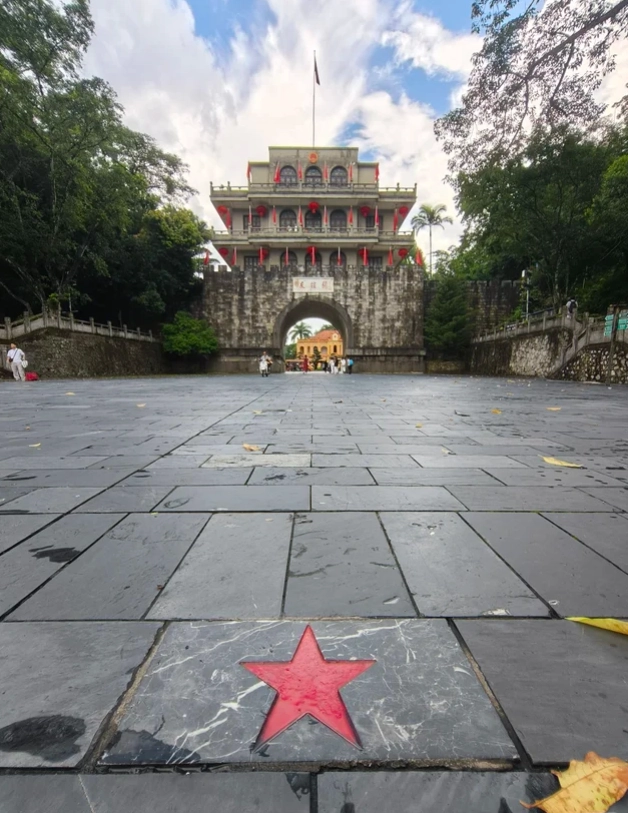
How Can You Book Friendship Pass Tickets Without a Chinese Phone Number?
This is the number one question I get from foreigners. Officially, the scenic area pushes you to book via their WeChat mini-program, which is a nightmare if you can't read Chinese or don't have a local phone number. But here's the insider trick I use with my clients: book through Trip.com or Klook. Both platforms are English-friendly and accept international credit cards. I've used Trip.com for last-minute bookings and it worked like a charm. Just search for Friendship Pass, pick your date, and pay. You'll get an e-ticket loaded into the app.
If you can't book online, don't worry. The on-site ticket booth has a special window for foreigners. You'll need your passport to register the ticket, and they'll ask for your visa or entry stamp. It's a bit bureaucratic, but I've done it with guests who didn't pre-book. The line can get long during Chinese holidays, so pre-booking saves you at least 30 minutes.
Here is the catch: the official WeChat mini-program often requires a Chinese ID number, so it's completely useless for most tourists. Skip it altogether. Use Trip.com or just show up early. When I have a group, I always book via Trip.com and we breeze past the crowd.
One more tip—if you're traveling with a tour group, your guide will handle this. But for independent travelers, your hotel's receptionist can also call the scenic area to reserve under your name. I've done that when helping clients who booked last-minute flights.
Getting There: The Easiest Ways to Reach Friendship Pass
The pass is located in Youyi Town, Pingxiang, about 20 km from the city center. The most hassle-free option is to take a taxi or ride-hailing service from Pingxiang city center. From the high-speed rail station, a ride will cost you around 70-90 RMB by taxi, but I usually order an Amap ride (like Uber) and it's about 60 RMB, falling to 50 if you're lucky. The trip takes 30-35 minutes depending on traffic.
If you're driving yourself, set your GPS to the official address: Guangxi, Pingxiang, Youyi Town, Fuer Village. But here's the thing—Google Maps is unreliable in China. Download Apple Maps or use Amap's English version (it's called Amap Global on iOS). I rely on Amap because it's what local drivers use.
There's also a local bus, line 1 from Pingxiang Bus Station, which stops near the entrance. The fare is only 3 RMB, but it takes about an hour and you need to tell the driver where to go. From the bus stop, it's a 10-minute walk to the ticketing hall. Not ideal if you're in a hurry, but budget-friendly.
For those staying in Nanning, you can take a high-speed train to Pingxiang Rail Station (approximately 2 hours). From the station, jump into a taxi—I know a trick to use the Baidu Maps app to get cheaper shared rides. Just have your hotel write down the address in Chinese for the driver.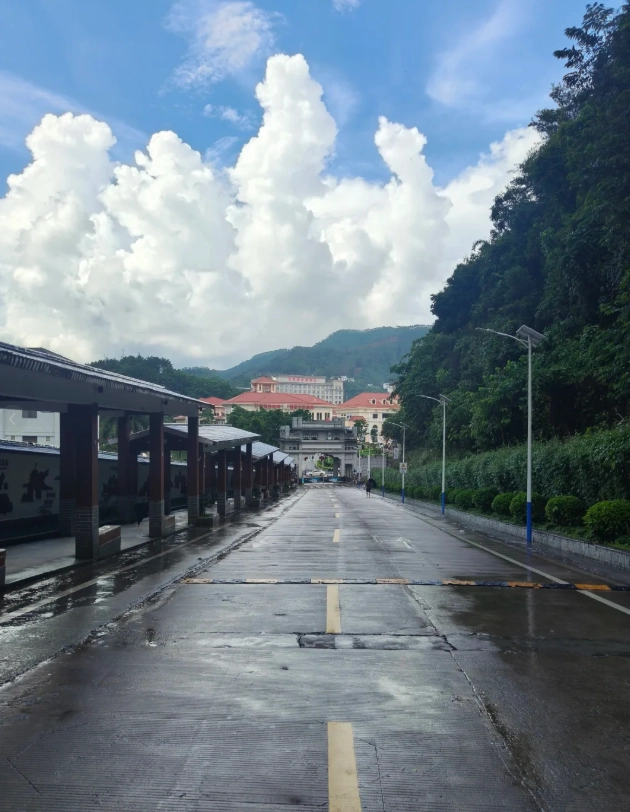
When Should You Visit to Avoid Crowds?
Timing is everything. The sweet spot is to arrive as soon as the gates open, usually around 8:30 AM. I show up with my groups at 8:15, and we're among the first in line. By 10 AM, the tour buses roll in, and the main arch is packed with selfie sticks. If you're not a morning person, the late afternoon after 3 PM also works—just keep an eye on closing time (usually 5:30 PM).
Weekends and Chinese public holidays (especially Golden Week in October) are absolute chaos. I once took a group during Qingming Festival and we waited 40 minutes just to buy tickets. If your schedule is flexible, aim for a Tuesday or Wednesday. That's when I've seen the fewest people.
In terms of weather, Guangxi can be muggy. The best months are October to December and March to May. Summers are hot and rainy, but the pass looks mystical in the mist. If you come during the wet season, pack an umbrella and wear waterproof shoes—the stone paths get slippery.
Insider Tips for a Hassle-Free Visit
Now for the gems I only share with my private clients.
Payment & Connectivity
Bring cash, because the odd vendor inside might not have Alipay. And even if they claim they accept cards, their machine often breaks. I've seen tourists stuck without cash—don't be one of them. Also, download an offline translation app like Apple Translate or Bai Du Translate, because the staff's English is basic. If you're using a VPN, remember it might slow down your connection; download the necessary maps and info before you arrive.
Physical Oddities
The staircase to the watchtower is narrow and steep. There's no elevator, so if you have mobility issues, skip the tower and enjoy the view from the courtyard. I always make sure to tell the elderly in my group to take their time. Also, there aren't many benches inside, so bring a small foldable stool if you need to rest. Silly, but useful.
The Photo Spot
The best photo spot is not the main gate—it's the old city wall on the western side. It's a 5-minute walk from the archway, and the light is gorgeous in the late golden hour. Most tourists don't go there because it's not marked clearly. I always lead my guests there and they get amazed shots with zero photobombers.
Pro Tip: If you want a shot of the iconic gate without crowds, go at 8:30 AM right after entering, and shoot from the north-facing angle. By 9, the tour groups start arriving and you'll be fighting for space.
What About the Bathroom?
The public toilet near the entrance is usually fine, but the one near the ticket office is often dirty. I advise using the bathroom at the visitor center before you go through security. It might save you a grim experience.
Combining Friendship Pass with Nearby Attractions
Friendship Pass isn't a full-day affair. Plan for 2-3 hours maximum inside. After you finish, I suggest checking out the Puzhai Banyan Tree Ancient Fort, just 10 km away. It's a lesser-known relic with a similar vibe but half the crowds. You can combine both in a day if you start early.
If you're hungry, head back to Pingxiang city center and grab some Vietnamese-style rice noodles (pho). There's a little place called 'Mrs. Luo's Noodle Shop' on Dongquan Street. It's not fancy, but the soup is legendary. Expect to pay about 15 RMB. I always go there and order a bowl with extra herbs. They accept cash only, so keep some small notes.
For a deeper historical tour, the nearby Zhenshan Fort is another option, but it's been heavily restored and feels a bit theme-park-like to me. If you're a purist, skip it. The real charm is in the rawness of Friendship Pass.
FAQ: Common Questions About Friendship Pass Tickets
Visiting Friendship Pass is a unique experience that very few first-time China travelers dare to attempt. With these tips, you're not just guessing—you're walking in with the knowledge of a seasoned guide. I promise, once you've stood at that gate and looked toward Vietnam, you'll wonder why you ever worried in the first place.
Verified and fact-checked by the editorial team.








No comments yet.