 Chen Liu
I still remember the first time I saw a foreigner's face drop when I told them we'd skip Guilin and go straight to Chongzuo. They thought I was crazy. But after 4 days with me, they whispered that it was the best decision of their entire China trip. That's the thing about Chongzuo – it doesn't beg for attention like its famous neighbor. It waits quietly, rewarding the ones who dig a little deeper.
This Chongzuo 4-day itinerary is designed for the independent traveler who hates tour buses, loves real border culture, and wants to stand under a waterfall without being elbowed by hundreds of selfie sticks. I'll show you exactly how to plan it, what digital tools won't fail you, and the mistakes I've made so you don't repeat them.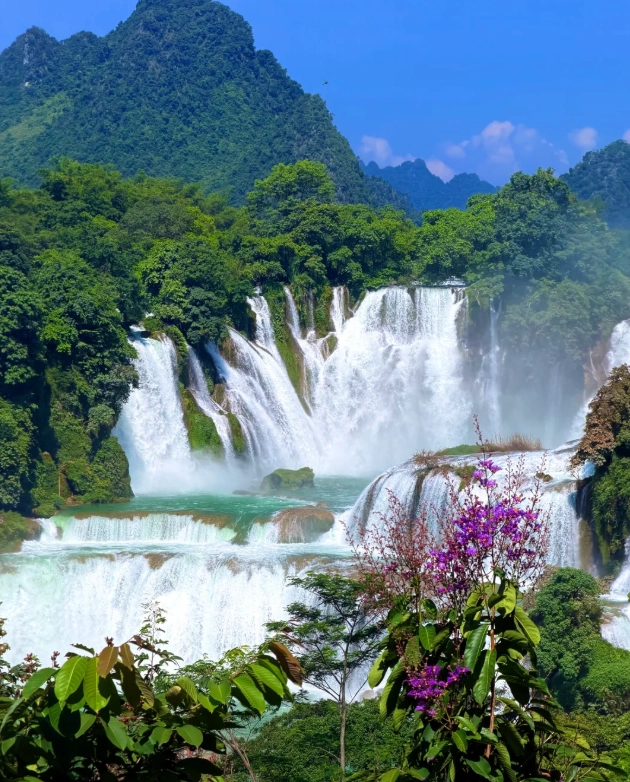
Before You Go: Digital Survival Kit
Before I even talk about waterfalls and karst peaks, let's fix the stuff that'll ruin your trip if ignored. I've guided so many travelers who froze at the first attraction gate because their phone didn't work or their credit card got rejected. Let me save you that pain.
Payments: Alipay or WeChat Are Non-Negotiable
Most places in Chongzuo accept zero cash and zero physical credit cards. Even the ticket booth for Detian Waterfall prefers scanning a QR code. Set up Alipay with your international Visa or Mastercard before you land. You can do it in the app or with help from a Chinese friend. Bring some cash as backup – a few hundred RMB for tiny stalls – but expect to rely on your phone 90% of the time.
Navigation: Forget Google Maps
Google Maps is a confusing, inaccurate mess here. Don't even try. Use Apple Maps if you're on iPhone – it works reasonably well for driving routes. Or install AMap Global (the English version of Gaode). Type in the Chinese name of your destination and show it to the driver. I always write it down in Chinese in my notes app. It's saved me and my guests countless times.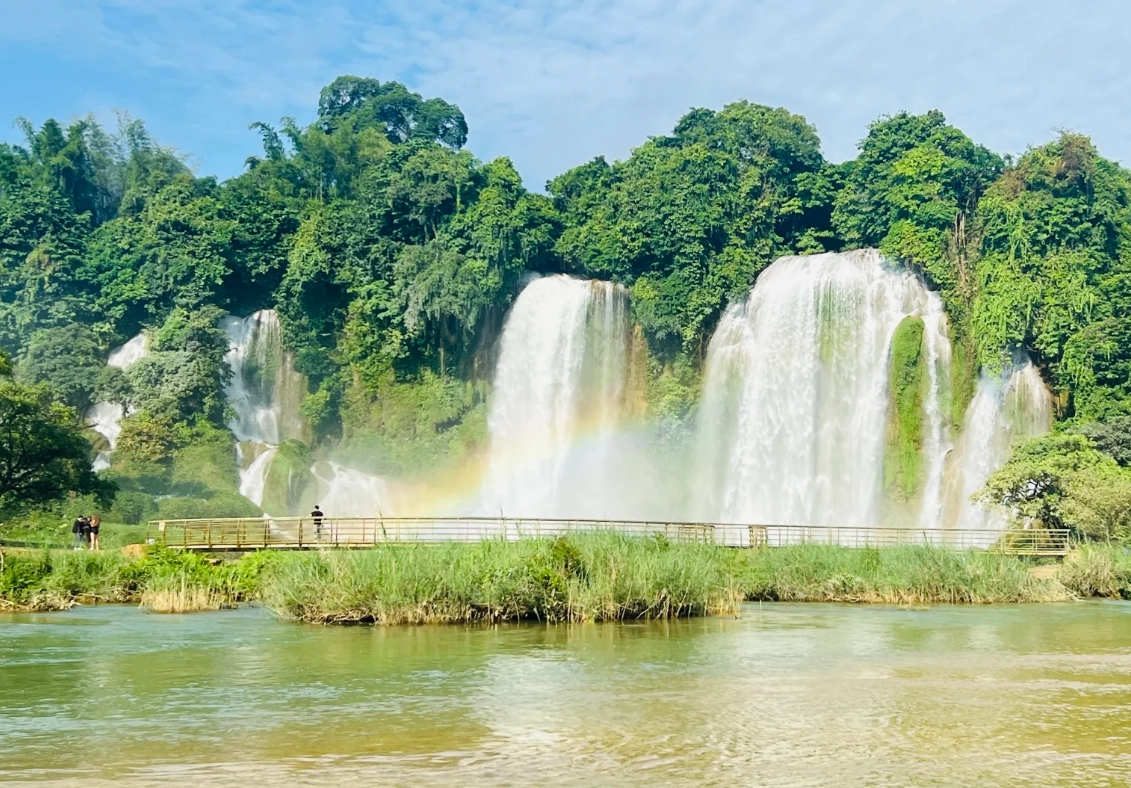
Bookings: Your Passport Is Gold
All major scenic spots in Chongzuo require passport registration and advance booking. The official WeChat mini-programs are often only in Chinese, which is a nightmare even for me. Don't panic! Use Trip.com or Klook – both support foreigners with passport booking and offer cancellation flexibility. I always tell my guests: if you can't book online, ask your hotel receptionist to do it for you. They've done it a hundred times.
VPN and Translation: Non-Negotiable
Unless you want to wander blind, download a reliable VPN before arriving in China. Without it, Instagram, Google, and many sites won't load. For translations, Apple Translate works offline in Chinese, though I find it clunky with dialects. Baidu Translate is usually more accurate, but it's less user-friendly in English.
Day 1: Arrive & Riverside Stroll
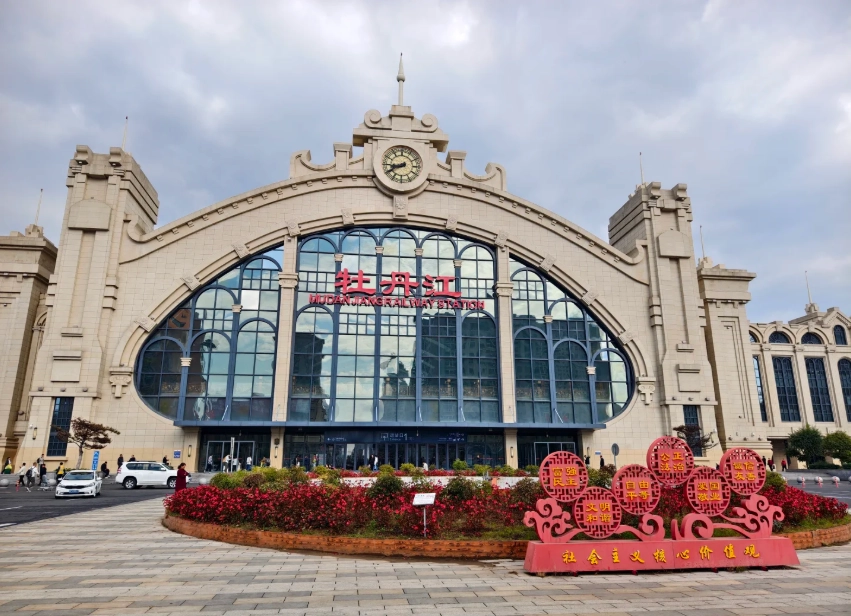
You'll likely fly into Nanning, the capital of Guangxi, then hop on the high-speed rail to Chongzuo. The train takes about an hour – I always recommend booking it on 12306.cn or through Trip.com – and it pulls into Chongzuo Railway Station around 4pm. By dinnertime, you're ready to explore.
Settle In: Choose the Jiangnan District
Stay near the Zuo River in Jiangnan District. It's the city's beating heart and safe for solo travelers. I've stayed at a few hostels there that cost around 120 CNY per bed, but you can also find mid-range hotels for 250-400 CNY. Ask for a room facing the river – the sunrise is worth it.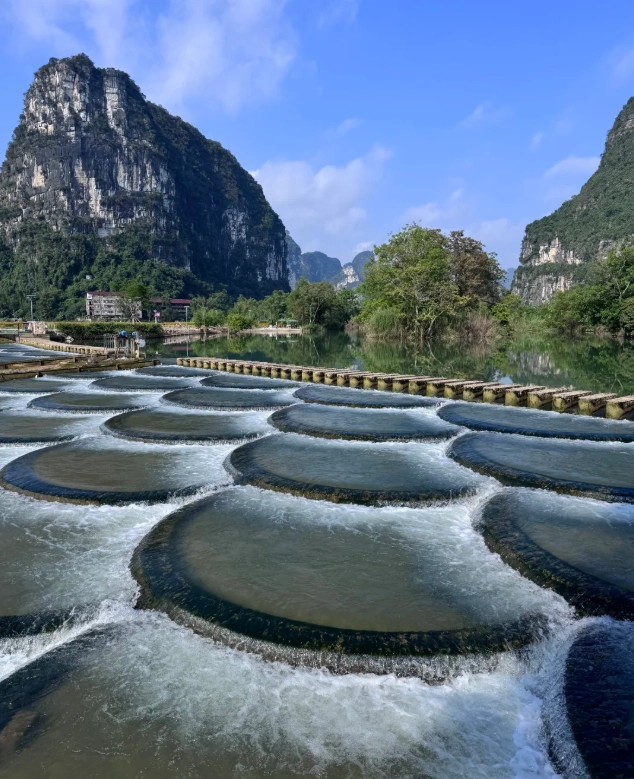
Evening: Riverside Night Market
After checking in, head to the Zuo River Night Market, easily walkable from any central hotel. This isn't a tourist trap – it's where local families come to eat. I always lead my groups to a stall that sells Chongzuo sour bamboo shoot rice noodles (酸笋米粉). It's tangy, spicy, and utterly addictive. A bowl costs around 10 CNY. Follow it with a hand-pulled noodle stall two blocks south.
Walk along the river promenade after dinner. At 7pm the bridges light up, and you'll hear old men playing traditional instruments. Sit on a bench for 10 minutes and just soak it in. You'll never see a tour group doing this – it's your first taste of the real China.
Day 2: Detian Waterfall – Border Splendor
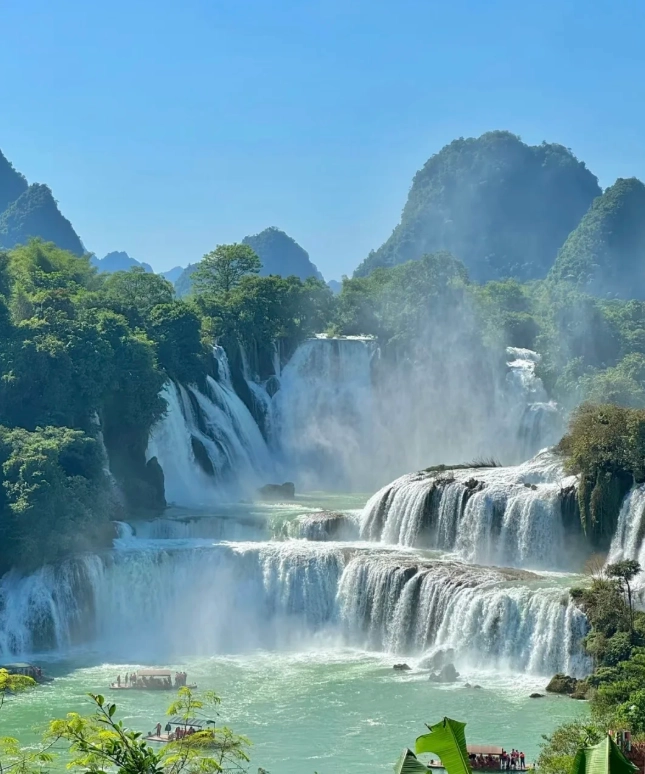
This is the centerpiece of your Chongzuo 4-day itinerary. Detian Waterfall is the largest transnational waterfall in Asia, straddling the border with Vietnam. I've been here more times than I count, and it still gives me chills.
Getting There: Don't Take the Public Bus
From Chongzuo city, Detian Waterfall is about a 2-hour drive. Your options are: a private car (500-700 CNY round-trip with waiting), a local day tour from your hotel (roughly 400 CNY per person including tickets), or the public bus – which I advise against unless you love confusion. The public bus schedule is sporadic and drops you a 20-minute walk from the entrance. Trust me, hire a car or tour. You'll thank me when you're not waiting in the sun.
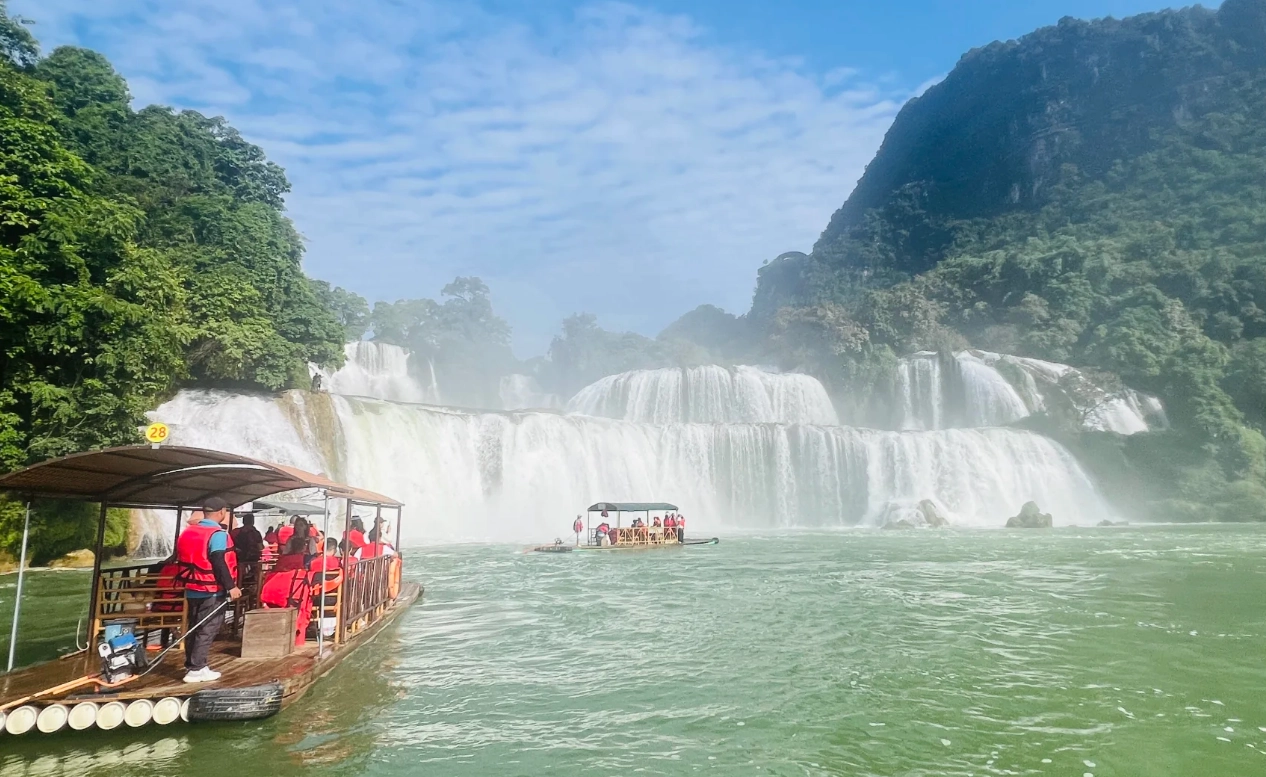
What to Expect at the Waterfall
Go straight to the observation deck when you arrive, then walk down to the river. The most photographed area is the middle viewing platform, but it gets crowded by 10am. I always tell my guests to arrive right at the opening time – 8am – to catch the morning mist and have the place to yourselves. By noon the tour groups arrive and you'll be squeezed against the railing.
Here's a pro tip that's out of all the guidebooks: After 2pm, the mist from the falls intensifies and the wooden walkway becomes dangerously slippery. Wear non-slip shoes and hold the railing. I saw a woman sprain her ankle last year because she was wearing flip-flops. Please don't be that person.
The boat ride to the base of the falls costs 30 CNY and is worth every yuan. You'll feel the spray on your face and get a closer look at the Vietnamese side – it's surreal to remember that just meters away is another country. The ride lasts about 20 minutes and is a core memory for all my travelers.
Lunch: Riverside Restaurant
Inside the scenic area there are several local restaurants. Prices are slightly higher but not outrageous. I always get the gas station chicken – a regional specialty – for about 60 CNY. Ask for it spicy, but be careful if you're not used to real Sichuan heat. Most places have picture menus, so pointing is totally acceptable. Cash or phone payment only; no international cards.
Afternoon: Optional Vietnam Viewpoint
If you're not exhausted, there's a small hill near the left side of the falls that climbs to a viewpoint overlooking both countries. It takes 20 minutes and the view is staggeringly beautiful – you can see Vietnam's rice fields below. On a clear day it'll be the highlight of your trip. No extra ticket needed.
Day 3: Ming Shi Scenery & Bamboo Rafts
On day three, you'll trade the thunder of water for the peaceful stillness of karst peaks reflected in the river. Ming Shi Scenery (明仕田园) is a national park that looks like a traditional Chinese ink painting come to life.
How to Get Here
Ming Shi Scenery is about 1 hour from Chongzuo. Your driver from Detian can usually drop you here on the way back if you arrange it the evening before. Or take a local sightseeing bus from the Chongzuo Bus Station – it leaves at 9am and returns at 4pm, but double check because schedules change. Private car is the hassle-free route, costing around 300 CNY for the half-day trip.
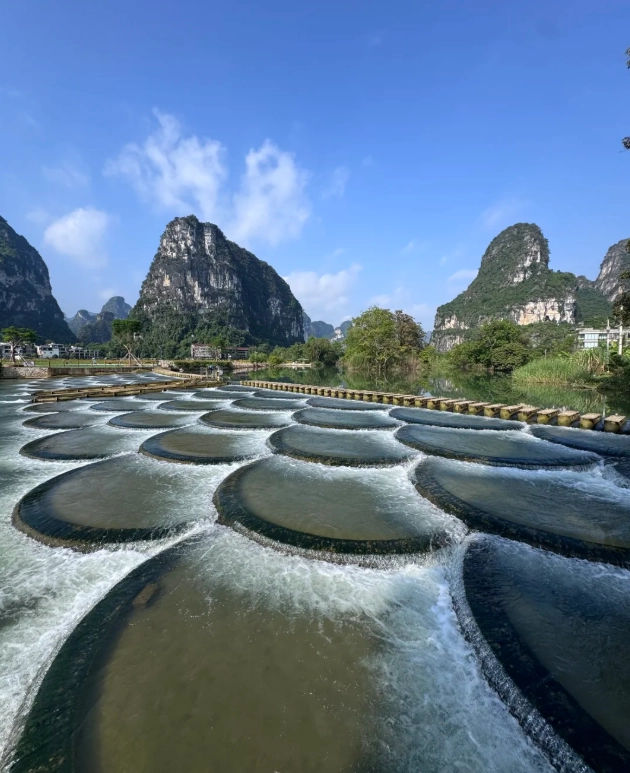 What to Do: The Bamboo Raft
Don't think twice – book the bamboo raft. It glides along the river for about 40 minutes with an eerie silence, passing water buffalo and ancient bridges. The guide usually plays a folksong over the speakers, and it feels like traveling back in time. The raft ticket is combined with the park entrance – around 120 CNY per person.
I recommend taking the raft first thing in the morning. By 9:30 the sun is high and the reflections get washed out. The ideal photography window is 7:30 to 9:00am. I've seen countless tourists leave at 10am and miss the magic. Set your alarm, you can nap later.
Lunch: Local Farmhouse
Right at the park exit there are three farmhouse restaurants. Don't be shy – the one closest to the bus stop is where locals eat, and that's your sign. Try the Zuo River fish with pickled vegetables, a tangy and slightly sweet dish that pairs brilliantly with rice. It'll cost about 50 CNY per person. They have an English menu but it's tiny – use your translation app for the daily specials.
Alternative Plan: If It Rains
Chongzuo's weather can be moody. If heavy rain hits Ming Shi, do what I do: skip the raft and visit the nearby Tongling Grand Canyon (通灵大峡谷) instead. It's about 40 minutes north and its waterfall is even taller than Detian – can you believe it? The canyon walk is under shelter for most of the way, so it's a solid indoor-ish backup. But note: it's a bit farther, so budget time for the journey.
Day 4: Border Culture – Youyi Pass & Pingxiang
On the last full day of your Chongzuo 4-day itinerary, I want to take you to the frontier. This is where China meets Vietnam in the realest sense – not just a viewpoint, but a working border crossing.
Morning: Youyi Pass (Friendship Pass)
Youyi Pass is one of the most important border crossings between China and Vietnam. It's about an hour-and-a-half drive from Chongzuo. You can take a bus from Chongzuo South Station to Pingxiang city (45 minutes), then a local bus to the pass. But again, I'd arrange a car. The pass itself is an impressive stone gate with historical significance dating back to the Han Dynasty. You can walk near the border marker but you'll need your passport if you want to step into Vietnam territory – which you can't without a visa. But just seeing the hustle of locals crossing for trade is fascinating.
 Lunch: Pingxiang Market
After the pass, head to Pingxiang's bustling market. This is where my guests always get excited – it's authentic, chaotic, and full of Vietnamese influence. Try the Vietnamese spring rolls at a stall near the west gate, and bundle them with fresh herbs and chili. A plate of five costs 15 CNY. There's also excellent granulated coffee – much stronger than what you get in the city. If you're a coffee snob, this is your spot.
Afternoon: Back to Chongzuo or Optional Border Foot Market
If you still have energy, wander to the Night Silk Market near Pingxiang's clock tower. It's not haunted by tourists – mostly local people picking up cheap goods from Vietnam. I found a handwoven hammock for 30 CNY once, and it's still in my living room. But if you're tired, just relax in a riverside café in Chongzuo and watch the city slow down.
I always tell my guests: day 4 is about feeling, not seeing. By now you've experienced nature's drama and the quiet soul of Guangxi. Let it sink in.
Where to Sleep in Chongzuo
Your base for the entire 4 days should be Chongzuo city – it's a great hub for all the day trips. Here's a comparison of accommodation options to fit different budgets and needs, based on my own stays and client feedback.
| Area | Type | Est. Price Range (CNY/Night) | Best For | Convenience Score |
|---|---|---|---|---|
| Jiangnan District (River) | Mid-range hotel | 250-400 | First-timers, couples | Near night market & restaurants |
| Chongzuo Old Town | Guesthouse / boutique | 180-300 | Backpackers, culture lovers | Less safe at night, but charming |
| Near Railway Station | Business hotel | 200-400 | Early train departures | Convenient for transport, but noisy |
| Riverside Resort | High-end hotel | 600-1200 | Luxury travelers | Quiet, scenic, but far from city center |
I personally recommend the Jiangnan District to 90% of my clients. It's walkable to the night market, the river path, and plenty of food options. Plus, the area has good taxi coverage early in the morning for your day trips. If you're on a super tight budget, grab a bed in a hostel in the old town – just be ready for thin walls and a lively atmosphere.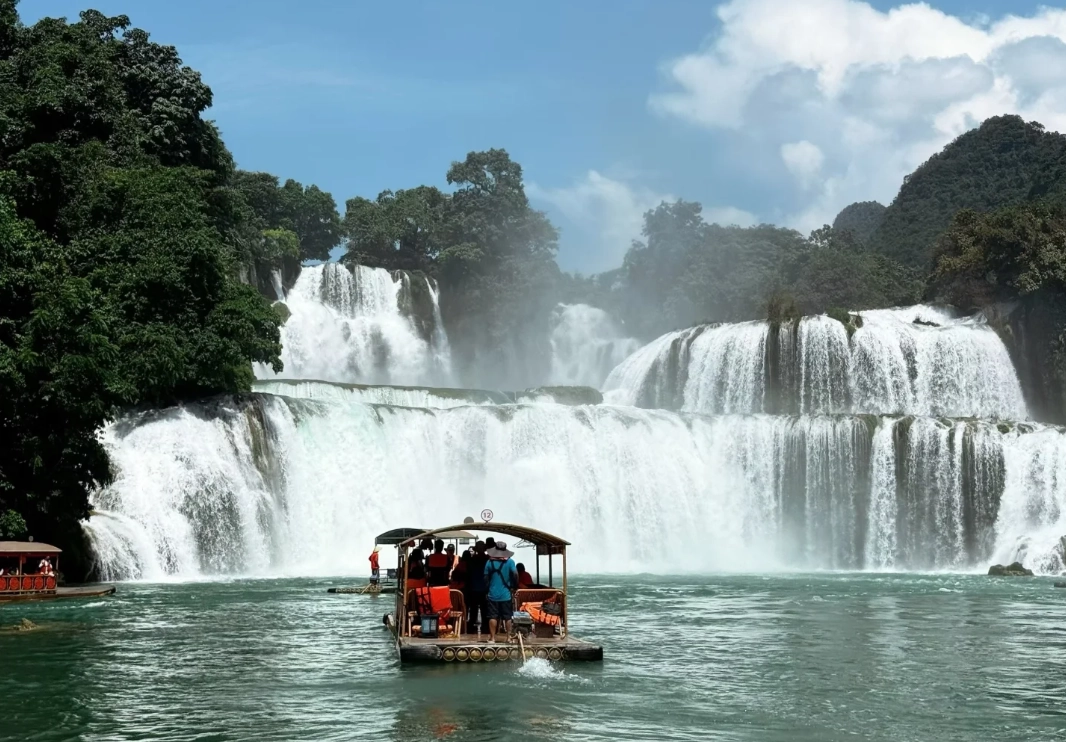
Pro Tip: When booking any accommodation, ask if the Wi-Fi is stable. Some old hotels in Chongzuo have notoriously weak internet – which will kill your plans to upload that waterfall photo. I always bring a portable VPN router as backup.
FAQs – Your Burning Questions
I hope this Chongzuo 4-day itinerary saves you from the rookie mistakes I've seen too many times. The region is a diamond in the rough, and with a little preparation, you'll leave with memories that outshines any Guilin postcard. Go on – the borderlands are calling.
Verified and fact-checked by the editorial team.






No comments yet.