 Tao Xu
What's Inside? A Quick Look
- Why Friendship Pass Should Be on Your Guangxi Itinerary
- How to Get to Friendship Pass: Trains, Buses, and Cars
- Friendship Pass Tickets, Hours, and the Key Spots to Explore
- Where to Stay and What to Eat Near Friendship Pass
- Common Mistakes Travelers Make at Friendship Pass (And How to Avoid Them)
- FAQ: Your Friendship Pass Questions, Answered
Let me be blunt: I've guided so many travelers to Friendship Pass that I could navigate the drive blindfolded. Yet every time, I still get that quiet thrill when the weathered stone archway appears through the misty Guangxi mountains.
If you're planning a trip to Friendship Pass, you've probably already hit the wall of confusing online info. Most English-language guides are outdated, and they never warn you about the payment chaos, the WeChat booking maze, or the fact that Google Maps will leave you stranded. That's why I'm writing this—to give you the real deal, the stuff I've learned from dozens of trips.
Here's the truth: the only way to visit Friendship Pass without headaches is to show up by 8:30 AM, bring cash as backup, and have your hotel write the Chinese address for you. Do that, and you can skip 80% of the stress. Now, let me walk you through everything else you need to know.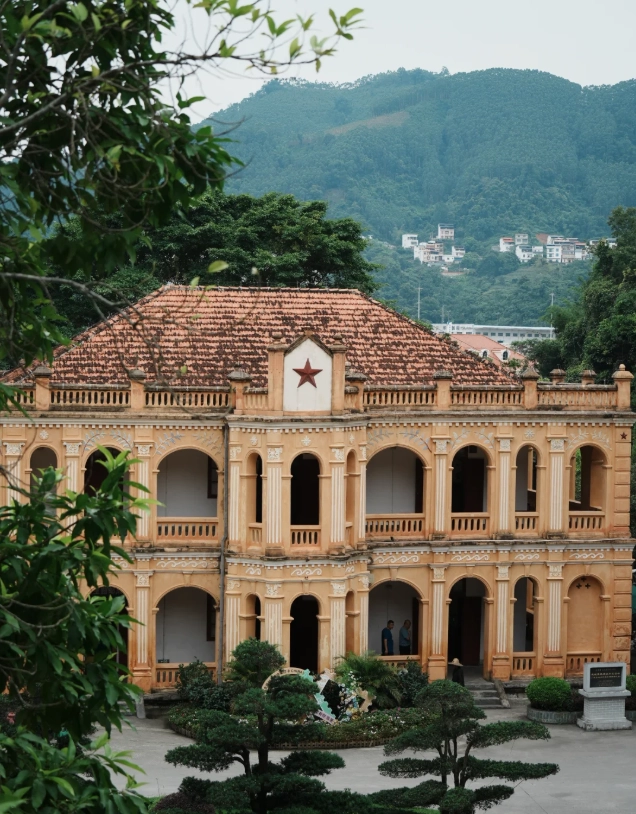
Why Friendship Pass Should Be on Your Guangxi Itinerary
Friendship Pass, originally known as Zhennan Pass, is one of China's nine great passes. It's a historic gateway between China and Vietnam, and it played a starring role in the Sino-French War. Walking through the towering gate feels like stepping into a history book—except you can touch the walls.
But for me, the real magic isn't the history. It's the border atmosphere. One minute you're in China, sipping coffee; the next, you're staring at Vietnam just a few hundred meters away. On a clear day, you can even see Vietnamese traffic moving across the border. That's something no museum can replicate.
I always tell my clients: if you have even a passing interest in history or geopolitics, plan at least three hours here. If you're just passing through to take photos, two hours will do. But trust me, you'll want to linger.
How to Get to Friendship Pass: Trains, Buses, and Cars
From Nanning by High-Speed Train
Your best bet is to take a high-speed train from Nanning East Station to Pingxiang Station. The journey takes roughly 1.5 hours, and trains run several times a day. Once you arrive, hop into a taxi or a local bus to Friendship Pass—the ride is about 20 minutes.
From Nanning by Long-Distance Bus
Alternatively, you can take a direct bus from Nanning's Langdong Bus Station to Pingxiang. It's cheaper than the train but takes around 3 hours. From Pingxiang bus station, take a local bus or shared van to the pass.
Driving or Hiring a Private Car
If you're used to driving in Vietnam, you'll find the roads here quite good. Rent a car in Nanning with a driver (I can help you arrange one) and enjoy the mountain scenery. The drive takes about 3.5 hours, and you can stop for photos along the way.
| Transport Option | Duration | Cost (approx.) | Best For |
|---|---|---|---|
| High-speed train | 1.5h to Pingxiang + 20min taxi | CNY ~110 train + ~20 taxi | Speed and comfort |
| Long-distance bus | 3h to Pingxiang + 20min taxi | CNY ~80 bus + ~20 taxi | Budget travelers |
| Private car | 3.5h direct | CNY ~400-500 | Groups and flexibility |
Prices are estimates; check Trip.com for current fares.
Friendship Pass Tickets, Hours, and the Key Spots to Explore
Tickets and Opening Hours
As of my last visit, the ticket price is around CNY 50 for adults. Children under 1.2 meters and seniors (over 65) get discounts, so bring ID. The pass opens from 8:00 AM to 6:00 PM daily, but last entry is typically 5:00 PM. Opening hours may change during holidays, so it's wise to check with your hotel or the official WeChat account.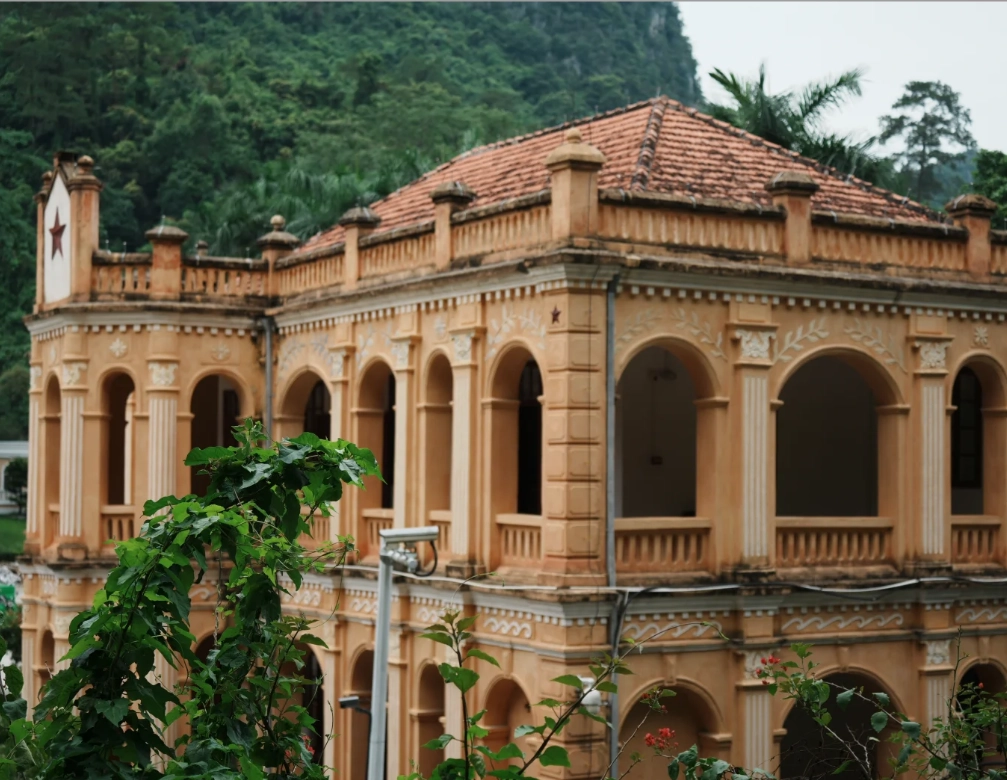
You can buy tickets at the gate, but here's the thing: in peak season, the queue can get long. I always recommend booking through an app like Klook to skip the line. Just make sure you have your passport handy—you'll need to show it for ticket purchase and border security.
What to See Inside
- The Pass Gate (关楼): The iconic archway that has witnessed centuries of history.
- Ancient City Walls: Walk along the restored walls for panoramic views of the border valley.
- Fortified Batteries: Old cannons still point toward Vietnam.
- Sino-Vietnamese Boundary Marker: The marble stone where you can stand with one foot in each country.
- Friendship Pass Museum: Small but fascinating, with artifacts from the Sino-French War.
Start with the main gate, then climb to the top of the wall for a photo of the valley. Walk to the boundary marker—it's a cliché, but you'll love it. The museum has displays in Chinese and English, so plan to spend about an hour there.
Pro tip: Want to beat the crowds? Arrive at 8:00 AM sharp. By 10:30, tour groups flood in. Also, depending on the season, the afternoon sun can be harsh—bring a hat and sunscreen.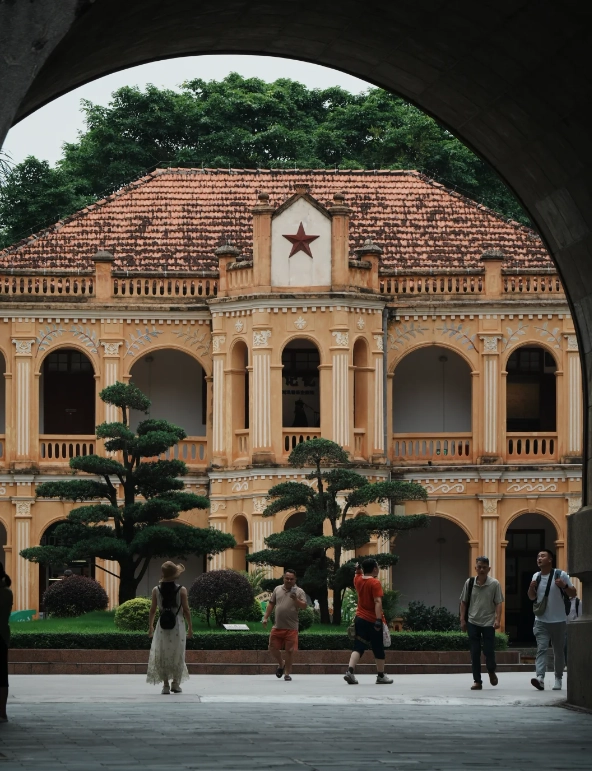
Where to Stay and What to Eat Near Friendship Pass
Where to Stay in Pingxiang
Most visitors base themselves in downtown Pingxiang, about 20 minutes from the pass. You'll find a range of options, from budget hostels to comfortable business hotels. For a mid-range stay, check the area near Pingxiang Railway Station—hotels there are convenient and reasonably priced. Expect to pay around CNY 250–400 per night. If you're on a tight budget, look for guesthouses near the bus station; they cost about CNY 80 per night. Book in advance during Chinese holidays, as places fill up quickly.
What to Eat
Pingxiang is a fusion of Chinese and Vietnamese flavors. Don't leave without trying Vietnamese rolled noodles (越南肠粉), a local breakfast favorite. You'll find it at street stalls near the morning market—just point at what others are eating. Also try spring rolls and a bowl of pho, which tastes different from the ones in Vietnam but is delicious in its own way. Carry cash because some small stalls only accept mobile payments.
My favorite way to end the day is with a Vietnamese iced coffee at a sidewalk café on Friendship Street. Ask a local for their recommendation—you'll never get the same answer.
Common Mistakes Travelers Make at Friendship Pass (And How to Avoid Them)
- Trusting Google Maps: Google Maps is inaccurate in China. Use Apple Maps or download AMap (高德地图) and switch to English.
- Not bringing cash: While Alipay and WeChat Pay are common, some vendors only take cash. Always have backup cash.
- Forgetting your passport: You'll need it to buy tickets and pass security checks. Keep it with you at all times.
- Crossing the border line: You can only go as far as the boundary marker. Do not attempt to walk further into Vietnam without proper visas.
- Arriving at noon: That's when tour groups peak. Get there early to enjoy the place in peace.
Insider Advice: The most common mistake I see is travelers trying to pay with a foreign credit card directly at the ticket booth. That won't work. Have your hotel or a friend help you buy tickets online via WeChat or Trip.com to avoid the bottleneck.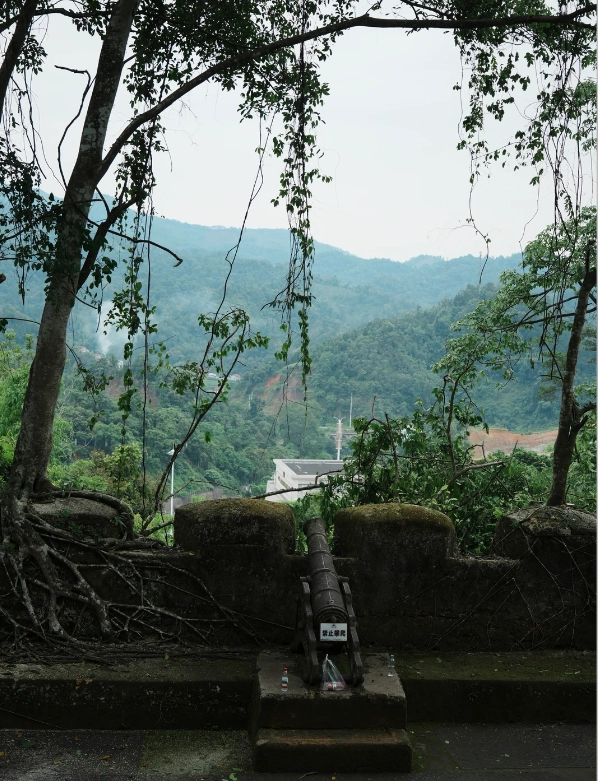
FAQ: Your Friendship Pass Questions, Answered
Do I need a visa to visit Friendship Pass as a foreigner?
If you are already inside China, you only need your passport to visit the scenic area itself. However, if you plan to cross into Vietnam, you'll need a valid Vietnamese visa. The border guards will check your passport at the pass, so keep it handy.
Can I use Alipay or WeChat Pay at Friendship Pass?
Most ticket offices and shops accept Alipay and WeChat Pay, but the system can be confusing for foreigners who haven't linked international cards. Carry cash as a backup—some smaller vendors won't take anything else. I always tell visitors to bring about 200 RMB in cash.
What's the best time of day to visit Friendship Pass?
Go at 8:00 AM when the gates open. Not only will you avoid the crowds, but the soft morning light makes the stone walls glow. By 10:30, the tour buses arrive and the peaceful atmosphere disappears.
Can I do a day trip from Nanning to Friendship Pass?
Yes, it's possible but rushed. Catch the first high-speed train at 7:00 AM, spend 3-4 hours at the pass, and return by evening. However, I recommend staying overnight in Pingxiang to enjoy the border town's evening food stalls and avoid feeling rushed.
Is Friendship Pass inside a restricted border zone?
The scenic area is open to tourists, but you'll go through a security checkpoint. Don't be alarmed—having your passport ready is enough. Some side roads near the actual border are restricted, so stick to the marked paths.
Verified and fact-checked by the editorial team.






No comments yet.