 Chen Liu
Jump Ahead
- Why Chongzuo Needs Its Own Safety Guide
- Understanding the Real Risks: Scams and Crowds
- Payment and Digital Security: What to Watch
- Getting Around Safely: Taxi, Bus, and Ride-Hailing
- Health and Emergency Preparedness
- How to Avoid Common Tourist Scams in Chongzuo
- Food & Hotel Safety: Where to Eat and Sleep
- Frequently Asked Questions: Chongzuo Safety
Let's be real — Chongzuo isn't exactly a hotspot for violent crime. But if you're a foreigner wandering this border town armed with Google Maps and a fear of missing out, you'll hit a different kind of trouble: scams, payment hiccups, and the kind of chaos that comes with a sleepy town that suddenly wakes up when the tour buses arrive. Here's my tried-and-tested advice after walking these streets for years. The short version: carry cash backup, never trust motorbike touts, and always book Detian Falls via your hotel.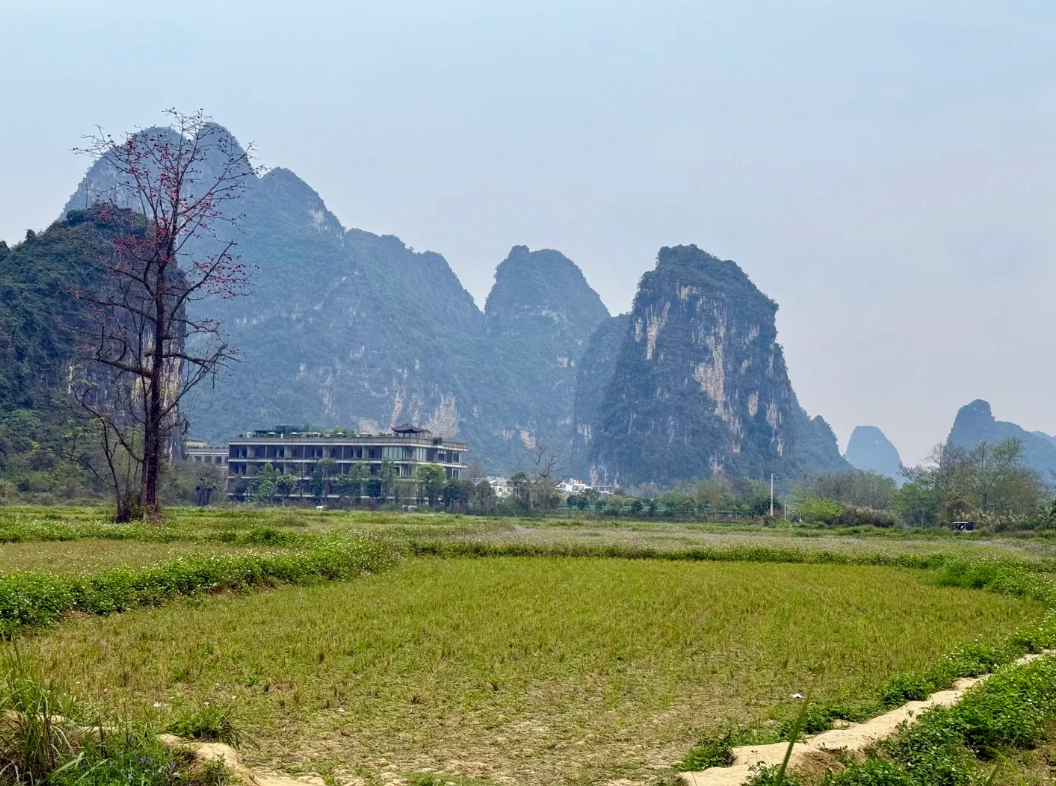
Why Chongzuo Needs Its Own Safety Guide
Most English-language information about Chongzuo is stuck on travel forums with contradictory advice from a decade ago. The reality is that Chongzuo is a small prefecture-level city in Guangxi's southwest, sitting right on the Vietnam border. It has a high rate of Vietnamese tourists coming in via Youyi Pass, and the local economy is powered by a mix of agriculture, tourism, and frontier trade.
I've guided many groups here, and the only times I've felt genuinely on edge were during the Lunar New Year rush and the July–August school break. That's when the Detian Waterfall gets so crowded that the viewing platforms turn into a game of human Tetris. But is Chongzuo dangerous? Not by any stretch. It's safer than many western cities you've visited. However, it's the everyday inconveniences that can make a trip feel unsafe — a motorbike taxi jacking up the price because you look lost, or a QR code payment that fails because your bank blocks it. That's what this guide is about.
Understanding the Real Risks: Scams and Crowds
What Are the Biggest Risks for Foreigners?
The #1 risk is not crime; it's falling for overpriced taxis and counterfeit tickets. Most locals are friendly and honest, but you'll find a small group of touts around the bus station and Detian Falls parking lot. They're masters of the "no change" trick — where they round up the fare because they claim not to have smaller bills. It's rarely violent, but it's annoying.
The other risk is the crowd's effect on your safety. At Detian Falls, the border viewing area gets packed. I've seen tourists climb over barriers to get a selfie with the Vietnamese side behind them. That's not just unsafe — it's illegal. You're near a border post, and pushing boundaries can lead to a fine or a serious conversation with border police.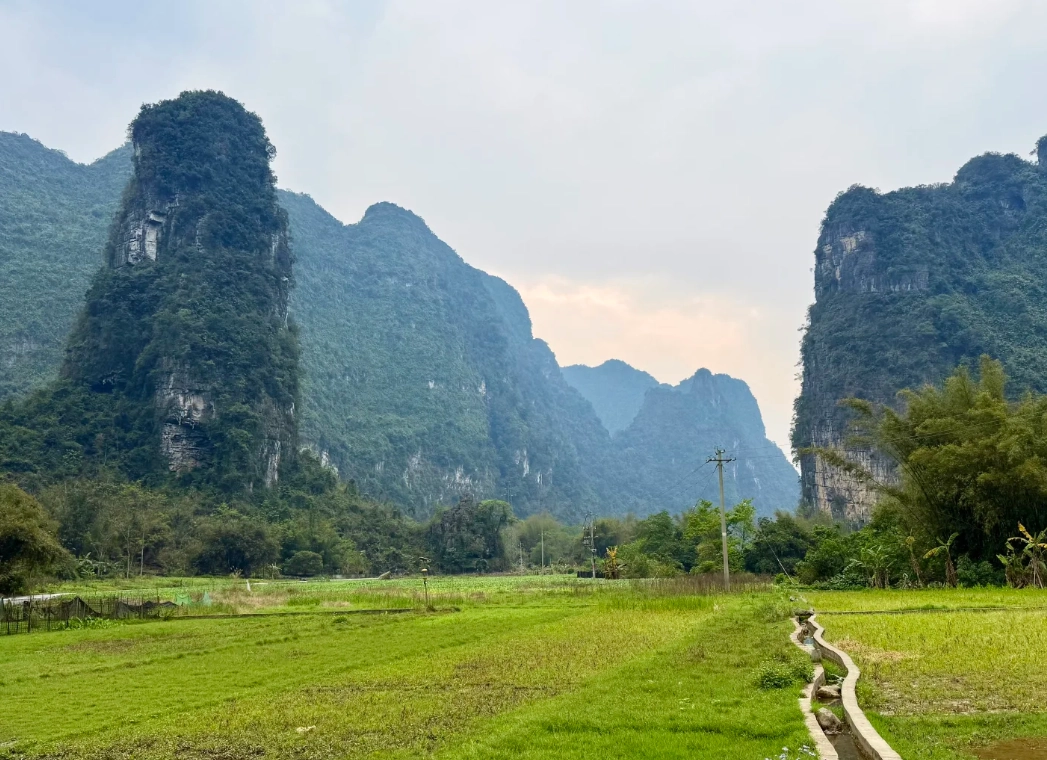
Pro Tip: always carry your passport with you. We'll get deeper into that later.
Payment and Digital Security: What to Watch
How to Pay Safely as a Tourist in Chongzuo
Cash is still king in the local markets, even though everyone else uses WeChat Pay. Most tourist-facing shops, restaurants, and hotels accept Alipay or WeChat Pay with international cards, but small eateries and the countryside around Daxin County might still be old-school. I always carry a backup of 200–300 RMB in cash, because I've seen ATMs run out of money in remote areas.
Digital payment safety is a big thing for me. Before you arrive, make sure your Alipay or WeChat Pay is linked to a credit card that has no foreign transaction fee. And here's a pro tip: set up a separate mobile pocket or wallet for payments, so if your phone is stolen, you can lock it remotely. And never let the shopkeeper hold your phone for the camera. Watch them scan the code yourself.
When paying, check the amount on the screen before you confirm. Some less-than-honest operators might charge you the "foreigner price" quietly. If something feels off, just smile, point at the sign, and ask for a paper menu or a printed price list.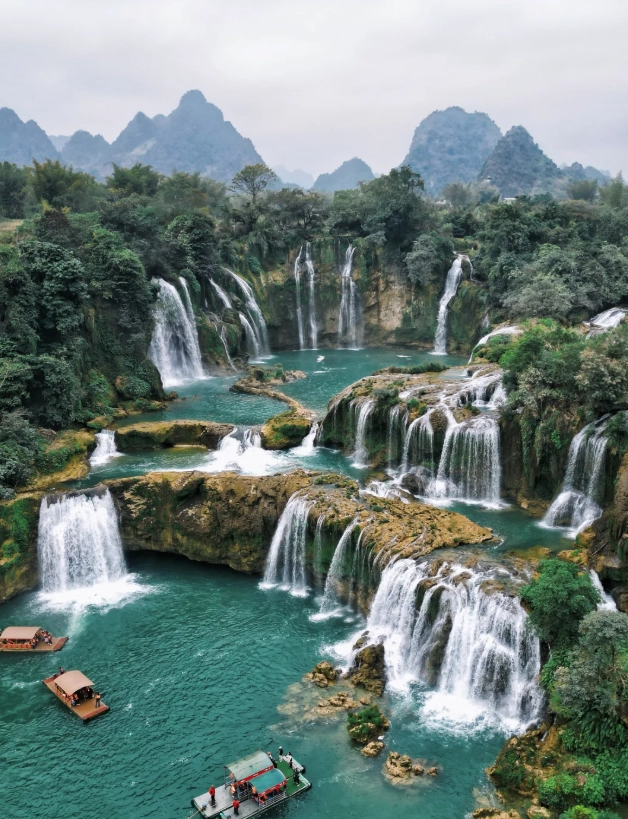
Getting Around Safely: Taxi, Bus, and Ride-Hailing
How to Navigate Chongzuo's Transport Without Getting Ripped Off
Google Maps is famously inaccurate in China, so don't rely on it for navigation. Instead, I recommend Apple Maps (which works reasonably well in Chongzuo) or the AMap app (set to English). For your hotel driver, always have the Chinese address written down. In Chongzuo, most drivers won't understand English.
Here's a snapshot of your options:
| Option | Cost for 5 km | Time | Safety & Convenience |
|---|---|---|---|
| Metered Taxi | 12–20 RMB | 15–20 min | Safe, but meters may not be turned on. Negotiate first. |
| Didi (Ride-hail) | 10–18 RMB | Flexible | Safest bet; price upfront, driver identity recorded. |
| Public Bus | 1–2 RMB | Slower | Very safe, but routes are limited and hard to read in Chinese. |
I always tell my clients to use Didi for everything beyond walking distance. It eliminates almost all bargaining friction and gives you a digital trail. The only downside is the phone call — just send a message.
For motorbike taxis I have a love-hate relationship. They're quick and cheap, but I've seen too many tourists get overcharged. If you must ride one, settle a fare before hopping on and hold your backpack against your chest. A short hop under 3 km should never cost more than 15 RMB.
Health and Emergency Preparedness
What Should You Do in a Medical Emergency?
The best hospital in Chongzuo is the People's Hospital of Chongzuo (崇左市人民医院). It's downtown, at No. 30 Xincheng Road. For minor ills, pharmacies are everywhere — look for the green cross. Bring your own basic medicine, though, because language can be a barrier.
If you have a serious accident, call 120 for an ambulance. The operators won't speak English, so ask your hotel or any Chinese bystander to make the call and describe your location. Better yet, save the direct line to your embassy. That's the ultimate safety net.
Chongzuo is close to the Tropic of Capricorn, so it's hot and humid most of the year. Heat stroke is a real risk if you're visiting Detian Falls in July. I've seen tourists collapse on the trail. Remember to hydrate with sealed bottled water (not the local refill stations), and wear a wide-brimmed hat. There's nothing worse than a trip ruined by a blistered forehead.
How to Avoid Common Tourist Scams in Chongzuo
Scams are not rampant, but they exist. Awareness is your best armour.
| Scam Type | Where It Happens | How to Avoid |
|---|---|---|
| Motorbike taxi overcharging | Outside bus station, railway station | Always negotiate the price first. A short ride (under 3 km) is 10–15 RMB. Say "no" if they quote more. |
| Counterfeit admission tickets | Detian Falls ticketing area | Buy only from the official counter or your hotel concierge. Wear a wary eye for people waving pre-printed tickets. |
| Currency exchange scam | Near Youyi Pass | Use official banks or ATMs. Never change money on the street — you'll get a terrible rate or fake bills. |
| "Photographer" approach | Detian Falls viewpoints | If someone insists on taking your picture with your phone, keep a firm hold on the phone. Or just say "thank you" and walk away. |
Food & Hotel Safety: Where to Eat and Sleep
Is Street Food Safe to Eat in Chongzuo?
Yes, but choose stalls with a high turnover and a solid queue of locals. That's the golden rule anywhere in China. Chongzuo's streets come alive at night with BBQ skewers and noodle stalls. My personal favourite is a place near the Jiangnan Market that does Guilin rice noodles — it's been there for twenty years and the line is a good sign. Avoid anything that's been sitting under a fly-specked heat lamp for hours. And if you're particularly sensitive, bring your own cutlery — some stalls use shared chopsticks.
As for hotels, safety starts with the lock. Check that the door has a deadbolt and an eyehole. Use the in-room safe for your passport and excess cash. And make sure the hotel has a 24-hour front desk, so you don't get locked out after a late exploration. I've stayed at a few budget guesthouses where the Wi-Fi was spotty and the walls paper-thin. For a truly safe and comfortable stay, I recommend hotels around Jiangnan Road or the bus station — they're central, well-lit, and have English-speaking staff more often.
Frequently Asked Questions: Chongzuo Safety
As a closing note, I always remind my travelers: Chongzuo is a place where you can let your guard down a bit, but not all the way. The key to a safe and happy trip is preparation — carry cash and a photocopy of your passport, download offline maps and translation packs, and say 'no thanks' with a smile to the touts. You'll find that the warmth of the locals and the beauty of the border landscape will quickly outweigh any worries you had at the start.
Verified and fact-checked by the editorial team.





No comments yet.