 Qiang Huang
What You'll Discover Below
I see guests with soaked sneakers and exhausted, empty eyes — that's the one-day crowd. Then I see people floating down the stairs, glowing — those are the three-day crew. Which type do you want to be?
Figuring out how many days to spend in Huangshan isn't just about counting hours. It's about sunrise viewpoints, railway fatigue, and whether you'll survive the steps. Most foreign visitors miss the crucial detail that the mountain is bigger than it looks on Google Maps — and that changes everything.
Here's the raw truth: You need at least one night on the mountain. The shortest viable plan is 2 days and 1 night. If you can stretch to 3 days, you'll actually enjoy the West Sea Canyon without jogging. Today's guide breaks down every option so you can pick the perfect length for your trip.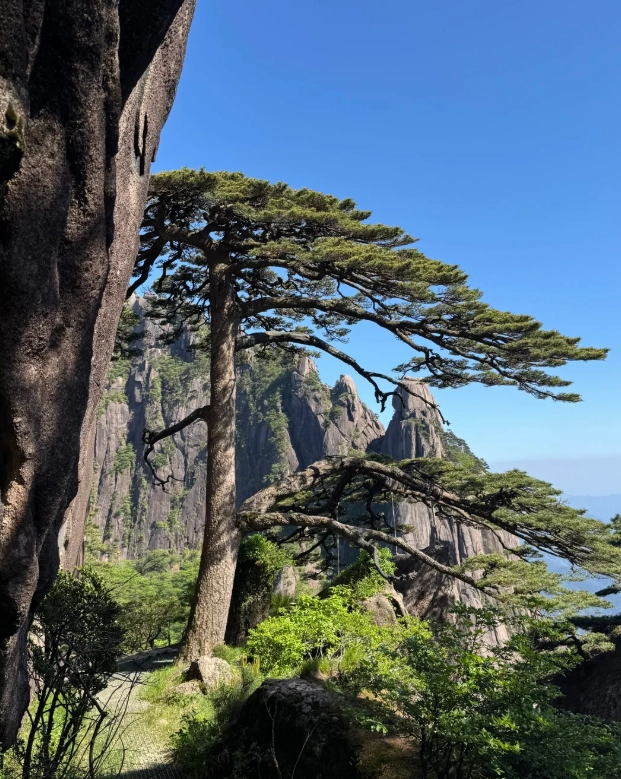
Quick Answer: How Many Days Should You Spend?
Two to three days is the sweet spot for Huangshan. Two days gives you the classic sunrise and sunset; three days adds the West Sea Canyon and a relaxed pace. One day is doable but will leave you sprinting. More than three days? You'll run out of trails.
I always tell my clients to book at least one night on the mountain. Why? Because the sunrise from Light Valley or Bright Peak is the moment that sticks with them forever. And you can't see it if you're stuck in the cable car line at noon.
| Days | Who It Works For | Pros | Cons | My Verdict |
|---|---|---|---|---|
| 1 day | Extremely fit travelers on a strict schedule | Saves time and hotel costs | Miss sunset/sunrise, long queues, rushed | Only if you have no other choice |
| 2 days / 1 night | Most travelers with average fitness | See sunrise, visit core spots, manageable | Parts of West Sea Canyon may be skipped | My top recommendation |
| 3 days / 2 nights | Photographers, hikers, slow travelers | Full exploration, less rush, can explore off-path | Costs more, needs extra day | Worth it if you can afford the time |
| 4+ days | Hardcore hikers bringing camping gear | Can explore all corners | Beyond normal tourists | Overkill for most |
The Best 2-Day Huangshan Itinerary
Day 1: Head up the Back Mountain, then watch the sunset. Start from Yungu Temple (云谷寺) at the back mountain. Take the Yungu cable car up to White Goose Ridge (白鹅岭). From there, hike to Beginning-to-Believe Peak (始信峰) — a short 30-minute walk. After lunch, continue to Xihai Grand Canyon entrance, but only walk the top rim, not the full loop, if you want to save energy. Settle into your hotel, then walk to Bright Peak or Cloud Dispelling Pavilion for sunset.
Day 2: Sunrise, then exit via the Front Mountain. Pre-dawn, join the short walk to your chosen viewpoint. After breakfast, pack light and head down via the Front Mountain. You'll pass the famous Welcoming Pine (迎客松) and the steep stairs to the Yuping cable car. Take that car down to Ciguang Pavilion and the bus back to Tangkou.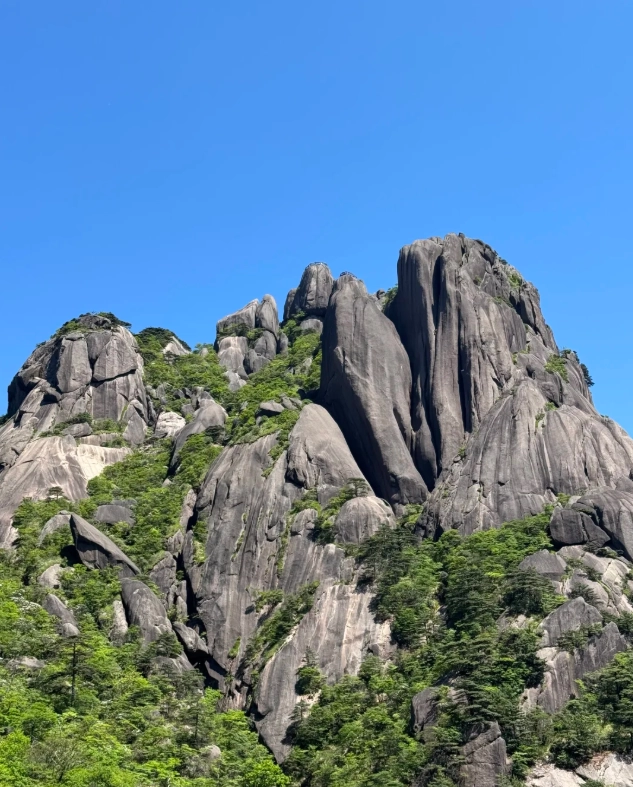
Short on Energy? Modify Day 2
If your knees complain, skip the Welcoming Pine and take the back cable car down. Many guests fear the front mountain's 3,800 steps. Instead, return the same way you came — it's easier and still gives you time for a leisurely lunch. The trade-off? You won't see the iconic pine, but you'll save your legs for the rest of your China trip.
Best Spots to Base Yourself
For budget-friendly stays, Bai'e Hotel is a classic. It's a 10-minute walk from Bright Peak. For convenience, Bright Peak Hotel is literally steps from the sunrise viewpoint — worth the premium. If you want a touch of luxury, Xihai Hotel offers nice rooms near the West Sea Canyon. Book at least a month in advance during peak season.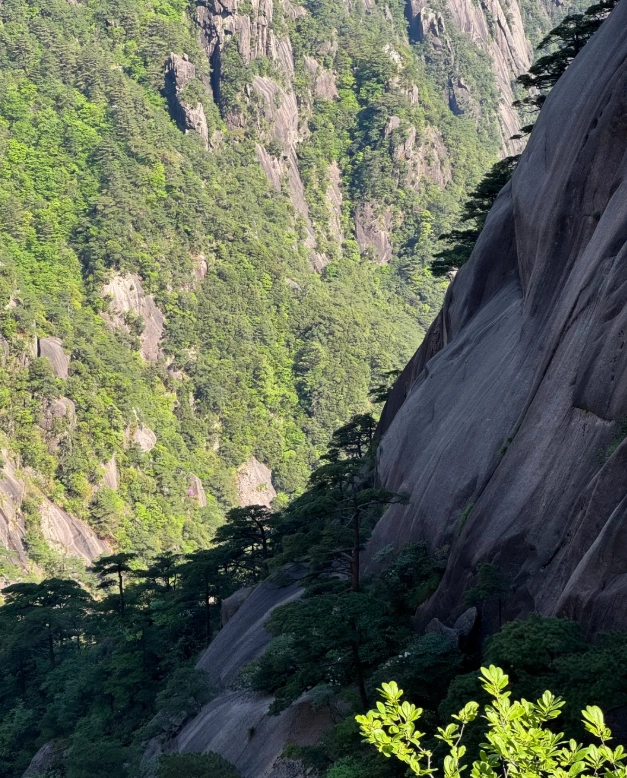
Is a 3-Day Trip Worth the Extra Night?
If your vacation allows it, yes — three days unlocks West Sea Canyon. This is the wildest, most photogenic part of Huangshan. A two-day trip barely scratches it. On day two, you walk the entire 5-hour loop, climbing down to the bottom and up the other side — it's a thigh-burner but unforgettable.
Here's a sample 3-day plan to steal:
- Day 1: Arrive in the afternoon, take cable car up, settle in, catch sunset at Cloud Dispelling Pavilion.
- Day 2: Full day — hike down into West Sea Canyon (the steep stairs), then loop back up. Afterwards, explore Bright Peak and Monkey Watch Sea.
- Day 3: Early sunrise at Refreshing Terrace, breakfast, then exit via Front Mountain with all the classic views.
This schedule balances epic scenery with a realistic pace. But it demands decent fitness. If you're not a hiker, the 2-day plan is still enough.
What About a Huangshan Day Trip? (Warning!)
Honestly, a day trip is a painful mistake. The mountain entrance queues, especially in peak season, can eat hours. The last cable car down is around 17:00, leaving you only five hours on top. You'll rush past giant boulders and risk missing your bus back to town.
I've seen travelers arrive at 10 AM, stand in line for 90 minutes, and only reach the summit by 12. By 5, they're exhausted and still haven't seen half the landmarks. Don't do this to yourself.
If your schedule forces a day trip, start at Dawn. Take the earliest bus (around 06:30), go up via the Back Mountain, and skip the West Sea Canyon. Head straight for the Welcoming Pine, then down the same way. It's doable but not enjoyable. I'd rather you drop one other city from your China itinerary and give this mountain a proper two days.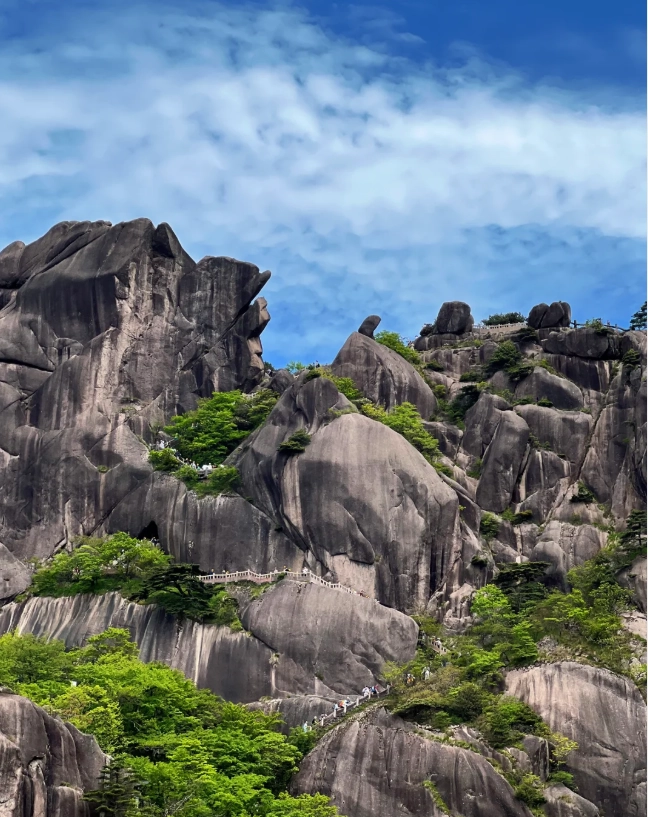
How to Book Huangshan Tickets and Hotel Like a Pro
Always book your cable car and entry ticket at least two days in advance. The official WeChat mini-program is in Chinese and can be a headache. Foreigners can use Trip.com or Klook — they handle the passport registration for you. Do not show up and expect to buy a ticket on the spot; they'll often say no.
When booking, you'll need your passport number and name — input it exactly as in your doc. Some platforms let you book on the same day, but during holidays (Golden Week, Chinese New Year) everything sells out. Plan ahead.
For hotels, use the same platforms or the hotel's website. Prices on the mountain are shockingly high because all materials are carried up by hand. Expect to pay CNY 600-1,200 per room in the high season, or around CNY 200-400 for a bunk bed in a hostel. Book early to secure a window room — trust me, waking up to sunrise from your bed is worth every yuan.
Getting to the ticket gates requires mobile payment in most cases. Alipay and WeChat Pay are the norms; cash is rarely accepted at cable car stations. Set these up before you arrive — a simple task that saves a mountain of stress.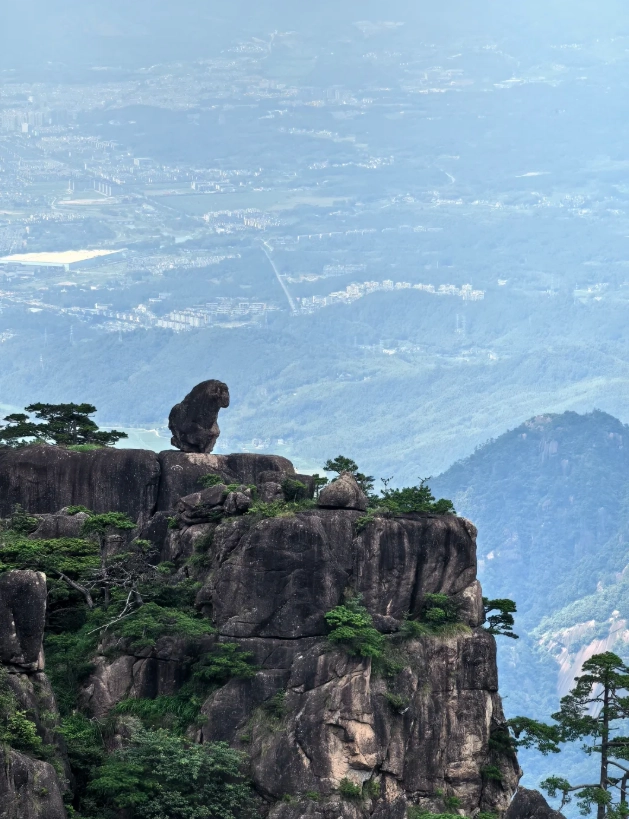
Getting to Huangshan Without Stress
The nearest high-speed rail station is Huangshan North (黄山北). From there, hop on the tourist shuttle bus to Tangkou (scenic area town) — it costs about CNY 30 and takes 50-60 minutes. The bus runs until 17:30. If you miss it, take a taxi (around CNY 200-250) but agree on the price beforehand.
Once in Tangkou, you must transfer to the official scenic bus that brings you to the cable car stations (Yungu or Ciguang). This is an extra ticket (about CNY 19). Note: these buses run regularly from early morning to late afternoon, but less often in low season.
If you're flying, Huangshan Tunxi Airport is 40 minutes from Tangkou by car. You can also take a taxi from the airport to Tangkou for about CNY 200. I always tell guests to just grab the hotel pick-up if they arranged one — it's cheaper than you think.
Pro Tip: Don't rely on Google Maps inside the scenic area. Instead, download the official 'AMap' app and switch to English mode. It gives you real-time walking paths and cable car wait times.
And get a VPN sorted before you depart. Without it, Google services won't work, and you might struggle to access your booking confirmations or send a quick email. It's a tiny step that prevents major headaches.
What's the Biggest Mistake Tourists Make on Huangshan?
Underestimating the weather and packing wrong. Tourists arrive in rain jackets and leather shoes, then slip on granite steps. The mountain's weather changes in minutes — sunny skies can turn into a rainstorm by lunch. Proper footwear with good grip is non-negotiable. Also, pack a reusable water bottle and basic snacks. The mountain's food prices are 2-3x, and drinking water is expensive.
Another mistake: hugging the railing. Locals know that the path's center is often less slippery and safer. Small detail, huge difference.
But the largest mistake? Trying to see everything. Huangshan is not a checklist. You'll leave more fulfilled if you linger at one viewpoint than if you sprint through five. I always tell my group: soak it in, don't just photograph it.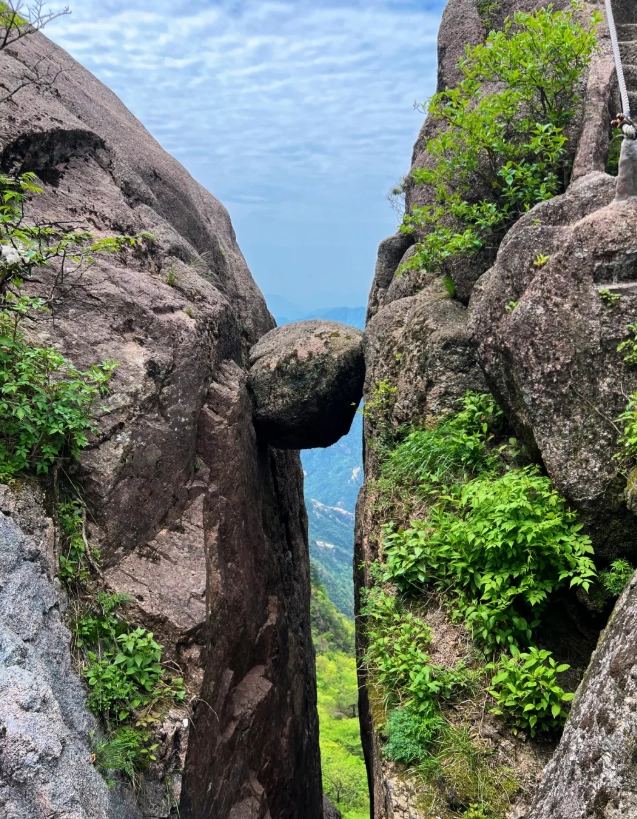
Packing for Huangshan: What to Bring
Think layers, not a single jacket. Temperatures drop dramatically at night, even in summer. The summit can be 10°C cooler than the base. Bring a fleece, a windproof shell, and a light down jacket for night time. Renting a jacket on the mountain is possible but old and often wet.
Essentials:
- Rain cover — an umbrella is useless in canyon winds.
- Slip-resistant shoes — trail runners with deep tread are ideal.
- Charging bank + cable — hotel outlets are few and far between in hostels.
- Snacks: chocolate, nuts, and energy bars — cheap and satisfying.
- Sun protection — sunburn happens fast at high altitude, even when cloudy.
- Passport — yes, you'll need it for ticket checks and staying at hotels.
For the West Sea Canyon's narrow stairs, a daypack with tight straps prevents swinging. Leave your big suitcase in a hotel storage room in Tangkou — most accessible hotels provide it for free.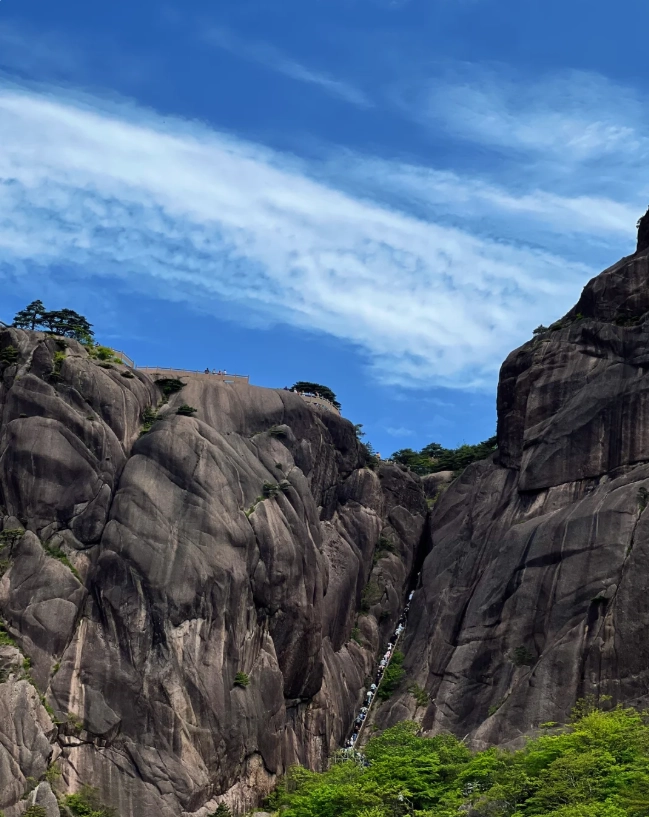
FAQ: Your Huangshan Questions, Answered
Verified and fact-checked by the editorial team. Prices and schedules are based on my first-hand visits and local knowledge. Always double-check on official channels before you go.







No comments yet.