 Gang Zheng
What You'll Find in This Guide
- Is Harbin Worth Visiting? My Honest Verdict
- What Makes Harbin Worth Visiting: Top Attractions
- How to Plan a Harbin Trip: Is It Worth the Effort?
- Where to Stay in Harbin: Which District Is Worth It?
- What to Eat in Harbin: Dishes Worth Trying
- Avoid These Mistakes That Make Harbin Not Worth It
- FAQs: Is Harbin Worth Visiting for You?
I've watched travelers step off the train in Harbin and gasp. Cold. Breathtaking. Totally foreign. Then they see the ice city glowing at night—and forget the frostbite.
So, is Harbin worth visiting? That question lands in my inbox every winter. It is—if you go for the right reasons and prepare like a pro. But there's a catch: payments, navigation, and extreme cold can kill the magic fast.
Here's the straight truth: Harbin's world-famous Ice & Snow World is worth every yuan, but only if you book tickets online and dress in three layers. Ignore that, and you'll be miserable. Let me show you how to nail it.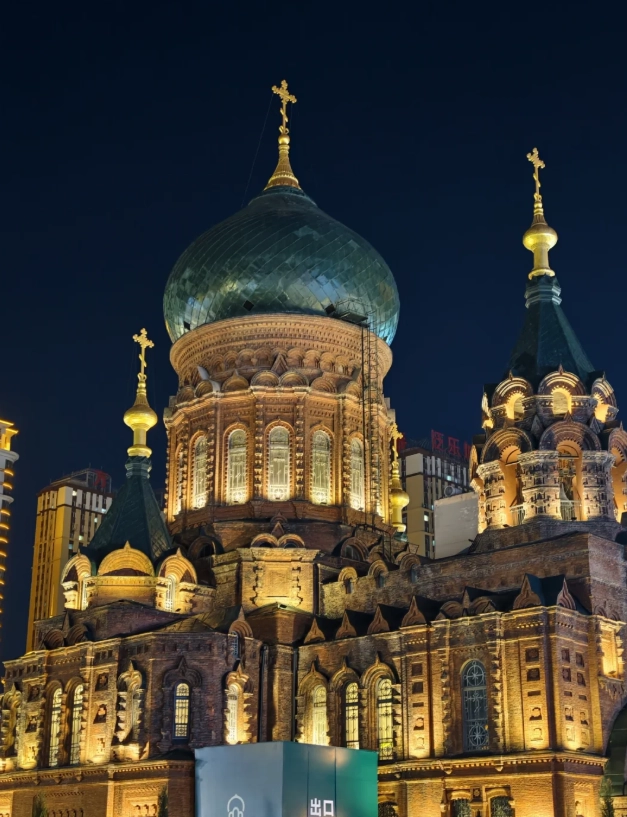
Is Harbin Worth Visiting? My Honest Verdict
For 90% of travelers, yes—Harbin is absolutely worth visiting, especially in winter. The city is a winter wonderland that you simply cannot experience anywhere else on the planet.
Why? You won't find anything like the Ice & Snow World. It's a massive park where entire castles and pagodas are carved from blocks of ice pulled from the frozen Songhua River. The Russian influence gives the city a unique, almost European feel. And it's still surprisingly affordable compared to Beijing or Shanghai.
But there's a catch. If you hate below-zero temperatures, or if you're expecting a typical historical Chinese city with ancient temples, you'll be disappointed. Harbin's real magic is tied to winter. Summer is pleasant but far less spectacular.
| Pros of Visiting Harbin | Cons That Might Change Your Mind |
|---|---|
| World-class Ice & Snow World | Bitter cold (can drop to -35°C with wind chill) |
| Unique Russian-Chinese culture | Few English speakers outside hotels |
| Great value: food, hotels, transport | Far from China's main tourist hubs |
| Fewer crowds than Beijing/Shanghai | Peak season crowds at ice festival |
I bring every first-time visitor here, and the moment the sun sets and the lights flicker on, they all say the same: 'Okay, this was worth the flight.' If you're still on the fence, keep reading. I'll arm you with the exact details you need to decide.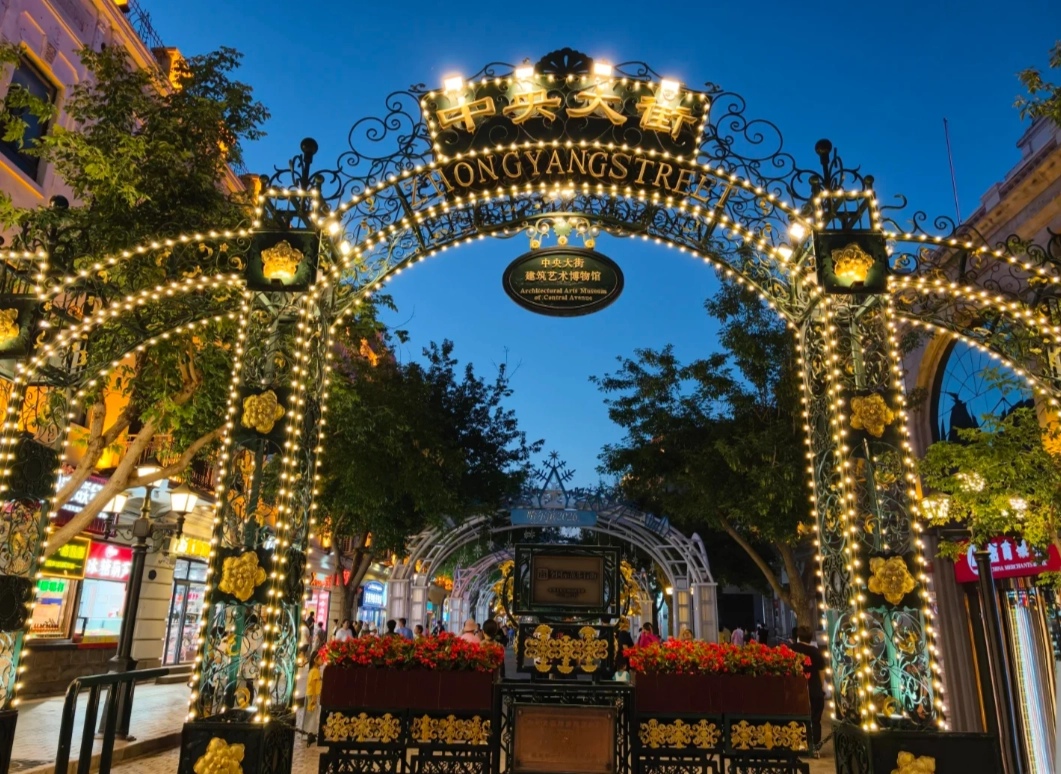
What Makes Harbin Worth Visiting: Top Attractions
Harbin's highlights cluster in two districts: Daoli (the old town) and Songbei (across the river). Here are the spots I always include on my tours, with needles to help you avoid crowds and wasted time.
| Attraction | Ticket Price | Opening Hours | Address | Best Time to Visit |
|---|---|---|---|---|
| Ice and Snow World | RMB 300+ (peak) | 11:00–21:30 | West side of Sun Island, Songbei District | After 6 PM for lights |
| Saint Sophia Cathedral | RMB 15 | 08:30–18:00 (closed Mon) | 88 Toulong Street, Daoli | Late morning |
| Central Street (Zhongyang) | Free | 24/7 | Daoli District | Early evening |
| Sun Island Scenic Area | RMB 30 | 07:30–17:00 | Songbei District | 9 AM to avoid tour groups |
| Siberian Tiger Park | RMB 50 | 08:30–16:30 | Songbei, near Sun Island | Morning feeding time |
| Harbin Grand Theatre | Varies (shows) | Check schedule | Songbei Cultural Center | For architecture & photos |
Ice and Snow World — This is the crown jewel. I tell everyone to go after sunset, around 6 PM, when the lanterns turn everything into a neon fairy tale. The park is enormous, so plan at least 4 hours. Pre-book tickets on Trip.com or Klook with your passport—do not try to buy on arrival. Take Metro Line 2 to World Trade City Station, then walk 15 minutes. Bring hand warmers; the temperature inside can feel like -25°C.
Saint Sophia Cathedral — A beautiful Russian Orthodox church that feels like a postcard from Europe. It's a 10-minute walk from Central Street. The interior is a small exhibition space, not a functioning church. Go early (before 9 AM) to snap photos without tour groups flooding the square.
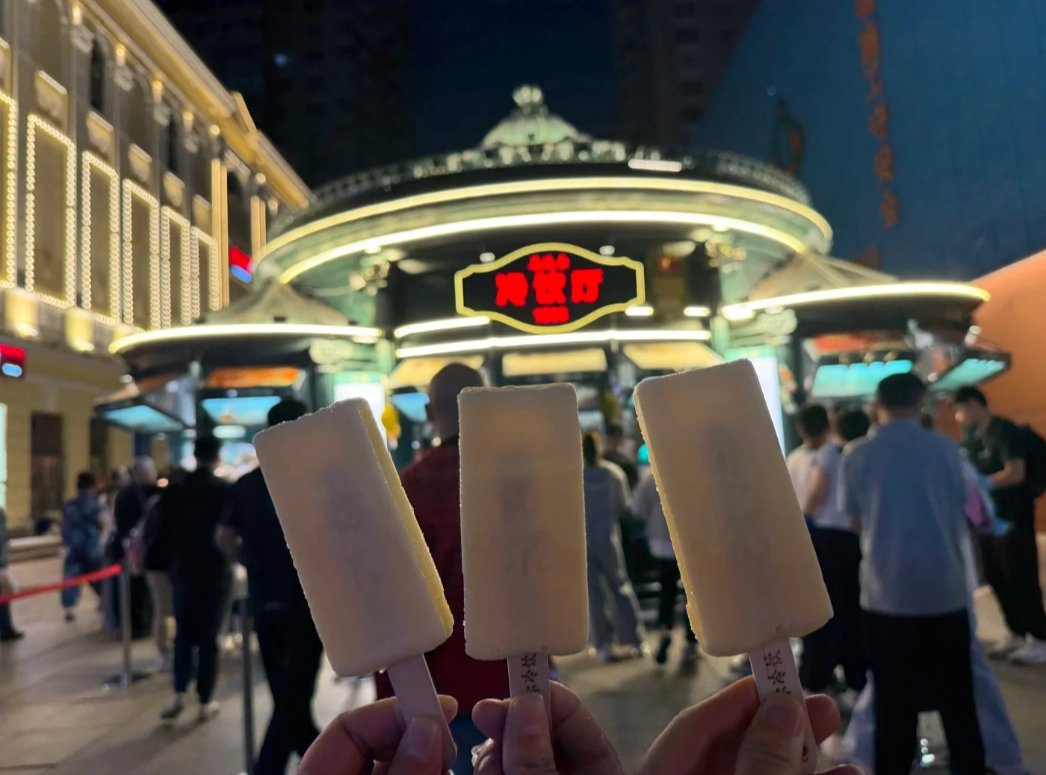
Central Street — This pedestrian boulevard is the city's soul, with no cars, only strolling locals and their furry hats. It's free to wander. Stop at the historic Madier restaurant to try their famous ice pop, even in -20°C weather. I always tell travelers: don't eat at the crowded restaurants on the main street—duck into the small side alleys for cheaper, more authentic dumplings.
Sun Island — In winter, it hosts an international snow sculpture art fair. Massive white sculptures light up along the riverbanks. In summer, it becomes a green park with a stunning lake. Get there via cable car over the Songhua River for a bird's-eye view.
Siberian Tiger Park — A rescue and breeding center for Siberian (Amur) tigers. You ride a bus through the enclosures while tigers lounge near the vehicles. It's a fantastic family-friendly stop. The entrance fee includes a bus ride; feeding the tigers costs extra (RMB 10 for a piece of meat).
Harbin Grand Theatre — Even if you're not catching an opera, the architecture alone is worth a photo stop. It looks like a fluid aluminum ribbon reflected in the ice. Free to photograph from the outside.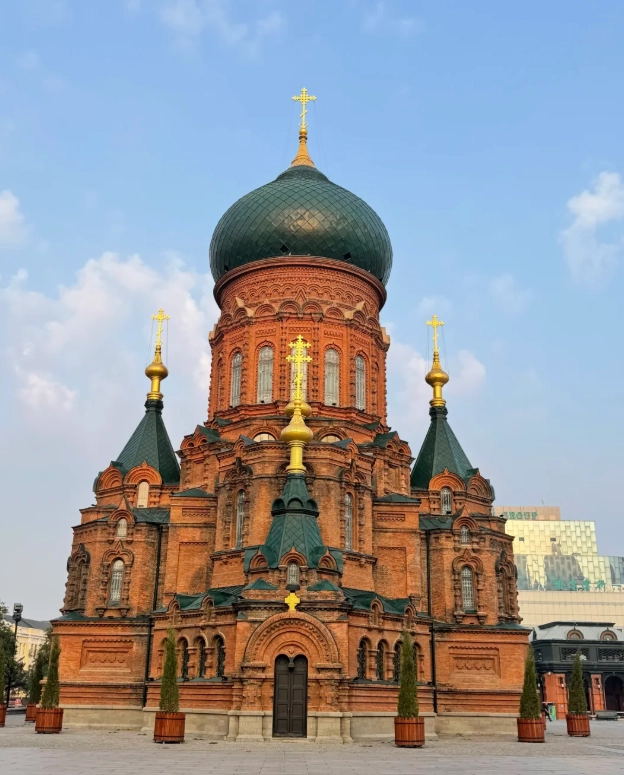
How to Plan a Harbin Trip: Is It Worth the Effort?
Visa and Entry Requirements
Most foreign nationals need a tourist (L) visa for China. Apply at your local Chinese embassy or consulate. The standard single-entry ticket costs around $140 depending on your country. If you're already in Asia, check if you qualify for China's 144-hour visa-free transit at cities like Beijing or Shanghai—it could save you the visa fee.
Best Time to Visit
Winter (December–February) is the real Harbin. The Ice Festival runs from late December to late February. January is the coldest but also the most spectacular. If you want fewer crowds but still cold, go in early February. Summer (May–August) offers pleasant temperatures and green parks, but most travelers come for the freeze.
Getting to Harbin
Harbin Taiping International Airport is about 40 km from the city center. Take the airport shuttle bus (RMB 20) or a taxi (around RMB 150). Book flights and trains via Trip.com or the official Chinese rail site 12306.cn. A high-speed train from Beijing takes about 5 hours; the hard-sleeper overnight is a budget-friendly alternative.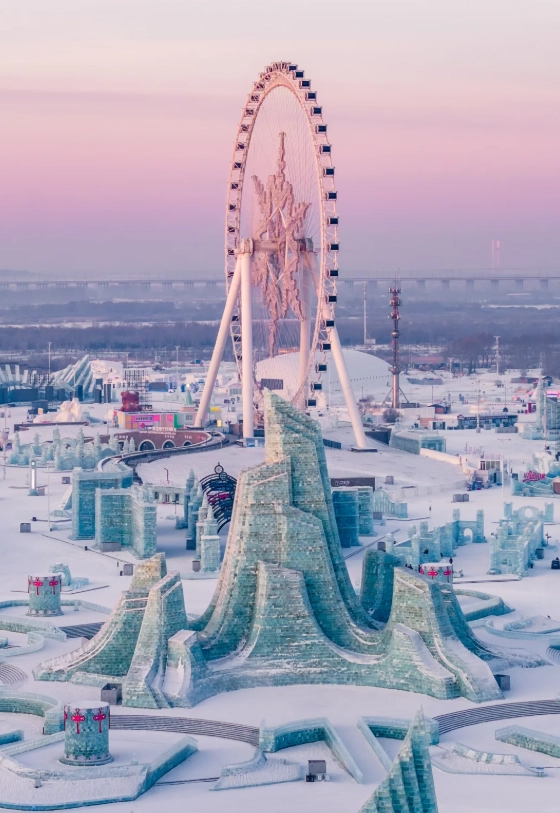
Getting Around
Google Maps is completely unreliable in Harbin—it won't give accurate walking directions. Download AMap (Gaode Maps) before you go; it has an English interface. Apple Maps also works decently. For taxis, use Didi (China's Uber), which now supports international credit cards. Always show the driver an address in Chinese, which I've provided in each section below.
Payments & Connectivity
This is where Harbin can trip up foreign visitors. Cash is accepted at many small shops, but your change may be in coins that are hard to spot. Most restaurants and attractions require a QR code payment. Download Alipay or WeChat Pay and link an international Visa or Mastercard. Do this at home—setting up with a foreign number can be tricky. Also, remember that many Western apps (including Facebook, Instagram, and Google) are blocked by the Great Firewall. You'll need a reliable VPN installed on your phone and laptop before arrival. Install offline maps and a translation app like Apple Translate.
Sample 48-Hour Itinerary
Day 1: 9:00 – Saint Sophia Cathedral (1h) → 10:00 – Walk Central Street (2h) → 12:30 – Lunch at Lao Chu's (老厨家) for Guobaorou → 14:00 – Cross the river to Sun Island (3h) → 18:00 – Ice & Snow World (4h). Dinner inside the park is expensive; grab a hearty meal before.
Day 2: 9:00 – Siberian Tiger Park (2h) → 11:00 – Harbin Grand Theatre (photo stop, 30 min) → 12:30 – Lunch at a local dumpling spot (the city is famous for dumplings) → 14:00 – Walk along the frozen Songhua River, try ice slides and skating (free) → 16:00 – Head to the airport or train station.
Between stops, taxis are usually 15–20 minutes within the same district, but always plan 30–40 minutes when crossing the bridge to Songbei. During rush hour, the metro is faster.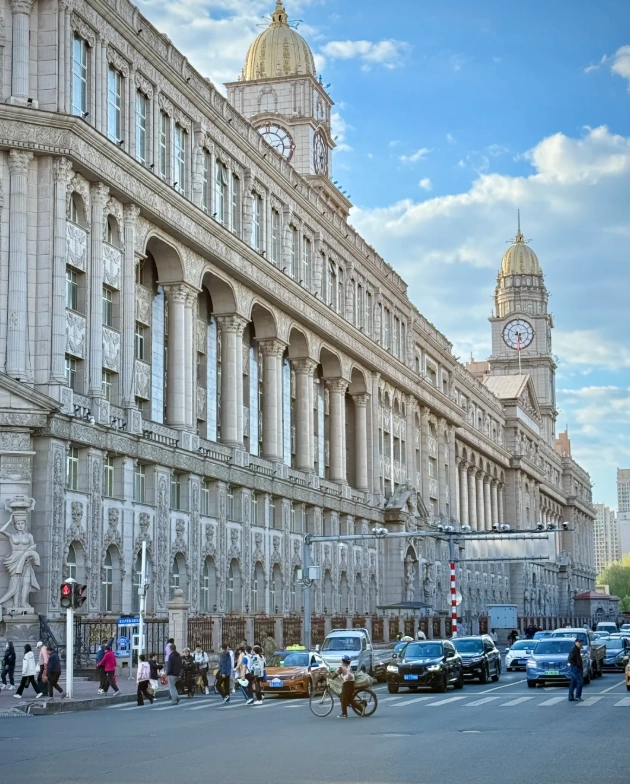
Where to Stay in Harbin: Which District Is Worth It?
For convenience, Daoli District (central street area) is your best base. You can walk to most restaurants and attractions. Songbei District is closer to the Ice & Snow World, but it's far from the old town. Nangang District offers budget hotels near the railway station.
| Hotel | District | Price Range (per night) | Nearest Transport | Best For |
|---|---|---|---|---|
| Sofitel Harbin | Songbei | RMB 800–1800 | Line 2 (World Trade City) | Families, luxury |
| Shangri-La Hotel Harbin | Daoli | RMB 700–1500 | Line 2 (Central Street) | Couples, convenience |
| Holiday Inn City Centre | Nangang | RMB 400–800 | Line 1 | Budget, business travelers |
I always remind my clients: check if the hotel has an elevator—a surprising number of older guesthouses in Daoli are walk-up only. Also, ask if the front desk staff speak English; only a handful of hotels do. The Shangri-La and Sofitel are safe bets for English support.
What to Eat in Harbin: Dishes Worth Trying
Harbin's food is a blend of Chinese and Russian cooking, with hearty portions that warm you up. Here are the must-eats and where to find them.
- Guobao Rou (锅包肉) – A sweet-and-sour pork that started here. Head to Lao Chu's (老厨家) at 51 Zhaolin Street, Daoli. The original crispy pork has a sugar-vinegar glaze that caramelizes beautifully. Expect to pay RMB 80–100 per person. Order 'Pao Cai' (pickled cabbage) too. The restaurant fills up by 12:30, so arrive early or wait ~20 minutes. They accept mobile payments only; no foreign cards. Ask for an English menu—they have one.
- Harbin Red Sausage (哈尔滨红肠) – This smoked sausage has Russian roots. The most famous brand is Qulin (秋林里道斯). You'll find it everywhere, even from street vendors. For the authentic experience, visit the flagship store at 115 Zhongyang Street. A pound costs around RMB 30. Take some as a souvenir.
- Madier Ice Pops (马迭尔冰棍) – A Harbin icon, even in winter. Sold at the no-frills counter inside the Madier restaurant on Central Street. The original flavor is vanilla, with a rich, creamy texture that tastes incredible in subzero weather. RMB 5 per stick.
- Russian Western Food – To honor the city's history, try a Russian meal. Portman's Western Restaurant (波特曼西餐厅) on Zhongyang Street is a favorite among locals. The red borscht and Russian-style grilled beef are my go-to. Mains range from RMB 60–150. English menu available.
- Jiaozi (Dumplings) – Harbin is the capital of jiaozi. Try Dongfang Jiaozi Wang (东方饺子王), a local chain. The pork and chive dumplings are delicious. A plate of 20 costs about RMB 25. They accept Alipay/WeChat and cash, but not foreign cards.
Note: nearly all these restaurants operate on QR-code payment. You may encounter some that accept cash, but the line may move slowly. Always have small notes.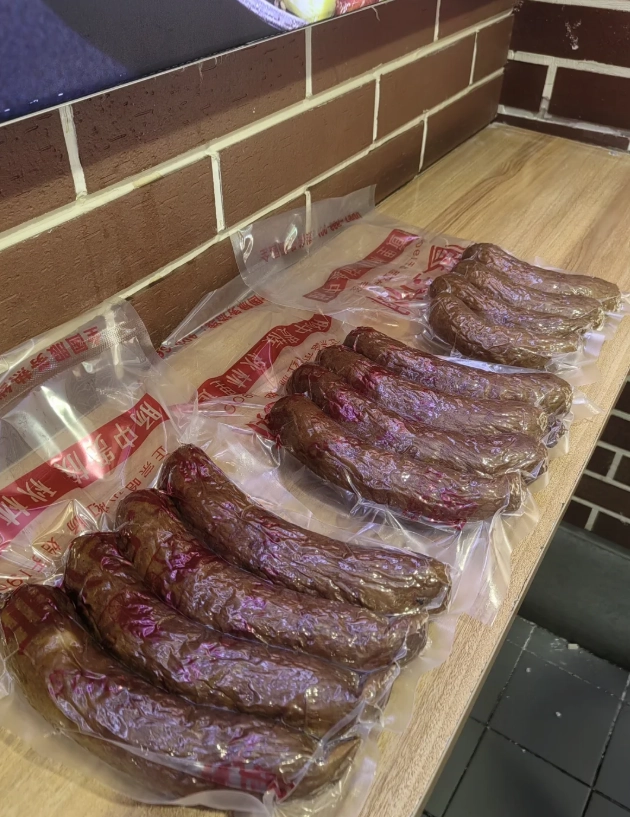
Avoid These Mistakes That Make Harbin Not Worth It
In my years of guiding, I've seen travelers make a few avoidable mistakes that drain the fun and budget. Here's how to steer clear.
Insider Tip: Don't buy Ice & Snow World tickets from street scalpers. They sell overpriced 'fast passes' that don't exist. Use official online platforms only.
- Not pre-booking attractions. The Ice & Snow World can sell out on weekends. Book at least 3 days in advance on Trip.com or Klook. Most other sites (like Sun Island) accept on-site purchase, but online is faster.
- Under-dressing. Harbin's winter is not for light jackets. You need a heavy down jacket, thermal base layer, fleece mid-layer, and a warm hat, gloves, and scarf. Also, invest in thermal insoles—your feet will thank you after two hours outside.
- Relying on Google Maps. It's inaccurate. Download AMap and use it. Or simply show your driver the Chinese address—I've provided them throughout this guide.
- Hoping to say 'no' to street vendors. The ice pops and sausages might look tempting, but some vendors near tourist sites triple the price. I always tell my clients: walk 100 m away to a local convenience store (7-Eleven or Watsons) and pay half.
- Forgetting that cash is king for taxis. Many taxis are operated by retired locals who don't use Didi. Always carry small bills (RMB 10, 20) to pay exact fare.
- Overpacking for summer. If you visit July–August, it's actually rainy and humid. Pack an umbrella and light layers; the afternoons can drop to 20°C.
FAQs: Is Harbin Worth Visiting for You?
This content has been fact-checked to ensure informational precision.





No comments yet.