 Peng Gao
- Understanding Xi'an: Quick Local Context
- Top Attractions in Xi'an: Must-See Sights
- How to Get Around Xi'an Without Getting Lost
- What to Eat in Xi'an: Local Favorites
- Where to Stay in Xi'an: Best Areas
- Two-Day Itinerary for a First Visit
- Terracotta Army: Insider Avoidance Plan
- FAQ About Visiting Xi'an
I still remember the first time I saw the Terracotta Warriors -- my jaw literally dropped. That moment never gets old, even after leading tourists around Xi'an for a decade. But here's the truth: this city is so much more than those clay soldiers. If you follow the cookie-cutter 3-day plans you find online, you'll end up exhausted, overpaying, and missing the real soul of ancient Chang'an.
So, what things should you really do in Xi'an to make your trip feel authentic and smooth? You need a plan that fits your pace, skips the tourist traps, and handles China's unique quirks -- like booking with your passport and paying without Alipay backup. I've tested every route, every ticket line, and every steaming bowl of noodles so you don't have to. Here's my biggest piece of advice: start your day at 7 AM, book your Terracotta tickets through Trip.com, and skip the infamous 'dumpling banquet' -- trust me on this. Now, let's start with the essentials.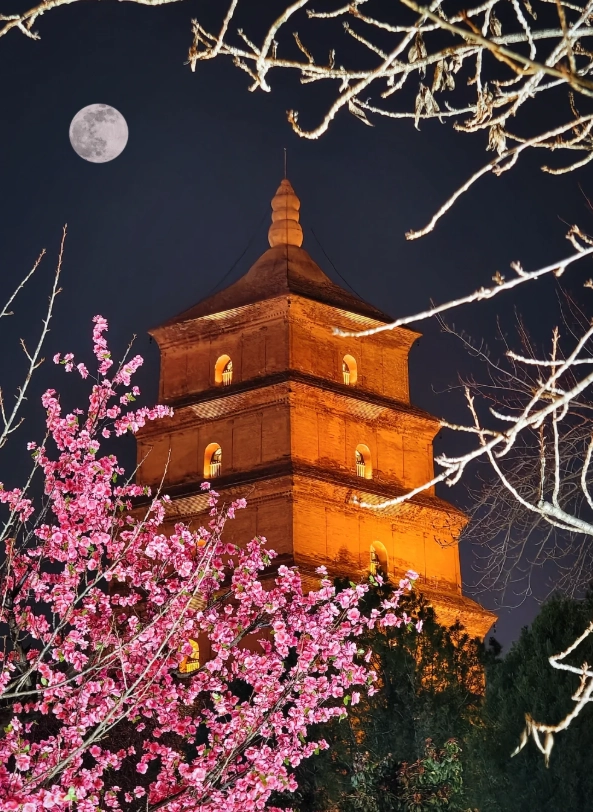
Understanding Xi'an: Quick Local Context
Xi'an, the capital of Shaanxi Province, is China's ancient imperial capital with over 3,000 years of history. It's the eastern terminus of the Silk Road, and the city still wears its past proudly. But before I tell you what to do here, let's reset your expectations.
What makes Xi'an different from Beijing or Shanghai
Xi'an is a city you feel more than you see. It's not about glitzy skyscrapers; it's about walking on ancient city walls, smelling cumin in street air, and hearing the call to prayer from centuries-old mosques. It's a place where time moves slower, and traffic still jams around old gates.
One thing I always tell my clients: you need a VPN and a translation app before you land. Google Maps won't help you here, and the Chinese internet has its own rules. I recommend downloading Apple Maps and saving offline maps, or using the AMap Global (高德地图) app with English support. And carry your passport everywhere -- many attractions require it for booking and entry.
Top Attractions in Xi'an: Must-See Sights
You can't see everything in a few days, so I've handpicked the places that truly matter. I've also included the exact booking steps and my honest opinions on where to skip.
1. The Terracotta Army -- Go Early or Don't Go
The Terracotta Army is Xi'an's biggest draw, but a poorly planned visit can ruin your day. The site is about 40 kilometers east of the city center. The best strategy is to come at 8:00 AM, right when the gates open, to beat the tour groups. By noon, the excavation pits become a sea of selfie sticks.
Admission: around 120 CNY for adults, free for children under 1.4 meters. You must book in advance -- your passport number is required for the ticket. You can buy it through the official WeChat account (Chinese only) or through an English-friendly platform like Trip.com. I always tell clients to use Trip.com, because the WeChat mini-program often confuses foreign travelers.
Getting there: take Metro Line 9 to Huachi West Road Station? Actually, the nearest metro stop is Qinling West Road (added in 2020) but you still need a 15-minute taxi ride from there. The old tourist bus 306 (游5) departed from Xi'an Railway Station, but services have become irregular. Your safest bet is to book a day tour with hotel pickup -- it's often simpler and includes a guide.
Skip the earpiece-guided tour inside. Instead, hire a certified guide at the entrance for around 150 CNY. They'll show you the details the brochure ignores -- like the tiny inscription on the soldier's feet and the restoration workshop.
2. The Ancient City Wall -- Rent a Bike for Sunset
The City Wall is the best preserved ancient fortification in China. Renting a bike (45 CNY for 90 minutes) is the classic move, but I recommend starting around 4:30 PM so you can watch the sunset over the skyline.
Entrance is 54 CNY (free for kids under 1.3 meters). The wall is open from 8:00 AM to 22:00 PM, but the last entry is usually 21:30. You can ascend at any one of the city gates -- the South Gate (永宁门) is the most dramatic, with its giant lantern decorations. But if you want fewer crowds, use the East Gate (长乐门).
Also, don't miss the stairs that lead to the tiny museum inside the wall's moat -- most people walk right past it.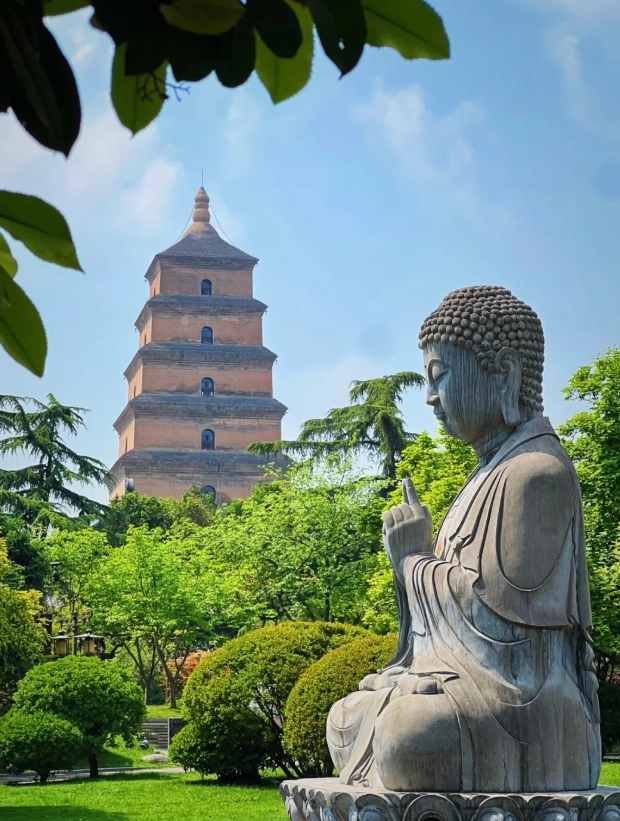
3. The Muslim Quarter -- Go Off the Main Street
The Muslim Quarter is not just one street; it's a maze of alleyways full of life. The main tourist street (Beiyuanmen) is packed and overpriced. I always guide my groups to the adjacent Dapiyuan and Xiyangshi Road, where you'll find the same food at half the price and a third of the crowd.
This area is also home to the Great Mosque, one of China's oldest mosques. It's a serene courtyard complex with Arabic calligraphy meeting Chinese pavilions -- a truly rare sight. Admission is 25 CNY, and it's worth seeing, but avoid Friday prayers if you're not Muslim.
What to skip: the fried scorpion stalls and the so-called cricket fighting games -- they're tourist traps.
4. Shaanxi History Museum -- Reserve It Early
The Shaanxi History Museum is a world-class collection on ancient Chinese civilization. It's free, but here's the catch: you must book a ticket online with your passport details. Only a few thousand free tickets are released each day, and they vanish within minutes. I suggest setting an alarm 7 days before your date -- that's when tickets are released at 5:00 PM on the official platform. If you can't get a free ticket, you can buy a paid exhibition ticket (around 30 CNY) which also grants access to the main halls -- it's much easier.
The museum is closed on Mondays (except public holidays). Plan at least 3 hours.
5. Big Wild Goose Pagoda (Dayanta) -- Time It with the Musical Fountain
The pagoda is an icon of Xi'an, and its surrounding plaza becomes a spectacle at night. The entry to the temple costs 50 CNY, which includes the pagoda ground. Climbing the pagoda costs an extra 25 CNY, but honestly, the view from the top is just okay. Skip it and instead, wait for the fountain show at the north square -- every day at noon and 8:30 PM (subject to weather).
The area also has a huge park and the vibrant Tang Dynasty Mall if you want to experience modern Chinese culture.
6. Huaqing Palace & the Hot Springs -- Best with a Guide
Located right near a subway stop, Huaqing Palace is often paired with the Terracotta Army. It's a Tang Dynasty royal resort with beautiful gardens and hot springs. Admission is 120 CNY, but if you book a combo ticket with the Terracotta Army, you'll save a little. The two sites are 10 minutes apart by taxi. I'd only go if you're interested in Tang history -- otherwise, it might feel like a nice park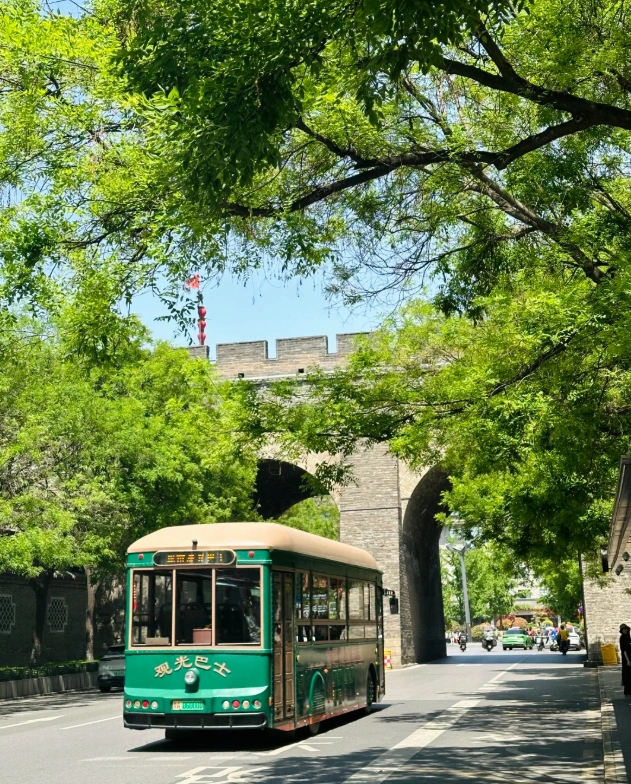 .
.
If you're short on time, skip it and spend extra hours on the city wall.
I've listed the big ones, but Xi'an has over 1,000 historical sites. Check out my quick comparison table for a snapshot:
| Attraction | Ticket Price (CNY) | Booking Needed? | Visiting Time |
|---|---|---|---|
| Terracotta Army | 120 | Yes, passport | 3-4 hrs |
| City Wall | 54 | No, but skip lines | 2-3 hrs |
| Muslim Quarter | Free (food extra) | No | 2-3 hrs |
| Shaanxi History Museum | Free (paid exhibition 30) | Yes, strict | 3-4 hrs |
| Big Wild Goose Pagoda | 50 (pagoda +25) | No | 2 hrs |
| Huaqing Palace | 120 | No | 2 hrs |
My personal ranking for first-timers: Terracotta Army > City Wall > Shaanxi History Museum > Muslim Quarter > Big Wild Goose Pagoda > Huaqing Palace. Now, let me save you hours of frustration -- here's how to move efficiently.
How to Get Around Xi'an Without Getting Lost
Don't rely on Google Maps in Xi'an -- it's useless here. I've seen countless tourists wander in circles. Use Apple Maps (which works with English place names) or download the AMap Global app. Both provide accurate public transit directions.
Metro: Your best friend for the city core
Xi'an's metro system is clean, fast, and cheap (3-5 CNY per ride). The lines that matter most are Line 2 (north-south through the City Wall) and Line 3 (east-west, passing near Big Wild Goose Pagoda). You can buy tickets from machines that accept cash or international cards? Actually, the ticket machines often only accept Chinese bankcards or QR codes, so I recommend getting a transport card through Alipay (top up in the app) or just carrying enough small cash if you can find a cashier window.
At the airport, there's a dedicated airport metro line (Line 14) that connects to the city -- it runs from 6:00 AM to 11:00 PM, but it takes about 80 minutes. A taxi costs around 120 CNY and takes 45 minutes. For groups, a taxi might be better.
Ride-hailing: Use DiDi (not Uber)
Uber is no longer supported in China; install DiDi. It has an English mode, and you can pay with your international credit card or via Alipay. I always tell travelers to set the pickup pins carefully -- drivers often wait in front of a specific exit. In Xi'an, it's common to add 'west gate' or 'north gate' to your pickup location because you might be in a pedestrian zone.
Taxi flag drops at 8 CNY, but most drivers don't speak English. Have your destination written in Chinese -- or just show them the English name and hope? Better to use DiDi where the address is presets.
Buses: Cheap but complicated
Public buses are cheap (2 CNY) but complicated for tourists. Route signs are almost entirely in Chinese. I'd only recommend buses if you're comfortable using a translation app with camera mode. Otherwise, stick to metro.
What to Eat in Xi'an: Local Favorites
Xi'an is a food paradise, known as the 'kitchen of China'. You literally can't leave without trying the hand-pulled noodles. Let me break down my go-to list.
Biangbiang Noodles (裤带面)
Biangbiang noodles are thick, belt-like noodles often served with spicy cumin lamb or tomato-egg sauce. They're so broad that a bowl can be a whole meal. My favorite spot is Zhuque Biangbiang Noodle (朱雀面馆) on Zhuque Street -- it's a local chain. You'll see locals slurping. A bowl costs 18-25 CNY.
But if you want the most authentic experience, go to the Muslim Quarter and join the queue at 'Jiasan Guan Tangbao' for their soup dumplings -- also excellent.
Rou Jia Mo (Chinese Hamburger)
Rou jia mo is crispy flatbread stuffed with tender pork. The best version is the 'Baiji' (白记肉夹馍) in the Muslim Quarter. It's around 10 CNY, and it's a perfect portable lunch. Pro tip: look for a place that toasts the bread on demand -- that's the good stuff.
Yangrou Paomo (Mutton Soup)
Paomo is a bowl of thin lamb broth where you break a dense flatbread into chunks. It's a leisurely meal -- you tear the bread yourself and the kitchen adds soup and noodles. Sample the classic at 'Lao Sun Jia' on Dongguan Street, a famous old establishment. A bowl is 35-50 CNY. It's heavy, so save it for lunch.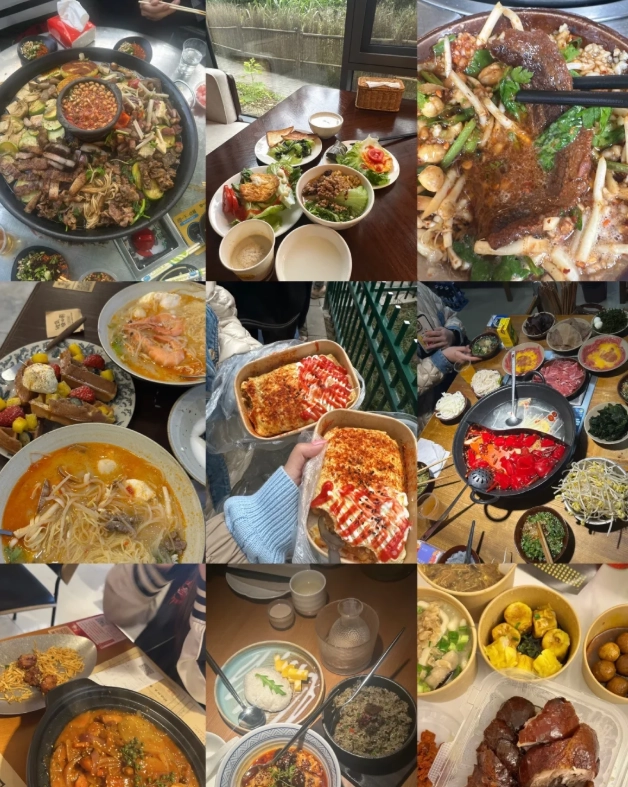
Where to avoid
I always warn tourists about the 'Dumpling Banquet' -- overpriced, showy, and the dumplings are mostly meat-flavored dough. Also, skip the 'Silk Road feast' performances; you're paying for the show, not the food.
For a self-organized food walk, start at the South Gate of the Muslim Quarter and wander into the alleys. My personal list is this:
- Biangbiang noodles at Zhuque Street
- Rou jia mo at Baiji
- Yangrou paomo at Lao Sun Jia
- Cold noodles and soups in the bazaar
- Sweet dates and pomegranates from the street stalls
Where to Stay in Xi'an: Best Areas
Your choice of hotel can save you hours of commute. These are the three areas I recommend based on your style.
Inside the City Wall -- For history lovers and night owls
Staying within the old city wall puts you close to the Bell Tower, the Muslim Quarter, and the most atmospheric streets. You'll be walking distance to ancient landmarks, but note that older hotels may be quieter? Actually, it can be busy. I like the budget-to-midrange options around Bell Tower. Expect to pay 300-600 CNY for a standard room. One warning: some buildings near the wall have no elevators? Be sure to ask for a low floor if you have heavy luggage.
Dayanta (Big Wild Goose Pagoda) -- For modern comfort and nightlife
This area is newer, with malls, bars, and the famous fountain show. Hotels here are more modern and often among the highest-rated. You'll find international chains as well as local boutique hotels. Prices run 400-800 CNY, and it's superb if you want to end your evenings with a Tangle Mall stroll.
Near the Railway Station / North Station -- For early departures
If you're catching an early train, choose a hotel near Xi'an North Railway Station. But be aware that this area is far from historic sights -- you'll need a 30-minute metro ride to the core. Rates are lower (200-400 CNY), but you'll spend more on transit.
For families, I'd pick a serviced apartment near Dayanta. For backpackers, the youth hostels inside the wall (like the sound of 'Xian International Youth Hostel') offer dorms for around 100 CNY a night.
Two-Day Itinerary for a First Visit
Here's a realistic plan that paces you well without burning out. I've included timing -- trust me, these are the optimal windows to avoid crowds.
Day 1: Terracotta Army + City Wall + Muslim Quarter
Start your morning with the Terracotta Army, leaving the hotel no later than 7:15 AM. Take a taxi or a pre-booked tour to reach the gates at 8:00. Spend about 3 hours exploring Pits 1, 2, and 3. Then head back to the city for a late lunch. Afternoon: rent a bike on the City Wall around 2:00 PM. Sunset over the wall is stunning, so time it around 5:00. Evening: end with a food walk through the Muslim Quarter.
Day 2: Shaanxi History Museum + Big Wild Goose Pagoda + Tang Paradise
Enter the Shaanxi History Museum at 9:00 AM when it opens. Follow the historical timeline and finish by noon. After lunch, walk through the Big Wild Goose Pagoda complex and stay for the musical fountain at dusk. End your night with the shining lights of Tang Paradise, just 15 minutes away by metro.
Alternative for a 3rd day
If you have an extra day, add a trip to Mount Hua (Huashan) for a cablecar ride and a cliffside hike. It's a 4-hour day trip from Xi'an. Or visit the Han Yang Ling Mausoleum if you want a quieter version of the Terracotta Army.
Terracotta Army: Insider Avoidance Plan
You've probably read about it, but here are the things no one tells you.
The queue outside the ticket gate can spiral for hundreds of meters. Always pre-book your ticket with a time slot. When you arrive earlier than your slot, they still let you in, but during high season (May-October) be strict.
Pit 3 is mostly unfinished -- it's small. Pit 1 is the star. Pit 2 has the most soldiers with varied forms. Save your energy for Pit 1 and the bronze chariot exhibit (which is in a nearby building).
Don't pay extra for the 'VIP experience' at the site. It just gives you a golf cart ride. The actual skip-the-line is included with your ticket if you book a guided tour through Trip.com or similar.
Finally, if you get tired of the heat, remember that the museum's air-conditioning is on the upper level. I've seen travelers faint in July -- take breaks.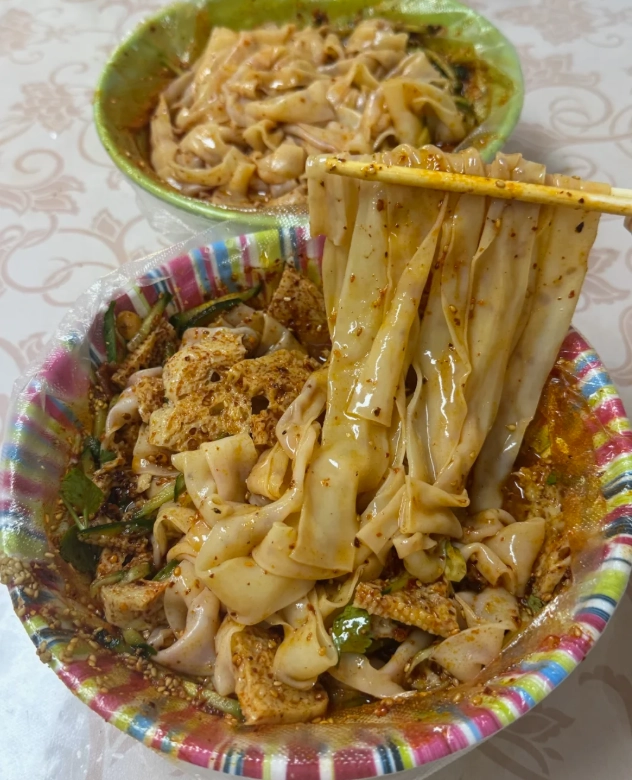
FAQ About Visiting Xi'an
Xi'an deserves more than a typical 'bucket list' treatment. It rewards you with quiet moments -- like finding a hidden courtyard or the taste of a freshly baked rou jia mo. I hope this guide helps you plan your own adventure. If you have a specific question, drop it in the comments -- though they may not be active on this page. For now, safe travels!
This content has been fact-checked to ensure informational precision.







No comments yet.