 Jing Song
What's Inside This Guide?
- The Big Five: Must-See Harbin Attractions
- How to See Harbin's Icons Without Getting Ripped Off
- Beyond the Postcards: Neighborhoods Most Tourists Miss
- How to Plan a Perfect Harbin Itinerary?
- What to Eat After You've Touched the Ice?
- Practical Answers: Payments, Apps, and Getting Around
- FAQ: Your Top Harbin Questions Answered
Winter in Harbin hits you like a brick wall. Your eyelashes freeze together within minutes, and the air smells like cold metal. But that shock is exactly why thousands of travelers bundle up and fly here every year. I have spent ten winters guiding visitors through this ice-covered city, and I have learned exactly what works and what leaves people shivering with regret.
Let me cut the fluff: if you only have time for a few things, hit these must-see Harbin attractions—Saint Sophia Cathedral, Central Street, Ice and Snow World, Sun Island, and Old Daowai. Skip the tourist-trap horse sleds and the overpriced 'ice bars'. Here is how to see them right, without frozen toes or empty wallets.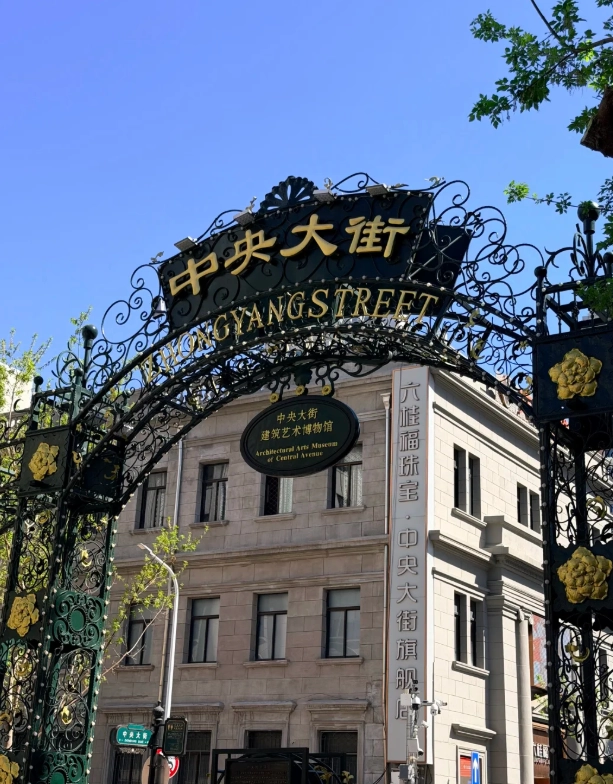
The Big Five: Must-See Harbin Attractions
These are the places every first-timer should visit. I ranked them not just by fame, but by the 'wow' factor I see on my guests' faces.
| Site | Why It's Unmissable | Best Time | Approx. Fee | Booking Required? |
|---|---|---|---|---|
| Saint Sophia Cathedral | Iconic Russian-style onion dome, best for photos | Morning (before 9 AM) | 20 RMB to enter | No, but bring passport |
| Central Street | Pedestrian street with European architecture and street food | Late afternoon to evening | Free | No |
| Ice and Snow World | The world-famous ice sculpture theme park | After dark (5-9 PM) | 330 RMB | Yes, book online |
| Sun Island | Massive snow sculpture exhibition (winter only) | Morning (opens at 8) | 240 RMB (seasonal) | Yes, online |
| Old Daowai | Authentic old Harbin with mixed Chinese-Baroque architecture | Midday to afternoon | Free | No |
Saint Sophia Cathedral
I always tell my clients to come early—by 8:30 AM—before the tour groups take over. The pale brick looks like pink snow in the morning light. You can photograph the exterior for free; entering the small museum inside costs about 20 RMB, and it's worth it for the historic photos of Harbin's Russian past. The address is 88 Tousheng Street, Daoli District. It's a 10-minute walk from Central Street. For navigation, punch 'Saint Sophia Cathedral' into Amap or Apple Maps. Pro tip: the square fills with pensioners dancing in the afternoon—fun to watch, but it blocks the best shot.
Central Street
This 1.4-kilometer pedestrian mall is Harbin's living room. Start at the flood-control monument on the Songhua River and walk south. You'll pass Russian bakeries, snowboarding shops, and the famous Modern Hotel (1936). In winter, the street is lined with ice sculptures that glow at dusk. Go hungry—try the Harbin red sausage on a stick and a warm bottle of Russian-style kvas. Most shops take Alipay, WeChat, and sometimes cash. No booking needed. But beware: the horse-drawn carriage rides are overpriced and the drivers will try to haggle. I always say, 'Just walk; you'll see more.'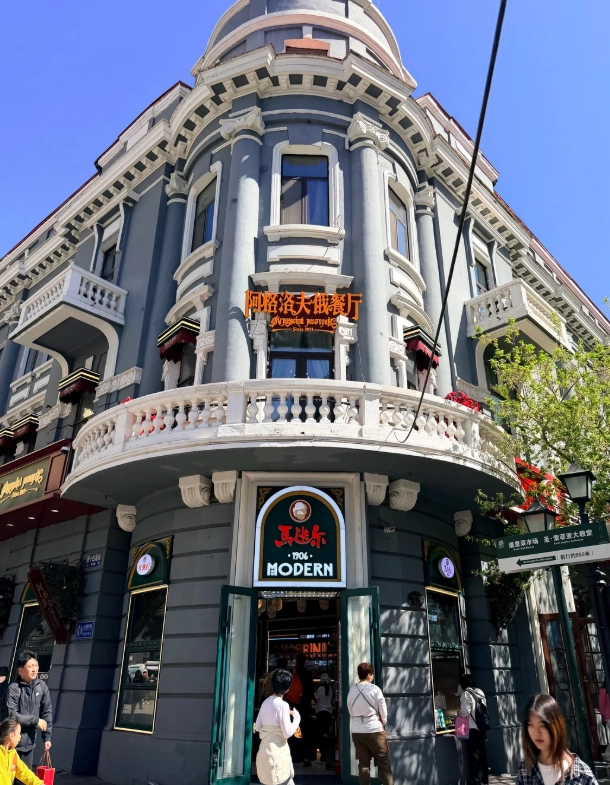
Ice and Snow World
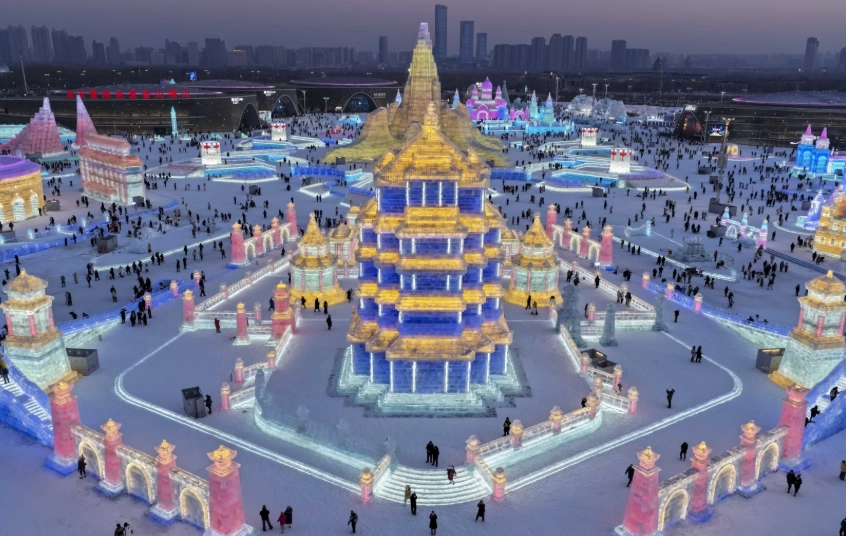
This is the big one—a full theme park built from ice and snow. Open from late December to late February, it's a once-in-a-lifetime experience. The ticket price is around 330 RMB, but you can book it on Trip.com or Klook with your passport info. Get there around 4 PM so you can watch the lights come on at 5. I recommend taking the subway to the festival site, or hiring a private driver for about 100 RMB one-way from downtown. Inside, slides are free, but the 'castle' areas often have long lines. Insider advice: rent a pair of crampons at the gate for 10 RMB—the ice is slippery and you'll see tourists fall all day.
Sun Island
If Ice and Snow World is about ice, Sun Island is about snow. Every winter, artists transform this riverside park into a snow sculpture gallery. The entrance fee is about 240 RMB, and it's open from 8 AM to 5 PM. Go early to avoid tour buses. The highlight is the Snow Sculpture Expo, with pieces the size of houses. Bring a thermos of hot tea—the wind off the river bites hard. You can take the cable car from the central waterfront across the Songhua River for a scenic ride, or a 20-minute bus ride. Note: you must book online; on-site kiosks often reject foreign cards.
Old Daowai
This is where I take guests who want to see the 'real' Harbin. Long before the ice festival, this neighborhood was a trading hub with a unique mix of Chinese courtyards and Art Nouveau buildings. Walk along Jingyu Street and the narrow alleys to see peeling facades and tiny shops. It's free and open 24 hours, but I recommend visiting between 10 AM and 2 PM when the sunlight hits the colorful windows. There are few English signs, so use Amap with pins. And keep an eye on your pockets—this area is safe but the weekend crowds can be pickpocket-prone. Bring small bills for the snack stalls.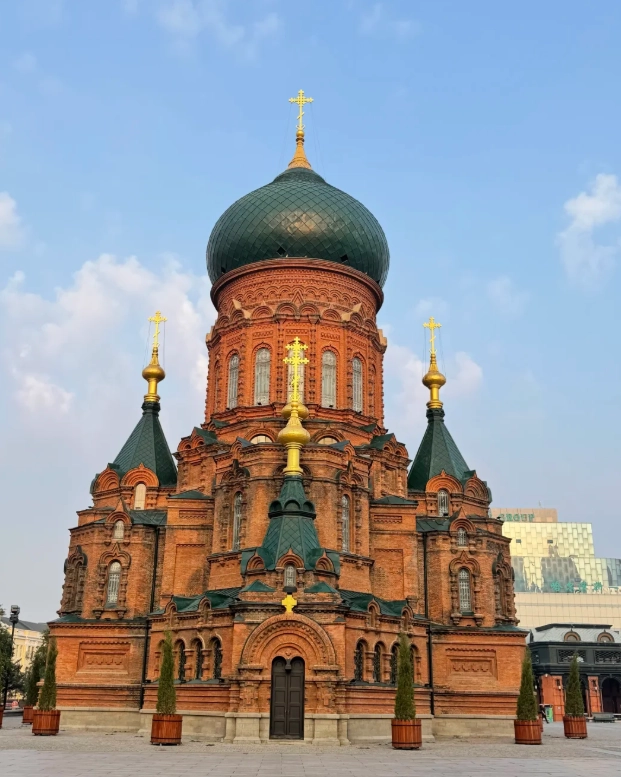
How to See Harbin's Icons Without Getting Ripped Off
The biggest scam in Harbin is the 'local driver' who offers a 50-yuan tour and then charges 200 for lunch. Here is how I handle it. First, always use the ride-hailing app Didi (in English) or call for a tame taxi from the hotel. Second, buy tickets only from official windows or Trip.com. Third, avoid the 'ice bar' promoters on Central Street—they lure you in with cheap beer and then present a monstrous bill. I always say: 'If it sounds too good, it's a trap.' And never agree to a 'museum guide' who wants to take you to a separate entrance; the official one is the only one.
Beyond the Postcards: Neighborhoods Most Tourists Miss
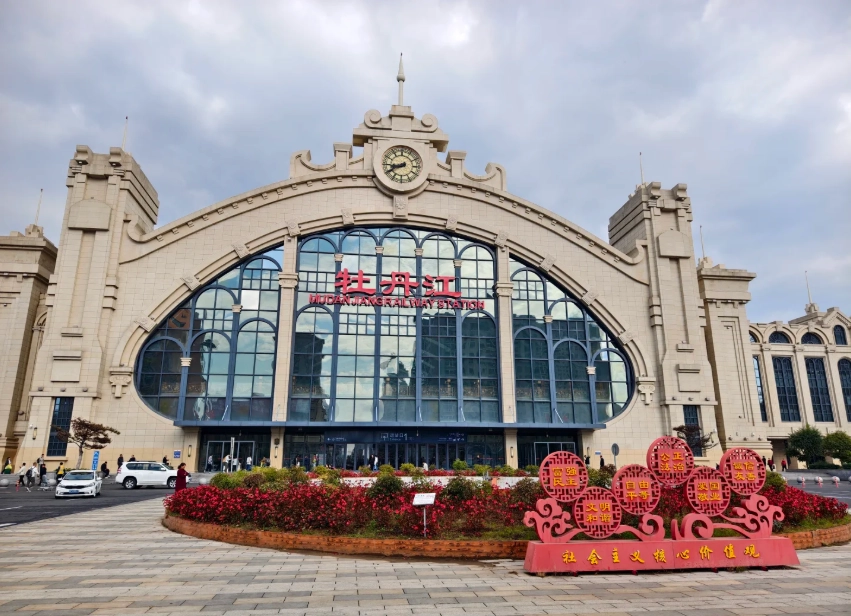
Harbin is more than its famous landmarks. If you have extra time, take a walk through the Harbin Russian Quarter near the old railway station. There, you'll find wooden dachas, art studios, and a café culture that feels like a time warp. Another gem is the Qunli Music Park, a modern design marvel of white curves and ice sculptures in winter. But truthfully, for a first visit, the Big Five above will fill your day. I only send return visitors to these spots.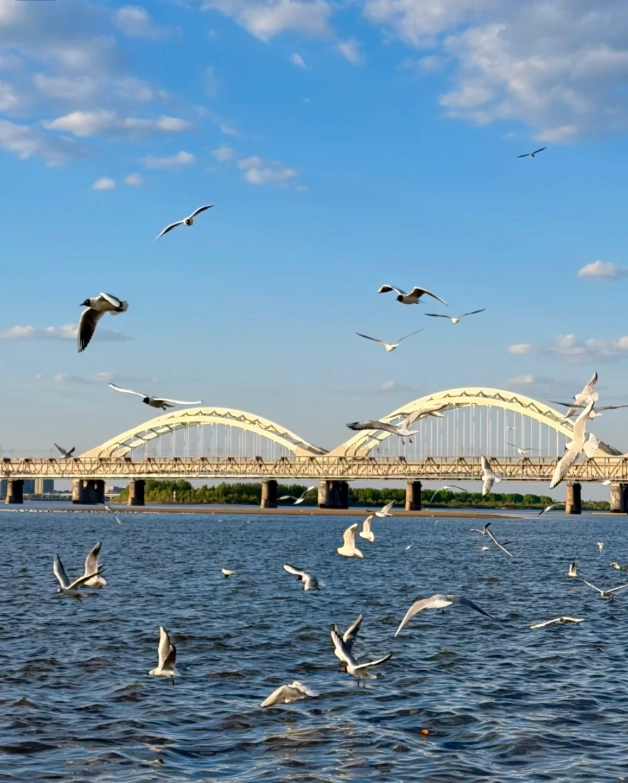
How to Plan a Perfect Harbin Itinerary?
The 48-hour formula works for most first-timers: Day 1 to the ice, Day 2 to the history. Here is my tested plan:
- Day 1 – Start at Sun Island in the morning, then cross the river to Ice and Snow World for sunset. Total travel time: about 40 minutes between them by taxi.
- Day 2 – Begin at Saint Sophia Cathedral at 8 AM, hop to Central Street for lunch, then spend the afternoon in Old Daowai. Finish at the flood-control monument for sunset.
- If you only have 24 hours, compress both days into one: see the cathedral and Central Street in the morning, eat a hot pot lunch, then head to Ice and Snow World by 4 PM. Skim Sun Island if you must.
But this is Harbin in winter—temperatures can drop to -25°C. Take a 15-minute warm-up break every hour. Coffee shops and shopping malls have free toilets. And in case of a snowstorm, swap the outdoor sights for the Harbin Museum or a long lunch at the historic Russian restaurant, Port Said.
What to Eat After You've Touched the Ice?
Harbin is a food lover's paradise for meat and carbs. You can't leave without trying a local 'guobaorou' (sweet and sour pork), a bowl of hearty dongbei dumplings, and the famous 'Harbin red sausage'. For an authentic meal, I recommend 'Laochangchun' on Central Street, known for its hot pot and smoky lamb skewers. Prices are surprisingly fair—you can eat well for 60-80 RMB per person. But note: most restaurants only accept Alipay/WeChat, not foreign credit cards. For a sit-down experience, look for places with 'menu in English' or ask your hotel concierge to write down a few dishes in Chinese. And always order extra dumplings—they're the easiest picky-eater fix.
Practical Answers: Payments, Apps, and Getting Around
Your phone is your key to Harbin—but only if you're prepared. Before you land, set up Alipay and link your international card. Make sure you have a VPN, because Google Maps won't work reliably. For navigation, use Apple Maps or the Amap app (English version is called 'Amap Global' or 'Gaode'). Download the translation app Baidu Translate for offline needs. For transportation, subway lines are well marked in English, and Didi (like Uber) is easy. Cash is still accepted but you will get funny looks for large bills. Always carry your passport—it's required for any ticket purchase.
FAQ: Your Top Harbin Questions Answered
This content has been fact-checked to ensure informational precision. But remember: Harbin changes every winter. Ticket prices, opening hours, and even the location of ice sculptures can shift. Always confirm the latest details on official websites or Trip.com before you set out.





No comments yet.