 Yan Zhou
What You'll Learn in This Guide
You've booked the flight, but your credit card just got declined at the hotel. Welcome to Huangshan — trust me, I've been there with a busload of confused tourists. This isn't just another waterfall-and-pine-tree listicle. I've spent years guiding travelers around the Yellow Mountains, and I'm about to show you the top things to do in Huangshan without falling for tourist traps. Here's the shortcut: the best views happen at sunrise, and you must book your tickets on Trip.com before arriving — the on-site queue is brutal.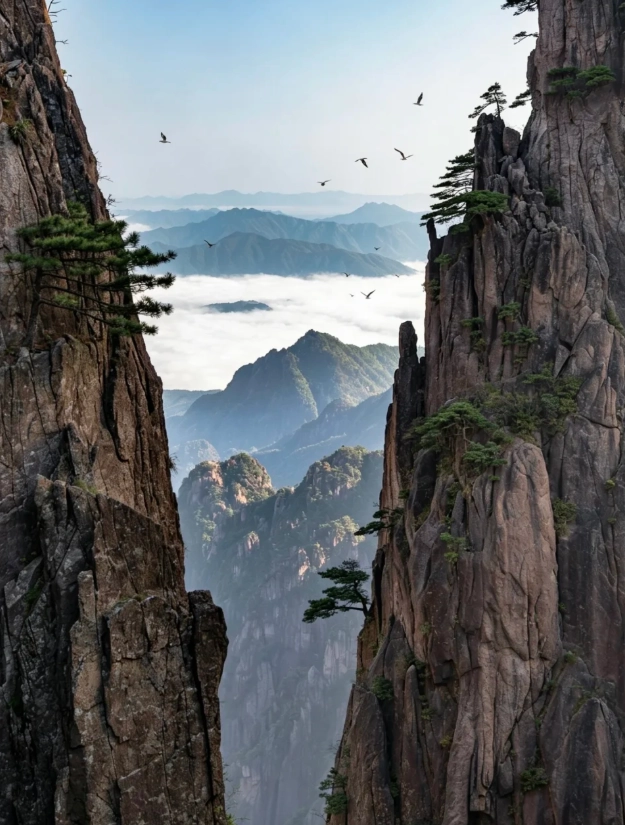
Essential Top Things to Do in Huangshan: My Honest Ranking
I've hiked these trails more times than I can count, so let me save you time and energy. These are the activities I always recommend to foreign guests — in order of impact.
1. Shixin Peak: Watch the Sunrise Above the Clouds
Start your day at Shixin Peak (始信峰) — it's the only spot where the first light hits the granite pillars without swarms of tour groups. You'll need to leave your hotel by 4:30am in summer, or around 5:30 in winter. From the Yungu Cable Car station, it's about a 40-minute walk. Bring a headlamp, because the path is pitch dark. Entry is included in the main Huangshan Scenic Area ticket (around 190 CNY in peak season, but confirm the exact price on the official website). No extra fee.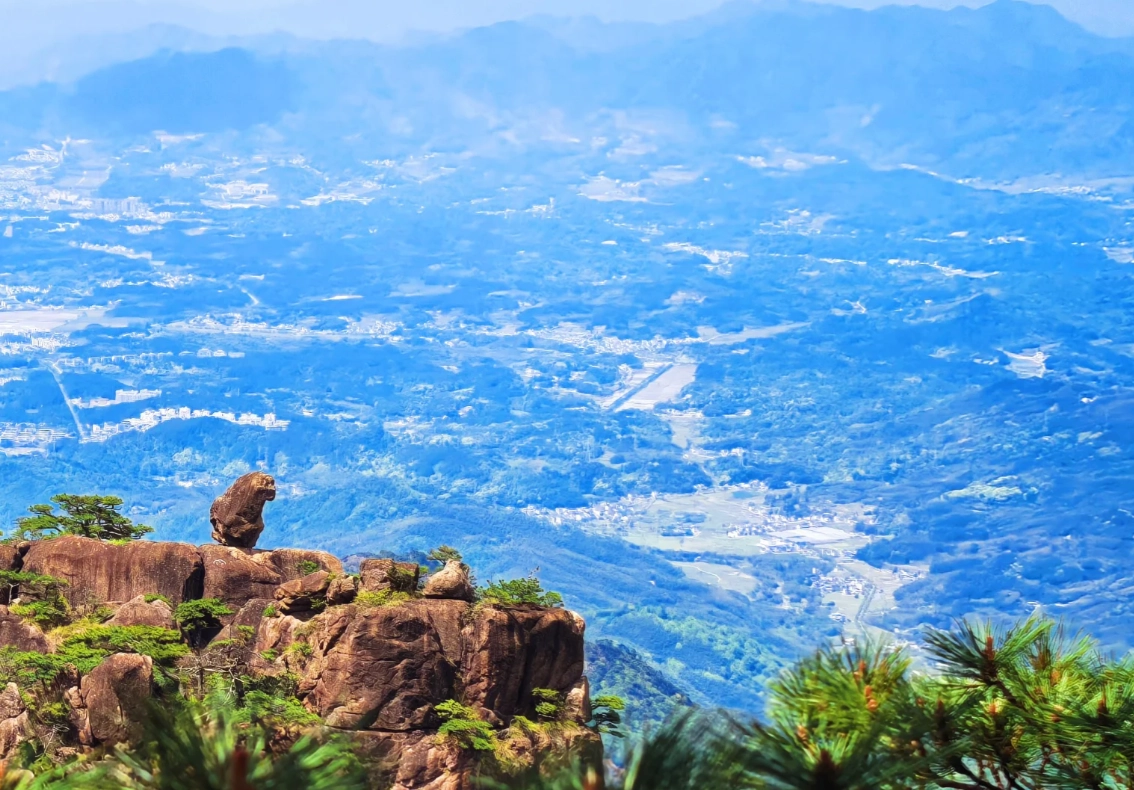
2. West Sea Grand Canyon: The UNESCO-Listed Hiking Trail
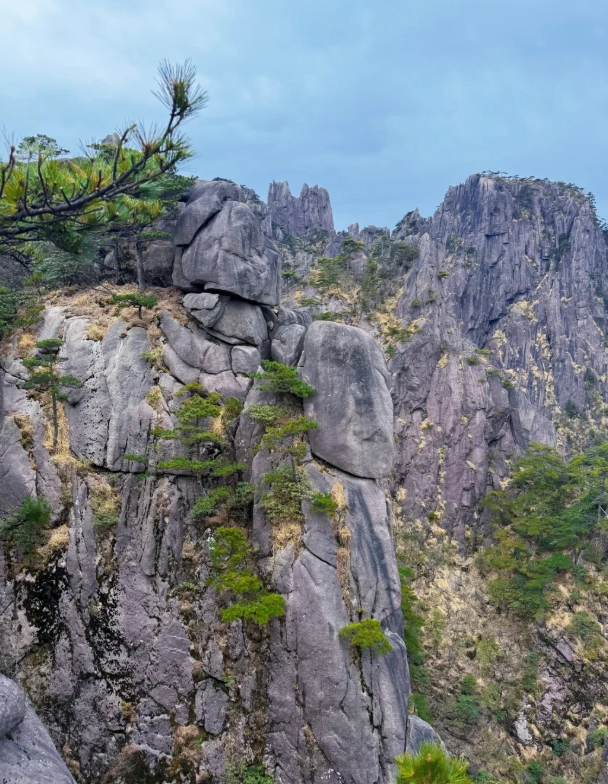
The West Sea Grand Canyon (西海大峡谷) is the most spectacular walk I know — expect towering cliffs, hanging staircases, and ever-changing sea of clouds. The full loop takes 4–6 hours, and the cable car back up costs around 100 CNY. It's closed in winter (usually December–March) due to ice, so check the forecast. Go downhill first to save your knees. You'll pass the popular “Small West Sea” viewpoint — ignore the crowds there, the real magic is lower down.
3. The Iconic Yingke Pine (Guest-Greeting Pine)
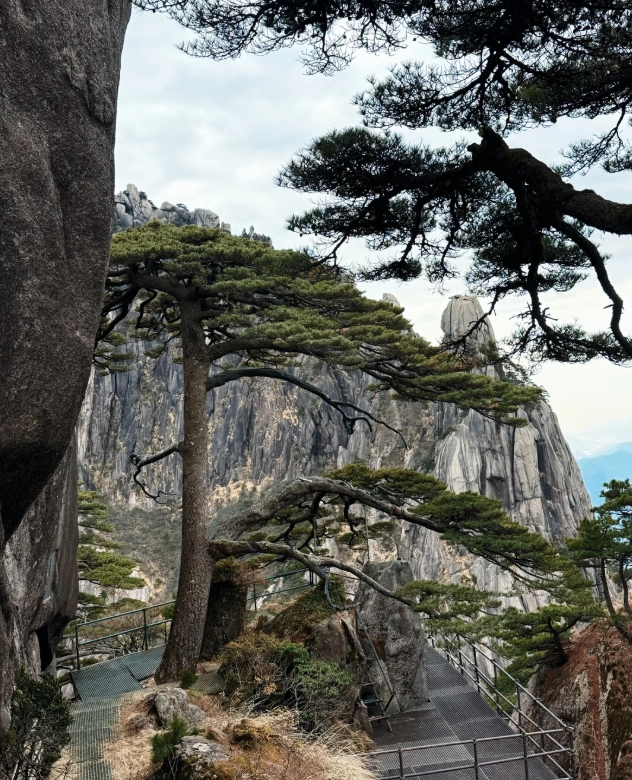
Yes, it's iconic, but here's the thing: you can see it for free with your entrance ticket, yet most visitors queue for 30 minutes just to take a photo. Go right before sunset, around 4pm, when the tour groups are leaving. It's a 10-minute easy walk from the Yuping Cable Car station. If you're short on time, skip it — the pines in the Xihai area are just as beautiful without the madding crowd.
4. Heavenly Capital Peak (Tiantu Peak): The Challenge
If you're fit and the weather is clear, climb Tiantu Peak (天都峰) — the steepest of Huangshan's three main peaks, with near-vertical ladders that leave you breathless in every way. The peak is often closed for ecological recovery (it rotates with Lotus Peak), so check the official notice before planning. It takes about 3 hours round-trip from the Yuping Cable Car. No extra fee, but you'll need a good pair of shoes and no fear of heights.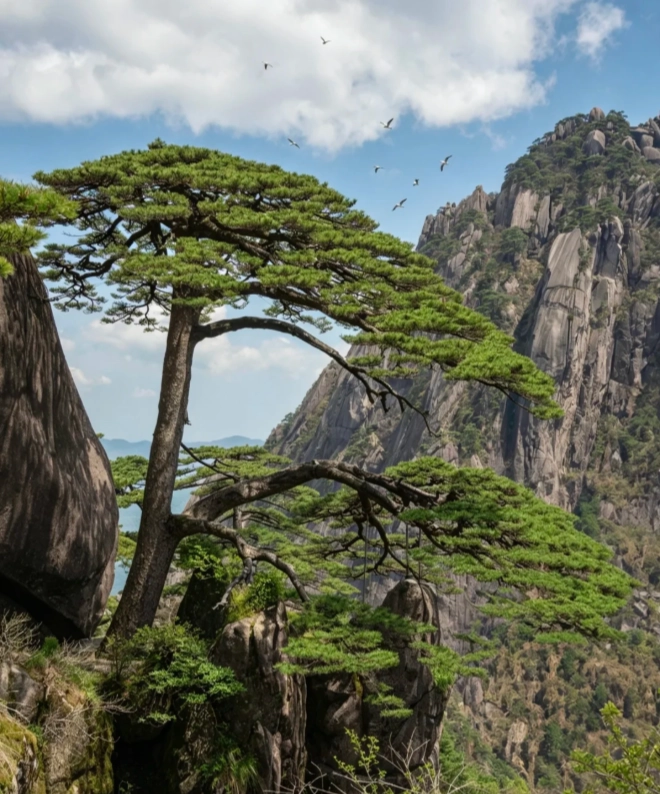
5. Bright Summit (Guangming Ding): Panorama Without the Climb
Guangming Ding (光明顶) is the second-highest peak and the easiest to reach — a 1-2 hour gentle hike from the Baiyun Hotel or a 20-minute walk from the Haixin Pavilion. It's the classic postcard view. Bring a wide-angle lens. I always tell guests to skip the crowded observation deck at noon and come at dusk instead, when the crowd thins and the golden light hits.
6. Jade Valley (翡翠谷): A Green Oasis at the Foot
Ever seen water so green it looks unreal? That's Jade Valley (翡翠谷), also called “Flying Rapids” by locals. Located at the foot of the mountain, about a 20-minute drive from the Tangkou town center, it's a perfect half-day trip if you have knee pain or bad weather. Entrance is around 70 CNY (check on platforms like Klook). The trail is flat and family-friendly.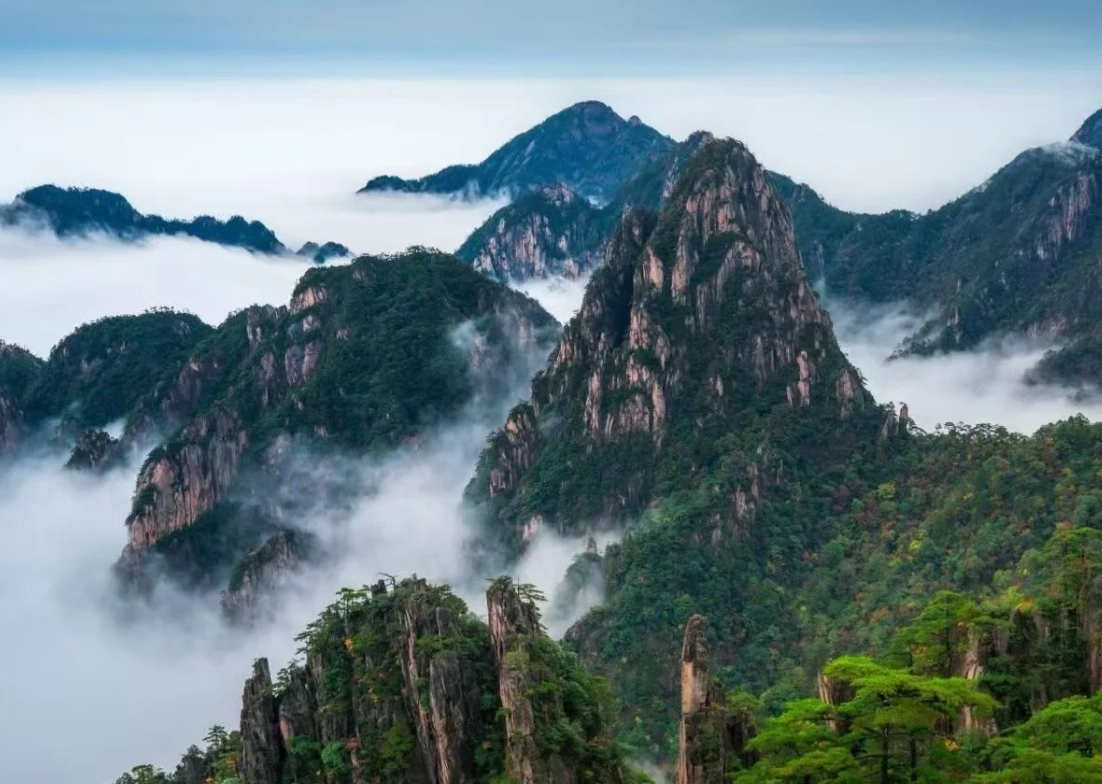
7. Hongcun Village: The Town Behind the Postcard
Hongcun (宏村) is a 900-year-old Anhui town that looks like a living ink painting — you'll recognize it from the movie “Crouching Tiger, Hidden Dragon.” It's about 40 minutes by car from Huangshan Scenic Area. The entrance ticket is about 104 CNY (check Trip.com). Many visitors skip it because it's “touristy,” but I still guide people there because the Moon Pond at 6am is pure magic, before the day-trippers arrive.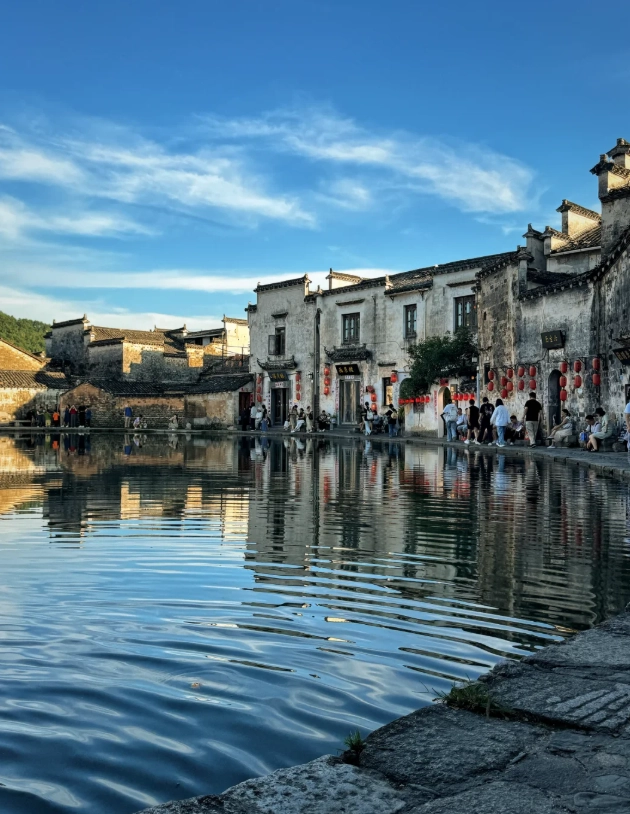
8. Tunxi Old Street: Eat Your Way Through History
Not everything is up the mountain — the real local experience is in Tunxi Old Street (屯溪老街), a pedestrian road that's been selling snacks since the Ming Dynasty. Come for the “huangshan shaobing” (sesame cakes) and stinky tofu (yes, really). The street is free to enter, and restaurants here are cheap. Try “Laojie No. 1” for a sit-down meal — but expect to queue 20 minutes at 7pm. Most places only accept mobile payments, so make sure your Alipay works.
9. Sea of Clouds Over the White Cliffs
You can't control the weather, but you can bet on the sea of clouds around 2-4 hours after rain. Best viewpoints: the “Fly-Over Stone” near Guangming Ding, or the “Cloud Dispelling Pavilion” on the West Sea route. There's no fee beyond your entrance ticket, but you'll need serious luck. I've been up there 50 times and only seen it twice — but when it happens, it's why people climb this mountain.
10. Ride the Yungu Cable Car for a Bird's-Eye View
Take the Yungu Cable Car (云谷索道) at least once — it's not just transport, it's a 10-minute flight over granite forests. The fare is around 80-90 CNY each way (subject to change). Sit on the left side going up for the best view. If you're prone to motion sickness, take a motion-sickness pill beforehand, because the swaying is real.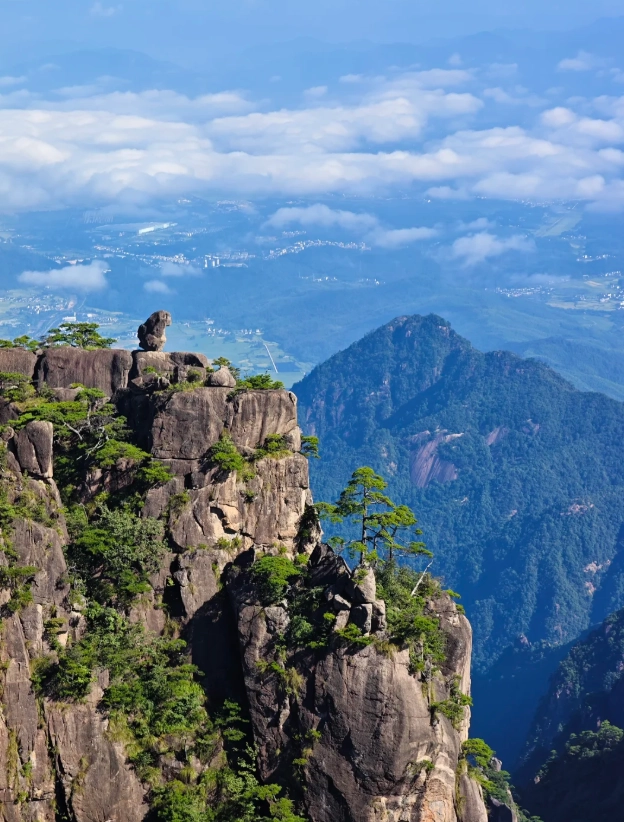
How to Beat the Crowds at Huangshan's Most Famous Spots
If there's one thing I've learned from my years of guiding, it's that the crowds are worse than any stair climb. Most tourists arrive at the park gates between 8am and 10am, so here's how to outsmart them:
- Take the shuttle to Yungu Temple (云谷寺) cable car station instead of the more popular Ciguang Pavilion (慈光阁). It's less crowded and often faster.
- Do the opposite of the tour groups: head to the West Sea Grand Canyon in the afternoon when they're all on the northern slope.
- For sunrise, stay inside the scenic area overnight at the Beihai Hotel. It's in the center, and the staff can wake you up for a 30-minute walk to the viewpoint.
- Bring your own packed lunch. The on-mountain restaurants are overcrowded at noon and often run out of rice.
What to Know Before You Book: Tickets, Passes, and Entry Rules
Booking your Huangshan tickets ahead of time is not optional — it's mandatory during peak seasons. Here's the breakdown that most online guides miss:
- Foreign travelers must book with their passport number. The official ticketing system often rejects international names if you use a Chinese ID, so always enter your passport exactly as shown.
- Use Trip.com or Klook to buy tickets — they store your passport info and can reissue if something goes wrong. The on-site ticketing windows are chaotic and closed on some days.
- Cash is practically useless inside the scenic area. Even the small snack stalls accept only Alipay/WeChat. Make sure your Alipay is linked to an international card before you go.
- You'll be asked to scan QR codes at various spots — keep your phone's battery charged, and download the offline map before you arrive (Google Maps doesn't work reliably in China). Use Apple Maps or AMap Global instead.
- The Huangshan Scenic Area ticket is usually valid for 3 days, but confirm the exact validity when you buy. Some packages include bus rides, some don't.
Where to Stay for Easy Access to Huangshan's Top Attractions
Your stay determines how much you can see in a day. I've broken down the three main bases for travelers:
| Location | Distance to Scenic Area | Est. Price/Night | Best For |
|---|---|---|---|
| Tangkou Town (汤口镇) | Just below the South Gate, 10-min shuttle to transfer station | 150–500 CNY | Budget travelers, day-trippers |
| Beihai Hotel (北海宾馆) in the mountain | Inside the scenic area, 2-min walk to most viewpoints | 800–2,000 CNY | Sunrise chasers, photographers |
| Tunxi Old Street area (屯溪) | 1 hour by car to the scenic area | 200–700 CNY | Food lovers, nightlife |
If you can fork out the cash, staying on the mountain at Beihai Hotel (or the Xihai Hotel) is worth it for sunset and sunrise without the 3am wake-up. Book months in advance during peak. And check if the hotel has an elevator — many mountain lodges don't.
How to Get Around Huangshan: Transport Tips That Actually Work
You don't need a car, but you do need to understand the three-part transport system: train, bus, and cable car.
- Take the high-speed train to Huangshan North Station (黄山北站). From the station, a taxi to Tangkou Town costs about 150–200 CNY, or take the direct shuttle bus (about 40 CNY) that runs until late. You can book train tickets on Trip.com or the official 12306 website.
- Inside the tourist area, you must use the eco-shuttle buses (景交车) to get between the gate and the cable car stations. These are around 19 CNY per ride, and you can buy them at the station as well.
- Google Maps is useless here — download AMap (高德地图) in English mode, or keep a screenshot of Chinese names to show taxi drivers. Always have the Chinese address written down.
Pro tip: If you're not staying at a hotel that helps with transport, skip the local minibuses that tout for business at the station — they're overpriced and often overcrowded. Use the official shuttle service instead.
Top Things to Do in Huangshan When It Rains or You're Tired
Even a mountain with great weather gets rainy days, and after two days of stair-climbing your knees will beg for a flat path. Here's my go-to list for those moments:
- Explore the Huashan Mystery Cave (花山谜窟) — a 17th-century underground quarry you can walk through without a drop of rain. It's about 30 mins from Tunxi Old Street.
- Visit Jade Valley (翡翠谷) again, but this time in the rain — the waterfalls get double their thunder.
- Book a hot spring soak at Taiping Lake (太平湖). There are resorts that offer day passes with a view over the lake.
Pro tip: Always pack a rain jacket, not an umbrella. Umbrellas turn you into a lightning rod on the exposed granite.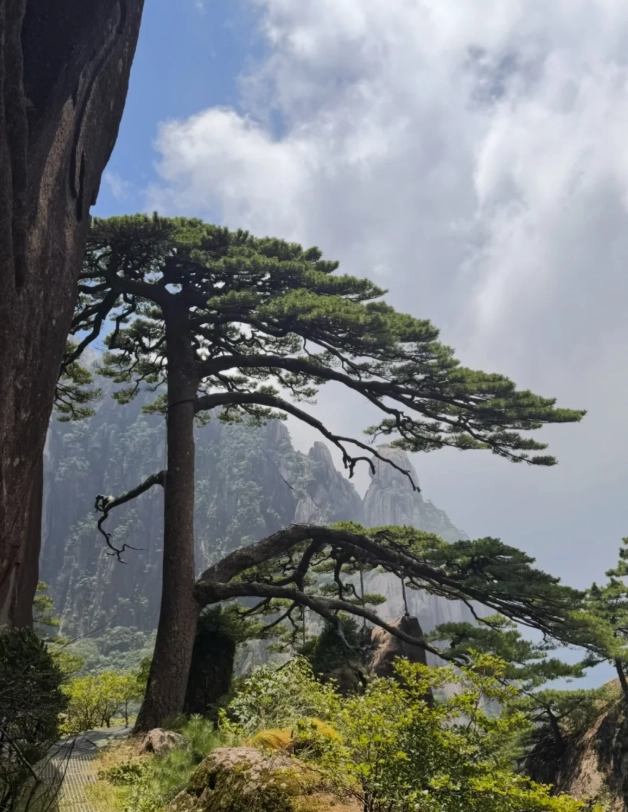
FAQ: Your Top Questions About Visiting Huangshan and Things to Do
This content has been fact-checked to ensure informational precision.






As someone who usually hates 'Top Things to Do' articles, this one got me. It doesn't just name places — it tells you when to show up and, more importantly, what to skip. The honest bit about Yingke Pine being a photo stop was refreshing; we spent two minutes there and saved time for the actual awesome spots. Even the food warning was legit. Definitely a must-read before booking a Huangshan trip.
I read this before my first trip and I'm convinced it saved my trip. The guide is structured clearly: sunrise spots, hiking routes, where not to waste money. I'm glad I ignored the 'guides' insisting everyone must take the cable car both ways. We hiked down the steps through the West Sea and it was an absolutely magical experience — misty pines, birdsong, zero crowds. This article read like a friend who lives there, not a sponsored listicle. 10/10.
This is the most no-nonsense Huangshan guide I've read. No fluff. I've been to Huangshan twice and still learned things — especially the trick about entering via the North Gate to skip the tour-group crush at Ciguang. The note about taking the aerial tram early for the sea of clouds was spot on. My legs hated me after the long stone-step descent, but the views made it unforgettable. Highly recommend.
Really useful list and I appreciated the tip about avoiding the main sunrise spot at Lotus Peak — we followed it and got a peaceful view from Shixin Peak instead. The guide's tone is conversational and realistic. Only reason not a 5: the rental winter gear info was vague (the shops close at 4pm, so don't wait until the evening), and one or two prices seemed outdated. Otherwise a solid read before going.
I wanted to like this guide because the photos are gorgeous and the section on the Xihai Grand Canyon is solid. But calling it an 'honest local take' felt like a stretch. It barely mentioned how brutal the weekend queues at the cable cars can be — we waited nearly two hours at Yungu and almost missed sunset. Also, the advice about 'sunrise on a budget' doesn't account for how expensive the mountain-top beds are in reality. Fine for first-timers who just want the big names, but I wouldn't call it honest or current.
Huangshan exceeded every expectation. From the strange stones and ancient pines to the sea of clouds that rolled in right after a small rain, it felt like walking through a Chinese ink painting. We took the cable car up and walked the West Sea loop — the glass bridge and one-way cliff path are thrilling. The sunset from the top was unreal. Even the food stalls were okay for a mountain and the staff at the lockers were helpful. Bring layers, gloves, and patience — then let the mountain do the rest. Absolutely would come back.
As a more local traveler, I think what makes Huangshan special is not just the postcard spots like Flying-Over Rock or Welcome Pine. It's the details: the pine roots gripping the cracks in granite, the sudden wind blowing a hole in the clouds, and the old tea house at dusk where you can sip Huangshan Maofeng while the colors change. I went mid-week, came up by the Yungu cable car and did a quiet hike to Beginning to Believe Peak. Perfect day. Don't skip the hot springs at the bottom, your legs will thank you. This mountain deserves its UNESCO status, no exaggeration.
I've been to a lot of famous mountains, but Huangshan is on another level. We stayed overnight at Baiyun Hotel and watched the sunrise at Bright Top — it was windy and freezing, but when those clouds turned gold and the peaks appeared like islands, I actually teared up. The Xihai Grand Canyon is a serious hike but every lookout leaves you speechless. Yes it's touristy, but it's famous for a reason. 100% recommend and I'd do it again in autumn.
Great day out, even if my legs are still complaining. Did the West Sea Grand Canyon loop from Baiyun Hotel down to the one-way path and then up again — that is no joke, but the views of the oddly shaped peaks and the narrow ridge trails make it worth every step. The cable car down at Yuping was quick. I deducted one star because the signposting is confusing at some forks and a few restrooms are quite smelly. Still, definitely one of the best mountain experiences in China.
I wanted to love Huangshan, and the scenery on Bright Top is genuinely spectacular. But honestly the experience is dragged down by the crowds and the constant queueing. We arrived at 6:30 AM and still spent nearly two hours waiting for the cable car. Once up, the paths are so packed in places that you're shuffling behind a group of tour groups. Also the mountain-top food was overpriced and bland — think instant noodles at premium prices. The sea of clouds saved it. If you can go off-peak or do an overnight stay, maybe it's better. For me, it was a beautiful but exhausting day.