 Hua Sun
Cold. Frostbitten fingers. That's Harbin in January. I've spent over 12 years dragging tourists through these frozen streets, and here's the truth: most online guides are written by people who've never been here. They'll tell you to go to the Ice Festival, but they won't tell you that your international credit card won't work at the ticket booth. They'll tell you to visit Saint Sophia Cathedral, but they won't warn you about the pickpockets who target foreigners.
Now, let me save you some money and sanity. Whether you're here for the Ice Festival or the Russian architecture, these Harbin tourist attractions can be enjoyed without the usual tourist traps — if you know the right tricks.
Here's the golden rule: avoid the midday rush. The best photos at Ice and Snow World happen just before sunset, not at 2 PM when the sun reflects off the ice and blinds you. And for Saint Sophia, go early morning — it's calm, peaceful, and you'll get that classic shot without a thousand selfie sticks.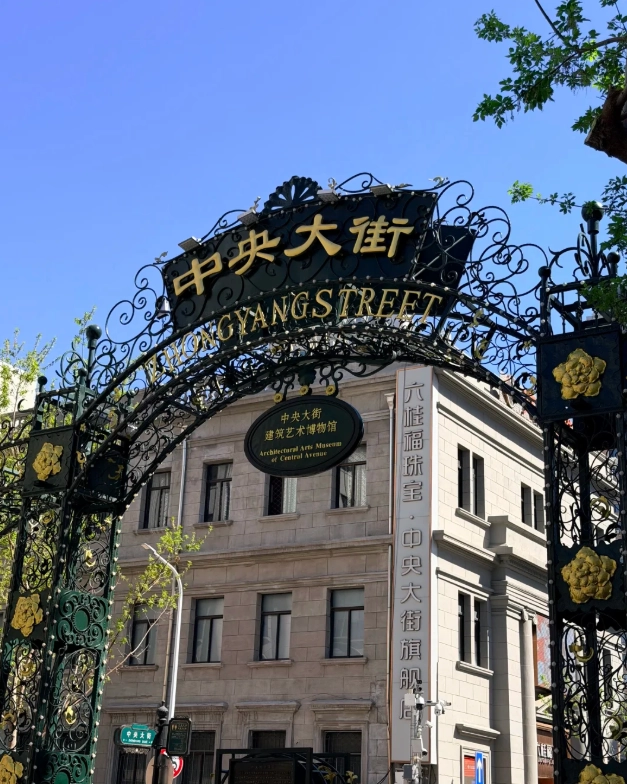
Skip ahead:
Must-See Harbin Tourist Attractions (Ranked by Experience)
Saint Sophia Cathedral
Saint Sophia Cathedral is a stunning Byzantine structure, but it's often overcrowded by mid-morning. I always bring my groups here at 8:30 AM, right when the gates open. The red brick and green onion domes look incredible against fresh snow. The ticket to the interior costs about 20 RMB, and you'll need your passport to buy it. But honest advice? The outside is the real show. Inside is a small museum with old photos, and if you're tight on time, skip the interior — you'll save yourself a 20-minute queue.
The address is 88 Toulong Street, Daoli District. Take Metro Line 1 to Main Station exit 1, then walk northeast for 8 minutes. Watch for fake "artists" who invite you to take photos with them — they'll charge you 50 RMB afterward. Just shake your head and keep walking.
My recommendation: visit on a weekday at opening time. On weekends, the square fills with tour groups and wedding shooters by 10 AM.
Ice and Snow World
Ice and Snow World is the crown jewel of Harbin, and it's worth every penny — if you go at the right time. The entrance fee is around 300 RMB (January), and it includes the main ice castle area. You must book in advance using your passport via Trip.com or Klook. Do not try to pay cash at the gate — the booth usually accepts only Alipay/WeChat, and cash lines are painfully slow.
Best timing: arrive at 3 PM. It's lighter in the afternoon, you can photograph the ice structures with natural light, and then watch them light up at dusk. This also avoids the evening rush of tour buses. The last metro back to the city is around 9 PM, but I tell my clients to check the exact schedule on the station board. There are also taxis waiting, but always negotiate the price before getting in. A ride to central Harbin should cost 40–60 RMB.
And here's a pro tip: bring hand warmers. There's a free warm-up building near the entrance, but it gets packed. I always tell people to buy the $5 hand warmers from the convenience store on the way — they're 3 RMB, not 20 RMB like inside the park.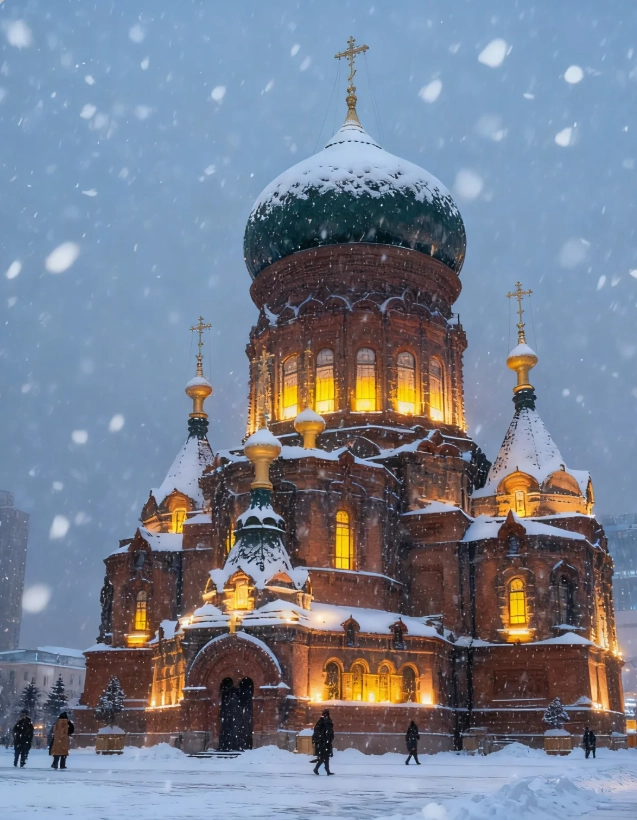
Central Street (Zhongyang Dajie)
Central Street is a pedestrian street with European buildings, but the food stalls are overpriced. Still, it's an essential Harbin experience, especially at night when the ice lanterns glow. The street stretches 1.4 kilometers from Jingwei Street to Stalin Park, and I recommend walking it from south to north.
Start at the flood-control monument at the north end. You can take Metro Line 2 to Central Street Station, exit 1. Along the way, you'll see the modern replica of the old Harbin municipal office, now a museum. It's free but needs a passport registration.
Don't buy the "Russian candy" from street vendors — it's made in China. Instead, step into the old department store on the corner and grab a bottle of local Harbin beer for a price. The street is also where you'll find the famous Harbin-style sausages, but the best ones are at Qiu Lin (separate listing below).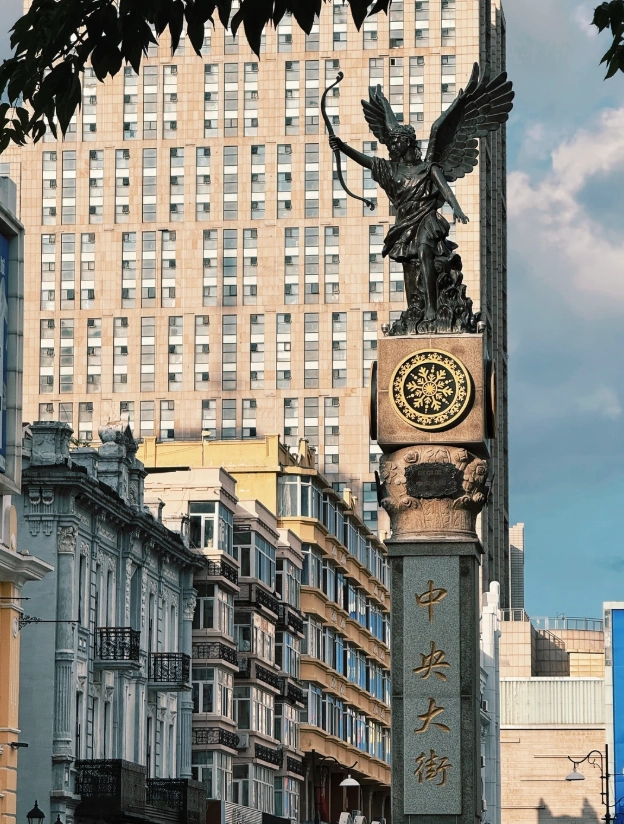
Sun Island (Taiyangdao)
Sun Island hosts the annual snow sculpture expo, and it's separate from the ice festival. It's a 10-minute ferry ride from the wharf near Central Street. The ferry costs 20 RMB each way. The snow sculptures are massive, and this year's expo includes an Ice and Snow World sister park, but the real draw is the snow carvings.
Tickets are around 240 RMB in January. You can book with your passport on WeChat or Trip.com. But when I took my group here last winter, the online booking system was down, and the ticket office had a cash-only line for foreigners. It was a mess. So here's my advice: get your hotel to call the ticket office the day before, or buy at a travel agency downtown. Alternatively, use the phone number on the official website to confirm current rules.
Wear crampons on your shoes — the paths are extremely icy. The staff do a decent job of spreading sand, but I've seen three people slip in front of me within five minutes.
How to Visit Harbin Ice and Snow World Without Freezing to Death?
The biggest mistake I see tourists make is underestimating the cold and overestimating their ability to handle it. January temperatures here average -20°C, and with the wind chill, it feels like -30°C. Your phone will die in seconds, so bring a charged power bank and keep it in an inner pocket.
Layer up like this:
- Base layer: Thermal underwear (wool or synthetic, not cotton).
- Mid layer: Fleece or down jacket.
- Outer layer: Waterproof, windproof jacket and snow pants.
- Feet: Wool socks + insulated boots with thick soles. Skip the thin fashion boots.
- Hands: Gloves with touchscreen fingertips — you'll want to take photos.
- Face: A ski mask or balaclava to protect your cheeks and nose.
Here's the catch: even with layers, you'll still feel the cold after 90 minutes. Plan your visit in shorter intervals. We only spent 3 hours total at Ice and Snow World, then warmed up at the nearby Maple Leaf Hotel (which has a café). A pot of hot tea costs 20 RMB and they'll let you thaw out.
Now, about the ticket: please, please book on Trip.com or Klook. Not only is it often 10% cheaper, but you'll skip the manual ticket window. You'll scan your passport at the entrance and walk through the fast lane. It's that easy.
Don't forget to charge your phone before entering. The battery drain is extreme. I always tell my guests to put their phone in airplane mode and use only the camera — you'll be surprised how quickly 100% drops to 20% in these temperatures.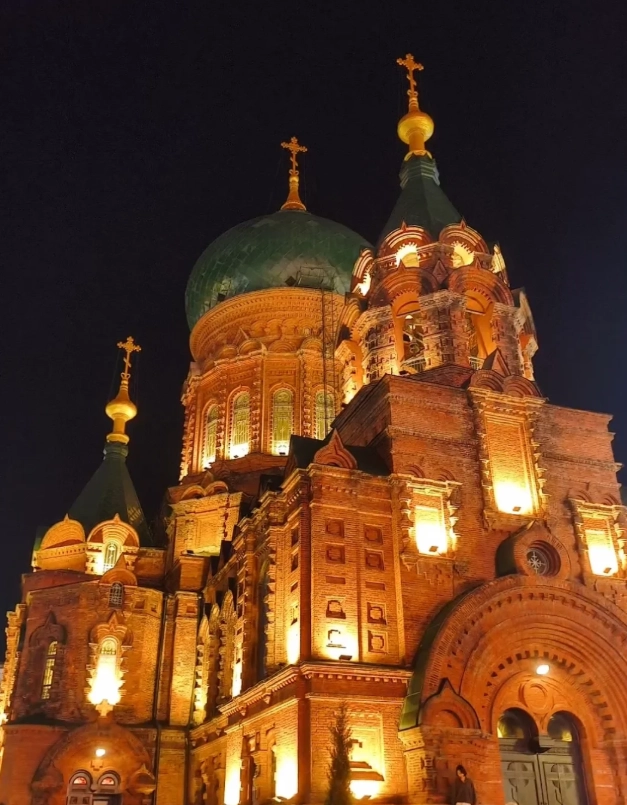
What Is the Best Time to Visit Harbin Tourist Attractions?
The short answer is: for the full Ice Festival experience, you need to come between late December and mid-February. That's when the ice and snow sculptures are at their best. But here's a nuance most guides ignore: early January is cheaper than Chinese New Year (which usually falls in late January or February), and the crowds are half as intense. I always send my clients the first week of January — the cold is brutal, but the quality of ice is superb.
If you hate freezing temperatures, consider late December — the Ice and Snow World is already open, but the depths of winter haven't fully hit. However, some snow sculptures might not be completed yet. It's a trade-off.
Summer visits? Rethink your plans. Harbin is nice in summer (June–August), but the ice-related attractions are closed. You'll only see the empty shells of the snow expo. If you come in summer, focus on the Russian architecture and Central Street, which remain beautiful.
Now, what about within a day? Most Harbin tourist attractions are outdoors, so the golden hours are 8:30–10:30 AM for light, and 3:30–5:30 PM for sunset shots. Midday is harsh on the eyes and skin.
How to Get Around Harbin Like a Local?
Google Maps is useless in China — get ready for that fact. I've lost count of how many tourists stood on a corner with Google Maps pointing the wrong way. Use Apple Maps (works well in English) or download the "AMap Global" app (high-definition maps with English). For public transit, use the "Harbin Metro" app or just look at the station signs in Pinyin.
Metro Line 1 runs east-west and connects the main train station to the northern part of the city. It's fast, cheap (3–5 RMB), and signs are bilingual. Buses are cheap but routes are confusing if you don't read Chinese. For most tourist spots, I recommend metro plus a few short walks or taxi rides.
Didi (China's Uber) is the best option if you have a Chinese bank card linked to your DiDi account. But for foreigners, the English version of Alipay can link a Visa card, and you can pay via that — no need to hail a taxi on the street. If you do flag a taxi, always ask the driver to use the meter or agree on a price before getting in. Drivers at sightseeing spots often quote triple the price for foreigners.
Here's a little-known trick: most hotels in Harbin have a "tourist map" that includes a QR code for a free taxi-hailing app in English. Ask your hotel receptionist to set it up for you. It's saved my Italian clients a lot of cash.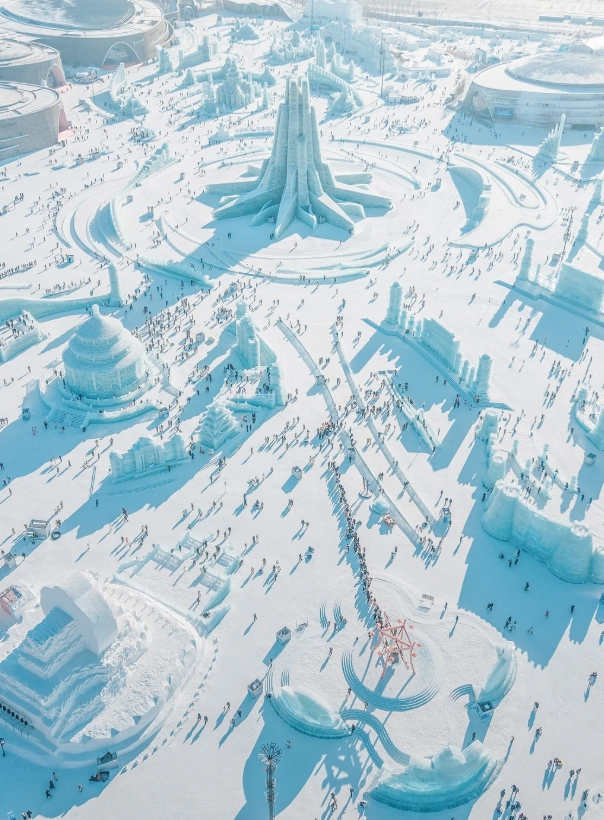
Where to Eat Near Major Harbin Attractions?
Don't eat on Central Street — you'll pay 50% more and the quality is mediocre. I always tell my groups to walk two blocks east to the small alleys around the Harbin Hotel. That's where you'll find traditional Dongbei restaurants with locals.
Here's one of my favorites: Laochang Fengwei, at 36 Huayuan Street. It's a 10-minute walk from Saint Sophia. The guotie (potstickers) are fantastic, and the dongbeilu (braised pork) is the real taste of the region. You'll see a sign with an old man eating noodles — hard to miss. They accept Alipay/WeChat and sometimes cash. You'll need to know that the menu is in Chinese, but they have picture menus. I always order the spicy fish and the cucumber salad. The total for two is around 80 RMB.
If you want a seat that locals line up for, try Qiu Lin, a chain for smoked chicken and sausages. The main shop at 195 Youyi Road opens at 8 AM and lines start at 10. Smoked chicken leg is 25 RMB, and they also have a deli counter. It's pay-by-weight, and they give you a receipt with a barcode to pay at the cashier. A bit complicated, but delicious.
For a quick, budget-friendly bite, the roadside shaobing (baked sesame flatbread) stalls are perfect. They cost 3 RMB, and they'll warm you up on a cold day. Just be sure the stalls have a visible food-safety certificate — the official ones have a green sign.
Now, about payment: bring cash as backup. Many small places still don't take international credit cards, but they all accept the QR code from Alipay/WeChat. Once you link your debit card, the app converts the amount for you. Don't worry — it's simple.
Frequently Asked Questions About Harbin Tourist Attractions
Verified and fact-checked by the editorial team.





As someone who travels cheap but still wants comfort, this was exactly what I needed. The airport bus vs taxi breakdown alone saved me over 120 yuan, and the suggestion to split your time between the old town and the ice festival instead of chasing five attractions in one day is rare in English-language guides. The one extra thing I'd add: bring thermal insoles. The rental boots at the park keep your feet dry but not really warm. That's not on the article, but everything else was spot on. Booked my whole itinerary from this and had zero regrets.
I almost skipped Harbin because of all the crowd videos on social media, but this article changed my approach. The reverse route—Saint Sophia first, then Central Street, then the frozen river at sunset—gave us golden-hour photos with no strangers blocking the frame. The author really understands how tourists move. We also used the 'avoid the main mall street' food tip and found a tiny noodle shop near the flood-control monument; the spicy lamb noodles were 18 yuan and were the best thing I ate in China. Already forwarded this to two friends.
This guide is absolute gold. I'm from Jilin and hadn't been to Harbin in years, so I followed the 'early weekday morning' plan for the Ice and Snow World—zero queue, plenty of room for photos. The tip about checking the weather before buying the premium package also helped us pick the perfect day for sharp ice sparkles instead of blowing snow. We saved a lot by taking Metro Line 2 to the snow-themed area instead of letting a taxi driver talk us into a 'scenic private car.' Five stars, no question.
Really helpful guide overall! It gave me a clear plan for seeing Central Street, Saint Sophia, and the river in one afternoon without rushing. The advice to buy the ice festival tickets from the official ticket machine instead of resellers is spot on—my hostel roommate paid 100 extra yuan for the same view. Only four stars because the article didn't mention that the main entrance at Saint Sophia was covered in scaffolding when I went, and the route to the pedestrian bridge may have changed after the metro extension. Still, worth reading before you arrive.
Honestly a bit mixed. The opening tip about visiting the Ice and Snow World on a weekday saved us from the absolute worst of the weekend rush, and the map video is helpful. But the restaurant prices in the guide looked outdated—two of the recommended spots charged at least 30% more than listed. Also, the 'go at 8 a.m.' trick doesn't work so well in January because that seems to be when every tour group arrives. I used a few of the route ideas, but I expected more actual money-saving hacks instead of common sense.
If you want the full Harbin winter experience without feeling ripped off, listen to this. The tip about skipping the overwhelming commercial ice festival and starting at the smaller riverfront rink was pure gold—actual locals were sledding there and we spent almost nothing. The city glows like a snow globe at night, especially around Central Street. I'm a frequent traveler and this was one of the most practical, budget-friendly guides I've used in ages. Five stars from me.
I was nervous about the freezing temps and huge tourist crowds, but these suggestions saved our family trip. We hit Sun Island in the morning and St. Sophia right before sunset—no waits at all. My kids loved the ice slides, and the tiny dumpling place near the church was unbelievably tasty and inexpensive. I honestly can't imagine navigating Harbin without reading this first. Highly recommend it to anyone planning a winter visit.
This guide nailed it. We followed the 'go to Ice and Snow World in the late afternoon' tip and walked right past the daytime crowds just as the whole place started glowing at sunset. Zhaolin Park was smaller but the ice lanterns were crazy impressive. The hot pot place they recommended on Shangzhi Street was cheap and warmed me straight to the bones. Best trip I've taken in years—I would do it all over again in a heartbeat.
Pretty solid guide overall. The money-saving advice about going later in the afternoon for the day/night combo ticket and taking bus 47 instead of a taxi definitely helped. Saint Sophia looked amazing at night and wasn't too busy, but the inside felt cramped and was honestly a little underwhelming. Also, the cold is brutal—my phone died within 15 minutes. Still, Harbin is a unique place and worth visiting if you plan carefully. I just wish the guide had included more details about renting sleds at the ice park.
I really wanted to love Harbin, and the ice carvings at Ice and Snow World are genuinely stunning. But the crowd tips didn't work for me at all—by 3 p.m. it was packed shoulder to shoulder, and I couldn't get anywhere near the best photo spots. Central Street was fun, but every snack stall had a massive line. I did save a bit on the bundled tickets, but the stress of the crowds made it hard to relax. Maybe a weekday would have been better, but I couldn't make that work.