 Yan Zhou
Quick Guide to This Article
- Why a Weekend in Huangshan Is Worth It
- What to Do in Huangshan for a Weekend: A Day-by-Day Plan
- How to Get to Huangshan (and Back) Without Hassle
- Where to Stay for a Huangshan Weekend: Hotel or Hostel?
- What Should You Know Before Visiting Huangshan?
- What to Eat in Huangshan: Local Flavors
- FAQ: Your Huangshan Weekend Questions Answered
You've booked your flights to China. Now comes the big question: is one weekend really enough for Huangshan? I've guided countless travelers through these granite peaks, and yes — it's possible, if you plan smart. What not to do: try to walk the entire mountain like a marathon.
Figuring out what to do in Huangshan for a weekend isn't just about picking viewpoints — it's about conquering logistics. International credit cards fail, Google Maps lies, and the ticket booking system is pure Chinese. Most tourists panic here.
So here's the core truth: reserve your cable car and entrance ticket online, use the less-crowded Yungu entrance, and avoid the noon rush. Do that, and you'll have an unforgettable 48 hours. Let's dive into the details.
Why a Weekend in Huangshan Is Worth It
Huangshan, literally "Yellow Mountain," is China's most famous mountain range. It's a UNESCO World Heritage site that inspired countless Chinese paintings. The granite peaks, shaped like giant needles, seem to float in a sea of clouds. I've been coming here for a decade, and the view from the top still makes me stop dead in my tracks.
But let's be honest: a weekend is tight. You won't hike every trail, and that's fine. The magic is concentrated in a few key spots — the Western Sea Grand Canyon, Brightness Top, and the old pine trees clinging to the cliffs. With a solid plan, you can experience the essence without rushing.
Here's a non-obvious tip I always share: skip the famous sunrise at Brightness Top and watch sunset at Paiyun Pavilion instead. The crowds are smaller, and the golden light hitting the granite is just as stunning. Plus, you can sleep in a little on your only morning.
What to Do in Huangshan for a Weekend: A Day-by-Day Plan
This two-day plan works for both first-timers and repeat visitors. The key is entering from the back (Yungu) side on day one and exiting from the front (Ciguang) side on day two. That way, you're always moving down, not up.
Day 1: Arrive and Hit the High Peaks
- Take the high-speed train to Huangshan North Station (黄山北站). From Shanghai, it's about 3 hours; from Hangzhou, 1.5 hours. Check schedules on Trip.com or 12306.
- Walk out of the station and look for the shuttle bus to Tangkou (汤口), the base town. The ride takes about 50 minutes and costs around 30 RMB. Chinese-only signs, but just follow the crowd.
- At Tangkou, enter the New Scenic Area Transfer Station. Buy a ticket for the internal bus to Yungu Temple (云谷寺). This bus winds up the mountain for about 25 minutes.
- Once at Yungu Temple, take the cable car up. The ride is 8-10 minutes, with the car climbing steeply into the clouds. Tickets are around 80 RMB one way.
- Right after getting off, you'll see the Beihai Hotel (北海宾馆) area. Drop off your luggage if you're staying overnight — they hold bags for guests. Then start walking toward Shixin Peak (始信峰), where the famous "Beginning to Believe" rock stands.
- Before sunset, hike to Monkey Gaze at the Sea (石猴观海) viewpoint. It's a 20-minute walk, but the view of the peaks at dusk is fantastic.
My insider warning: don't attempt to see every name on the map. The mountain is huge, and trails can be steep. Focus on the western side this day.
Day 2: Sunrise, Grand Canyon, and the Famous Pine
- Set your alarm for 4:30 AM. If the sky is clear, head to Brightness Top (光明顶) — it's the highest point and offers a 360-degree view. Sunrise in Huangshan is worth the effort, but expect a crowd. Alternatively, watch from a quieter spot.
- After breakfast, explore the West Sea Grand Canyon (西海大峡谷). This is the most dramatic part of the mountain — deep chasms with narrow paths carved into the cliffs. You can hike down and take the funicular back up, or walk the rim path.
- Head south to Jade Screen Pavilion (玉屏楼) to see the legendary Guest-Welcoming Pine (迎客松). This iconic tree has appeared in countless Chinese photos.
- Take the Yuping Cable Car (玉屏索道) down to Ciguang (慈光阁). Then hop on the internal bus back to Tangkou.
- From Tangkou, catch the shuttle to Huangshan North Station for your train home.
If rain or fog ruins the sunrise, don't panic. You can visit the Huangshan Weather Station museum or simply enjoy the misty atmosphere. I've been in zero-visibility conditions, and the moody clouds have their own beauty.
How to Get to Huangshan (and Back) Without Hassle
Getting to Huangshan is easier than you think. The city has a high-speed rail station, and the scenic area is about 60 kilometers from downtown. Here's what you need to know:
| Route | Time Estimate | Cost (approx.) | Best For |
|---|---|---|---|
| High-speed rail from Shanghai | ~3 hours to Huangshan North | Around 200 RMB second class | Speed and comfort |
| High-speed rail from Hangzhou | ~1.5 hours | ~100 RMB | Reasonable day trip option |
| Flight to Huangshan Tunxi Airport | From Beijing/Guangzhou ~2 hours | Varies | Long-distance travelers |
| Bus from Huangshan North to Tangkou | ~50 minutes | ~30 RMB | Main route to the mountain |
Pro tip: if you're arriving by plane, take a taxi from Tunxi airport to the North Station (about 20 minutes), then hop on the shuttle. Or book a direct private transfer to Tangkou via Trip.com — it's pricier but door-to-door.
Where to Stay for a Huangshan Weekend: Hotel or Hostel?
You have two main options: stay on the mountain to catch sunrise, or stay in Tangkou at the base. I highly recommend at least one night on the mountain. It transforms the experience — you can watch sunset, be alone after the day-trippers leave, and wake up to the sunrise without battling the morning cable car lines.
| Accommodation | Distance to key hikes | Price per night (high season) | Best For |
|---|---|---|---|
| Beihai Hotel (on-mountain) | Steps from Shixin Peak | ~1,200-2,000 RMB for twin room | Sunrise chasers, decent rooms |
| Paiyun Hostel (on-mountain) | Near West Sea Grand Canyon | ~200-300 RMB per bed | Budget travelers |
| Tangkou hotels (e.g., Huangshan International Hotel) | ~5 minutes to transfer station | ~400-800 RMB | Comfort, lower cost, easy access |
Note: on-mountain rooms are extremely limited and often booked out weeks in advance, especially for weekends. I always tell my clients: if you get a bed, grab it. You can cancel later if needed. Book via Trip.com or the official Huangshan travel website.
What Should You Know Before Visiting Huangshan?
This section might save your trip. Based on a decade of experience, here are the five things every foreign visitor struggles with — and how to fix them.
- Payment: cash is almost useless. The ticket office, cable cars, and shuttle buses won't accept cash or foreign credit cards. Use Alipay or WeChat Pay. Set up Alipay before you arrive and link an international card. You can also ask your hotel to buy tickets for you.
- Booking: you must book ahead. Especially in summer and during Chinese holidays. The official booking system (WeChat mini-program) is in Chinese only. Use Trip.com or Klook to book entrance tickets and cable cars in advance. You'll need your passport number.
- Navigation: Google Maps will lie. Download Amap (Gaode Maps) and use it offline. Apple Maps also works decently. Carry a small map from the hotel — they're surprisingly useful.
- Language barrier: prepare a translation app. Most signs in the scenic area are bilingual, but not all. Download a Chinese dictionary or use Apple Translate for offline phrases. I always carry a small card with "黄山" and "汤口" written on it.
- Weather: pack for all seasons. Even in summer, the mountain can be foggy and wet. Bring a rain jacket, comfortable trekking shoes, and warm layers. The temperature is 10°C colder on top.
Insider advice: the toilets near the cable car stations get extremely crowded. Use the ones at the transfer stations at the bottom — they're cleaner and emptier.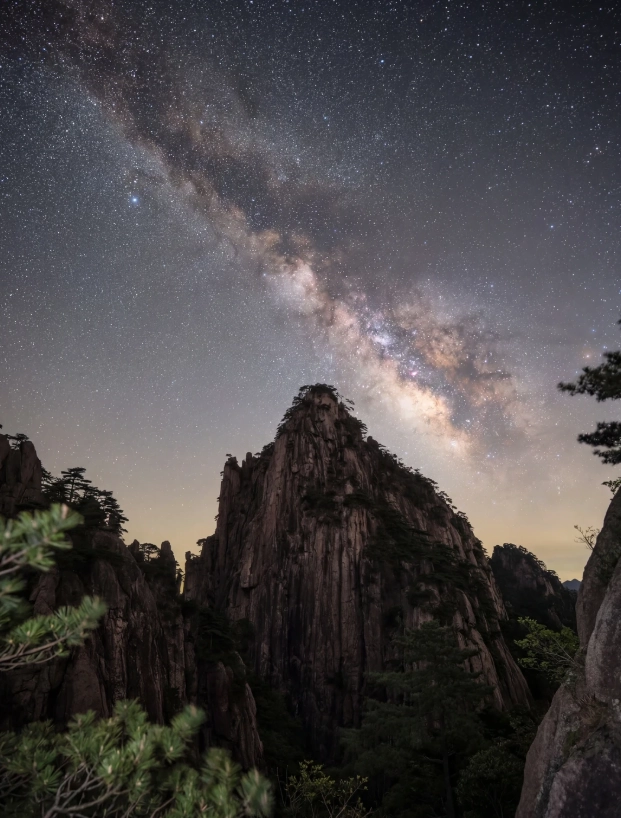
"My first week in Huangshan, I watched a family struggle to buy tickets because their Alipay wasn't set up. Don't be that family. Test your payment apps before you board the train."
What to Eat in Huangshan: Local Flavors
After a day of hiking, you'll crave real food. Huangshan's local cuisine (Huizhou style) is bold and salty, with a hint of sweetness. Three dishes you absolutely must try:
- Smelly Mandarin Fish (臭鳜鱼) — don't let the name scare you. The fish is cured and then braised. It's savory, porky, and surprisingly juicy. My group orders it every time.
- Stinky Tofu (毛豆腐) — it's actually fermented tofu, fried until the outside is crispy and inside creamy. Served with chili oil.
- Bamboo Shoots with Pork (笋干烧肉) — local bamboo shoots are naturally sweet. They're simmered with pork belly. Perfect with rice.
Where to eat: in Tangkou, there are dozens of small restaurants lining the main street. Look for ones packed with locals. I usually stop at the eateries near the transfer station — they're all similar. Just look for one that's busy with locals. For a more authentic experience, ask your hotel owner for their recommendation — they know the best spots.
One honest warning: food on the mountain itself is expensive and mediocre. You'll pay triple for a simple noodle bowl. So, eat a heavy breakfast in Tangkou and carry some trail snacks.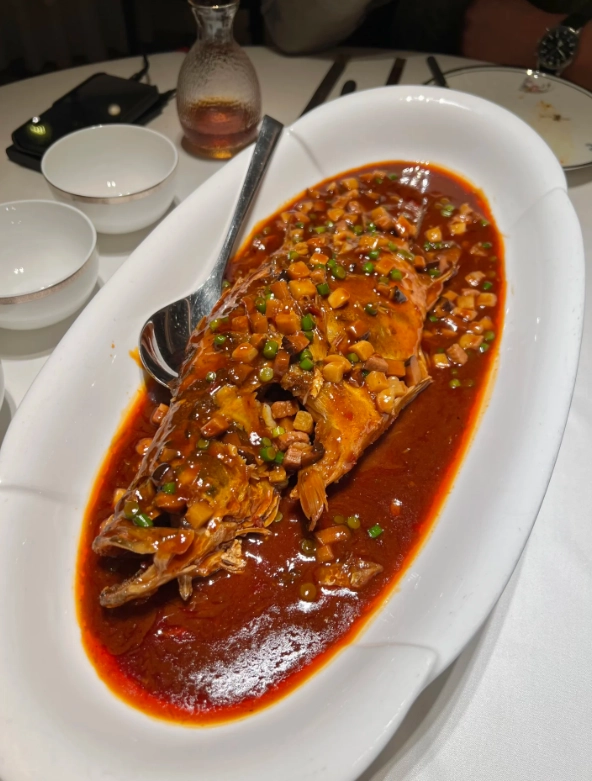
FAQ: Your Huangshan Weekend Questions Answered
Verified and fact-checked by the editorial team.





As a solo traveler who only had a weekend, this 2-day plan was exactly what I needed. The step-by-step directions on getting from the train station to the gondola saved so much stress. I did the whole itinerary with a small backpack and it worked. The highlight was meeting other backpackers at a guesthouse mentioned in the article—shared dumplings and watched the clouds shift over the peaks. Can't recommend this guide enough.
Finally a realistic Huangshan plan! Loved that it included the West Sea Grand Canyon — many guides skip it, but the views took my breath away, literally. The suggested timing for avoiding tour groups worked like magic. We had the photogenic spots almost to ourselves. Also, the note about ginger tea at the teahouse? Genuinely memorable after a damp misty day.
This saved my weekend! I'm typically terrible at planning, and this guide gave us just enough structure without making it feel like a boot camp. The morning hike up to watch sunrise at Sunset Pavilion? Absolutely worth it. We followed the advice to pack light and stay at a lodge on the mountain—worth every penny for the empty trails after 4pm.
Good overall blueprint for a first-timer. I appreciated the 'smart' shortcuts, like staying in Tunxi Old Street the first night. The only reason I'm not giving five stars is the second day felt rushed—we're not early risers and skipped the hot springs to catch our train. Still, the food recommendations were spot-on.
The plan has some good ideas, but honestly it felt a bit too optimistic. We tried to follow Day 1 exactly and ended up missing the sunset because the cable car line took two hours. Also, it doesn't warn you how steep the steps after Bright Top are. Maybe fine for super fit people, but we were exhausted. It's not a bad starting point, just expect changes.