 Tao Xu
- What Makes Guilin Tourist Attractions So Tricky to Plan?
- The Must-See Three: Li River, Longji, and Reed Flute Cave
- How to Book the Li River Cruise Without Getting Nicked
- Longji Rice Terraces: The Realistic How-To
- Reed Flute Cave: Worth the LED Circus?
- How to Pick a Base Close to Guilin Tourist Attractions
- Cashless Payment Survival Guide for Guilin
- 24 Hours in Guilin: A Crunch-Time Plan
- Your Only FAQs About Guilin Tourist Attractions
- Final Advice Before You Go
I’ve watched people step off the train in Guilin with an itinerary that would break a mountain goat. The city's famous Guilin tourist attractions are scattered across karst peaks and rice terraces, and most first-timers try to squeeze two cities into one afternoon. Here is the catch: you don’t need more than four nights to truly see the region, but you do need to kill the urge to check everything off.
Right after the pandemic, I brought a small group to the Li River. We skipped the cruise and rented a bamboo raft instead. The river was quiet, mist hanging on the peaks, and one traveler said it felt like stepping into a Chinese ink painting. That memory is worth more than any “standard” tour. Let’s talk about how to engineer these moments — without burning your wallet or your sanity.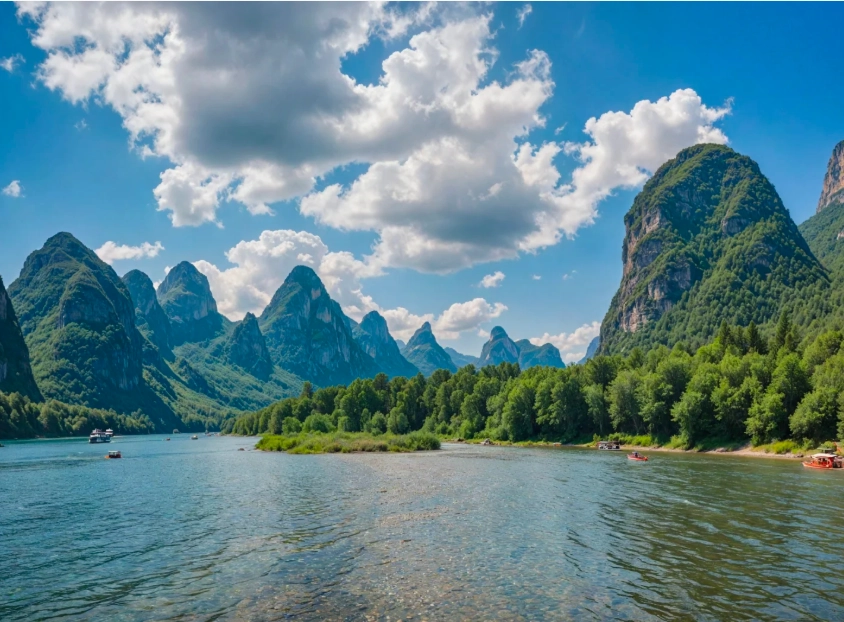
What Makes Guilin Tourist Attractions So Tricky to Plan?
Most visitors overestimate how far these scenic spots are from each other. Guilin city is the base, but the Li River and Longji Rice Terraces are about 60–70 km in opposite directions. I once had a couple insist on doing both in one day. They returned with sunstroke and no photos worth posting.
Let me break down the geography:
- Guilin City — karst formations around the city, like Elephant Trunk Hill and Reed Flute Cave. Some can be seen in half a day.
- Li River & Yangshuo — about 1.5–2 hours by car or cruise. The scenery is iconic.
- Longji Rice Terraces — about 2.5–3 hours north. Big mountains, minority villages, and long hikes.
Doing Li River and Longji in two separate days is already tight. Three full days is comfortable. I always tell my clients to choose quality over quantity.
Pro Tip: Skip Elephant Trunk Hill if your time is short. The best view actually is from the highway bridge at night — no entry fee, no crowds, just the bright city lights reflecting on the river.
The Must-See Three: Li River, Longji, and Reed Flute Cave
These three Guilin tourist attractions cover the region’s variety: river karsts, mountain terraces, and limestone caves. They’re not all equally convenient, so here’s a quick comparison table to save you reading 50 blogs:
| Attraction | Distance from Guilin | Suggested Time | Entrance Fee (Adult) | Best For |
|---|---|---|---|---|
| Li River Cruise (Guilin to Yangshuo) | ~60 km | 4–5 hours | ¥450+ (official) | Classic scenery, photographers |
| Longji Rice Terraces | ~85 km | Full day | ¥80 (ticket + bus) | Hikers, cultural travelers |
| Reed Flute Cave | In city (7 km) | 2–3 hours | ¥100 | Families, art lovers |
Notice I didn’t list Elephant Trunk Hill or the Two Rivers and Four Lakes. They’re pleasant, but honestly, they’re the “break in case of emergency” options. If you have a free afternoon, go for a stroll. Don’t plan your whole trip around them.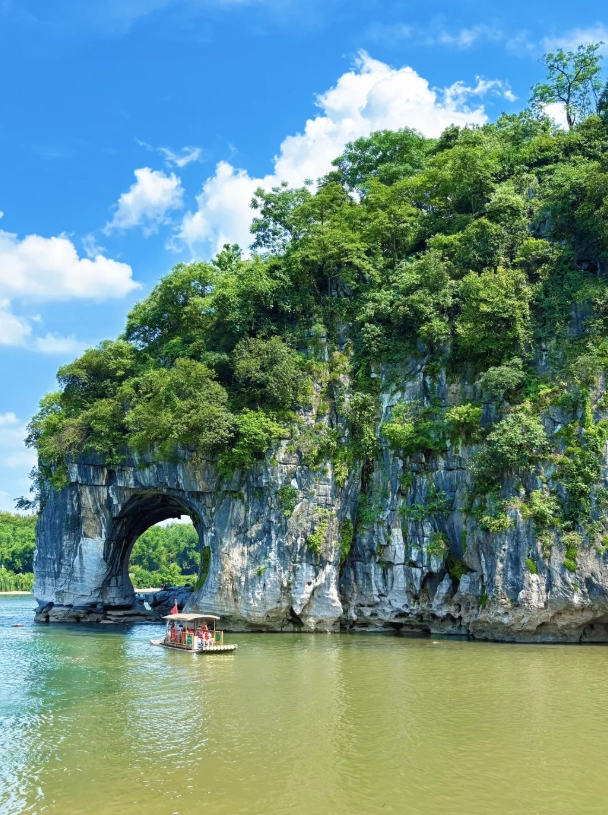
How to Book the Li River Cruise Without Getting Nicked
Book the official cruise from Guilin to Yangshuo through a licensed channel, not a street tout. The “cheap” cruise you see online for ¥150 is often a rusty boat without a window seat, and the driver stops at souvenir shops.
Here’s what I personally do with my travelers:
- Use Trip.com or the official WeChat mini-program “漓江游船” to book the Guilin to Yangshuo cruise. You’ll pay around ¥450–500 for a comfortable seat, including lunch and shuttle bus transfer back.
- Select the 9:00 AM departure. You’ll hit the best light and avoid the afternoon tour buses.
- Carry your passport — the big ships require it for the ticket. You cannot board with a selfie.
- If you’re okay skipping the official cruise, rent a bamboo raft at Yangdi to Xingping. It costs about ¥320 per raft (two people) and feels less touristy. But this can be cash-only near the river, so bring some yuan.
One warning: the official cruise is a big vessel with many tour groups. It’s comfortable but not intimate. The bamboo raft gets you closer to the water, but it’s a shorter ride. Choose based on your style, not just the price.
Longji Rice Terraces: The Realistic How-To
Longji (Dragon’s Back) Rice Terraces are a day trip that rewards slow travelers. The drive alone is 2.5 hours through Mountain roads that might make you queasy. If you get motion sickness, take Dramamine before leaving.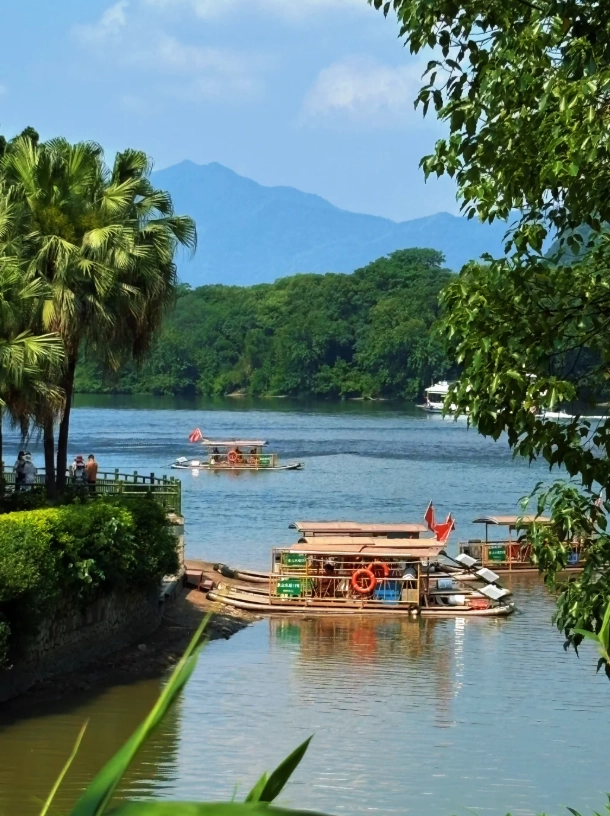
There are two main viewing areas: Ping’an Village and the larger Jinkeng Dazhai village. I prefer Jinkeng because the cable car gives you a panoramic shot without killing your knees.
A few must-knows:
- Get a driver or join a small group tour. I always arrange with a local driver from Guilin — it’s about ¥500–600 for a private car (including waiting). Hotel concierges can set this up for about ¥650, but ask around.
- The ticket for the terraces is ¥80 per person. The cable car adds another ¥70 one-way. You can hike up, but 2 hours of steps will make you question life.
- Best time: May to September is green; October is gold. Winter is often foggy — dramatic but cold.
- Eat at a local farmhouse in Ping’an. Their bamboo-tube rice is better than any restaurant in town. But pay with WeChat or cash — don’t expect card readers.
I once got stuck in the rain on the hike down. My sneakers were ruined, but the village kids waving from a farmhouse made it unforgettable. Bring rain gear, even in summer.
Reed Flute Cave: Worth the LED Circus?
Reed Flute Cave is stunning, but the colorful lights can make it feel like a disco inside a wonderland. As a geologist wannabe, I’d love it more with natural lighting. Still, the stalactite formations are impressive and the cave is easy to reach from the city.
Here’s my take: if you’ve never been inside a Chinese karst cave, go. If you have seen one, you can skip it and save the time for the riverside. The cave has a well-paved walkway, so it’s wheelchair-friendly (there’s an elevator to the entrance). English audio guide is included with the ticket, which is great.
Book online or just pay at the window — the line moves fast. But be careful: the official website only takes Chinese IDs. For foreigners, the easiest is to buy through Trip.com or a hotel front desk. You’ll need your passport to buy on-site too.
How to Pick a Base Close to Guilin Tourist Attractions
The best base for exploring Guilin’s tourist attractions is the area around Zhengyang Pedestrian Street or the lakeside near Sheraton Guilin. You can walk to Reed Flute Cave (20 minutes) and hop on a boat for the “Two Rivers and Four Lakes” light show right from your hotel door.
| Area | Distance to Core Attractions | Nightly Rate (Budget–Comfort) | Best For |
|---|---|---|---|
| Zhengyang Pedestrian Street | Walkable to Sun and Moon Pagoda | ¥300–800 | First-timers, shopaholics |
| Shanhu (Twin Pagoda) Lakeside | N/A (right on the water) | ¥600–1,500 | Couples, photographers |
| Yangshuo (if extending Li River) | Near Li River, West Street | ¥400–1,000 | Backpackers, music lovers |
I always recommend staying two nights in Guilin and two nights in Yangshuo if you have time. Yangshuo is where you can rent a bike and ride through the rice paddies. The vibe is much more chill than the city.
Cashless Payment Survival Guide for Guilin
Almost every stall in Guilin accepts Alipay or WeChat Pay, but many will reject your foreign credit card. I can’t stress this enough — set up Alipay before you arrive. Download the app and add your international Visa/Mastercard. You can pay in shops, restaurants, and even some small farmers’ markets.
Still carry a small amount of cash (¥200–300) for the countryside, like Longji or bamboo raft docks, where internet connection is spotty. ATMs in Guilin are abundant, but always carry your passport to any bank if you need to exchange cash.
Here’s a lifesaver: if your Alipay isn’t working, ask the vendor to switch to “collect” mode. They’ll show a QR code via WeChat, and you can pay using your Alipay scan. It sounds glitchy, but it saves me every time.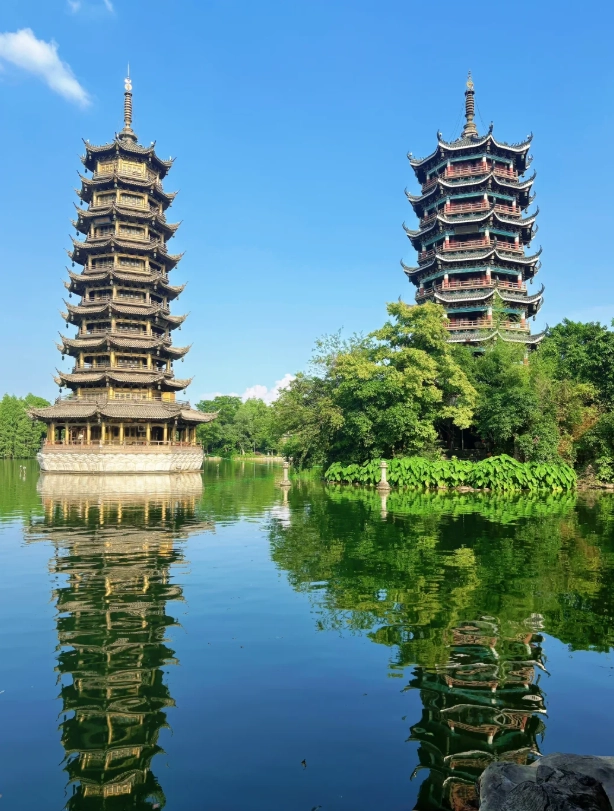
Insider Advice: Google Maps is unreliable in China. Download the app “AMap Global” or use Apple Maps for walking directions. For driving, show the taxi driver the Chinese address written on your phone — don’t trust them to find it by name.
24 Hours in Guilin: A Crunch-Time Plan
If you only have one full day, focus on one major attraction: the Li River, not two. Here’s a realistic one-day itinerary I use for travelers who have exactly 24 hours in Guilin:
- 7:00 AM — Meet your driver at the hotel. Head to Yangdi dock for a 9:00 AM bamboo raft (or pick the official cruise if you prefer comfort). The drive is 1.5 hours; leave early to beat the tour buses.
- 9:30 AM — Float down to Xingping. The view in the morning is clean, with low mist over the peaks. Take photos at the 20-yuan note viewpoint (just walk 15 minutes from Xingping pier).
- 12:30 PM — Lizard in Xingping Old Town. Grab a bowl of local “beer fish” (啤酒鱼). No, it’s not cooked with beer—it’s cooked with tomato, peppers, and secret sauce. Try the branch on the main street; it’s authentic.
- 2:30 PM — Drive back to Guilin. Request your driver to drop you at Reed Flute Cave. You’ll have 1.5–2 hours there.
- 5:00 PM — Walk along the lakeshire to see the Sun and Moon Pagodas at dusk. The lights go on at around 6:30 PM, so grab a lemon tea from a vending machine and wait.
- 7:30 PM — Dinner at a local rice noodle joint. Try “Guilin rice noodles” (米粉) — grab it with pickled beans and chili oil. Trust me, it’s a life-changer.
For a rainy day, swap the boats with the Reed Flute Cave and the Guihua Ocean (a botanical museum). Not as photogenic, but dry.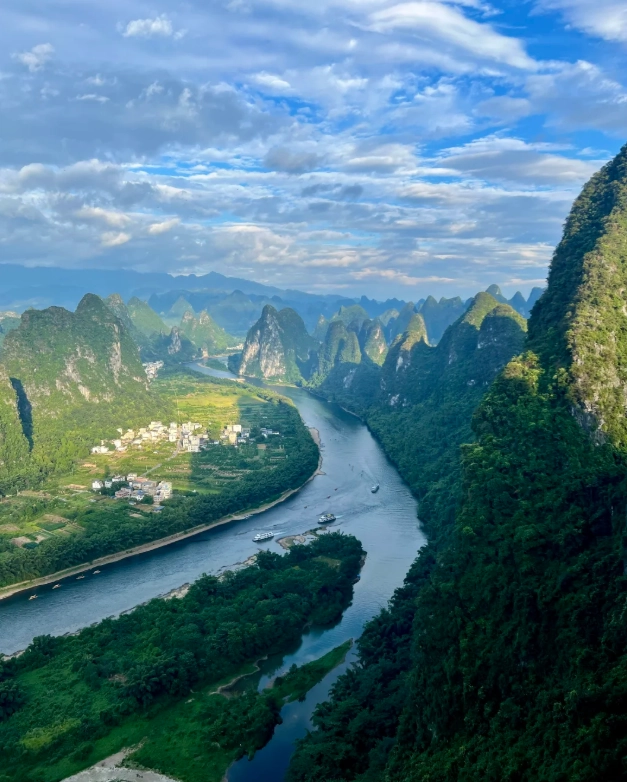
Your Only FAQs About Guilin Tourist Attractions
Final Advice Before You Go
Guilin isn’t about ticking boxes. My favorite memories are not from the famous viewpoints but from sitting at a riverside noodle stall watching the mist roll off the karsts. Choose one big adventure, then let the city fill in the gaps.
This content has been fact-checked to ensure informational precision.







This guide is seriously underrated. I’ve been to Guilin three times and still learned something new. The advice to avoid West Street by walking along the river to the old bridge gave us a peaceful evening — we could smell the osmanthus flowers and hear someone playing the guzheng across the water. The tip about visiting the rice terraces on a weekday also saved us from the selfie-stick crowds. Five stars, no question.
Honestly the best travel article I’ve read in a while. My partner and I used it for a March trip and the “Beat the Crowds” tips for Reed Flute Cave were spot on. Going at 4:30pm meant we glided through the entrance and had the first chamber almost to ourselves; the lights on those giant stalactites looked like something from a fantasy film. The scheduling notes for the Longji terraces were also perfect — we caught the sunrise with maybe eight other people on the viewing deck. Bookmark this one.
Some of the tips worked, but a couple felt outdated. I followed the advice about the Silver Cave and arrived early as suggested, but it was already packed with school groups — maybe because it was a holiday week. Also, the bus times listed for Guilin to Yangshuo were off by about an hour, and we stood around longer than expected. The Longji Rice Terraces sunset tip was decent, though. Overall, an okay guide but don’t rely on the details.
Good, practical guide with a few little issues. We did the Yulong River cycling route and loved it — rice fields, water buffalo, and karst mountains all around, with zero tour buses. The only reason I’m not giving 5 stars is that the directions for the Chengyang Wind and Rain Bridge section were a bit vague; we almost missed the turnoff. Still, it saved us a lot of hassle and is definitely worth a read.
This article completely changed how we did Guilin. The tip to skip the big Li River cruise and take the shorter bamboo raft from Yangdi instead was genius. We were the only raft on the water at 7:30am — just the sound of the pole dipping and the mist rising off the karst peaks. The driver even let me stand up for a photo near the green bamboo banks. I’d have been lost without the crowd-timing section. Highly recommend downloading it before you go.