 Fang Wang
What's Inside
- Why Huangshan Travel Deserves a Spot on Your China Itinerary
- Best Places to Visit in Huangshan: My Top 12
- How to Plan a Trip to the Best Places in Huangshan
- How to Get Around to the Best Places in Huangshan
- What Is the Best Time to See Huangshan's Highlights?
- Where to Stay for Easy Access to Huangshan's Top Sights
- FAQs About the Best Places to Visit in Huangshan
Fog spills over granite peaks. Cameras click. Then silence. Huangshan has a way of making you feel small. But here's the thing—most tourists see only 20% of what this mountain and its surrounding region actually offer. I've been guiding travelers here for years, and I still find new corners every visit. If you're hunting for the best places to visit in Huangshan, forget the generic list. This is the one I would give my own family.
Here's the insider truth: skip the crowded sunrise platform. Stay overnight on the mountain and walk the West Sea Grand Canyon at 7 a.m., when the mist still clings to the cliffs and the tour buses haven't arrived. That's the kind of perspective you came for.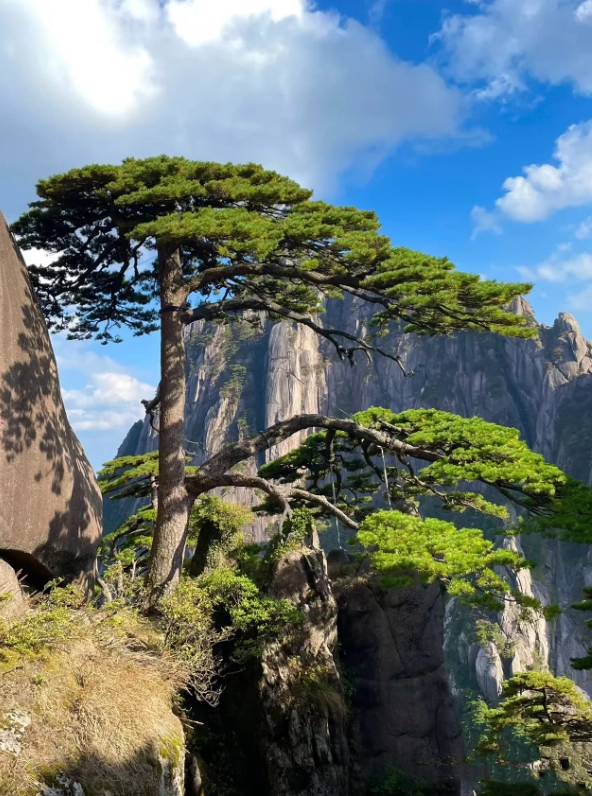
Why Huangshan Travel Deserves a Spot on Your China Itinerary
Huangshan, known in Chinese as "Yellow Mountain," isn't just a single peak. It's a vast national park, much of it above the clouds, crisscrossed with stone steps and suspension bridges. The landscape inspired generations of Chinese painters. But beyond the mountain itself, the city of Huangshan (or Tunxi) anchors a region packed with ancient villages, river valleys, and stone-paved lanes.
Most foreign visitors rush straight to the cable car and spend six hours staring at the few famous viewpoints. Then they leave, convinced they've seen Huangshan. They haven't. The real magic lives in quieter corners—the West Sea Canyon, the village of Tachuan at sunrise, the emerald pools of the Valley of the Emerald.
If you're chasing the best places to visit in Huangshan, you need a mix of mountain peaks and cultural villages. The good news? They're remarkably close together. You can hike the mountain one day and step into a 200-year-old courtyard the next.
Best Places to Visit in Huangshan: My Top 12
I've debated this list with fellow guides. We've argued, switched things around, and finally agreed on these 12 spots. Some are iconic. Some are hidden. All are worth your time.
But let's be honest: a few on this list are overrated. I'll tell you which ones—and whether they're still worth the crowd.
1. Greeting Pine (Yingkesong)
This is the pine tree you've seen in every Huizhou ink painting. It leans out of a cliff over a sea of clouds, one branch extended like a welcoming hand. The name says it all.
Here's the catch: you'll stand in a line of 50 people just to snap the same photo every tour bus crowd takes. Still, if you've come to Huangshan, you'll probably want that shot too. My advice? Go right after the first cable car at 6:30 a.m. and you'll have the deck to yourself. By 9 a.m., it's a selfie mosh pit. No entry fee beyond the mountain park ticket. The pine itself is near the Yuping Cable Car station.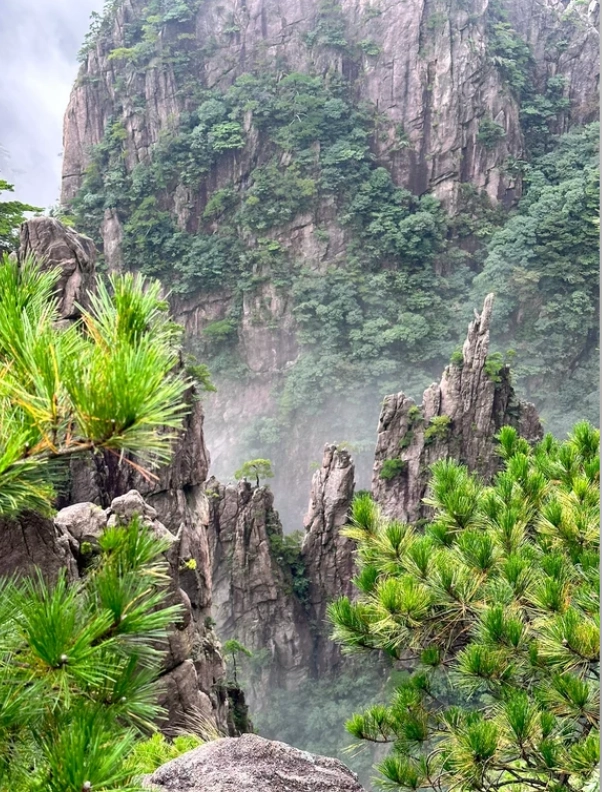
Insider Advice: Don't waste time waiting for a clear view. The fog rolls in and out constantly—you might see the pine clearly for 30 seconds, then it's gone. Shoot fast.
2. West Sea Grand Canyon (Xihai Da Xiagu)
If I could remove one place from my standard tour, it would never be this one. The West Sea Canyon plunges thousands of steps into the mountain, with exposed cliffs and bridges swaying between peaks. It is, without a doubt, the most breathtaking landscape in Huangshan.
This is where I take my clients when they want to escape the crowds. The descent takes about two hours, and you'll climb back up on the other side or ride the canyon's funicular—a small, glass-roofed train that slides down the mountain wall. My favorite route starts at the Paiyun Pavilion, descends to one of the historic rest houses, and then you catch the funicular back to the central plateau. Total time? About three to four hours, depending on how many times you stop to stare.
The best light? Morning, when the canyon is still filled with mist. By noon, the sun burns it away and the views turn hazy and flat. Book your mountain hotel so you can be at the canyon entrance by 7:30 a.m.
The funicular costs around 100 RMB one way, and it's not included in the park ticket. It can close in strong winds, so always check conditions the evening before.
3. Bright Summit Peak (Guangming Ding)
At 1,860 meters, this is the second-highest peak in Huangshan and the traditional spot for watching sunrise. As you'd expect, it gets packed before dawn—hundreds of people wrapped in rented down jackets, holding tea, waiting for the sky to change color.
Is it worth it? Honestly, yes. Seeing the sun rise over a sea of clouds is something you'll never forget. But I've also had mornings when the whole plateau was fogged in and all we saw was gray. The trick is flexibility. Check the weather forecast—if it's unclear, set your alarm anyway and let the hotel staff call you. Sometimes the clouds burn off at the last minute.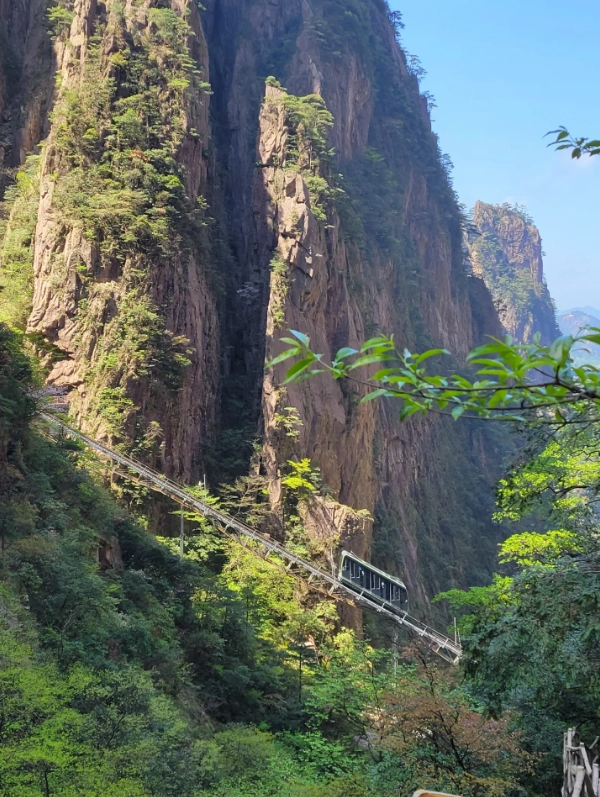
4. Flying Rock (Feilai Shi)
This is a massive boulder, maybe 10 stories high, balancing on a narrow base as if it landed yesterday. The locals say it flew in from elsewhere—thus the name. The rock sits along the path between the cable car area and Bright Summit, making it a natural stop on your way to or from the top.
I prefer viewing it in the late afternoon, when the setting sun lights the side of the rock and rows out the textures. Always walk around it to see the surprising "slap mark" on one side—you'll know when you see it.
5. Lotus Peak (Lianhua Feng)
Lotus Peak is the highest point in Huangshan at 1,865 meters, and it mimics the shape of a lotus blossom. The climb up its steep ladders is not for everyone, but the 360-degree panorama is unmatched. At the top, you can take an official photo with the height marker—expect a queue.
Important note: Lotus Peak, like its neighbor Celestial Peak, opens and closes on a rotating basis for restoration. When I was there last, Lotus was open and Celestial was closed. Always check current conditions on the official Huangshan site or a reliable travel platform like Trip.com—your hotel can check for you too. If Lotus is closed, don't panic—Celestial Peak offers a similar climb.
Entry to the peak is included in the park ticket, but the trail can be narrow and congested. I recommend starting early, because by 10 a.m. it becomes a single-file line up the ladders.
6. Hongcun Ancient Village
Hongcun is the village from the opening scene of "Crouching Tiger, Hidden Dragon." And honestly, it looks like that even in real life—a pearl-shaped pond reflecting old wood-and-brick houses, arched bridges, and courtyard gardens. It's a UNESCO World Heritage Site for a reason.
It's about 45 minutes by bus from Huangshan's southern gate, so you can combine it with a mountain visit. The entrance fee is around 104 RMB, and you'll need to show your passport to buy the ticket. English signage is good, but I still recommend buying the audio guide (about 30 RMB) to understand the carvings on the doorways.
Best part? Stay overnight in one of the old courtyard hotels (many families have converted their homes). After the last tour buses leave at 5 p.m., Hongcun becomes yours. Walk the stone paths in the early morning and you'll feel like you've traveled 200 years.
7. Xidi Ancient Village
Xidi is Hongcun's quieter cousin, also a UNESCO site, but less visited and more residential. Its narrow alleys and towering memorial arches are magnificent. I bring my clients here to see what an ancient Huizhou clan settlement truly looked like—carved door posts, open-air wells, and tiny family museums.
Ticket is similar (about 104 RMB) and it's a 20-minute drive from Hongcun. Combine both villages on a half-day tour. Xidi's layout is a maze, so follow the numbered route on the ticket—it prevents you from walking in circles.
8. Tunxi Old Street (Laojie)
Back in town, Tunxi Old Street is a lively pedestrian lane that snakes along the Xin'an River. This is where you can try traditional snacks, buy ink stones, and watch craftsmen carve bamboo. The architecture is Qing Dynasty style, with some Ming Dynasty buildings tucked in the back.
Now for the honest bit: it's also a tourist shopping street. The prices are marked up, particularly for tea and handicrafts. I always tell my groups to browse first and buy from the side alleys, where the cheaper, more authentic shops sit. Nighttime is prettier, with red lanterns lighting the cobblestones.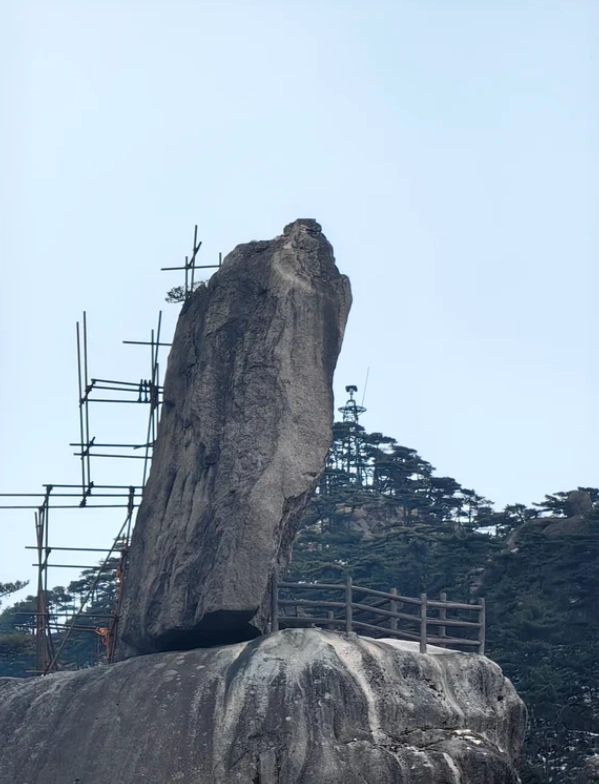
9. Valley of the Emerald (Feicui Gu)
About 20 minutes by car from the mountain's southern gate, this valley is filled with jade-colored pools connected by wooden walkways. The locals call it "Little Jiuzhaigou" because of the clear turquoise water. It's a big hit in summer, when you can swim in some of the deeper pools (yes, it's allowed in certain sections).
Entry is about 90 RMB. The walk takes about an hour, and the shade makes it a pleasant escape on a hot day. The most photographed spot is the "Emerald Pool" near the end of the boardwalk—come before 3 p.m., when the staff doesn't let you enter anymore.
10. Tachuan Village
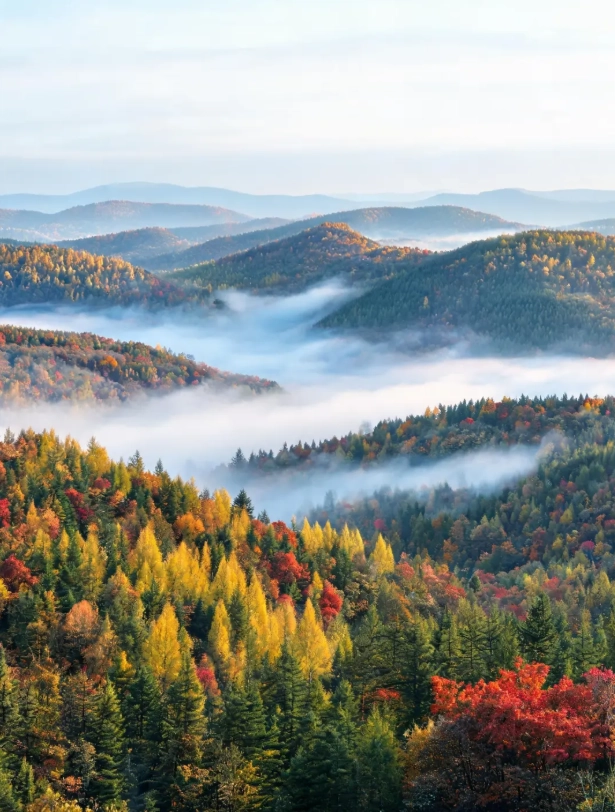
Tachuan is a tiny mountain village known for its autumn leaves—maple, ginkgo, and kapok trees burst into red and gold from late October through November. It's also famous for the photo-worthy mushroom-like rooftops rising from morning mist.
Outside autumn, Tachuan is charming but not extraordinary. If you're visiting Huangshan in peak autumn, plan to get there at 6:30 a.m.; the light is golden and the crowds haven't arrived. It's located near the southern gate, about 30 minutes by car. No entry fee, only a small parking charge.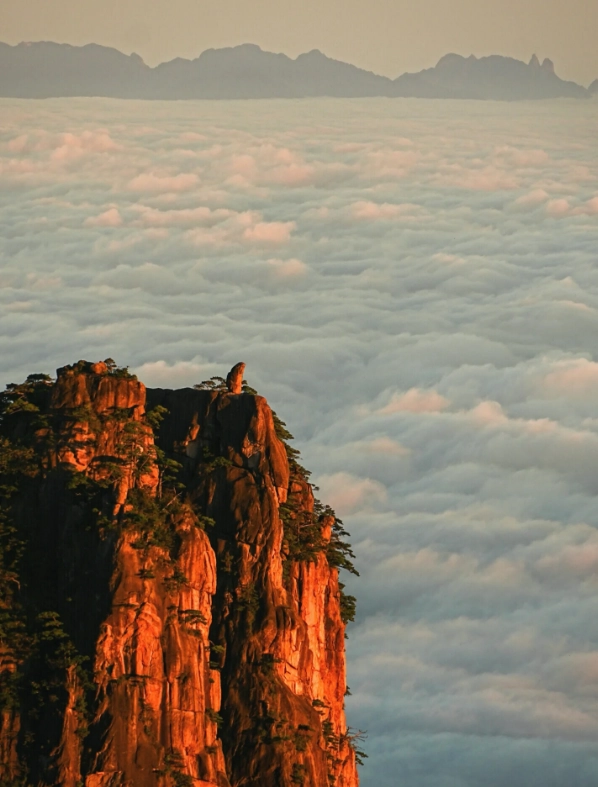
11. Huangshan Hot Springs
After two days of hiking, your legs will scream for mercy. The Huangshan Hot Springs (also known as Hot Spring Scenic Area) sit at the base of the mountain, offering pools fed by natural mineral water. It's private and well-maintained, though a bit dated. Most visitors are Chinese domestic travelers, so don't expect English signs.
You can book a private room for two to three hours for about 200-300 RMB. The water temperature is right around 40 degrees Celsius, perfect for aching joints. Tip: bring your own towel—they provide them, but they're often worn down.
12. Huizhou Ancient City
Final one—and a hidden gem for foreign visitors. Huizhou Ancient City (built in 1210) is in Shexian, about half an hour's drive from Tunxi. It has intact city walls, a drum tower, and narrow lanes still filled with residents doing daily life. Unlike Hongcun, this place feels less staged.
The highlight is the Xu Guo Stone Archway, a magnificent Ming Dynasty structure that spans a main street. The city has a modest entry fee of about 80 RMB, and you can climb the east gate tower for a wide view of the rooftops.
Now, don't feel like you must see all 12. Some, like Greeting Pine and Bright Summit, are more about the splashy photo. Others—the villages and the canyon—are for slow travelers. Let's figure out how to fit them into your schedule.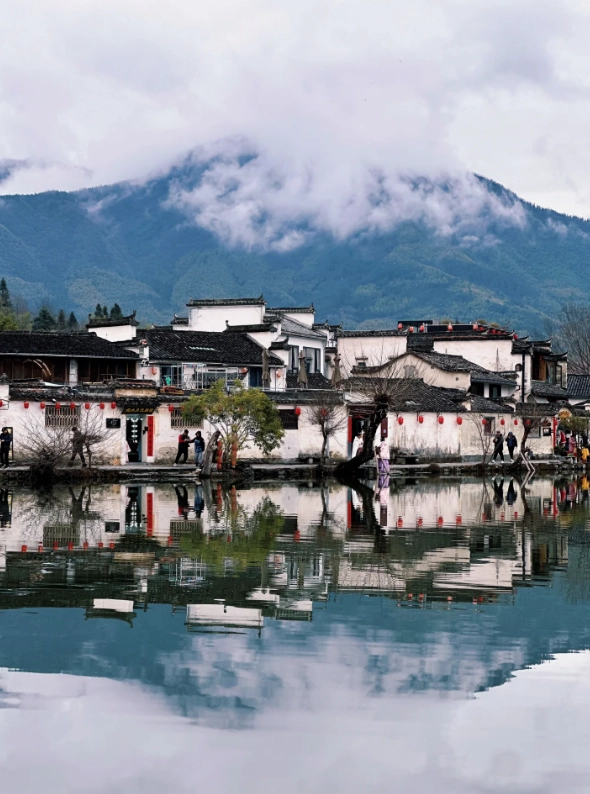
How to Plan a Trip to the Best Places in Huangshan
Planning is about your available time, not just the spots. Huangshan has two main transport hubs: the city (Tunxi) for ancient villages and old streets, and the Tangkou town at the eastern base of the mountain for accessing the peaks. Make sure you allocate each place enough time.
For a well-paced visit, I suggest at least 3 days. Here's a practical breakdown:
| Day | Focus | Suggested Spots | Ideal Duration |
|---|---|---|---|
| Day 1 | Mount Huangshan core | West Sea Canyon, Bright Summit, Flying Rock | 6-8 hours hiking |
| Day 2 | Mount Huangshan sunrise | Sunrise at Bright Summit, Greeting Pine, descend | 4-5 hours |
| Day 3 | Villages & culture | Hongcun, Xidi, Tunxi Old Street | 6-7 hours |
If you only have one day for the mountain, book the round-trip cable car and do a shorter loop: take the Yuping cable car up, see Greeting Pine, hike toward Bright Summit, then descend by the East Sea cable car. This gives you a taste of the ridge without going deep into the canyon.
But I'll be direct: one day is not enough to appreciate the best places to visit in Huangshan. You'll be racing from viewpoint to viewpoint and miss the ever-shifting clouds and the play of light.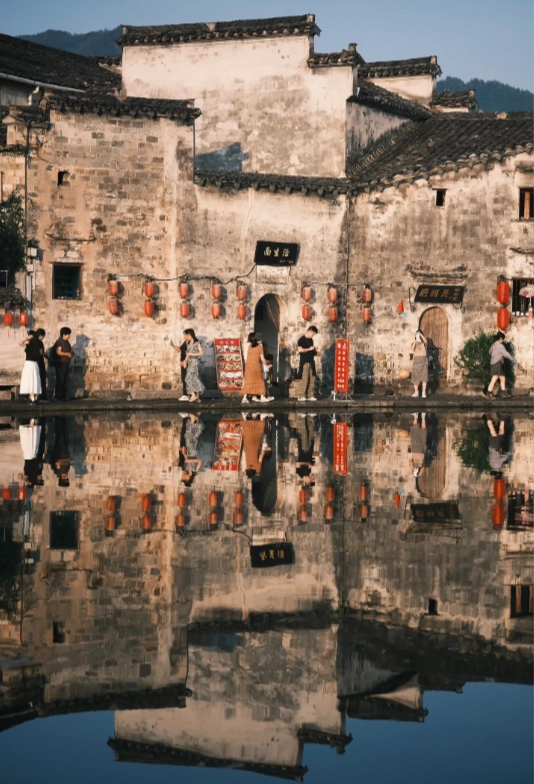
How to Get Around to the Best Places in Huangshan
Getting there is straightforward. Fly into Huangshan Tunxi International Airport (TXN), or take the high-speed train to Huangshan North Railway Station. From there, shuttle buses run to Tangkou (the mountain gateway) for about 30 RMB and 50 minutes.
For the ancient villages, local buses connect Tunxi to Hongcun and Xidi. You can also hire a driver for the day. I often use the "Didi" ride-hailing app (like Uber) for shorter trips; it costs about 150 RMB from Tunxi to Hongcun. In any car, make sure you show the Chinese address to the driver—tourist areas are well known, but always have it on your phone screen.
Now, a key warning: Google Maps is unreliable in China. Apple Maps works reasonably well in English, and it's what I recommend to my guests. For local accuracy, use the Chinese navigation app AMap (you can switch it to English). Even if it's only for seeing the road, it's worth having.
Payments: many buses, tickets, and restaurants accept WeChat Pay or Alipay. Cash and international credit cards are rarely accepted on mountain attractions. I always tell travelers to set up Alipay with their international Visa or Mastercard before arriving; it'll save you from carrying a pile of Chinese chips.
Don't forget a VPN for your phone—Google and many Western apps are blocked in China. Download Apple Translate or Baidu Translate for offline help.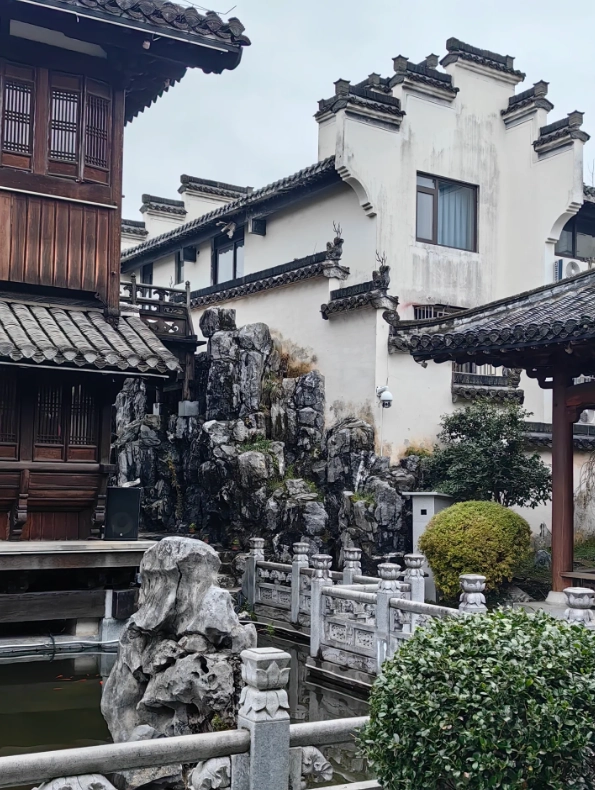
What Is the Best Time to See Huangshan's Highlights?
Season makes a huge difference. Also, the difference between seeing everything versus seeing gray mist can come down to one day, even one hour.
In general, the best months are April to June and September to October. The skies are clearer and the temperature is nice for hiking. July and August are green but also rainy and crowded; many attractions close during storms.
The most reliable "sea of clouds" effect happens in the cooler months, especially after a rain. The key is to avoid national holidays: Chinese Golden Week (the first week of October) and the Spring Festival (late January to February) turn every viewpoint into a human queue. If your schedule is flexible, book your mountain hotel around a weekday.
For the villages, late autumn (November) is ideal because of the autumn leaves and lower humidity.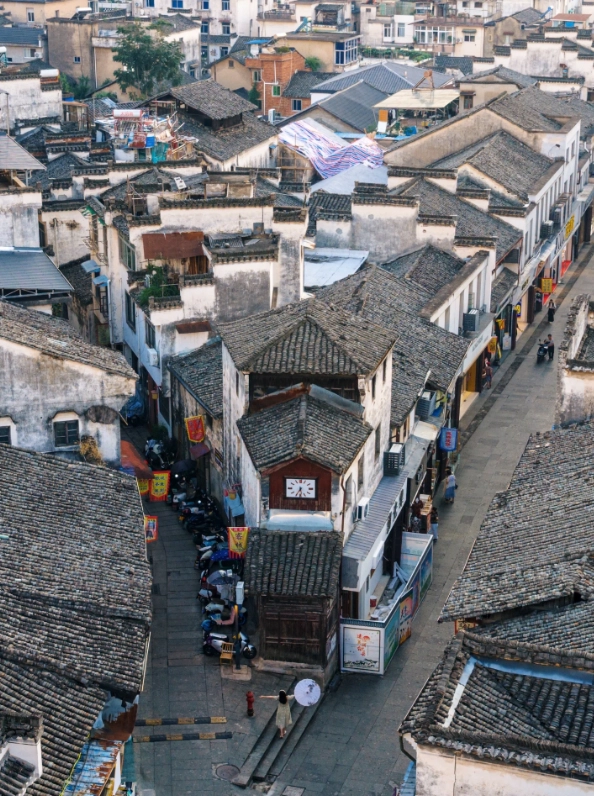
Where to Stay for Easy Access to Huangshan's Top Sights
Two main bases stand out:
- Tangkou Town — right at the southern gate of Huangshan park. Perfect if you want to start hiking early. Look for hotels near the shuttle station; the best known is the Anhui Grand Hotel, but any with good reviews on Trip.com works. Rooms range from 200-600 RMB per night in low season, more during holidays.
- Tunxi (the city) — better for ancient villages and local food. Stay near Tunxi Old Street (e.g., Huangshan Old Street Hotel). You can catch buses to the mountain from Tunxi, but you'll have to get up earlier.
If you want to spend a night in Hongcun, there are courtyard guesthouses where you can pay anywhere from 300 to 1,000 RMB. And yes, staying in the village after the gates close is magical.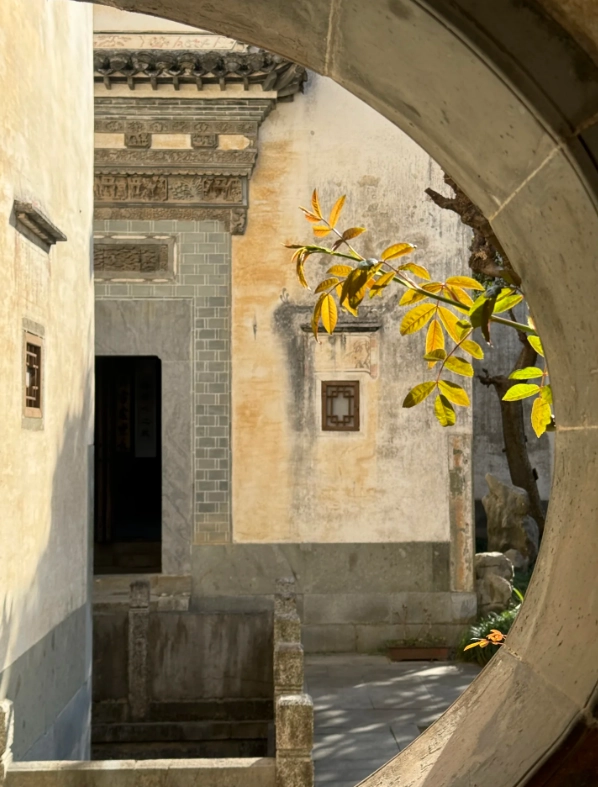
FAQs About the Best Places to Visit in Huangshan
This content has been fact-checked to ensure informational precision.





I almost skipped Taiping Lake because I thought it would be too low-key, but I’m so glad I didn’t. We rented a little boat for two hours and just let it drift. The lake is huge and surrounded by green hills that fade into the fog, and the only sounds were water lapping and birds calling across the surface. We saw an elderly fisherman in a tiny wooden boat, completely at peace. The nearby dock area has a few local shops selling fish jelly and cold drinks. It was the perfect slow afternoon after days of temples and tea houses. Highly recommend adding this to your list.
Qiyun Mountain ended up being the most memorable part of my whole Huangshan trip. The cable car drops you into a completely different world—Taoist temples hanging off the cliffs, incense smoke mixing with the mist, and the sound of bells echoing from the valley below. It’s not as punishing as the main peaks, but it feels just as dramatic. We even had a simple lunch of pickled greens and tofu at a small guesthouse near the temple, and it tasted like it came straight from the mountain. If you have even half a day to spare, go. Worth every step.
Xixinan is the kind of hidden gem you don’t find unless you’re really looking. The village stream runs right through the middle of town, and the old wooden houses reflect in the water like a painting that hasn’t changed in centuries. We sat on a tiny stone bridge at golden hour and watched a local grandpa fishing—he didn’t even glance up. No ticket gates, no souvenir carts, just everyday life. I honestly hesitated to write this review because I don’t want it to become crowded. If you love quiet corners and real village atmosphere, do not skip this.
Tangmo Village has real character—the water street running through the houses and the old ancestral halls are incredibly photogenic. We went on a weekday and had most of the lanes to ourselves, which made it feel very authentic. The only reason I’m not giving it a 5 is that some of the descriptions inside the buildings didn’t match our guidebook, and the little tea house by the temple only took cash. Still, it was a genuine, calm afternoon, and I’d advise anyone going to carry small bills and take their time wandering off the main path.
I really wanted to love this after reading the article, but the bamboo sea was more hassle than it was worth. The road in is super narrow, and our driver dropped us at the wrong gate with no English signs anywhere. The ticket seller looked annoyed when we asked for directions, and we ended up walking along the side of the road for 20 minutes just to find the actual trail. The bamboo itself is pretty, but I spent more time feeling confused than relaxed. If you already have a car and someone who can read Chinese, sure. Otherwise, I'd skip it.