 Hui Lin
Your Night Game Plan
- What to Do in Tianjin at Night: Hit the Night Markets
- What to Do in Tianjin at Night: Should You Take the Haihe River Cruise?
- What to Do in Tianjin at Night: Riding the Tianjin Eye – Is It Worth It?
- What to Do in Tianjin at Night: Stroll Through Wudadao's Illuminated Streets
- What to Do in Tianjin at Night: Explore the Italian Style Town
- What to Do in Tianjin at Night: Eat Like a Local
- How to Navigate Tianjin at Night: Transport and Payment Tips
- FAQ: What to Do in Tianjin at Night – Your Questions Answered
The first time I guided a group through Tianjin after dark, one couple wandered into a karaoke bar thinking it was a museum. I found them an hour later belting out Taylor Swift with a bunch of college students. That's Tianjin for you — unexpected, lively, and utterly without the PR machine of Beijing or Shanghai. If you're wondering what to do in Tianjin at night, I'll skip the generic listicle fluff and give you the real deal from years of leading tours here. Most travelers hit the highlights in daylight and miss the city's second personality. But here's the catch: navigating Tianjin at night used to be a maze of Chinese-only train ticketing, cash-only holes-in-the-wall, and a waterfront that felt deserted. Not anymore. I've mapped out the essentials — from the dazzling Haihe River cruise to the weirdest snack stalls in the night markets — so you can spend your evening wandering, not troubleshooting. And yes, I'll even show you how to pay with your phone before you get stuck.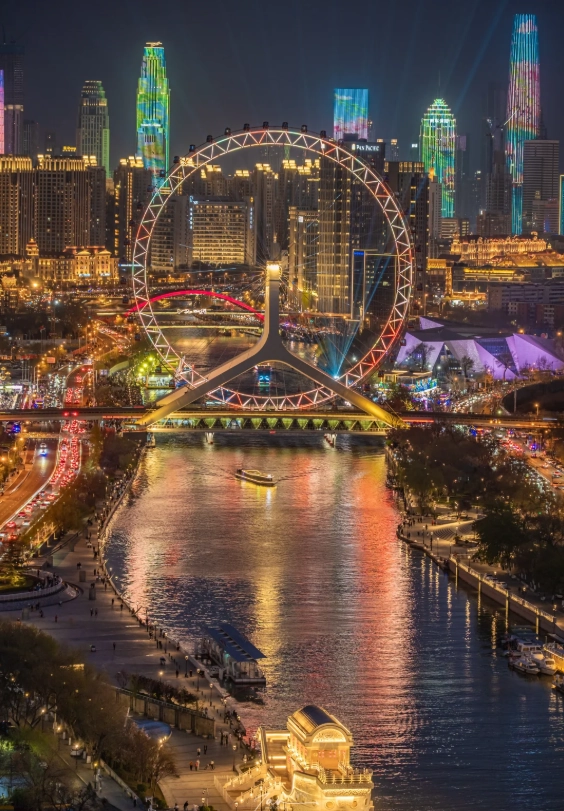
What to Do in Tianjin at Night: Hit the Night Markets
Start your night like a local: at a night market. Tianjin's markets aren't about Instagram-perfect aesthetics; they're about smoke, sizzle, and loud bargaining. The two most famous are Nanshi Food Street (南市食品街) and the Guwenhua Night Market (古文化街夜市). But here's my honest advice: Nanshi is more for tourists and has been hit-or-miss since the pandemic. I'd skip it unless you're craving a food court vibe. Instead, head to the Guwenhua area — it's pedestrianized, atmospheric, and offers a mix of snacks, trinkets, and local performances.
Nanshi Food Street: The Tourist Trap That Still Works
Nanshi Food Street is a giant quadrangle of food stalls that's most alive between 6 and 9 PM. Address: Intersection of Qingnian Road and Shuishang North Road (near Tianjin Eye). Opening hours: ~10 AM–10 PM, but peak night time is after 7 PM. You don't need a ticket, but carry small change for some stalls — though most now accept Alipay and WeChat Pay. If you only have an international card linked to Alipay, you're fine. Just don't expect to use a physical card anywhere. If you're adventurous, try 'miancha' — a warm, fermented grain drink that tastes like liquid bread. It's an acquired taste, I'll admit.
Honestly, the food here is average — think deep-fried everything and sugary sauces. But I've had a soft spot for the Goubuli buns (狗不理包子) despite the inflated prices. Just know that locals rarely eat here; we go to the actual street vendors for authenticity.
The Guwenhua Night Market: Where the Locals Actually Go
Guwenhua (Ancient Culture Street) transforms into a glowing corridor of red lanterns after sunset. Address: Nanmei Hou Street, Nankai District. Take metro Line 2 to Dongbeijiao Station (Exit C), then walk 5 minutes. From Tianjin Eye, it's a 20-minute walk across the river. Opening hours: ~9 AM–9:30 PM, but the market stalls start shutting down by 10; arrive between 7 and 9 for the best buzz. Entrance is free.
What to try: 熟梨糕 (steamed pear cake), 煎饼果子 (jianbing) from a stall with a long queue, and 锅巴菜 (guobacai). Most vendors accept Alipay, and a jianbing will set you back 15–20 RMB. You can also catch a glimpse of traditional paper-cutting artists working under the lanterns.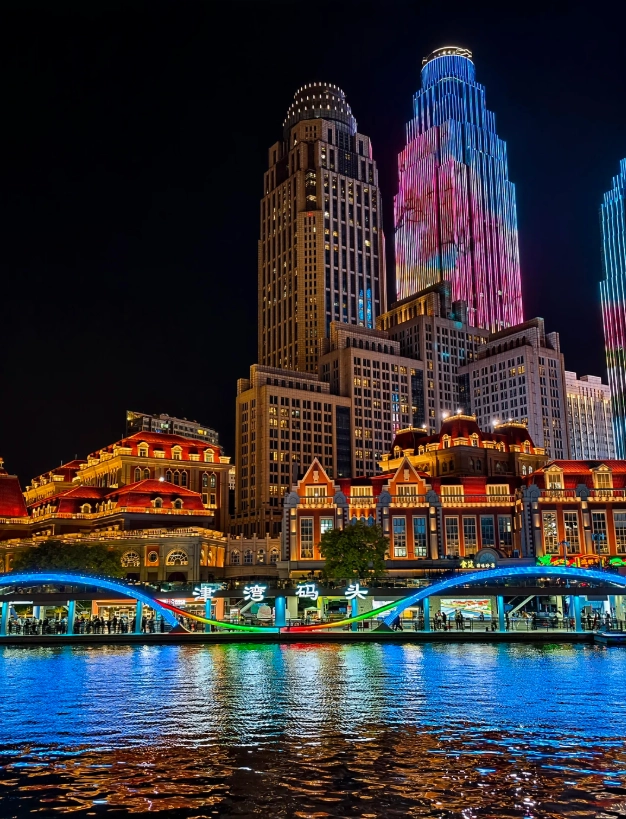
Insider tip: The crowd gets thickest around 7:30–8:00. If you want photo-worthy shots of the lanterns, come at 9:30 when the light is moodier and the crowds thin out.
How to Order Without Speaking Chinese
Just point at what the person in front of you is ordering — it's the universal language. If you want a safe bet, say 'zhe ge' (this one) while pointing. You'll get a smile. For jianbing, you can even watch the vendor assemble it and point at the toppings you want.
What to Do in Tianjin at Night: Should You Take the Haihe River Cruise?
Should you fork out around 100 RMB for a Haihe River night cruise? In one word: yes, but only if you time it right. The boats run along Tianjin's main waterway, passing illuminated bridges and landmark buildings like the Tianjin Eye and the Jinwan Plaza. It's a touristy experience, but the views genuinely change at night — the city glows like a string of glass beads.
The Cruise Details
Haihe River cruises depart from 5 or 6 major docks, but the most convenient for first-timers is the Jiefang Bridge dock (解放桥), right by the Tianjin Railway Station. You'll see boats leaving every 20–30 minutes. The full route takes about 50 minutes. Booking is essential — you can't just walk up and pay. Use Trip.com or Klook, which have English interfaces, or ask your hotel to book via the official WeChat mini-program (which is all Chinese and a pain, even for me). You'll need your passport to board. Prices: ~100 RMB per adult, half price for children under 1.2m.
What time to choose? Aim for the last departure — around 9:30 PM — to avoid the pre-sunset wave of tourists. You'll still see the lights, but you won't be squeezed shoulder-to-shoulder. Sit on the starboard side (right side) for the best view of the Tianjin Eye. The boats pass under 15 bridges, each lit in different colors — it's a light show on water.
Payment on board: There's a small snack bar, but they only take Alipay/WeChat Pay. Cash won't get you a drink.
Insider advice: Don't buy tickets from the touts near the dock. They'll overcharge you by 50 RMB or sell you a balcony seat that doesn't exist. Use the official channels.
Which Dock to Choose
If you're staying near the Tianjin Eye, take the Yongle Bridge dock instead of Jiefang Bridge. It's smaller, often less crowded, and offers a similar route. The English sign outside says 'Yongle Bridge' — just show that to a taxi driver.
What to Do in Tianjin at Night: Riding the Tianjin Eye – Is It Worth It?
The Tianjin Eye is a Ferris wheel over the Haihe River, and at night it turns into a giant glowing halo. But here's a reality check: it's not a thrilling ride — it's more about the slow, elevated view over the city's lights. If you're okay with that (and the 70 RMB ticket), it's a must-do for first timelines.
Ticket and Timing
You'll need to book a slot in advance — the wheel doesn't sell tickets at the site on most days. Booking: Use Trip.com or the official WeChat mini-program (same pain as the cruise). Bring your passport. The wheel operates daily from 9 AM to 10:30 PM, but night rides are the busiest. Try to grab a slot for 8:30 PM — that's when the sky turns deep blue and both the bridge and the river look their best.
Arrive 20 minutes early for security and boarding. The ride lasts about 30 minutes and holds up to 8 people per cabin. If you're a solo traveler, don't worry — you'll be matched with others. I've done it solo; it's fine. The Ferris wheel has 48 cabins, each with a transparent floor — for extra thrills, step onto the glass panel. Just don't look down if you're afraid of heights.
Wait time: Even with a ticket, you might queue 15-20 minutes in the peak season. It's all outdoors, so check the forecast. Also, the cabins aren't climate-controlled — in winter, it's freezing; in summer, it's stuffy. Dress accordingly.
My personal take: The view is great, but I've also seen many clients arrive when the wheel is closed due to wind. Check the day's operation status on the official website or Trip.com comments before you go.
Accessibility and Good-to-Knows
The Tianjin Eye is not wheelchair accessible — you'll need to climb a small staircase to board. There's a ramp for the ticket office, but the boarding area is on a platform that's inaccessible. If you have mobility issues, the Haihe cruise is a better option.
What to Do in Tianjin at Night: Stroll Through Wudadao's Illuminated Streets
Wudadao (五大道) is a historic area with a mix of Western-style villas from the early 1900s. Sunny days bring tourists, but after sunset, the streets empty and the lamplight paints the facades in amber. It's the perfect free activity for a quiet, romantic walk.
The Best Walking Route
Start at Chengdu Road (成都道) and amble south along the parallel streets—Chongqing, Changde, and Machang. The whole loop is about 4 kilometers. If you have limited time, focus on Machang Avenue (马场道) and the area around the Former Residence of Qing Dynasty Prince Gong. Street signs are in English and Chinese, so you won't get lost.
Safety: I've walked these streets until midnight countless times. It's plenty safe, but the lighting on some side alleys is dim, so have your phone flashlight ready.
Photography tip: The best shot is from the corner of Changde and Chongqing Roads, where two lanes of villas create a straight line leading to the Tianjin Eye in the distance. Bring a tripod if you have one.
Don't miss: The area has a few small museums and galleries that often have evening openings (some until 8 PM). Check the Tianjin Museum website or ask your hotel for current listings. In the 1920s, this area was the most exclusive residential quarter in China, hosting warlords and celebrities. Now, many villas are turned into boutique cafés.
Where to Grab a Coffee or Tea
The most charming café is 'Soloist Coffee' on Changde Road. It's inside a restored villa with mismatched vintage furniture. They open until 10 PM on weekends. A latte costs about 35 RMB. It's a perfect rest stop halfway through your walk.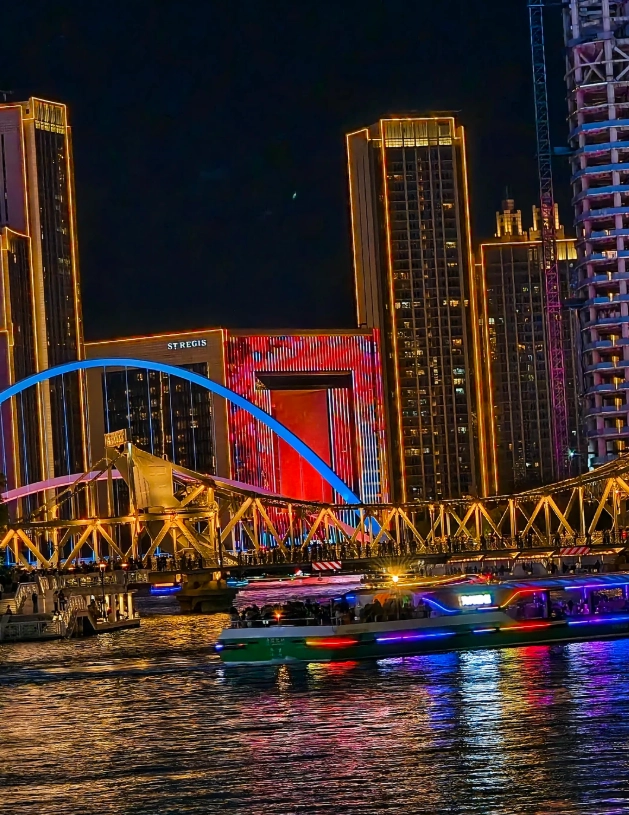
What to Do in Tianjin at Night: Explore the Italian Style Town
Tianjin's Italian Style Town (意式风情区) is a former Italian concession filled with cobblestone streets, vintage-style cafés, and plenty of live music. It's the city's nightlife hub — loud, proud, and a bit camp. If you're solo or a couple, you'll fit in; if you're a solo traveler, it's a great place to meet people.
The area is basically a grid of bars and restaurants around the Piazza del Duomo replica (well, not a replica, but a square). Most venues host live bands playing covers of Western songs until 1 AM. Entry is free, but drinks are pricey — a beer starts at 30 RMB, a cocktail at 60. Pay with Alipay; most bars don't accept cards.
Address: Next to the Haihe River, bounded by Minzu Road and Dongfang Avenue. Take metro Line 2 to Jianguo Road Station (Exit B), then walk 5 minutes. The area used to be the only Italian concession in Asia, and the buildings are authentic Mediterranean style — a strange contrast with the Chinese street food stalls.
Insider tip: Do not eat here. The restaurants along the main square are overpriced and mediocre. I always tell my clients to head to the smaller alleys — one block west, you'll find local street eats that cost half the price. Look for a stall selling 'guidao' (frozen juice bars) — my personal favorite on hot nights.
If you're not into party scenes, visit before 10 PM for a leisurely stroll and the charming architecture. The crowds really start after 10, and it can get rowdy.
Pick Your Bar Wisely
The 'Blue Frog' on the main square is the most tourist-friendly — they have an English menu and accept international cards. But it's also the loudest. If you want something quieter, walk two blocks east to 'Sip & Smoke' — a speakeasy-style place with craft cocktails and mostly locals. Tell the doorman you're from out of town; he'll let you in.
What to Do in Tianjin at Night: Eat Like a Local
Tianjin at night is a food lover's playground, but you need to know where to go beyond the tourist hubs. Here are my three go-to spots that I bring every friend to.
- Jianbing at the Huangye Maodu stall on Nanshi Street (yes, I'm contradicting myself, but grab one from a street hawker near the market entrance).
- Ersouliang (二嫂凉) — a small shop famous for its cold noodles with sesame sauce. Spicy, sweet, and numbing. Address: Lane 7, Hebei Road, Heping District. Open until 10:30 PM. A bowl costs about 25 RMB.
- Goubu Li, but only the one on Shandong Road (not the big tourist branch). Order the steamed buns filled with pork and crab roe. They're tiny, so get 6.
These places accept Alipay and WeChat Pay, but keep a bit of cash for small bills. If you're vegetarian or halal, say so at the counter; they'll adjust.
Avoid anything that looks like a set meal for tourists. Go where locals line up — look for shops with queues of office workers after 7 PM.
Street Food Vocabulary
Learn a few quick words to make ordering easier. 'Bu la' means not spicy, 'shao yixie' means a little, and 'zhe ge' means this one. You'll be amazed how far this gets you.
For dessert, try 'ba ban' — a sweet rice ball filled with sesame and sugar. The best vendor I know is near the corner of Shandong Road and Nanmenwai Avenue.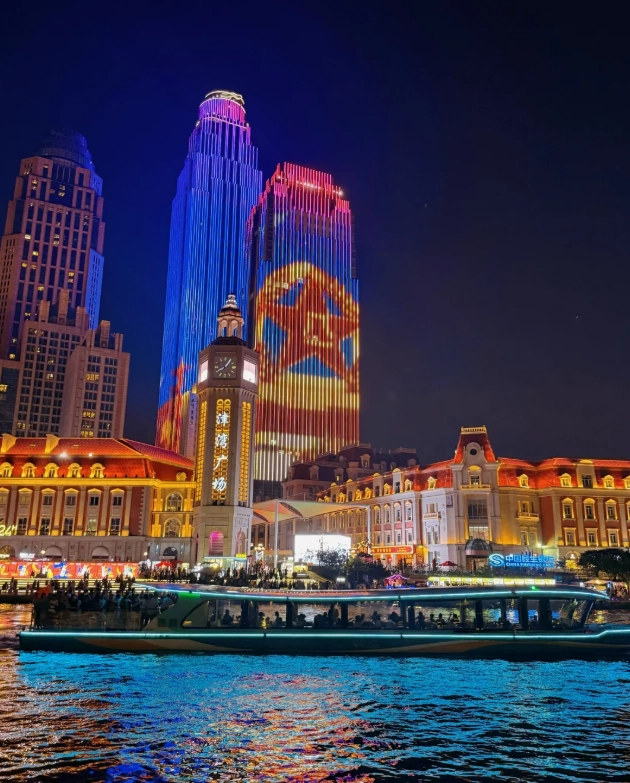
How to Navigate Tianjin at Night: Transport and Payment Tips
Now, the boring but critical stuff — getting around and paying. Let me save you from the frustration I see every single week.
Getting Around by Metro and Taxi
Tianjin's metro runs until about 10:30 PM, which is fine for most plans, but for late nights you'll need buses or taxis. Metro: Lines 1, 2, and 3 cover most key spots. Buy a single ticket with cash or use the AMap app to pay for metro tickets via QR code. If you have an Alipay, you can also link your transport card in the app.
Taxi/DiDi: DiDi is the Chinese Uber. Set your drop-off in the app and pay with Alipay. At night, expect a surge after 10 PM. If you hail a regular taxi, have your destination written in Chinese — show it to the driver. Avoid unlicensed cabs near tourist spots.
Walking: The Haihe riverfront is walkable between major attractions. I'd rather walk 20 minutes than wait for a taxi in peak traffic.
Ride-Hailing vs. Traditional Taxis
DiDi is almost always cheaper and more reliable than a street taxi at night. Plus, you can type in the exact address in English and the driver will follow the in-app map. For street taxis, always insist on the meter — if they refuse, wave down another one.
Paying Without Cash: It's Alipay or WeChat Pay
Most places in Tianjin — even the smallest snack stall — accept Alipay and WeChat Pay. They don't care if you're foreign; they just scan the QR code. Make sure you add your international credit or debit card to Alipay before you arrive. You can do this in the app under 'Bank Cards'. Note: WeChat Pay is also widely accepted, but I find Alipay more intuitive for payments.
What about cash? Some smaller vendors and older cabbies might not take cash. Always carry 200-300 RMB in small bills for emergencies.
Using Your Phone for Maps and Translation
Google Maps is blocked in China, and even if you have a VPN, it's often inaccurate for local streets. Use Apple Maps (yes, it's surprisingly accurate) or download a local app called AMap Global (高德地图). Both offer English interfaces. For translation, use Apple Translate or Baidu Translate. I always tell my group to download offline packs before arriving.
VPN: Yes, you'll need a VPN to access Google, Gmail, Instagram, and other blocked services. Set it up before you land — app stores in China won't have them.
Data: Buy a local SIM card at the airport or get an eSIM from a provider like Holafly or Airalo. They're reliable and data-cheap.
Quick Comparison of Night Activities
| Activity | Cost (RMB) | Duration | Booking Needed? | Best Time |
|---|---|---|---|---|
| Haihe River Cruise | ~100 | 50 min | Yes (online) | 9:30 PM departure |
| Tianjin Eye | 70 | 30 min | Yes (online) | 8:30 PM |
| Night Market (Guwenhua) | Free (food extra) | 2-3 hours | No | 7–9 PM |
| Italian Style Town | Free (drinks extra) | 1-2 hours | No | After 9 PM |







No comments yet.