 Chen Liu
Skip to the Good Stuff
I lost a client at the railway station once. He booked a hotel in downtown Shiyan, but the mountain entrance is 45 minutes east. That mistake cost him three hours. You won't make it if you read this. Your 3 days in Shiyan can be fantastic, but the online advice is scattered. Google Maps stops working here, cash is useless, and the summit trail is steeper than you'd guess. I've been guiding here for a decade, and I can tell you exactly where to go. Here's the shortcut: spend Day 1 at the mountain base, Day 2 on the summit with the sunrise, and Day 3 in the city for food and culture. Book all tickets on Trip.com or Klook—not WeChat. And wear shoes you can destroy. Now, let's dive in.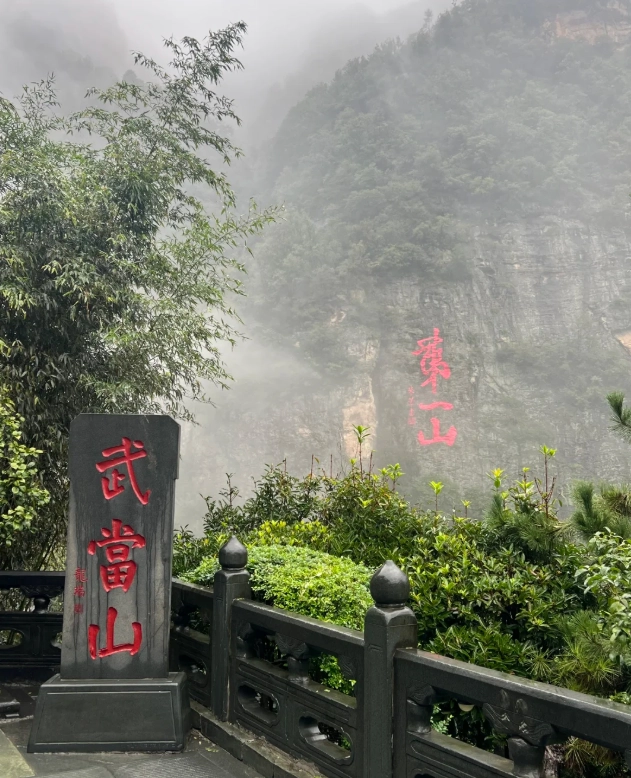
Arrival & First Impressions
Before you worry about the summit, you need to get your feet on the ground in Shiyan. This area is split between the city itself and the Wudang Mountain scenic area, which is about 45 minutes to an hour away by taxi or bus. Here's how to handle arrival.
How Do You Get to Shiyan?
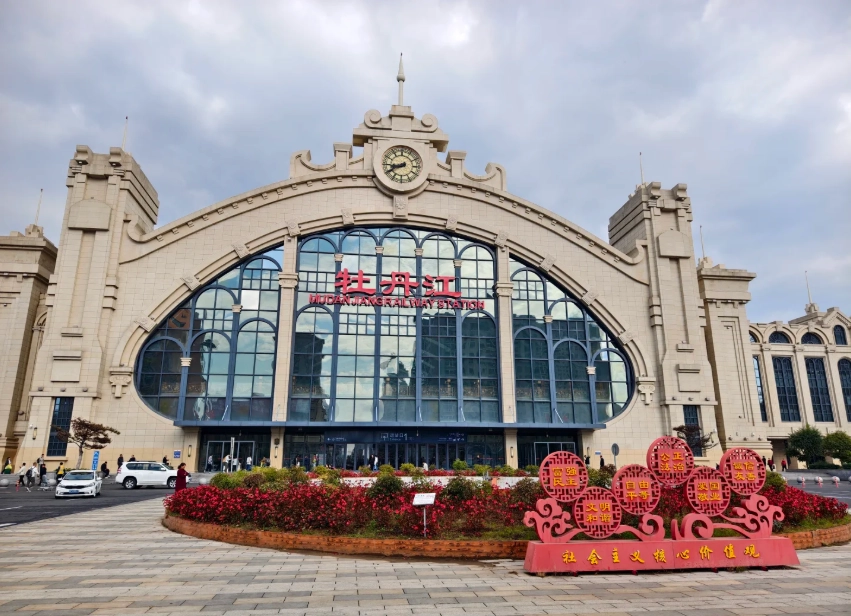
Take the high-speed train from Wuhan, not a flight. The bullet train from Wuhan to Shiyan East runs every hour and takes around 2 hours. You can book on 12306 or Trip.com with your passport. The airport at Wudangshan has limited domestic flights, so the train is simpler and more reliable.
From Shiyan East Railway Station, you have two options: take a taxi to your hotel or take a public bus to downtown. Taxi to downtown is about 20–30 RMB; to Wudang town it's more like 80–100 RMB. I always tell my clients to pre-book a car through their hotel or use Didi—the local ride-hailing app. Didi works with English interface? Not fully, but you can ask your hotel to set it up.
Where Should You Stay: Wudang Town or Shiyan City?
Stay in Wudang town if you want to beat the crowds. The summit opens early, and the early birds avoid the tour groups. Wudang town is crowded with hotels and restaurants, but it's a 10-minute walk to the scenic area entrance. I've stayed at a few budget hostels here (around 150–200 RMB/night) and mid-range hotels (300–500 RMB/night). The Wi-Fi is usually decent, but don't expect luxury unless you pay. If you prefer nightlife and food variety, stay in Shiyan city. The city is 45 minutes away, so you'll need to start earlier. A clean business hotel near Renmin Road is a solid choice.
| Area | Distance to Mountain | Price Range (per night) | Best For |
|---|---|---|---|
| Wudang Town | 10-min walk | 150–500 RMB | Early risers, summit startups |
| Shiyan City | 45-min taxi | 300–600 RMB | Foodies, nightlife, business |
Day 2: The Summit Day
Now the real adventure. You'll want to start at 6:30 AM. The mountain is huge, so you need a plan.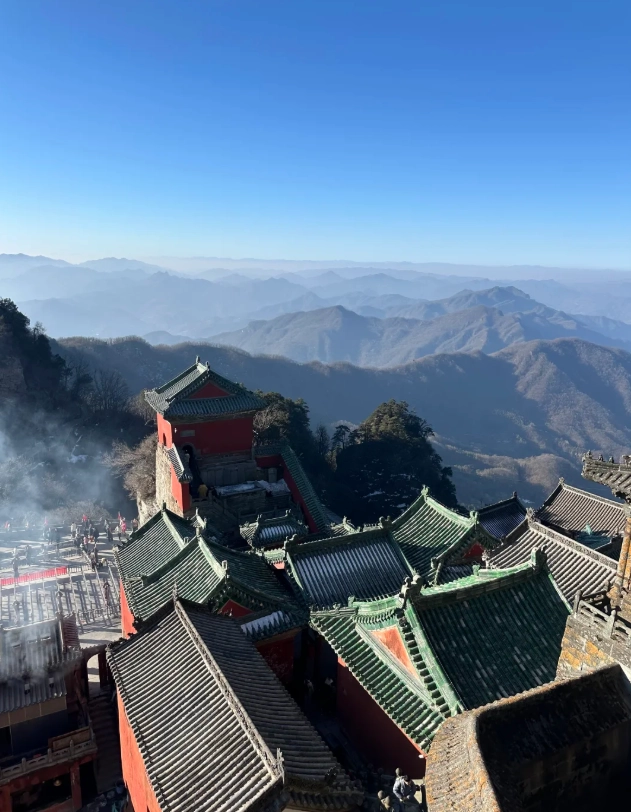
How to Book Wudang Mountain Tickets in Advance
You must book Wudang Mountain tickets in advance. Entrance is around 130 RMB for the mountain ticket plus 100 RMB for the bus (mandatory unless you walk). The bus system connects all major scenic stops. You'll also need to present your passport. I recommend booking through Trip.com or Klook to avoid the Chinese-language WeChat mini-program. Even I get lost in that interface.
For the cable car, it's extra: around 80 RMB one way, 150 RMB round trip. The cable car saves you the steepest climb but skips some beautiful views. I'll tell you the best route below.
The Climb Route: My Secret Combo
Here's the route that works even on crowded days:
- Take the first bus from the entrance to Nanyan (South Rock). This area has dramatic cliffs and the famous "Dragon Head" incense burner. It's less crowded in the morning because most groups go straight to the cable car.
- Walk from Nanyan to Zixiao Palace, the largest Taoist temple in the mountain. It takes about 30 minutes on flat trail. The palace opens at 8:30 AM, and the incense smoke smells incredible.
- From Zixiao, walk to the cable car station for Jin Ding (Golden Summit). If you're brave, you can hike the 5 km staircase, but it will take 2–3 hours and your knees will scream. My advice: take the cable car up, explore the summit, then walk down to Nanyan if it's not too late.
I always tell my clients: Don't start with the cable car. The view gets blocked by tour groups by 10 AM, and you'll stand in line for 90 minutes. By going through Nanyan first, you're ahead of the wave.
On the summit, you'll see the Golden Hall (Jin Dian), which is a Ming dynasty bronze structure. It's worth the wait. Just remember to touch the bronze for luck, but avoid the slippery steps.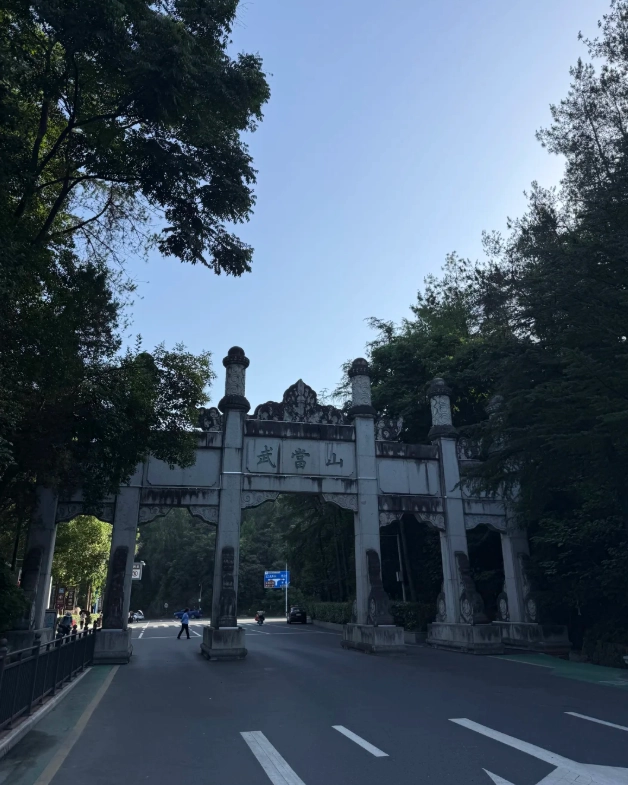
Food and Water on the Mountain
Pack your own lunch. The mountain restaurants are mediocre and expensive—a simple noodle bowl can cost 40 RMB. I stash a couple of Mantou (steamed buns), boiled eggs, and a water bottle in my bag. You can also find small stalls selling sweet potatoes and tea, but they're not always open.
For dinner, head back to Wudang town and look for a hotpot place with a picture menu. Ordering is easy, and you'll burn enough calories walking, so don't hold back.
Day 3: City & Culture
You've conquered the peak. Now, slow down and explore Shiyan's human side.
Museums and the East Is Red Factory
Shiyan is the birthplace of Dongfeng Motor, so you'll find a strong automotive culture. The Shiyan Museum on Renmin Road has a decent collection of ancient artifacts, but the real gem is the "Dongfeng Motor Plant" tour. It's a working factory, so you need to book in advance through your hotel or a local agency. The factory is huge, and the tour gives you a glimpse into China's industrial engine. I once took a group here, and even the car enthusiasts were amazed.
If you're into Taoism, visit a small Taoist temple in the city, but it's not as impressive as the mountain. You might be better off staying longer at Wudang.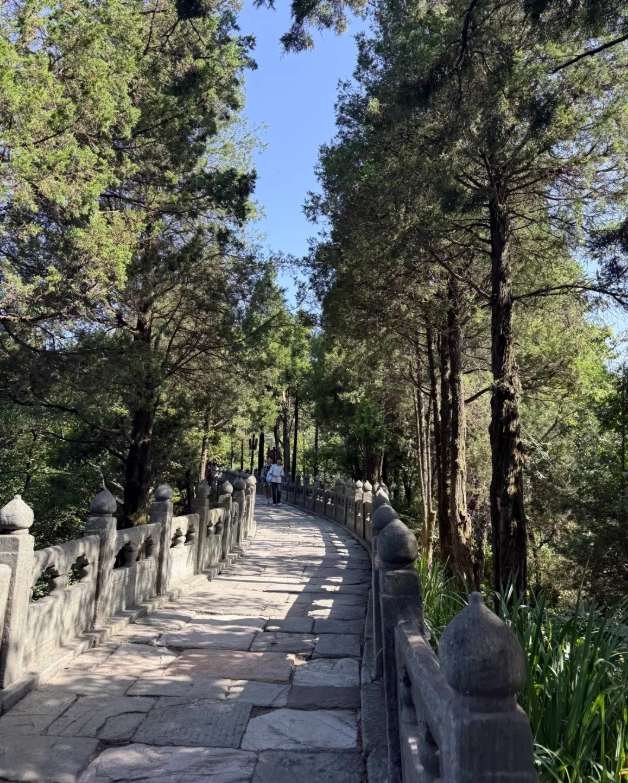
Street Food Route in Shiyan City
Forget the flashy restaurants. The street food is where Shiyan shines. Start on Renmin Road and walk into the old alleys. Here's my tasting plan:
- Xiangyang Beef Noodles — a local breakfast staple, spicy and sour, with a chili oil that'll clear your sinuses.
- Local sour-soup noodles — chewy noodles topped with a soybean sauce. They're vegetarian and cheap.
- Wudang Dao Tea — buy this as a gift; it's a green tea from the mountain.
Look for the stall with the longest queue. That's a sign of good food. I always tell my clients to bring small bills because street vendors often don't accept cards or even WeChat if you don't have it. That's another reason to keep some cash.
Navigation & Payment Tips
This is the boring logistics, but ignore it and you'll lose a day.
Apps You'll Need Before You Arrive
Download these before you land:
- Alipay and WeChat Pay — set them up with your international visa card. Many vendors only accept these mobile payments.
- AMap (Gaode Maps) — it's the Chinese Google Maps, and it's accurate. Apple Maps also works, but Google Maps is unreliable in China.
- A VPN — without it, Google, Instagram, and your messaging apps won't work. I recommend ExpressVPN or AstroVPN.
- Google Translate or Apple Translate — because almost no one in Shiyan speaks English.
Getting Around in Shiyan
Taxis are cheap but can be confusing. The meter starts at 7 RMB. If you want to go to the mountain, the driver might ask for a flat fee of 100 RMB. That's reasonable if you're sharing. Didi (Chinese Uber) is even better, but the app is in Chinese. You can switch the language to English, but the address input still requires Chinese. So, always have your hotel's business card in Chinese, or show the driver a map pin. For buses, they cost 1–2 RMB, but you need exact change or a transit card. I'd avoid buses if you're not comfortable with the language.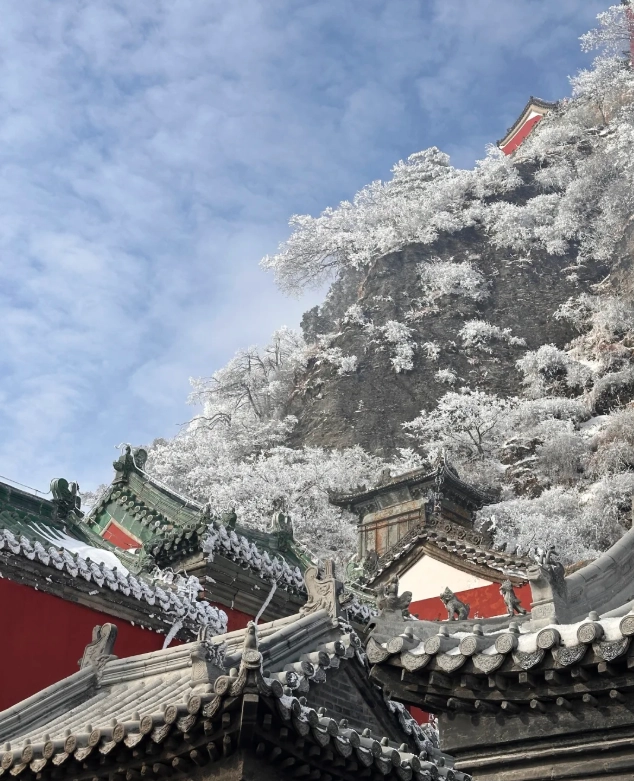
Pro Tip: Save a screenshot of your hotel's name in Chinese and a map pin. Show it to any taxi driver, and they'll know exactly where to go. This saves you from broken Mandarin conversations.
FAQ
Frequently Asked Questions
Final Thoughts
3 days in Shiyan is a wild ride. You'll climb ancient steps, breathe in Taoist incense, and eat noodles that make your nose run. I've taken dozens of groups here, and the ones who follow this plan never miss the summit or lose their lunch to a bad map.
Remember: book early, wake earlier, and treat every local with a smile. If you're stuck, find a young person—most can translate with their phone. And whatever you do, don't pack a suitcase full of cash. You'll be fine.
Now go. The mountain is waiting.
Verified and fact-checked by the editorial team.






Decent intro to Wudang, but I'm not sure it deserves all the hype. The itinerary leans heavily on the cable car and the standard tourist route, which means you miss the quieter, authentic side of the mountain unless you do extra research. They call some spots 'hidden gems,' but they were full of tour groups when I went. The cost estimates also felt outdated—food and shuttle prices have gone up, and the budget options are not really explored. If you're a fit backpacker, you'll be better off combining this with local advice or a proper hiking book.
Solid itinerary overall. We managed to see all the main sights over three days without feeling completely wrecked, so that’s a win. I especially appreciated the suggestion to end Day 1 at Nanyan Palace—the cliffside pavilion looks magical in the late afternoon light. My only gripe is that the timing estimates are a bit optimistic; we lingered at the palaces much longer than the guide predicted, and by Day 3 we were running behind. Also, a few more rainy-day alternatives would have been useful. Still, a good foundation for planning your own trip.
We nearly skipped Wudang because of logistics, but this itinerary made everything click. The transportation section is a lifesaver—it clearly explained the options from Shiyan airport to the mountain, including the shuttle bus prices and how to avoid getting scammed by drivers. We followed their advice to enter via the South Rock gate and exit at the cable car station, and it worked perfectly. Even the little details, like which temple has the best public restrooms, show that the author actually walked every step of the route. Highly recommend printing this out before you go.
I usually never plan ahead, but this article convinced me to follow a proper itinerary and I'm glad I did. As a solo traveler, I liked that the day breakdown didn't feel rushed—it actually left time for sitting quietly at the temples and taking photos without chasing a bus schedule. The recommendations for local food were also spot on, especially the Wudang tofu and wild vegetable dishes near the mountain gate. Only minor thing: the hiking times are a bit ambitious. Still, a five-star resource for anyone visiting Shiyan.
Just came back from Wudang and honestly this guide saved me. The 3-day structure is perfect—we did the South Rock loop on day 2 and the Golden Peak sunrise on day 3 with zero scrambling. Their advice to take the earliest cable car made a massive difference; we only waited about 10 minutes while the afternoon crowds looked brutal. Also the tip about staying near Zixiao Palace for sunset was a highlight—watching the red walls glow against the valley fog was unreal. If you only read one Wudang itinerary, make it this one.