 Ting Chen
- My Honest Take: Is Anshun Safe for Tourists?
- The Real Risks in Anshun (and How to Avoid Them)
- How to Stay Safe While Visiting Huangguoshu Waterfall
- Is Anshun Safe for Solo Female Travelers?
- How to Navigate Anshun Safely (Transportation and Payment)
- Practical Safety Concerns: Language, Medical Care, and Emergency Numbers
- Final Safety Checklist for Your Anshun Trip
- Quick Answers to Common Safety Questions
Let me paint you a scene. It's 8:30 AM at Anshun's main bus station. Street vendors are grilling sticky rice wraps, and a taxi driver is doing his best to sell a “tour” to a couple from England. That couple? They're my clients. And the driver's price is triple what it should be.
That's the kind of hustle you'll find in Anshun — not violence, not pickpocketing (usually). So, is Anshun safe for tourists? After guiding groups here for over a decade, I can tell you: yes, overall it's safe, but the devil is in the small stuff — overcharge, traffic, and a few surprisingly busy spots.
Here's my bottom line upfront: Anshun is as safe as any Chinese city for foreigners. You have to worry more about crossing the street than getting robbed. But that doesn't mean you can throw caution to the wind. Let me walk you through what's actually dangerous here and how to make your trip completely worry-free.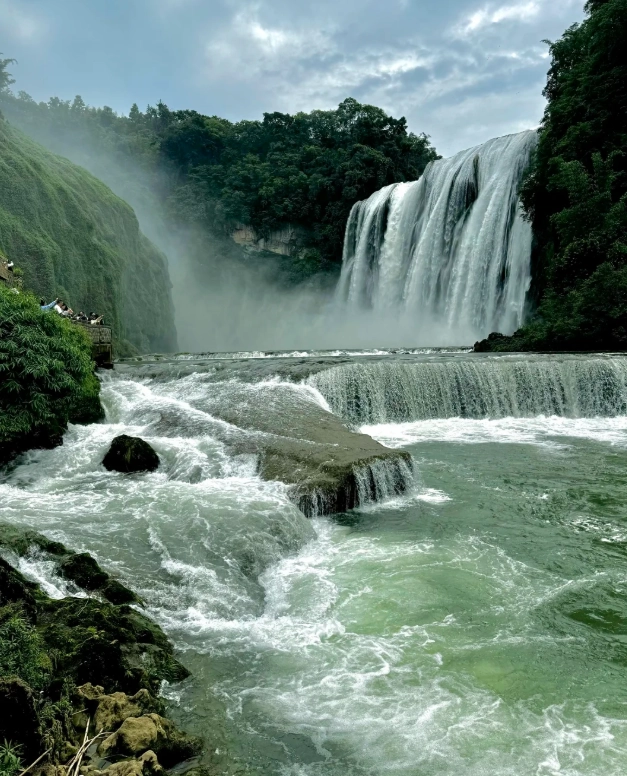
My Honest Take: Is Anshun Safe for Tourists?
On a scale of 1 to 10, I'd give Anshun a solid 8 for tourist safety. That's better than most Chinese cities I've visited. You won't find street gangs or muggings here. But you will find uneven sidewalks, wild scooters, and taxi drivers who think every foreigner is a walking ATM.
I've personally taken dozens of groups through Anshun — from first-time backpackers to 70-year-old couples. In all those years, I've had exactly three incidents worth mentioning: one client sprained an ankle stepping off a wet stone stair, one almost got scammed by a fake monk demanding a donation, and another got pickpocketed at the Huangguoshu waterfall entrance, but he had his wallet in the back pocket of his jeans. You see the pattern? It's not criminal masterminds. It's everyday carelessness.
So, yes — Anshun is safe for tourists, provided you use common sense and follow the specific advice in this article.
The Real Risks in Anshun (and How to Avoid Them)
Let's break down the real dangers you'll actually encounter — and what to do about them.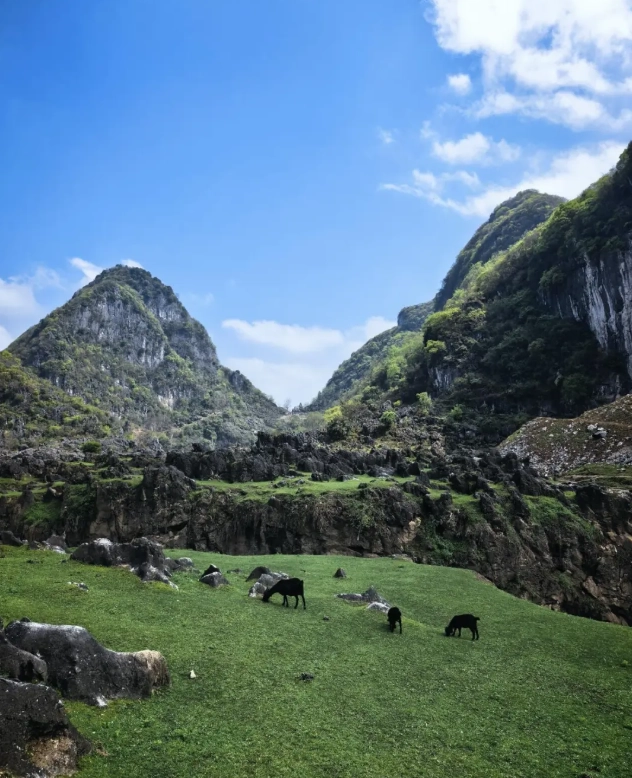
Traffic and Reckless Driving
The biggest physical danger in Anshun is traffic, not crime. Like many Chinese cities, the roads are shared by cars, scooters, bikes, pedestrians, and the occasional cow. Crosswalks are often suggestions, and red lights are treated as a “pause for thought.”
Here's how I handle it with my groups: I always push clients to use pedestrian bridges when available, and I teach them the “Chinese crossing” — look both ways, keep moving at a steady pace, and make eye contact with the driver. You never want to run or stop suddenly in the middle of the road. Also, avoid walking with headphones on in traffic zones.
One more thing: watch the sidewalks. Missing tiles, open drain holes, and electric scooters that jump onto the pavement are common. Keep your head up and your phone away.
Tourist Scams: Overcharging and the “Incense Trick”
The most common scam here is overcharging for transport and attractions. Taxi drivers might “forget” to use the meter, or a “friendly local” might offer to guide you to a “special waterfall entrance” that doesn't exist.
Let me save you money: use DiDi for all rides, and always decline unsolicited “guides.” At religious sites, there's a classic trick — someone hands you a small offering item like incense, then demands payment. Politely hand it back and say no, thanks.
Another thing: never take money out of your wallet in the middle of a negotiation. Show the driver or vendor a single bill and let them give change. This minimizes the chance of getting shortchanged.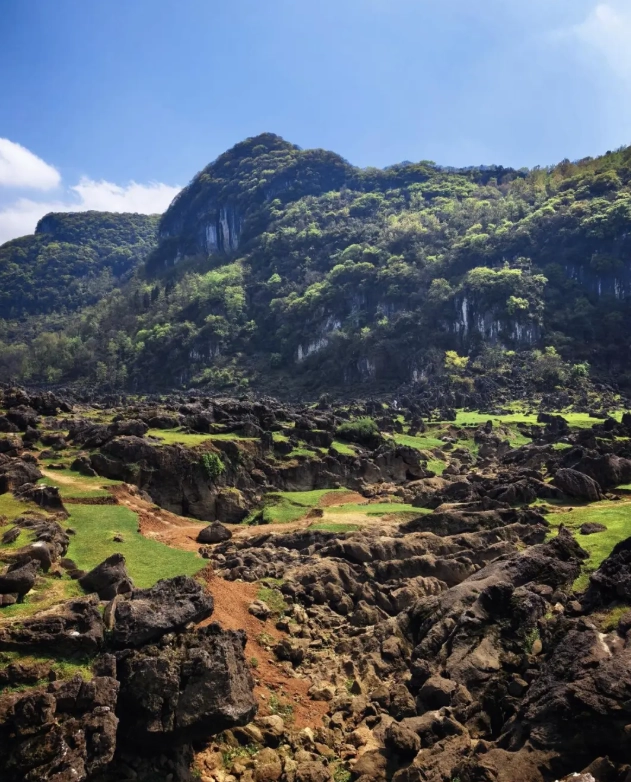
Crowded Spots and Pickpocketing
Pickpocketing is not a serious problem in Anshun, but it happens in crowded tourist bottlenecks. The worst spot is the entrance queue for the Huangguoshu shuttle bus, especially in the morning and at festival times.
I always tell my groups: keep your passport and extra money in the hotel safe, and carry only one day of cash or your phone. Put your phone in a cross-body bag, not your back pocket. When you're taking photos at the falls, sling your bag to the front.
| Risk | Likelihood | Impact | How to Avoid |
|---|---|---|---|
| Traffic accidents | Medium | High | Use pedestrian bridges, watch for scooters |
| Taxi overcharging | High | Low | Use DiDi, agree on price first |
| Pickpocketing | Medium | Medium | Keep wallet in front pocket, use cross-body bag |
| Scams (incense, fake guides) | Medium | Low | Decline unsolicited help, hand back items |
How to Stay Safe While Visiting Huangguoshu Waterfall
Huangguoshu is the big draw of Anshun, and it comes with its own set of safety issues. Here's the real deal after dozens of visits.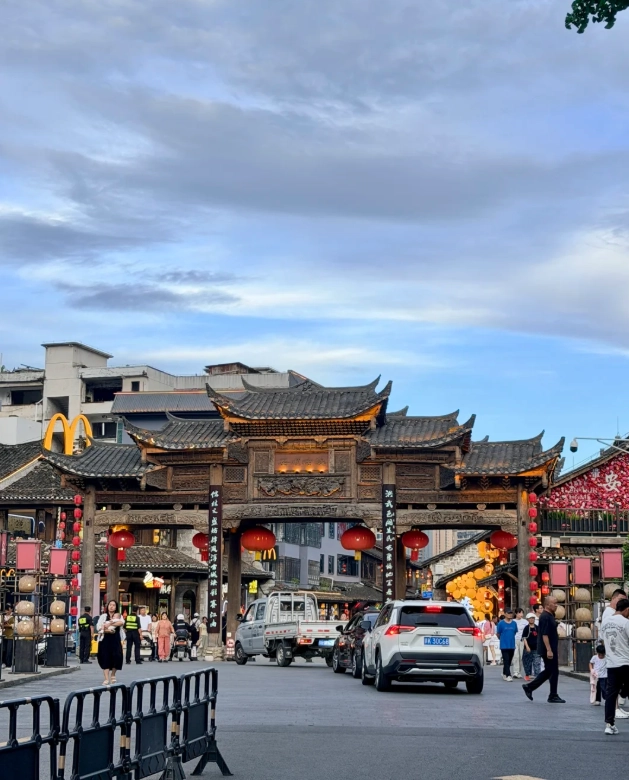
The Wet Boardwalk and Slippery Steps
The number one safety issue at Huangguoshu is slipping on the wet walkways. The mist from the waterfall makes every stone path permanently wet, and some sections have steep steps. I've seen people in flip-flops skidding like they're on ice.
Wear shoes with real grip, even if you're from a warm country. And if you're visiting in the rainy season (May to August), buy a cheap rain poncho — the mist will soak you while you're trying to photograph the falls. It sounds obvious, but you'd be shocked how many people wear canvas shoes.
Also, hold onto the handrails when they're provided. There are places where to get the classic “shower” view, you'll walk directly behind the waterfall. That part is safe, but the path is narrow and slippery.
Getting to Huangguoshu and Back Safely
The drive from downtown Anshun to Huangguoshu takes roughly 45 minutes to an hour, but the roads can be tricky in wet weather. If you're hiring a car or taxi, agree on the price in advance or use DiDi. Not all taxis in Anshun are metered for long trips, so a “fixed price” is normal. Just make sure you settle it before you start.
Another thing: if you're taking the tourist bus from Anshun Central Bus Station, buy a return ticket at the same time. In the afternoon, the line for the return bus can be long, and once it's full, you'll wait another 30 minutes. Security is fine on the bus, but your wallet is safer in your front pocket while you're jostling to board.
Finally, don't let any “helpful” driver talk you into a “local entrance.” The official entrance is the only one that works, and the turnoff is well signposted. The real risk is being dropped off at a wrong gate and having to walk 20 minutes along a busy road.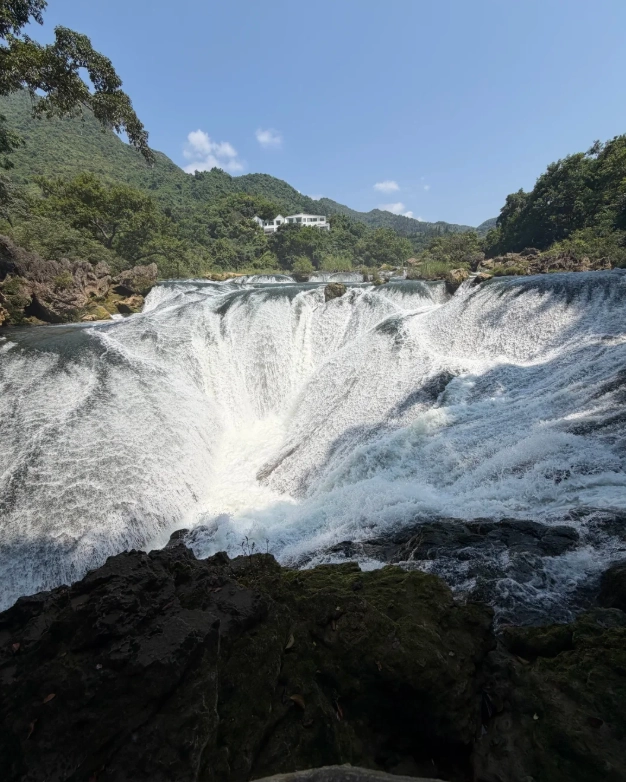
Avoiding Crowds and Heatstroke
The biggest non-crime risk at Huangguoshu is simply the heat and the crowd. In summer, the temperature can hit 30°C plus, and you're queuing in direct sunlight. Heat exhaustion is real.
Here's my insider tip: arrive at the park when it opens at 7:30 AM. That's not just smart for safety, it's smart for photos. The queue at the shuttle bus is minimal, and you'll have the boardwalk nearly to yourself. Nobody talks about that. They talk about the stunning view, but they never mention that at 11 AM you're elbow-to-elbow.
Also, carry water. You can buy it cheaply outside the gate, but it's more expensive inside. And I highly recommend bringing a hat and sunscreen, even if it's overcast. The sun at 4,000 feet of altitude is stronger than people expect.
Is Anshun Safe for Solo Female Travelers?
Yes, Anshun is generally safe for solo female travelers, but there are a few cultural and practical things you should know. I've had many female clients travel solo in this region without serious issues. The main nuisances are stares from curious locals and occasional street comments, which are more annoying than threatening.
Here's what I recommend: dress modestly when you're in small towns or rural areas — that doesn't mean cover up completely, but a respectful level of clothing helps you blend in. Avoid walking alone at night in poorly-lit areas like the back alleys near the old town. And always use DiDi rather than flagging taxis at night, as you have a digital record of the ride.
At hostels and small guesthouses, ask the front desk about the neighborhood and which streets are safe after dark. My personal experience: I've walked these streets alone as a woman for years with no problems, but I still use the buddy system after 10 PM. It's just smart practice.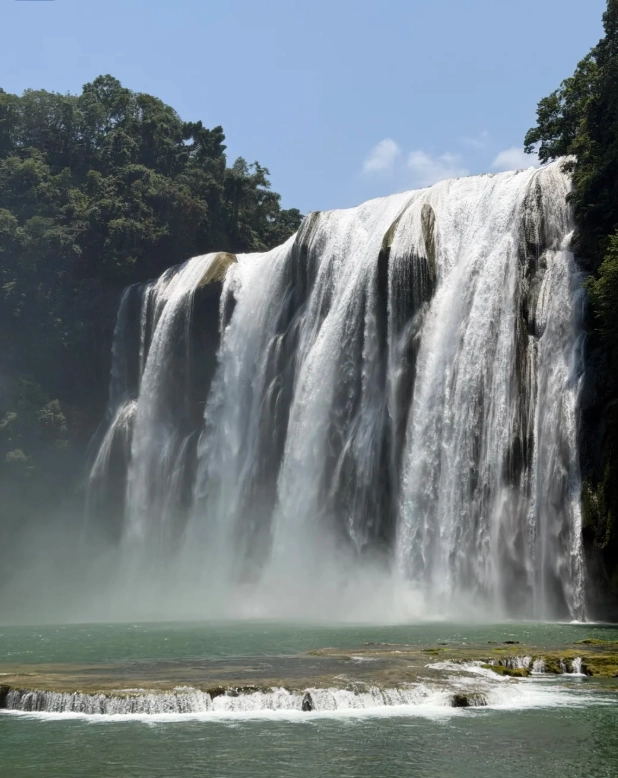
Insider Advice: If you're planning to hike near Huangguoshu or in the Tunpu villages, download the DiDi app beforehand and set up your accommodation address in Chinese in the “Note” field. This can save you a lot of stress.
How to Navigate Anshun Safely (Transportation and Payment)
Anshun is easy to get around if you know the local rules. Here's a few things that will keep you out of trouble.
Cash vs. Mobile Payment
Anshun is a mobile-first city — even most street food stalls have a QR code for WeChat Pay or Alipay. As a foreigner, if you haven't linked your international card to Alipay or WeChat Pay, you'll feel like you're in a cash-only museum. But that's not a safety risk; it's an accessibility one.
Here's my practical advice: always carry a small amount of cash (say, 200 RMB) as backup, because a few mom-and-pop places and taxis are still cash-only. But don't carry huge piles of bills. Robbery is rare, but why invite trouble? Use your phone for larger payments.
For the sake of safety, I tell my clients to keep their phone charged and their screen unlocked (as in, know the swipe code) when paying, because fumbling with a frozen payment app in a crowded queue is how you drop your phone or get your pocket picked.
Navigation Apps That Actually Work
Google Maps is a phantom in Anshun — it often points to places that don't exist or gives you a route that walks you into a construction site. Use Apple Maps or Amap (known as Gaode Maps in Chinese). Even better, before you leave for a trip, download offline maps of the city on a GPS-friendly app like Maps.me.
But here's the real pro move: have your hostel or hotel write down the Chinese names and addresses of the places you want to visit. Then you can just show it to a taxi driver, which is far safer than trying to pronounce a long Chinese name. I do this for my clients after one got taken to the wrong “Whangpoo” waterfall (which I think was actually a reservoir).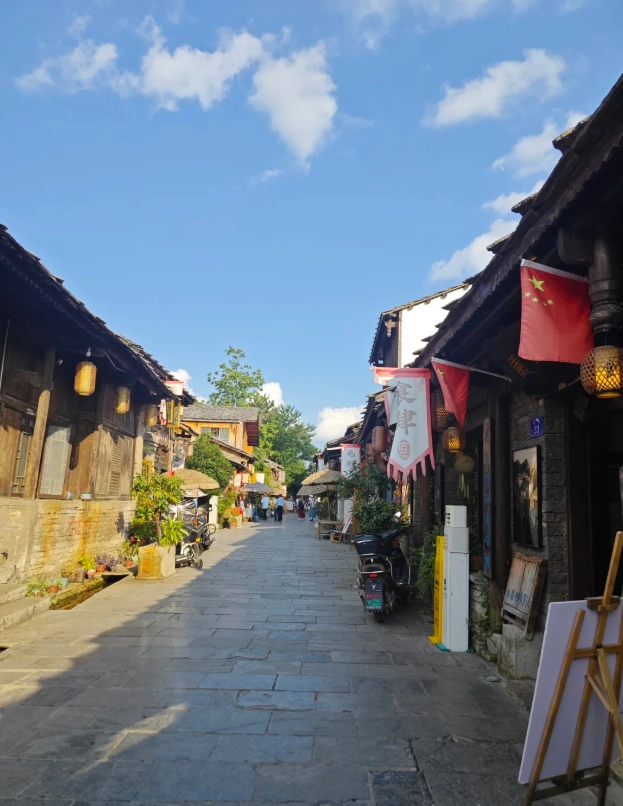
Transportation Options
For getting around Anshun, I divide the choices into three tiers: DiDi (ride-hailing), taxis, and public buses. Here's how they compare for safety and convenience.
| Transport | Cost | Time | Safety | Best For |
|---|---|---|---|---|
| DiDi | Transparent, based on meter | Quick, GPS-tracked | High | Most trips, especially at night |
| Official taxi | Meter or fixed price | Variable, depends | Medium-high | Short hops, when no DiDi |
| Public bus | Very cheap (2-5 RMB) | Slower, but fine | High | Budget travelers, daytime |
DiDi is your best ally. It tracks your route, you don't need to negotiate, and the driver knows you have the app. Taxis are fine once you've learned to force the meter. Public buses are safe but slower; just be careful with pickpockets during rush hour. I rarely recommend taxis for long distances to Huangguoshu unless you've set a fixed price.
Practical Safety Concerns: Language, Medical Care, and Emergency Numbers
These are the less glamorous but crucial safety nets that most travel blogs gloss over.
The Language Barrier
Anshun's biggest challenge for tourists is language, not crime. Outside hotels and top attractions, English is barely spoken. This can create safety anxiety — like when you miss your bus stop because you couldn't ask the driver.
I always tell tourists to download a translation app like Baidu Translate (which works offline, unlike Google Translate). Also, save a screenshot of your hotel's name in Chinese, so you can show it to any taxi driver. It’s the most practical safety hack I know.
Another thing: if you have a medical issue, a translation app comes in handy. You can type your symptoms in English and show them to the pharmacist. It's not 100% perfect but it works.
Health and Medical Facilities
Anshun has several public hospitals and clinics, with the main one being Anshun People's Hospital. For non-emergency issues, a local clinic is fine. If you need a Western-style hospital, Guiyang (the provincial capital) is just an hour away by high-speed train.
For minor injuries like the sprained ankle I mentioned earlier, you'll find a pharmacy (drugstore) almost everywhere. Look for the green cross sign. They often have English-speaking staff at larger branches. Always carry your passport with you, because to buy some medicines you may need to show it.
Note: Medical treatment in China is inexpensive compared to Western countries, but you'll still want travel insurance. No one plans to get sick, but from experience, a traveler who is covered is a traveler who is calm.
Key Emergency Numbers
The emergency numbers in China are different from those in the US/UK, so save these before you go. For police, call 110. For ambulance, 120. For fire, 119. In Anshun, these calls may be answered only in Chinese, so I suggest you have a bilingual local (like your hotel receptionist) on standby if possible.
Here's a little trick: when calling 110, stay calm and say “Hey, police?” even if no one answers. The operator might transfer you to a bilingual officer. It’s not a guarantee, but it happens. I've used it once.
Final Safety Checklist for Your Anshun Trip
Here’s a list I print for every client before they wander off. Use it as your own safety net.
- Carry a power bank and keep your phone charged at all times.
- Install DiDi, Alipay/WeChat Pay, and a translation app before arriving.
- Set your hotel address in Chinese on your phone.
- Carry your passport (or a copy) but leave other valuables in the hotel safe.
- Stick to busy streets at night, and use DiDi after 10 PM.
- Wear grippy shoes, especially at Huangguoshu.
- Watch your step on uneven sidewalks and wet boardwalk.
- Don't wear a backpack backward in crowded areas; keep it in front.
- Stay hydrated, use sunscreen, and don't hike during the hottest part of the day.
- Keep an emergency card with your hotel contact and travel insurance details.
Quick Answers to Common Safety Questions
Verified and fact-checked by the editorial team.





As a budget traveler, I normally expect a bit of grime and street hassle, but Anshun surprised me. I spent three days here and walked around at night without any stress. The bus station was chaotic, sure, but a security guard actually walked me to the right platform when he saw my confused face. Local food is stupid cheap and delicious — try the Guizhou sour fish stew. Just keep your wallet in your front pocket and your phone inside your bag, the same I'd say for any busy town. This place deserves more visitors. 5/5.
We traveled with three kids and never once felt on edge in Anshun. The hotel arranged a driver for Huangguoshu, and that made our lives so much easier. The waterfall is unreal — the roar, the mist, the rainbows — and the kids still talk about the tunnel behind it. In town, people kept offering us little snacks and waving at our toddler. Yes, the streets are a little uneven and electric bikes come up quietly, so hold hands with little ones. But safe? Absolutely. If you go, don't skip the Longgong Cave boat ride.
After two weeks of Chinese cities, Anshun felt like a breath of fresh mountain air. I arrived in the evening and wandered out at 9pm for dinner — nobody bothered me, no dodgy situations. The morning market near the Confucius Temple is a must: steaming baskets of buns, people bargaining, old ladies fanning themselves. One tip: if a 'volunteer guide' starts walking with you, just smile and say no thanks. I found everyone else genuinely helpful. Five stars from a backpacker who usually over-worries about safety.
Solo female traveler here, and I felt safe the whole time in Anshun. Took the train from Guiyang and then a Didi straight to my hotel — no haggling, no drama. The old town was quiet at night but still active enough that I didn't feel exposed. Huangguoshu was magnificent, though the walkways were slippery and a bit crowded; hold onto the railing and wear proper shoes. Why not 5 stars? The bus stop near my hotel had zero English, and I nearly missed the last bus. Still a great stay, and the noodles I had at a tiny stall near my hotel were some of the best I've eaten in China.
Honestly, Anshun isn't as unsafe as some people made it sound, but I left a little underwhelmed. The water at Huangguoshu was incredible — you can feel the spray before you see the falls. But the rest of the day felt like a battle with touts and guess-the-price taxis. Near the old Confucius Temple, a few guys followed me for two blocks trying to sell 'group tickets.' I was never in danger, just annoyed. If you book a driver ahead of time, it's probably a 5-star trip. On my own, it was a middle-of-the-road experience.