 Yan Zhou
Quick Navigation
“I almost missed the best temple in Wudang because my guidebook said to leave at 4 pm.” That’s what a traveler told me last spring. He was stuck in the cable car line.
I’ve guided trips in Shiyan for over eight years. The classic Shiyan itinerary looks simple on paper — see the mountain, walk the old town, eat something spicy. But the devil hides in the digital booking system, the wrong gate, and the golden-hour light that vanishes at 4:30 pm.
Here’s the truth: the classic route isn’t the crowded southern gate trail. It’s a two-day rhythm that flips your schedule to match the monks, not the tour buses.
Why You Need This Shiyan Itinerary (Not Just the Top Spots)
The Biggest Mistake Travelers Make
Most visitors try to “do” Wudang Mountain in a single day, starting at the East Gate. That means they join a solid queue at the gondola, then race to the Golden Peak just as the sun is harsh and the railings are packed with selfie sticks.
I always tell my clients to reverse the flow. Start from the South Rock Palace (Nanyan), where early morning light paints the cliffside temples a warm gold. You’ll feel like you own the place until around 10 am, when tour groups arrive.
This itinerary also tackles the invisible barriers that trip up foreign tourists: the passport-only ticket booking, the WeChat mini-programs that refuse to load in English, and the cashless payment trap at street food stalls.
What This Itinerary Covers
Below is my proven two-day loop. Day 1 is all about Wudang’s Taoist core — hitting three key palaces without the crush. Day 2 pulls back the curtain on Shiyan’s car-manufacturing soul, its quiet museums, and a night market where locals actually eat.
I’ve kept the plan flexible. If you’re fit, you can swap the cable car for the 9km hike up the ancient stairway. If it rains, there’s an indoor backup route that still wows.
Getting to Shiyan Without Hitting a Wall
Shiyan has a small airport (Wudangshan Airport) connecting to Beijing, Shanghai, and Guangzhou. But most travelers arrive by high-speed rail at Shiyan East Station — it’s about two hours from Wuhan, and four from Xi’an. From the station, take a taxi (20 minutes) or bus #96 to the city center.
For the mountain, hop on the dedicated tourist bus at the Wudang Mountain bus station. It runs every 20 minutes from 6:30 am to 5:30 pm, drops you at the tourist center, and costs ¥15. Alternatively, a private car from Shiyan city costs ¥120–150.
Navigation nightmare warning: Google Maps is unreliable here. Use Apple Maps or navigate to “武当山风景区” (Wudang Mountain Scenic Area) and show the Chinese address to your driver. I always recommend downloading the 高德地图 (Amap) app — switch it to English and it works surprisingly well.
Payment and connectivity: You’ll need Alipay or WeChat Pay with an international card attached. Cash is still accepted at the ticket office, but many small shops and all the shuttle buses are strictly QR-code. Get a VPN before you land, or your transaction might suddenly fail when the system tries to verify you.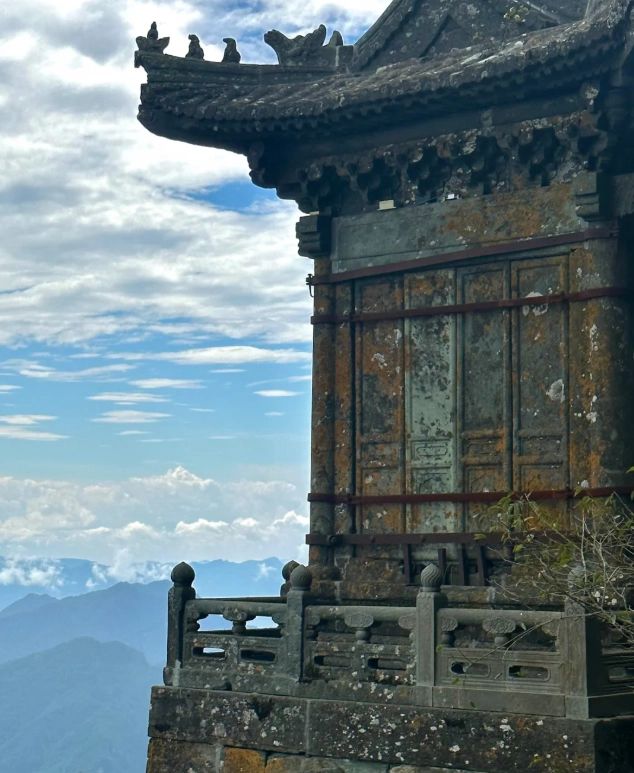
The Classic Shiyan Itinerary: Day 1 – Wudang Mountain, the Right Way
The secret to a crowd-free morning is entering through the South Rock Palace gate, not the East Gate. Take a taxi straight to the South Rock ticket office (南岩办事处). It’s a smaller entrance, and tour buses rarely stop there.
Morning: Start at the South Rock Palace (Nanyan)
Buy your tourist center ticket (¥140 in low season, ¥164 in high season) and the shuttle bus pass (¥100). You can also add the cable car ticket (¥90 one-way) if you plan to ride down. Show your passport at the window — they need the physical passport, not a photo.
Once inside, walk toward the Hanging Palace on the cliff. The wooden beams jutting out over the abyss are real, and the engravings date back to the Ming dynasty. I once spent 40 minutes there just watching the clouds roll through the gorge — the morning mist usually lifts by 9:30.
Trail note: From South Rock, the path to the Golden Peak is a steep 3-hour scramble. It’s thousands of steps, but the shade is decent. If that sounds too much, take the shuttle to the Taihe Palace cable car station and ride up — you’ll skip the physical grind but still get the epic views.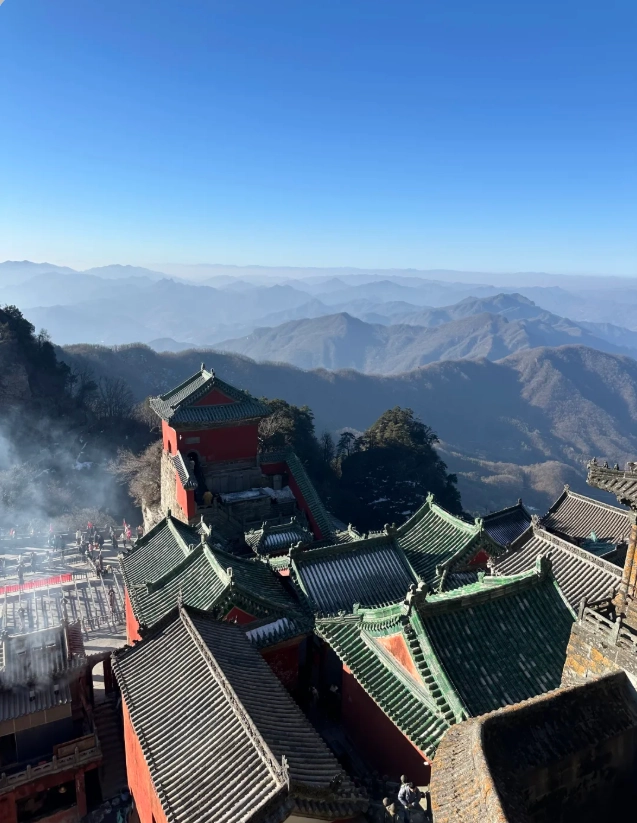
Midday: Golden Peak without the Crush
Time your arrival at the Golden Peak (Jinding) for between 11:30 am and 12:30 pm. The big crowds haven’t reached the summit yet, and the light is still soft enough for photos. Take a short prayer at the Golden Hall, then hunt for the “winding path” that leads to a quiet cliffside viewpoint — few people know it’s there. Look for a small sign that says “飞升崖” (Flying Rise Cliff).
There are also basic noodle stalls near the cable car exit. Don’t expect gourmet food — noodles and kebab sticks are about ¥25 each. I usually pack a bag of local breakfast treats from the city to avoid a disappointing stop.
Afternoon: Purple Cloud Temple & a Proper Rest
Take the cable car down, then hop on the shuttle to the Purple Cloud Temple (Zixiao Gong). This is the best-restored Taoist temple in the complex, and the dragon-and-phoenix murals inside are stunning. Most tour groups skim past it, so you’ll have space to breathe.
Afterwards, walk 300 meters to the next stop, the Virtual Horse Rock (Horse Ridge), which is really a quiet forest clearing. I usually let my groups sit there for 15 minutes, listen to the wind, and watch the wasps chase the peach juice. It’s the anti-Instagram contrast you need.
Note on logistics: The last shuttle down from the Purple Cloud Temple to the exit is at 5:00 pm. Plan to leave by 4:30 to catch it. If you miss it, it’s a 40-minute walk with little shade.
| Point | Ticket / Fee | Opening Hours | Best Time to Visit |
|---|---|---|---|
| Wudang Mountain Scenic Area | ¥140–164 (seasonal) + ¥100 shuttle | 6:30 am – 5:30 pm | Early morning or weekday |
| South Rock Palace | Included in mountain ticket | 8:00 am – 5:00 pm | Before 9:30 am |
| Golden Peak (cable car) | ¥90 one-way, ¥170 round-trip | 8:00 am – 4:30 pm | 11:30 am – 12:30 pm |
| Purple Cloud Temple | Included in mountain ticket | 8:00 am – 5:00 pm | 1:30 pm – 3:00 pm |
The Classic Shiyan Itinerary: Day 2 – City Layers & Auto Heritage
Shiyan is the hidden workshop of China’s car industry. Dongfeng Motor has its roots here, and the city proudly wears that greasy metalwork on its sleeve. But the refined layer of Taoist architecture is also present — just off the main drag.
Morning: Shiyan Museum & Dongfeng Demo Plant
Start at the Shiyan Museum (十堰市博物馆) for a zero-cost primer on why this city exists. The car memorabilia display is nostalgic — I’m talking early ’70s Dongfeng trucks and a reconstruction of the original machine-shop floor. Entry is free with your passport. Use the new wing Entrance B, the old gate is usually locked.
Walk over to the Dongfeng Commercial Vehicle Plant showroom (2 km, about 25 minutes on foot or 10 minutes by taxi). They have a small multilingual museum and a mezzanine overlooking the assembly line. You can book a guided tour at the front desk — bring your passport again.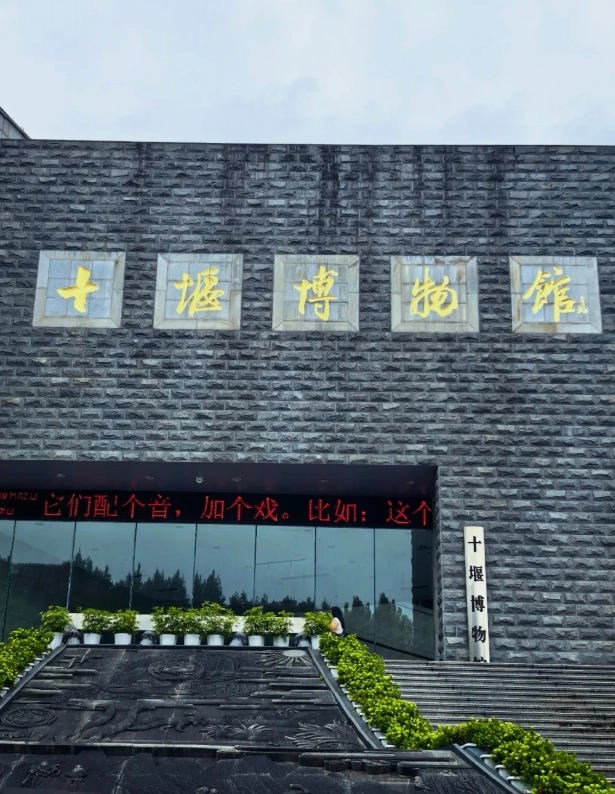
Afternoon: Tea Culture & Hidden Temples
Grab a taxi (15 minutes, ¥20) to the Wudang Taoist Culture Tea House. It’s a working teahouse and a tiny temple hidden in a lane behind the main road, 2.8 km from the museum. The owner, Mr. Zhang, speaks a few words of English and loves to pour samples of local wudang green tea. Try the “cloud mist” variety — it’s buttery and slightly sweet.
If you still have energy, walk 1 km east to the tranquil Baiyun Temple, a functioning nunnery. The incense smoke clinging to old cypress trees will make you feel like you time-traveled. No entrance fee, but a small donation (¥10) is appreciated.
Evening: Local Night Market Loop
For dinner, head to the Wudang Road Night Market — not the one near the scenic area, but the local-only stretch near the southwest corner of Renmin Park. The stalls are a sensory overload: grilled duck neck, braised tofu, stinky tofu with a punch, and the local specialty “mapo tofu” made with 20 kinds of spices.
My personal must-try is the sesame-flavored cold noodles at stall #17. The auntie running it has been there for 15 years and doesn’t speak a word of English, but you can point and say “this, no pork.” Cash is king here — many stalls still don’t accept cards, though they usually have a QR code for Alipay/WeChat.
Finish the night with a scoop of hand-churned sesame ice cream from the little cart near the exit. It’s not a tourist trap — it’s just good.
Where to Stay in Shiyan (Base Points for This Itinerary)
For a classic Shiyan itinerary, staying downtown is the smart move — you’ll be close to both the train station and the early morning bus to Wudang. Avoid the luxury hotel near the scenic entrance; it’s inconvenient for exploring the city.
| Hotel | Distance to Classic Route | Est. Price (USD/night) | Best For | Notes |
|---|---|---|---|---|
| Wudang Vacation Inn (武当山度假客栈) | 300m from tourist center | $45–70 | Early mountain access | Free Chinese breakfast, but no English signs |
| GreenTree Inn (格林豪泰酒店) | 500m to Shiyan East Station | $35–55 | Train travelers | Reliable Wi-Fi, basic elevator |
| Dongfeng Hotel (东风宾馆) | 1.2 km from People’s Park | $60–90 | Mid-range comfort | English speaking front desk, gym |
All three have stable Wi-Fi and luggage lockers. But always tell the receptionist you’re a foreign guest — they’ll register your passport with the police and give you a paper slip you’ll need for hotel stays elsewhere in China.
What to Eat Along Your Shiyan Itinerary
Shiyan’s food is unlike the rest of Hubei — it’s bold, oily, and heavily influenced by nearby Shaanxi. Don’t leave without trying the Wudang tofu (crispy outside, soft inside) or the Pit-grilled fish (烤全鱼) — a whole fish covered in chili and Sichuan peppercorns.
For a sit-down meal, I always suggest Xiaoyaoxuan Restaurant (逍遥轩), a 15-minute walk north of the night market. They have an English menu, and the internet-famous crispy beef and tea-smoked duck are consistently good. Prices are moderate: most mains cost ¥40–60. Go before 6:30 pm or expect to wait — local families swarm in by 7.
If you need quick snacks between sights, grab a teapot pancake (烙饼) from any street cart. They’re cheap, warm up your hands on cool days, and don’t require a knife and fork.





I wasn't sure what to expect, but this itinerary completely changed how I experienced Wudang. The author's suggestion to spend the night in the small village near the East Gate – not the main tourist area – was inspired. I woke up to the sound of a temple bell and had the entire misty valley to myself before breakfast. The route tips for avoiding the midday rush gave me space to just sit and breathe by the old walls. It felt less like sightseeing and more like a pilgrimage. Five stars without a doubt for anyone who wants a quieter, deeper visit.
As a photographer, I'm obsessed with this itinerary. It's clearly written by someone who knows the light and the crowds. I followed the advice to hike from the Nine Dragons Bridge to the Jade Void Palace in the afternoon – soft golden rays through the pines, no one in my frame the entire time. The misty sunrise over the cloud sea from the south cliff was magical. Only gripe: bring your own snacks because the tiny stalls up there run out quickly. This is the only way to shoot Wudang without dodging selfie sticks.
This guide is pure gold! I’ve been to Wudang twice before without a clue, and this time I finally felt like I was seeing the real mountain. The tip about taking the 7am bus from the visitor center instead of joining the tour groups was genius. I walked up the ancient stairway to the Purple Cloud Temple when it was completely empty, and a monk even let me ring a bell. The sunset spot near the highest peak is ridiculously good. If you love off-the-beaten-path experiences, just book it and follow this exactly.
Solid itinerary for first-timers. I followed most of the advice, especially taking the lesser-known side trail to the South Palace, and that made a huge difference. The forest was silent, and I had a beautiful viewpoint all to myself for ten minutes. Only reason I'm not giving 5 stars is that a couple of the local food recommendations were clearly tourist traps with inflated prices. The map and route notes were accurate though, and I'd say this saved me at least two hours of wandering.
I came here specifically because of the crowd-free tips in this itinerary, and honestly, it was hit or miss. The early morning trek to the Golden Summit was as quiet as promised, but by 10am the main paths were absolutely swarming with tour groups. A few of the suggested 'secret' spots were already discovered and loud. Still, the scenery is unbeatable and I got some decent photos before the chaos. Just don't expect the whole day to feel peaceful if you’re not strict about timing.