 Ling Wu
- Why Wudang Mountains Are the World's True Tai Chi Home
- How to Get to Wudang Mountains (Without Losing Your Mind)
- Wudang Tai Chi Courses: Choose the Right One for You
- Wudang Tickets & Reservations: The Insider's Know-How
- Where to Stay on Wudang (For Every Budget)
- Eating on Wudang: What to Enjoy, What to Skip
- Insider Tips to Beat Crowds & Find the Best Shots
- Realistic 3-Day Wudang Tai Chi Itinerary
- FAQ: Wudang Tai Chi Travel Answers
Let me start with a confession. I've led groups up Wudang Mountain for years, and I still get lost in those winding stone paths. That's part of the charm — you're not here for easy.
Tai chi here isn't a gym class. It's a way of life, carved into ancient temples and moss-covered steps. Most tourists rush to the Golden Summit, snap a photo, and leave. They completely miss the soul of this place.
Here's the blunt truth: if you want to truly study tai chi in Wudang, you need to plan for at least two nights. And you must book through the right channels — otherwise you'll end up with a 30-minute photo op instead of a life-changing lesson.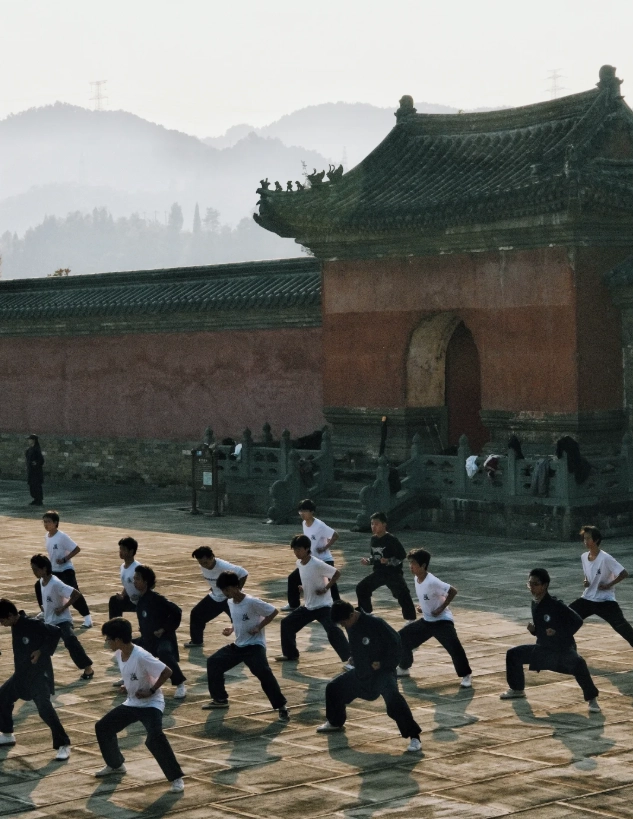
Why Wudang Mountains Are the World's True Tai Chi Home
I know you've seen the movies — monks defying gravity, qi bullets flying. But Wudang is real, and it's humbler than you expect. The mountain range stretches across 400 square kilometers in Hubei province. It's the birthplace of internal martial arts like tai chi and the legendary Wudang Sword.
I always tell my clients: don't come here expecting circus tricks. Come to feel your own breath. The Taoist monasteries here have been teaching taiji quan for centuries, and the quiet intensity of the practice stays with you long after you leave.
One of my favorite spots is the Purple Cloud Temple (Zixiao Gong), tucked into the hillside. The energy there is — well, I can't describe it. You have to sit in the courtyard for ten minutes and just watch how the light moves across the stone.
This is why I bring travelers here. Not just for the photos, but for that profound "I'm part of something bigger" moment. And once you've experienced that, you'll understand why Wudang is the spiritual home of tai chi.
How to Get to Wudang Mountains (Without Losing Your Mind)
Getting to Wudang isn't hard, but it requires some planning. Most international travelers fly into Wuhan Tianhe Airport. From there, you have two main options: high-speed train or long-distance bus. The train from Wuhan Station to Wudangshan Station takes about 2.5 to 3 hours and costs around 150-180 RMB for a second-class seat. It's reliable and comfortable.
But here's the catch: your train ticket should be booked in advance through 12306.cn or Trip.com. Foreigners can use Trip.com easily — just enter your passport number. The station is about 30 minutes by taxi from the mountain's main entrance.
Alternatively, you can fly directly to Shiyan Wudangshan Airport, which has connections from major cities like Beijing, Shanghai, and Guangzhou. But flights are often delayed due to mountain weather. I personally avoid this unless you're short on time.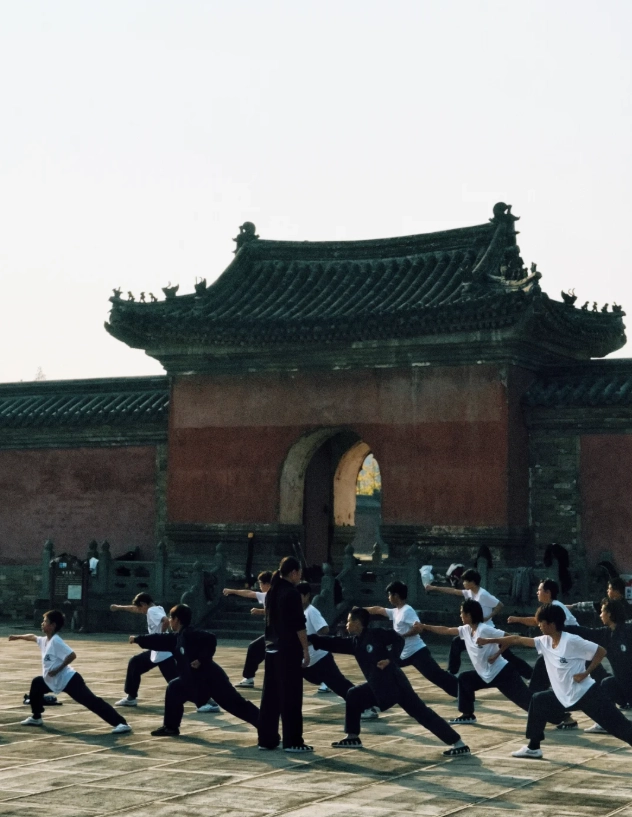
| From | Transport | Duration | Approx Cost | Best For |
|---|---|---|---|---|
| Wuhan | High-speed train | 2.5-3 hrs | 150-180 RMB | Most travelers |
| Wuhan | Long-distance bus | 4-5 hrs | 80-100 RMB | Budget travelers |
| Shiyan Airport | Taxi/DiDi | 30-40 min | 60-80 RMB | Those who fly internally |
Wudang Tai Chi Courses: Choose the Right One for You
Here's a mistake almost every novice makes: they book a "tai chi workshop" from a random travel agency. These are often just 30 minutes of slow-motion poses with no philosophy. You want the real thing.
Look for schools recognized by the Wudang Taoist Association, or book through reputable platforms like Klook or Trip.com. In my experience, the best programs are run by monasteries that actually house students. For example, the Wudang Wushu Research Institute offers serious training, but you should contact them directly for visas and schedules.
Find a Class That Fits Your Travel Style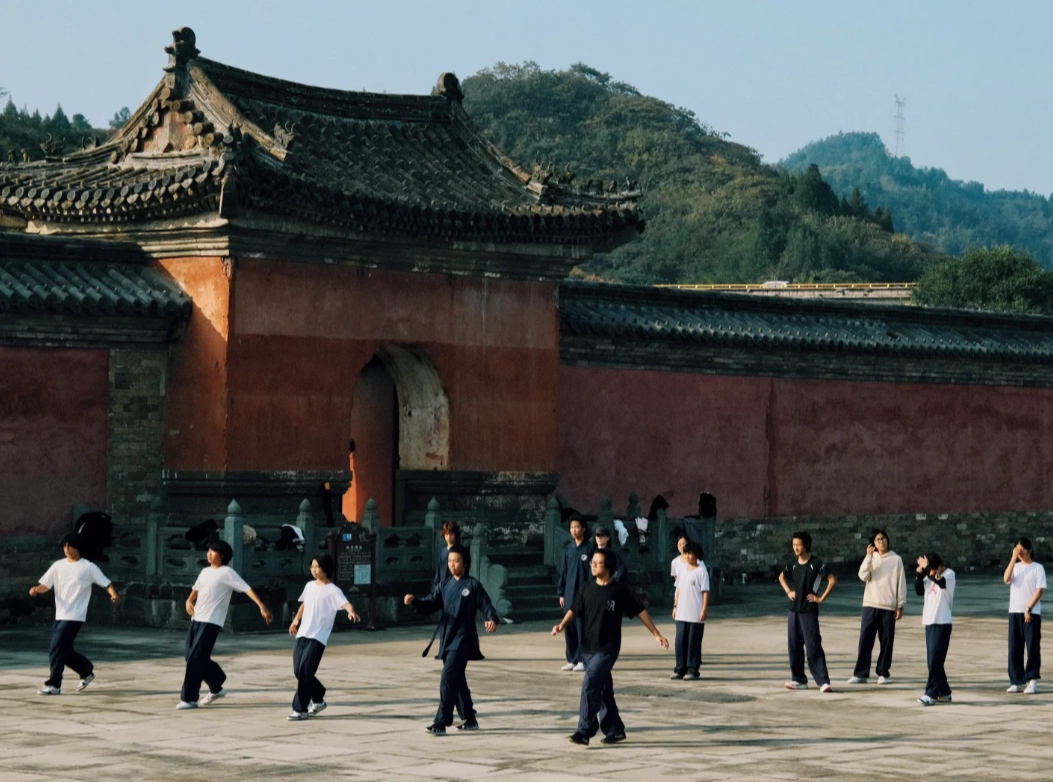
If you're just dipping your toes, start with a drop-in class. These run daily at most schools near South Rock. You'll learn basic breathing and a short form. Perfect for a two-day visit.
For serious training, plan at least seven days. A typical daily schedule: morning qigong, tai chi form practice, afternoon push-hands, and evening meditation. Prices for a week-long program range from 2,000 to 5,000 RMB including dormitory meals. Private sessions cost more.
| Program Type | Duration | Price (Typical) | What You Learn |
|---|---|---|---|
| Drop-in Class | 1-2 hours | 100-200 RMB per session | Basic warm-ups, one short form |
| Weekend Workshop | 2 days | 500-1,200 RMB | Foundation, philosophical context |
| 7-Day Retreat | 1 week | 2,000-5,000 RMB (incl. room & board) | Full breathing work, complete form, daily schedule |
| Discipleship | 1 month+ | Varies, often work exchange | Deeply personal training, monastery life |
Booking tip for foreigners: Always use your passport number, and expect to prepay via Alipay or bank transfer. For a genuine experience, stay inside the mountain — schools near South Rock (Nanyan) or Purple Cloud Temple have the best atmosphere.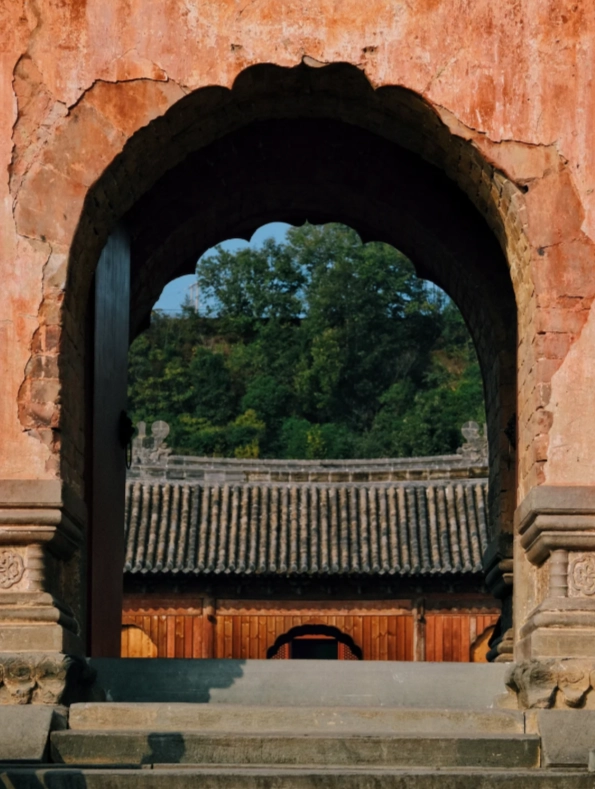
Wudang Tickets & Reservations: The Insider's Know-How
The main mountain ticket costs around 240 RMB (subject to change — always confirm on the official site). This includes access to all temples, but the eco-bus is separate (100 RMB). You can buy a combined ticket at the entrance or online.
Here's the important part for foreigners: booking online is nearly mandatory during peak season. You'll need your passport number. The official WeChat mini-program works, but it's in Chinese — a nightmare for most travelers. That's why I recommend using Trip.com or Klook. They issue instant e-tickets, and you just show your passport at the gate.
Avoid buying from touts near the entrance. They charge double and often can't deliver your promised slot. Use the legitimate platform.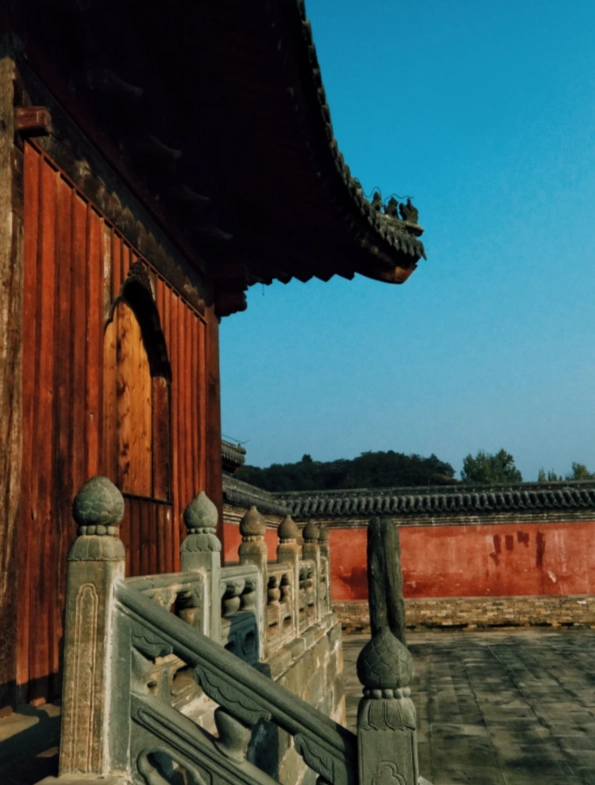
Pro Tip: The mountain area is open from 7:30 a.m. to 5:30 p.m. (last entry). The cable car runs from 8:00 a.m. to 4:30 p.m., but can stop due to wind. Always check weather before going up.
Where to Stay on Wudang (For Every Budget)
You have two main bases: the town at the foot (Wudangshan Town) and the mountain itself. Town is cheaper and has more food options, but staying inside the mountain lets you catch sunrise at the temples without rushing.
On the mountain, the most convenient areas are South Rock (Nanyan) and the Purple Cloud Temple area. Guesthouses here are basic — think creaky wooden beds and shared baths. But the view from your window is priceless. Budget rooms start around 150 RMB/night. For mid-range hotels like the Wudang Mountain Hotel, prices are 300-600 RMB. High-end options are rare, so don't expect luxury.
I always tell solo travelers to stay in a monastery guesthouse if possible. It's not a hotel, but you get authentic meals and a chance to join morning chanting. You'll need to call ahead or ask at the temple office.
| Location | Pros | Cons | Price Range (per night) |
|---|---|---|---|
| Wudangshan Town | Cheap, lively restaurants | 30-min drive to gate | 100-300 RMB |
| South Rock (Nanyan) | Best views, near cable car | Basic rooms, few choices | 150-400 RMB |
| Purple Cloud Temple area | Spiritual atmosphere, quiet | Limited dining, curfew possibly | 200-500 RMB |
Beware: hotel bookings on the mountain drop dead after 6 p.m. That's when the last eco-bus leaves. If you're staying inside, check if your hotel has a pickup service.
Eating on Wudang: What to Enjoy, What to Skip
Taoist vegetarian cuisine is the highlight — dishes like "Fairy Bean Curd" (Xianren Dou Fu) and Wudang yam (Shanyao) are made from local ingredients. They're light, slightly sweet, and surprisingly filling. My go-to is a simple stir-fried yam with wild vegetables at any family-run restaurant near South Rock. Expect to pay 40-80 RMB a meal.
Most restaurants accept Alipay/WeChat, but cash is often refused if you don't have exact change. Keep a few 50s and 100s on you for emergencies.
And yes, you might see "Wudang Beer" everywhere. It's average, but the tea — oh, the Wudang Yunwu (Cloud Mist) tea is worth shipping home.
Avoid: greasy street food near the bus station. It's not what you came for.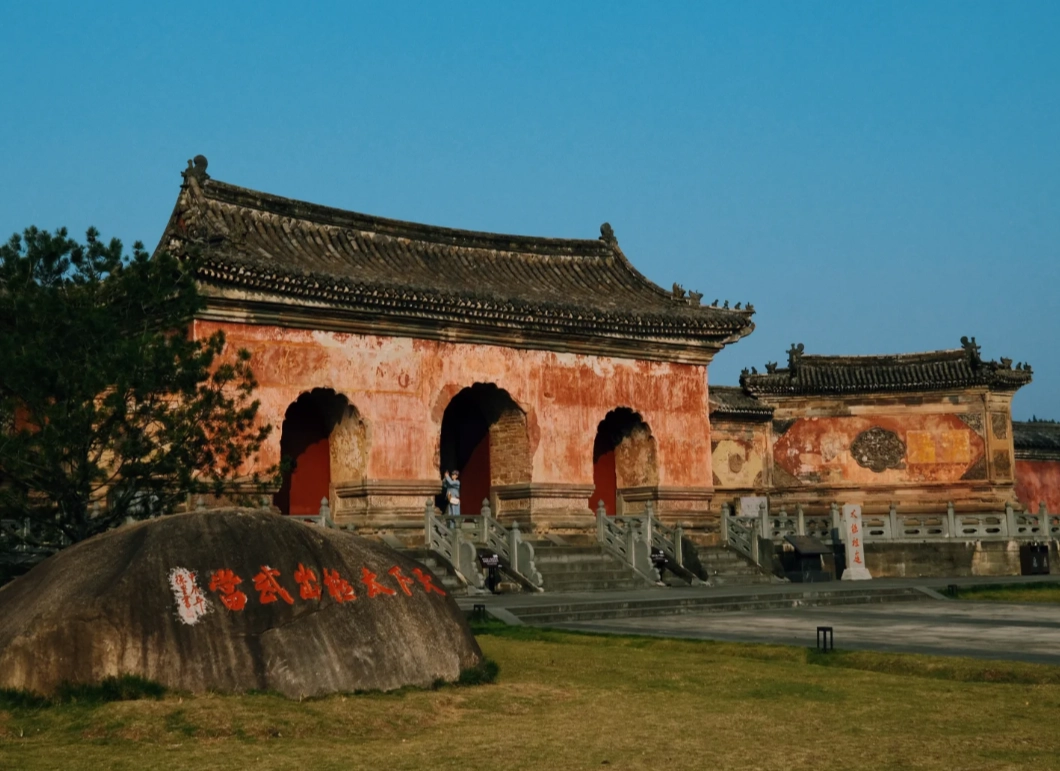
Insider Tips to Beat Crowds & Find the Best Shots
Most tour groups arrive at 9 a.m. and head straight to Golden Summit. Here's my radical advice: go straight to the South Rock altar at 7:30 a.m. when the sun hits the cliffs, then hike down the ancient Old Path toward Purple Cloud Temple. You'll have the trail almost to yourself.
Another secret: the Golden Summit is best photographed from the South Peak lookout, not from the summit itself. The view of the sunset from there is spectacular.
Insider Advice: The cable car is often crowded in the late morning. If you're fit, hike up (about 2 hours) and take the cable car down. You'll save time and feel like a true pilgrim.
Also, note that many stairs have no handrails, so bring proper footwear and a water bottle. Portable toilets are sparse — use the ones near ticket gates before you go up.
And one honest annoyance: the Wi-Fi is nearly nonexistent above the ticket area. Download your offline map (Apple Maps works, not Google) and your Alipay QR code before you ascend.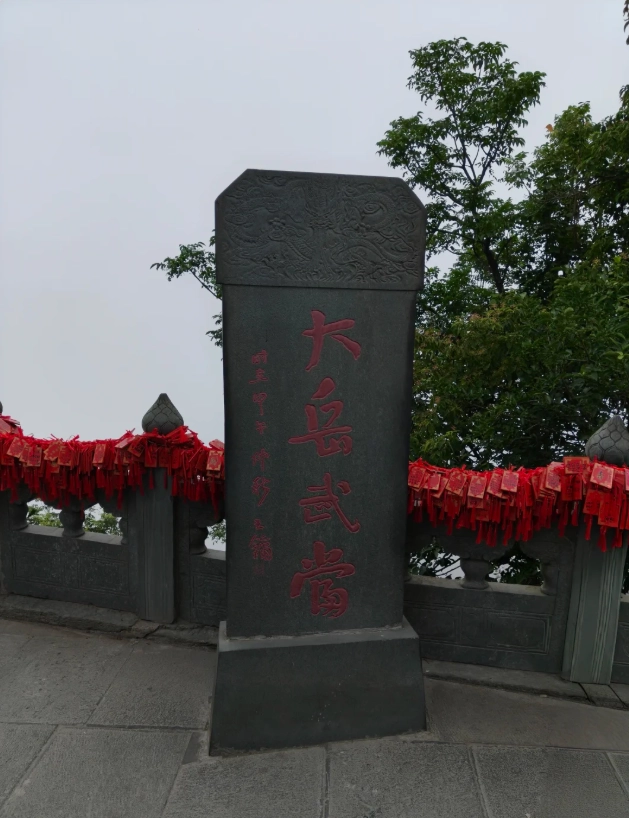
Realistic 3-Day Wudang Tai Chi Itinerary
This plan balances training, sightseeing, and rest — no burnout. Adjust based on your fitness and interest.
Day 1: Arrival + South Rock
Take the eco-bus directly to South Rock. Check in early. Afternoon explore Taihe Palace and the Reclining Dragon Ridge. Evening call it an early night.
Day 2: Tai Chi + Golden Summit
Morning Tai Chi class at Purple Cloud Temple. Afternoon hike to the Golden Summit (or cable car). Night: watch sunset at the Nanyan Cliff.
Day 3: Sunrise and Departure
Sunrise at Bixiao Temple, then wander the Old Path to Zixiao. Lunch at a village noodle shop. Take the eco-bus out by 2 p.m. to catch your train.
| Day | Time | Activity | Notes |
|---|---|---|---|
| Day 1 | 14:00 | Eco-bus to South Rock | Check in, stroll around |
| Day 1 | 16:30 | Taihe Palace | Combine with sunset views |
| Day 2 | 08:00 | Tai chi class | Near Purple Cloud Temple |
| Day 2 | 13:00 | Golden Summit | Cable car up to save time |
| Day 3 | 06:00 | Sunrise at Bixiao | Bring a flashlight |
| Day 3 | 12:00 | Lunch in village | Try local vegetarian set meal |
FAQ: Wudang Tai Chi Travel Answers
Verified and fact-checked by the editorial team.





No comments yet.