 Wei Zhang
Quick Navigation (Tap to Jump)
Lijiang is a sensory overload — in the best way. Ancient stone lanes, rushing canals, and the snowy peak of Jade Dragon hanging over everything. But here's the reality: the crowds are insane, the ticket-booking apps are in Chinese, and your credit card will get you nowhere. I've been guiding travelers through this maze for over a decade, and I’m writing this Lijiang local tour guide to save you the headaches I see every single day.
Here’s the truth: you don’t need to hire me to have a great trip. You need the right information at the right time. That’s what I’ll give you — the exact steps to dodge the tour groups, book tickets without a Chinese phone number, and eat where the locals actually eat.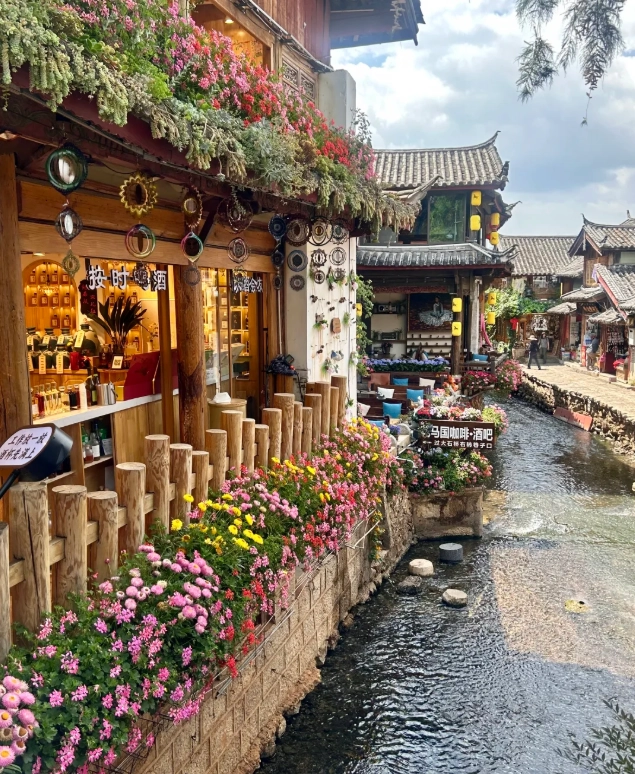
Why Hire a Lijiang Local Tour Guide?
Let's be honest — you can visit Lijiang without a guide. Plenty of travelers do it. But as a local guide, I've watched tourists struggle with things that could be solved in seconds if they had someone who spoke the language. The biggest advantage of using a Lijiang local tour guide is the insider knowledge that you simply can't find on Google. For example, did you know that the Old Town's famous Sifang Street is actually packed with overpriced tea houses? Or that a free shuttle from the bus station can save you $20?
Still, if you prefer independence, here's what I'll teach you: how to be your own guide. My job is to make you feel like you have a friend in Lijiang, even when you're flying solo.
Pro Tip: Even if you don't book a guide, grab a local map at your hotel and ask the owner for their personal favorite spots. That's a mini locally guided tour for free.
Getting Around Lijiang Without Tears
You'll do most of your exploring on foot inside the Old Town, but the moment you want to see Jade Dragon Snow Mountain or Baisha Village, you need a plan. First, forget Google Maps — it's unreliable in China. Download Apple Maps (it works okay) or better, AMap (Gaode) — a Chinese maps app, but it's in Chinese. For English, Apple Maps is your best bet.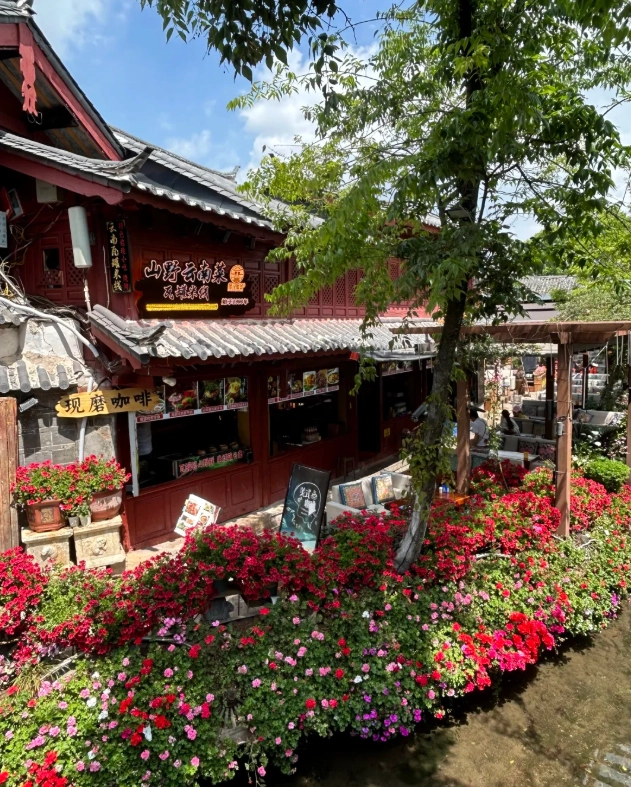
Arriving from the Airport
From Lijiang Sanyi Airport to the Old Town, you have three reliable options. The airport shuttle bus costs 20 RMB and runs every 30 minutes from outside the terminal. A taxi will cost you 80–100 RMB — always negotiate the fare before you get in. Separately, if you book a hotel in the Old Town, many offer paid airport pickup for about 120 RMB; it's worth it if you have heavy luggage.
- Airport shuttle: 20 RMB, 40–60 minutes, modern and comfy.
- Taxi: 80–100 RMB, 30–40 minutes, but keep a map ready in Chinese to show the driver.
- Hotel pickup: 120 RMB, hassle-free, door-to-door.
Navigating the Old Town
The Old Town is completely pedestrian-only, so wear the most comfortable shoes you own. The stone paths are slippery, especially after rain. I always tell my guests to look for the waterwheels at the north entrance — that's your anchor. If you get lost, walk in the direction of the flowing water to go downhill, which leads to Sifang Street.
For short hops between the Old Town and nearby spots, use the electric rickshaws. They're cheap (10–15 RMB for a short ride) and they weave through narrow alleys. But always agree on a price first — drivers often quote double if you look like a tourist.
| Method | Cost (approx.) | Time | Best For |
|---|---|---|---|
| Airport shuttle | 20 RMB | 40–60 min | Budget travelers |
| Taxi | 80–100 RMB | 30–40 min | Convenience, late-night arrivals |
| Bus 101 (to Jade Dragon) | 15 RMB | 1 hour | Solo day-trippers |
| Electric rickshaw | 10–15 RMB | 5–15 min | Short hops within or near the Old Town |
Pro Tip: For early-morning Jade Dragon trips (before 7 AM), pre-book a taxi the night before — you won't find one at dawn. Your hotel reception can arrange this.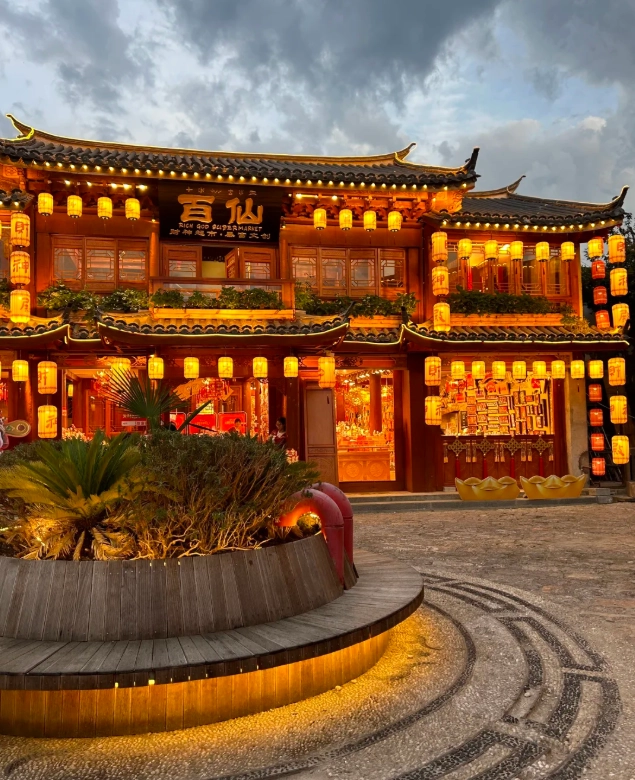
Insider Advice: Don't rent a car in Lijiang. The one-way streets in the Old Town are a maze, and parking fees are ridiculous. Stick to taxis, buses, and your own two feet.
Booking Attractions Like a Pro
Most major sights in Lijiang require a timed ticket, and foreigners must bring their passports. The good news is that you don't need to brave WeChat mini-programs (which are entirely in Chinese) to book them. I always recommend using Trip.com or Klook for Jade Dragon Snow Mountain, Tiger Leaping Gorge, and the Lijiang Impressions cultural show. These sites accept international cards and email you a QR code that you scan at the entrance.
Here’s the catch: some smaller spots like the Black Dragon Pool require a physical passport to buy tickets on the spot; there's no online booking. Arrive before 9 AM to beat the tour-group rush. The line can stretch down the street by mid-morning.
Pro Tip: Always show up 30 minutes before your booked time. The Chinese tour groups have priority for the cable car, and if you're late, you might miss your slot entirely.
Hidden Gems Only Locals Know
The Old Town is magical, but it's also overrun with selfie sticks. Venturing off the beaten path is where Lijiang truly shines. Here are my three favorite spots that most visitors miss:
- Shuhe Ancient Town (束河古镇) — A quieter, smaller version of Dayan (the main old town), only 4 km away. Take bus 6 (2 RMB) or a 20 RMB ride from the Old Town. It's free to enter, and the canalside teahouses are perfect for an afternoon break.
- Baisha Village (白沙古镇) — A Naxi settlement with the famous Baisha Murals, UNESCO-protected paintings from the Ming Dynasty. Entrance is 30 RMB. Go at noon to see local women making tie-dye, and don't miss the potato bread from a street stall (5 RMB).
- Wenhai Lake (文海) — A highland meadow at 3,200 meters elevation, where yaks graze and wildflowers bloom in spring. It's hard to reach by public transport, but a taxi from Lijiang costs about 200 RMB round trip. Worth it for the silence and a view of Jade Dragon that few tourists ever see.
I always take my guests to Wenhai in late spring when the azaleas are in full bloom. The light at 5 PM is golden, and you'll likely have the place to yourself — plus a herd of curious yaks.
What to Eat in Lijiang
Lijiang's cuisine is a delicious blend of Naxi traditions and Yunnan's mountain flavors. Here's what I order every time, and where to get it.
- Crossing-the-Bridge Rice Noodles (过桥米线) — A Yunnan classic, served with a boiling bowl of broth and raw ingredients that cook at your table. Look for “Yunnan Flavor” (云南风味) signs. A good bowl costs 25–40 RMB. Pro tip: don't touch the bowl — it's dangerously hot.
- Lijiang Bacon Rib Hotpot (腊排骨火锅) — A smoky, savory stew made with preserved pork ribs. The definitive spot is “A Ma’s Kiss” (阿妈腌排骨) near the Black Dragon Pool. A pot for two is around 80 RMB, and it's enough to feed three.
- Chicken Bean Jelly (鸡豆凉粉) — A sour, spicy jelly made from local purple beans. Grab a paper cup from any street vendor around Sifang Street. It costs about 10 RMB and is perfect on a hot day.
- Lijiang Baba (丽江粑粑) — A griddle cake that comes sweet or savory. The sweet version, stuffed with honey and walnuts, is my personal dessert addiction. Only 5–10 RMB.
A quick warning: most local restaurants only accept mobile payments. Cash is often refused. Make sure you have Alipay or WeChat Pay linked to an international card before you sit down. If you're caught without, pop into a 7-Eleven-style store (they accept small cash) and load up on snacks.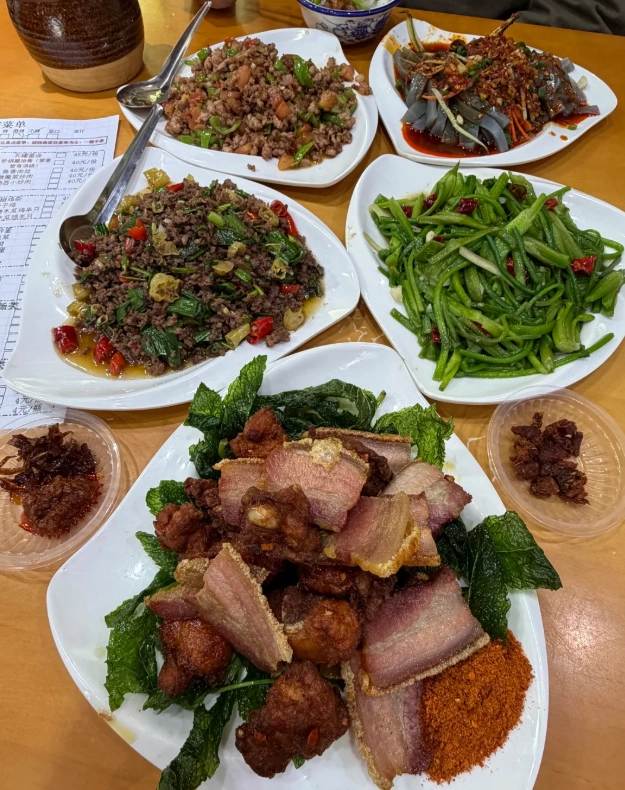
A Sample 3-Day Itinerary
Here's a realistic plan that covers the essentials without rushing you. Feel free to swap Day 3 for the hike at Tiger Leaping Gorge if you're feeling adventurous.
| Day | Morning | Afternoon | Evening |
|---|---|---|---|
| 1 | Arrive, settle in | Explore the Old Town: Sifang Street, scenic alleys | Sunset at Lion Hill (Wangu Tower) |
| 2 | Jade Dragon Snow Mountain (pre-booked tour) | Glacier cable car, Blue Moon Valley | Back in town: try Lijiang baba |
| 3 | Baisha Village and murals | Shuhe Ancient Town | Naxi orchestra concert (if available) |
Day 1: Drop your luggage and head straight to Sifang Street, the heart of the Old Town. Follow the sound of water to the Black Dragon Pool (15-minute walk). In the evening, climb to Wangu Tower for a panoramic view of the entire ancient city — the lights at dusk are gorgeous, but the steps are steep, so pace yourself.
Day 2: Book a Jade Dragon Snow Mountain day tour through Trip.com or Klook — it includes the 40-minute drive, cable car ticket, and lunch. Leave by 6:30 AM. The mountain is clearest before 10 AM; by noon clouds usually roll in. Bring a jacket — the temperature at 4,500 meters is freezing even in summer. The Blue Moon Valley at the mountain base is shockingly blue, and worth 45 minutes of photos.
Day 3: Take it easy. Visit Baisha Village in the morning (30 RMB entrance), then head to Shuhe for a lazy lunch and canal-side tea. If the weather turns rainy, swap this for the Dongba Culture Museum, which shows off Naxi pictographic writing.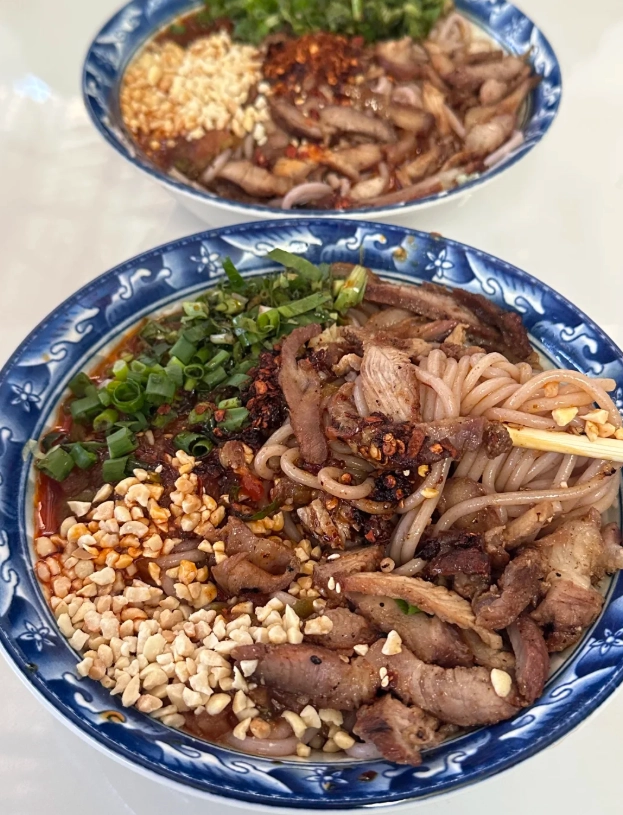
Where to Stay in Lijiang
Your choice of base affects everything. Stay inside the Old Town for atmospheric nights, or just outside for modern comfort. Here's a quick comparison of my favorite options:
| Hotel Name | Location | Est. Price (per night) | Best For |
|---|---|---|---|
| Naxi Family Inn | Inside the Old Town | $40–80 | Budget travelers, those who want a traditional courtyard |
| Banyan Tree Lijiang | Outskirts near Shuhe | $300 and up | Luxury seekers, couples |
| Grand Hyatt Lijiang | Between Old Town and Shuhe | $150–250 | Families, business travelers |
Be careful: many budget inns in the Old Town have paper-thin walls and no elevator. If you have heavy luggage, ask for a ground floor room. Wi-Fi is often weak inside the stone buildings, so if you rely on stable internet, book a hotel just outside the ancient area.
For solo travelers, I'd pick a hostel in the Old Town like Mama Naxi's International Youth Hostel — it has social events and a helpful English-speaking owner.
FAQ: Your Questions Answered
This Lijiang local tour guide is built on years of walking these streets with visitors from all over the world. The details here come directly from my experience on the ground. I hope it saves you time, money, and a few headaches. Trust the process, keep your passport handy, and let Lijiang work its magic.
Verified and fact-checked by the editorial team.






No comments yet.