 Ting Chen
Jump Straight To:
- Dali Winter Itinerary: What Actually Works
- How to Get to Dali in Winter and Avoid the Tourist Trap Transport?
- What to Pack for Dali in Winter: A Guide from a Local
- Day-by-Day Dali Winter Itinerary: 3 Realistic Plans
- How to Book Tickets and Pay for Things in Dali as a Foreigner?
- Where to Stay in Dali This Winter: I Tested the Neighborhoods
- Dali Winter Food Guide: What to Eat and Where
- Are There Hidden Spots in Dali Winter Itinerary? Yes—Here's Where
- FAQ: Dali Winter Trip Answers That Actually Help
Winter is my favorite time to guide in Dali. Wait, let me rephrase that — winter is the only season I actually volunteer for the morning shift. The air is crisp, the mountains are dusted with snow, and the crowds? Gone.
But when travelers search for a Dali winter itinerary, they keep hitting the same walls. The generic blogs tell you to head to the ancient town, ride a bike around Erhai Lake, and take a cable car up Cangshan. What they don't tell you is how to actually book those things with a passport, pay without a Chinese bank card, and avoid being stuck with a taxi driver who's never heard of the hotel you're staying at because Google Maps is useless here. I've guided countless trips through this city, and I still get surprised by the small things.
Here's the bottom line: the key to a great Dali winter trip isn't the sightseeing — it's where you base yourself and when you move. Stay near the north gate of the old town, not the south. That way you can walk to the bus station, escape the overpriced tourist restaurants, and still catch the sunrise over Erhai Lake before the tour groups arrive. And if you only remember one thing from this post, make it this: book your mountain cable car for the first slot of the day, because the afternoon fog rolls in fast and you'll end up with a white wall instead of a view.
Dali Winter Itinerary: What Actually Works
Let me be blunt: most Dali winter itinerary advice online is written by people who visited once in May and then copy-pasted stats from somewhere. Winter in Dali is not a frozen wasteland. It's dry, bright, and often blue-sky perfect. The crowds drop significantly after mid-December, so you can actually breathe in the ancient alleys. But the cold is real — especially after sunset. I've seen people arrive with only a hoodie and end up buying a wool scarf from a street vendor for three times its actual price.
| Metric | Winter Snapshot |
|---|---|
| Season | December to February |
| Weather | Clear days, dry, daytime highs around 15°C / 59°F; nights around 2°C / 36°F |
| Crowds | Low except Chinese New Year — avoid that two-week window |
| Prices | Hotel rates drop to low season, often 30-50% below spring |
| Must-pack | Thermals, down jacket, sunblock, lip balm |
The catch? Chinese New Year (usually late January or February) turns Dali into a human river. I always tell my clients to avoid those two weeks unless they love queues. If you have flexibility, book your Dali winter itinerary for the first two weeks of December or the period right after the holiday.
How to Get to Dali in Winter and Avoid the Tourist Trap Transport?
The high-speed rail from Kunming is your best friend. From Kunming South, trains to Dali run almost every half hour. The ride takes around 2 hours 20 minutes. Dali Railway Station is about 13 kilometers from the old town. Don't fall for the drivers shouting "taxi" — they quote up to 100 yuan when the meter would say about 40. Better to use Didi or walk to the taxi rank outside the station. The No. 8 bus also runs from the station to the old town's north gate for 3 yuan, but I only recommend that if you're packing light. You can check train schedules on 12306.cn or via Trip.com.
If you fly into Dali Airport, the airport shuttle bus to the ancient town costs about 25 yuan. A Didi ride runs 60-80 yuan depending on traffic. When you land in winter, the wind at the airport is unforgiving — grab your jacket before exiting the terminal.
Pro Tip: When searching for your hotel on Didi, don't type the English name. Copy the Chinese address from your booking confirmation. It saves time and the driver's temper.
Navigation: Google Maps is a delight in the rest of the world. In Dali, it will often show your driver going through a pond. Download AMap or use the map built into Alipay and WeChat. Better yet, save the Chinese characters for your destinations in a note — you'll thank me when you're trying to explain to a bus driver where you're headed.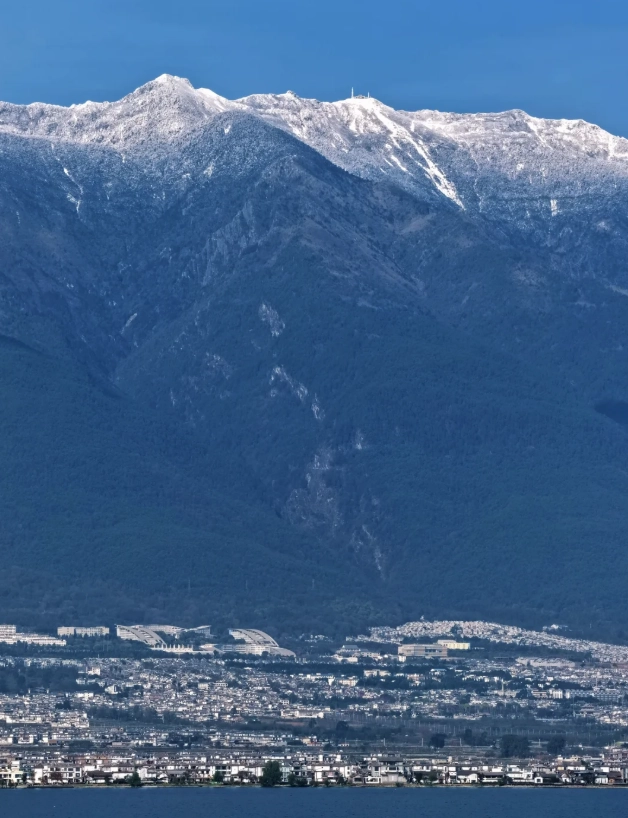
What to Pack for Dali in Winter: A Guide from a Local
Think in layers, not a single heavy coat. Dali's weather can swing from warm to biting cold in the same afternoon. Here's my tried-and-true packing list:
- Thermal underwear: Yes, especially if you plan to catch sunrise by the lake. The cold seeps through denim fast.
- Down jacket or parka: The wind cuts through regular coats. The down fill will save you.
- Sunscreen — SPF 30+: The UV at 2,000 meters altitude is savage, even in winter. I've seen travelers end up with a sunburned nose while shivering.
- Lip balm and moisturizer: Dali's air is desperately dry; your lips will crack within a day without these.
- Comfortable waterproof shoes: Frost on grass is slippery, and mornings can be dewy. Blisters ruin trips.
- A power bank: Cold drains phone batteries fast, and you'll need your phone for tickets and maps.
One more local tip: the wind can be brutal near the lake in the afternoon. A scarf or a neck gaiter doubles as a windblocker. I always carry a light beanie in my daypack — it takes no space but saves me from a headache.
Day-by-Day Dali Winter Itinerary: 3 Realistic Plans
I've built these three plans after guiding dozens of winter travelers. Each one respects the cold and the sunlight. You can mix and match based on your energy.
Plan A: 3-Day Classic — For Most Travelers
This is the plan I recommend for 80% of my groups. It gives you the essentials without exhausting you.
- Day 1: Arrival and Ancient Town Warm-Up. Arrive at Dali Railway Station around 10:00. Take the No. 8 bus to the north gate — about 40 minutes. Drop your bags at a guesthouse near the north gate. Walk down Renmin Road toward the old town. Have lunch at the little noodle shop opposite the Jianshan Gate; I always order the cold noodles with pea flakes. Visit the Three Pagodas after 15:00 — the light is warm and the tour groups are thinning. Entrance is around 75 yuan, but check Trip.com for a better price; you'll need your passport. In the evening, climb the Five-Hua Tower for sunset over the old town — it's free, but you need to scan your passport at the door.
- Day 2: Cangshan Mountain and Erhai Lake. Leave at 7:30 to catch the first cable car up Cangshan. Take Didi to the Gantong Cable Car entrance — about 20 minutes and 25-30 yuan. The first car leaves around 8:30; arriving early means you ride up in clear morning air before the fog forms. Round-trip ticket is roughly 110 yuan, but confirm the route with your guesthouse — the high peak cable car may be closed in winter due to snow. After coming down, warm up with a mushroom hotpot at one of the small restaurants near the station. Then rent a bike and ride the western lakeside path from Caicun to Xiayuan. The wind is strong in winter, but the view of snow-dusted Cangshan reflecting in Erhai Lake is worth it. Return the bike by 18:00, then have dinner at the family-run restaurant on Fuxing Road that does a great chicken casserole — just follow the smell of garlic.
- Day 3: Xizhou and Departure. Take Bus 3 from the ancient town to Xizhou — about 40 minutes and 6 yuan. Wander the morning market, see the traditional Bai architecture, and try a hot "baba" pastry — a flaky bread filled with scallions and ham. If the weather is fine, rent a bike in Xizhou and ride toward the lakeside — the path is peaceful and surprisingly empty. After lunch, head back to Dali, grab your luggage, and take a high-speed train off to your next city.
Plan B: 2-Day Express — For Short Stays
Only got a weekend? This plan answers that. It's short but still touches the highlights.
- Day 1: Arrive around noon — walk the old town, hit the Three Pagodas for sunset.
- Day 2: Choose one activity. Either the Cangshan cable car in the morning or a relaxed cycle along Erhai's west shore. For the cable car, you'll need to start early. For the cycle, you can start later and still have time for a leisurely lunch. Both return you to the old town by late afternoon.

Plan C: 4-Day Slow Travel — For Those Who Want to Feel Resident
This is the plan I secretly want to do myself. It trades intensity for depth.
- Day 1: Arrival and old-town leisure. Walk the alleys at night, find a café with a heater, and let the quiet settle in.
- Day 2: Cangshan morning, and an afternoon at Caicun Village's small harbor — bring hot tea and watch the light change.
- Day 3: Day trip to Shaxi Ancient Town. Take a bus from Dali to Jianchuan, then transfer to Shaxi — about 2.5 hours each way. Shaxi's Friday morning market is one of the most authentic in Yunnan; if you can, stay one night in its old village to avoid rushing back.
- Day 4: Visit the Xizhou market one more time, or try a tie-dye workshop in Zhoucheng, then depart.
Insider Advice: "Don't trust the weather forecast for Dali. The sun can be shining in the morning and hailing in the afternoon. Always carry a small umbrella and keep your plans flexible."
How to Book Tickets and Pay for Things in Dali as a Foreigner?
The single biggest mistake I see is assuming you can book attractions on site with cash. Officially, almost every tourist attraction in Dali requires a real-name ticket with your passport number. Many booking windows are on Chinese-only WeChat mini-programs. To save your sanity, use Trip.com or Klook — they have a dedicated foreigner-friendly process. You'll receive a QR code that you scan at the gate. Alternatively, bring your physical passport to the ticket booth and expect a longer line.
| Attraction | Popular Booking Rails | Approx. Price (Winter) | Notes |
|---|---|---|---|
| Three Pagodas (Chongsheng Temple) | Trip.com / On-site booth | 75 CNY | Fewer crowds after 3 pm; bring passport |
| Cangshan Gantong Cable Car | Trip.com / Klook | 110 CNY round trip | The high peak cable car is often closed in winter; check weather |
| Erhai Lake cycle | No ticket | Free | Bike rental approx 30-50 CNY per day |
| Shaxi Ancient Town | No ticket | Free | Bus to Jianchuan approx 20 CNY |
Payment is another hurdle. WeChat Pay and Alipay accept major international cards for most transactions, but small vendors may not cover the foreign card fee or simply won't accept them. Always carry 200-300 CNY in small notes — useful for market stalls, bike rentals, and the occasional noodle shop with no signal. Don't rely on plastic; many local restaurants don't take credit cards. Even at the train station, some machines may not accept foreign cards.
And yes, you need a VPN for Google, WhatsApp, Instagram, and many other international services. The firewall affects your roaming data too. Download a reliable VPN app before you land, and test it before you need it. Alipay and WeChat work fine without a VPN, but your other apps won't.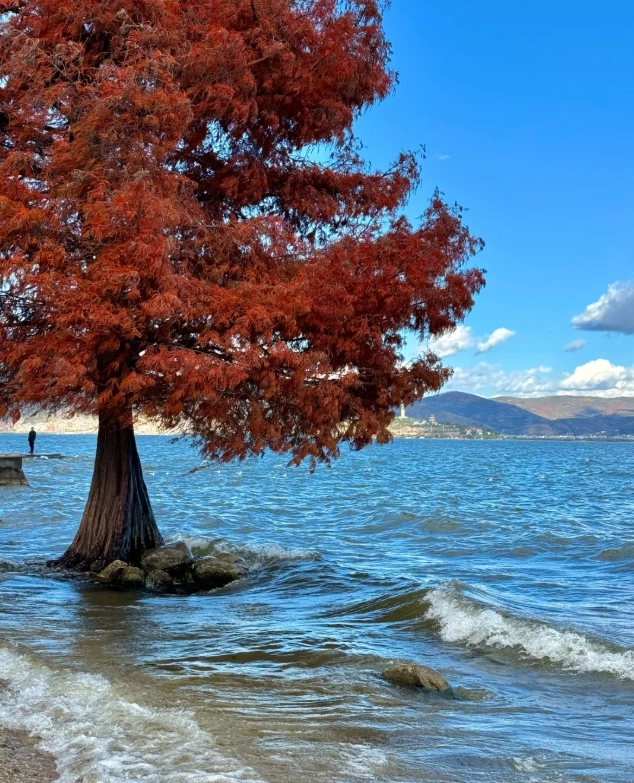
Where to Stay in Dali This Winter: I Tested the Neighborhoods
I've slept in most pockets of Dali across winter seasons. North gate area is my top pick for first-time visitors. It's quieter than the south gate, rides the bus line, and you'll save money on meals. Here's a comparison to help you choose:
| Area | Vibe | Winter Price Range/night | Best For |
|---|---|---|---|
| North Gate (Old Town) | Local, quiet, practical | 150-300 CNY | Budget-minded travelers; easy bus access |
| South Gate (Old Town) | Restaurants, lively, noisier | 200-400 CNY | Food lovers who want nightlife |
| Caicun Village (Lake West) | Agricultural fields, lake views | 180-350 CNY | Photographers and cyclists; quiet afternoons |
| Shuanglang (Lake East) | Hipster cafés, lake views, wind | 250-500 CNY | Insta-worthy stays; but too cold for open-air terraces |
In winter, look for a property that advertises underfloor heating or at least a real heater. Air-conditioning units struggle in Dali's winter because the air is dry but the cold is penetrating. A courtyard place with a sunroom is gold. Also confirm that the guesthouse has a common area with hot water for tea — that little detail can make your evenings much more enjoyable.
I keep coming back to a small courtyard two blocks off the north gate that charges around 180 yuan a night in winter. It has underfloor heating, which is rare in this price range, and the owner speaks enough English to help you order the right breakfast noodles. I'm not naming names — search booking platforms for "Dali north gate" and filter for "courtyard" and "heating." You'll find similar gems.
Dali Winter Food Guide: What to Eat and Where
Winter food in Dali is about heat — both temperature and chili. You're in the right place for mushroom hotpots, rice noodles, and yak-butter tea. Here's what to look for:
- Ersi (rice-flour noodles): Slippery, mildly sweet noodles in a meat broth. Look for stalls in the ancient town's morning market. My fix: ask for "with pea flakes" — the vendor will know.
- Mushroom Hotpot: Dali's pine mushrooms are world-class. The broth is brewed, and the dipping sauce is absurdly spicy. I always let the server know "bu la" if I want less heat.
- Yellow Chicken Casserole (Huangmenji): A clay-pot dish with chicken, bacon, and potatoes. The one at Fuxing Road near the South Gate is my late-night go-to.
- Baba: A griddled flatbread filled with scallions, pork, or red beans. Best eaten hot from the coal stove while wandering the streets.
- Three-Course Tea: Not a meal, but an experience. Bitter, sweet, and "aftertaste" — it's served in Bai households. You can try it in Xizhou or Zhoucheng for a few yuan.
Where to find them: Head to the north gate night market for street stalls, and the alleys around Renmin Road for sit-down spots. Don't over-plan; in Dali, following the crowd of locals usually leads to the right dish.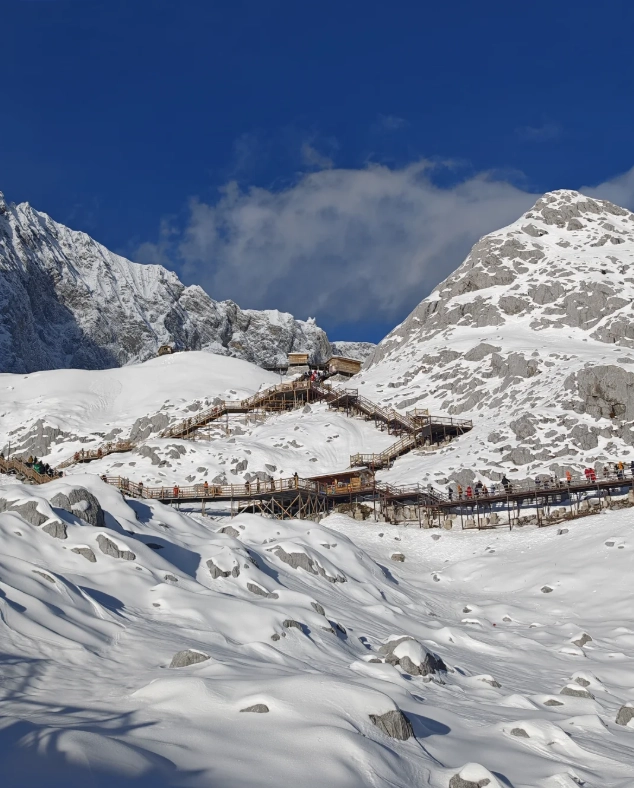
Are There Hidden Spots in Dali Winter Itinerary? Yes—Here's Where
Most tourists rush to Shuanglang and miss the calm beauty of Dali's western shore. One of my winter favorites is the paved walking and cycling path from Caicun to Xizhou — the Erhai Lake Ecological Corridor. It's wide, well-maintained, and almost empty in winter. You'll see locals fishing and drying fish, not a tour group in sight.
Another hidden gem is the Jade Belt Trail on Cangshan, a flat walking path on the mountain's waist. It's not the cable car, but a gentle walk above the lake, with views that make you forget you're on a continent. To access it, ride the Gantong cable car and follow the signs — it's an easy 2-hour walk before you head down.
My third surprise for you: the village of Longkan (Dragon's Mouth) on the northeast shore, a small hamlet with an old pier where you can watch the clouds stack behind snow-covered peaks. It's not on the main tourist maps, but your Didi driver will know it. Just remember to rest before the return trip — the wind can be relentless.
FAQ: Dali Winter Trip Answers That Actually Help
Winter in Dali isn't the "dead season" that travel agencies pretend it is. It's a season of empty lanes, steaming noodle bowls, and white-capped mountains reflected in a glassy lake. With this Dali winter itinerary in your pocket, you're already ahead of the crowds.






No comments yet.