 Ling Wu
In This Guide
- Wudang Mountains at a Glance
- How to Get to Wudang Mountains
- Wudang Mountains Tickets & Booking
- Best Routes for One or Two Days
- Top Attractions: Nanyan, Zixiao, Golden Summit
- Digital Survival: VPN, Maps, Payment
- Where to Stay Around Wudang
- Eating on and near Wudang Mountain
- Insider Tips to Avoid Crowds & Scams
- FAQs for Wudang Mountains
Your phone just went dead — and I'm not talking about the battery. China's Great Firewall killed your Google Maps, and the taxi driver is staring at you while your Alipay refuses to pay. That's a classic Wudang welcome. That's exactly why I wrote this Wudang Mountains English guide — to get you ahead of those frustrations.
I've guided dozens of foreign tourists through these Taoist peaks. The first question I always get is: Will I struggle if I don't speak Chinese? Honestly, not if you know what to do. The secret is simple: most of your trip problems happen at the entrance, not on the mountain. Tickets, transport, and connectivity cause 90% of the headaches. This guide fixes those first.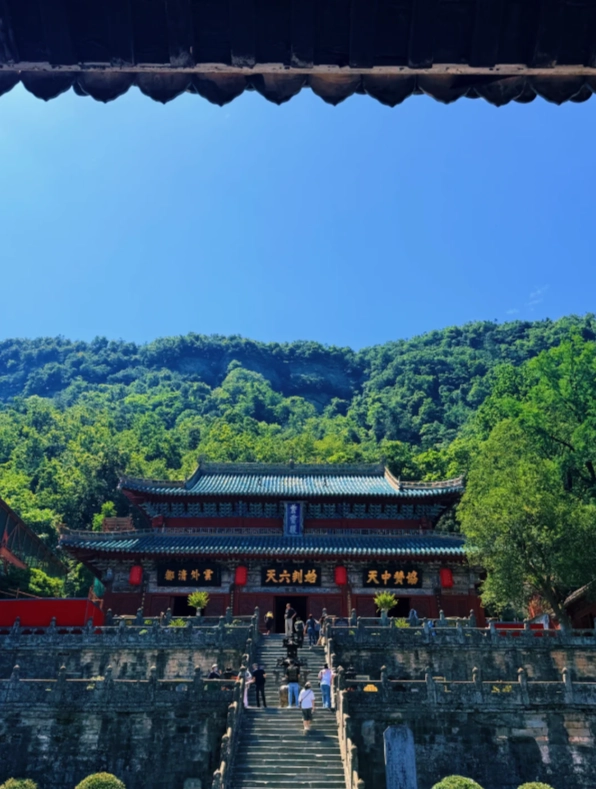
Wudang Mountains at a Glance
The essentials every foreign visitor needs to know before planning. Wudang is a UNESCO World Heritage site and a sacred Taoist mountain complex with 72 peaks, ancient palace buildings, and the renowned Wudang kung fu schools. It's not just a hike — it's a pilgrimage.
| Item | Details |
|---|---|
| Official name | Mount Wudang (Wudang Shan) |
| Main ticket price | Around 130-140 CNY (excluding sightseeing bus and cable car) |
| Sightseeing bus (inside park) | About 100 CNY mandatory unless you hike the whole way |
| Cable car (Jinding) | Roughly 170 CNY round trip |
| Opening hours | 07:00-17:00 (varies by season; last entry around 16:00) |
| Best time to visit | April-November (avoid Chinese holidays like Oct 1) |
| Minimum recommended time | One full day for the Golden Summit; two days to do it justice |
Keep in mind these prices are from my last visit — always check the official Wudang Mountains Tourism website or your booking platform for current rates. They do adjust.
How to Get to Wudang Mountains
By Plane: Wudangshan Airport (WDS)
The fastest option for many long-haul travelers is the Wudangshan Airport, just 20 km from the scenic area. It has direct flights from Beijing, Shanghai, Xi'an, and a few other major cities. From the airport, a taxi to the ticket gate costs about 60-80 CNY and takes roughly 40 minutes. You can also pre-arrange a ride via Trip.com or your hotel.
By High-Speed Rail: Wudangshan West Station
The most stressful yet common route is arriving at Wudangshan West Station. This station is on the Wuhan-Shiyan high-speed railway. From Wuhan (Wuchang or Hankou), trains run almost hourly and take approximately 2 hours. Price is around 100-150 CNY for second class. Once you exit, ignore the touts pulling you toward private cars. Walk past the bus stop to the taxi queue; a metered taxi into the scenic area tourist center costs about 30 CNY and takes around 10 minutes.
If you're coming from Shiyan city itself, be aware that Shiyan's main railway station (Shiyan Railway Station) is older. Take a bus from there to the airport or directly to the scenic area — but using the high-speed station is much easier.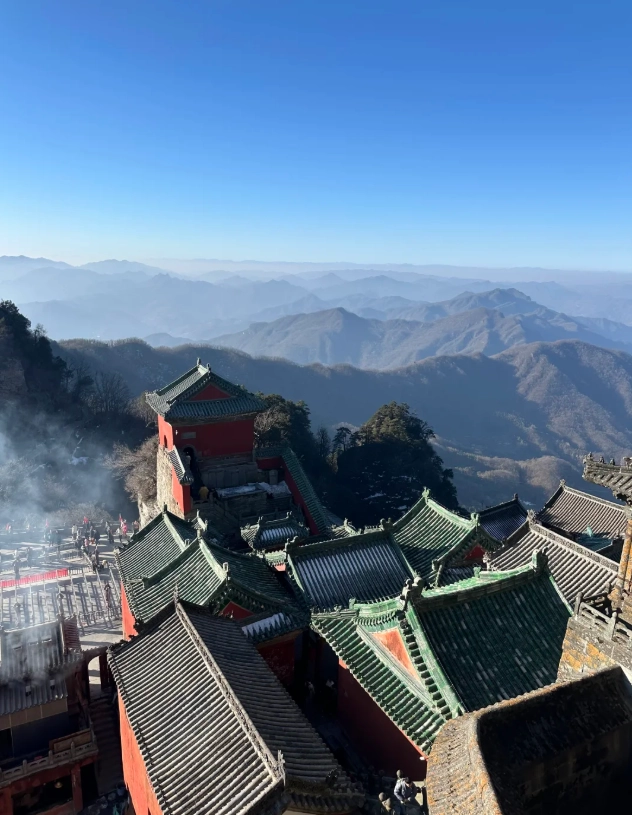
By Bus or Private Car
Long-distance buses from Wuhan, Xiangyang, and Shiyan run to the Wudangshan town. But the bus station is a bit chaotic for non-Chinese speakers. Honestly, I always recommend the train or flight unless you're already on a road trip. If you do take a bus, ask the driver to stop at the Wudangshan Scenic Area Ticket Center (not the old town bus station, which is far from the entrance).
Wudang Mountains Tickets & Booking: The Insider Method
This is where most foreigners lose their cool — and hours. The ticket office has separate windows for Chinese ID cards and passports, plus a QR-code scanner for online pre-bookings. If you show up without a pre-booked ticket in summer, be prepared for a 30-40 minute wait in the heat.
Ticket Structure Explained
You don't just buy a single ticket. You need:
- Scenic Area Entrance Ticket – covers access to all temples and trails (excluding some optional spots).
- Sightseeing Bus Fee – mandatory for the main route unless you want to walk a monster of a road between points.
- Cable Car Ticket (optional) – for Golden Summit, payable separately.
Most foreign travelers aren't expecting this combo, so they end up scrambling at the ticket window. Don't be that person.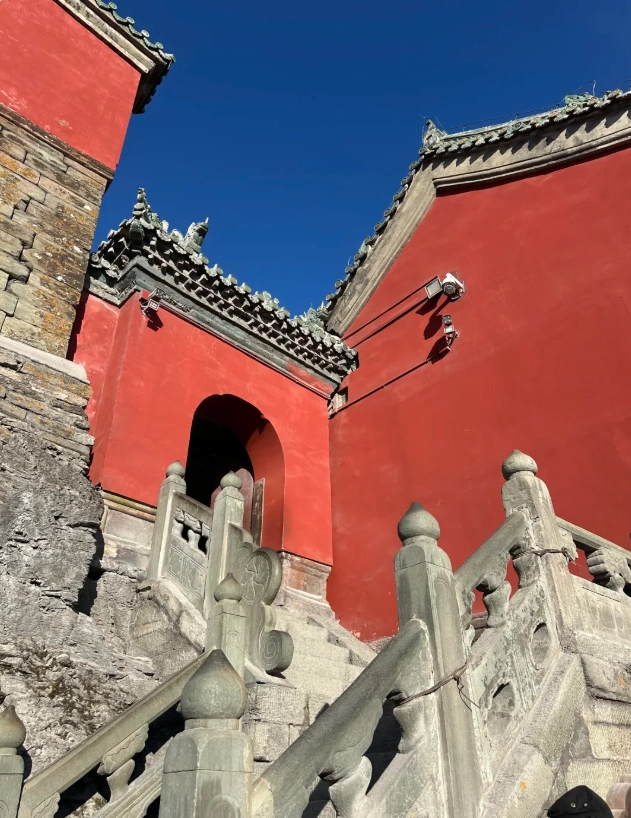
Passport Real-Name Registration
Keep your passport physically with you at all times — you'll need it to enter the park and to buy tickets at any counter. The system is strict about real-name verification. If you book online, you'll need to input the passport number; some platforms require a photo of the passport's info page. The QR code you receive acts as your entry pass.
How to Book Without a Chinese WeChat
Here's the good news: you don't need to fight with WeChat mini-programs. Use Trip.com (international) or Klook — both have English interfaces and accept your passport for booking. Search for "Wudang Mountain" and you'll find a combo ticket that includes the entrance and sightseeing bus. The QR code will be emailed to you, and you just show it at the scanner gate. I always tell my clients to reserve at least 2 days ahead during peak periods, and 1 day earlier normally.
If you've already arrived and didn't book, you can try the official Chinese ticket platform (often a WeChat mini-program called 'Wudang Tong' or similar), but that requires WeChat Pay and Chinese reading. Instead, head directly to the counter for foreign passports — it moves faster, and staff typically speak basic English.
Best Routes for One or Two Days
Your time is precious — here's how I'd spend it if I were leading you up myself. There's no way to see absolutely everything, so accept that and prioritize. These routes include transport and meal breaks, because climbing Wudang on an empty stomach is painful.
One-Day Fast Track: Cable Car Up, Walk Down
This is the classic tour group route, and it works. It's a long day but doable.
- 08:00 – Enter the scenic area at the main gate, take the sightseeing bus directly to the Taizipo stop (also called Prince Slope). Walk up the ancient steps to see the famous dragon-topped gate and the pristine walls. Spend 45 minutes.
- 09:15 – Hop back on the bus to Nanyan Palace. This is the dramatic red temple clinging to a cliff. Spend about 1 hour. The toilet here is clean but queued; use the one at Taizipo if possible.
- 10:30 – Bus to the Purple Heaven Palace (Zixiao) — the largest existing palace complex. Walk around, soak in the feng shui. 45 minutes.
- 11:45 – Bus to the Jinding cable car station. Eat lunch now at the small restaurants near the station (more on that later).
- 13:00 – Take the cable car up to the Golden Summit. The line moves fast, but avoid 11:30-13:00 when tour groups swarm. Once up, walk through the Golden Palace and around the peak. 1.5 hours.
- 15:30 – Instead of riding down, hike down the 999 steps ( Ming Shen Dao ). It takes about 1 hour, and your knees will grumble, but the views are worth it. Slow down on the slippery, smooth stones — I've seen people twist ankles here.
- 16:30 – Take the sightseeing bus back to the visitor center. Then head out to dinner.
This route skips the other minor trailheads and the climb up from the middle station. It's packed, but you'll see the three most revered spots.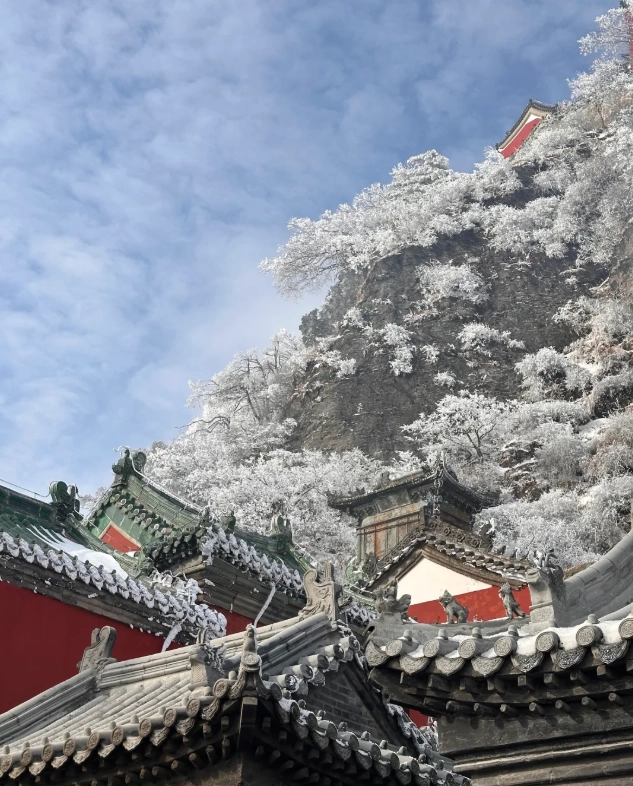
Two-Day Leisurely Route: Stay on the Mountain
If you have two days, you gain the luxury of sunrise at the Golden Summit without the morning crowd rush. Here's a realistic plan:
- Day One: Arrive early, drop bags at your mountain-side hotel, then explore Nanyan, Zixiao, and Taizipo at a gentle pace. Watch the sunset from Nanyan cliff overlook. Dinner at your hotel or a local restaurant.
- Day Two: Get up before sunrise, take the first cable car (starts around 07:30) up to Jinding. Enjoy the summit with almost no tourists. Then hike down or take the cable car down to explore the smaller areas like Qiongtai Middle Temple. Leave in the afternoon.
If you're into kung fu, add a morning at the Wudang Tai Chi Academy or the Fu Hu Shan Fang group — they offer hour-long classes for beginners. Search for English-friendly schools online before you go; many have guesthouses attached.
Top Attractions: Nanyan, Zixiao, Golden Summit
Nanyan Palace (Nanyan Gong)
This is the money shot you've seen in postcards. The palace is built into a dangerous cliff, and the main hall called "Qingxi Hall" is suspended on wooden posts. Visually, it's breathtaking. Be mindful of the railings; they're sturdy but the crowds can push. The best photo is from the nearby overlook, not at the entrance gate. I usually tell my clients to walk to the end of the cliff path and look back — that's where the composition works.
Purple Heaven Palace (Zixiao Gong)
One of the largest and best-preserved Taoist palaces in China. It sits on a raised platform that gives it a commanding presence. There are ancient cypress trees said to be over 600 years old. The main hall houses a famous bronze+gold statue of the Celestial Emperor. This is also a place where you'll see Taoist monks in flowing robes — more real than at touristy sites. Allow time to sit on the steps and soak in the energy.
Golden Summit (Jinding)
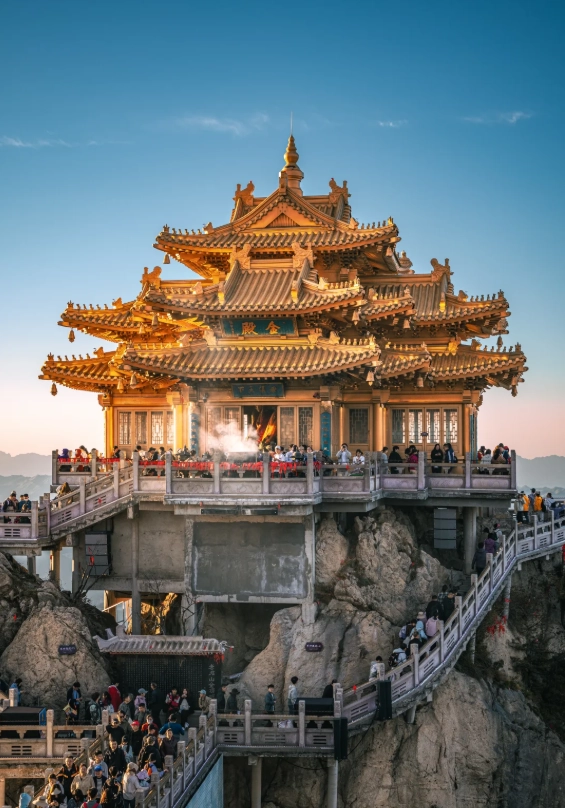
The peak is crowned by the Golden Hall — an entire bronze-gilded temple with a statue of the Sacred Emperor. With its status, it attracts a constant flow of pilgrims and tourists. The summit viewing platform gives panoramic views over a sea of green ridges. In summer, clouds often drift below you, making it feel otherworldly.
Now, the cable car question: To hike or to ride? If you're reasonably fit, the hike from the middle cable car station up to Jinding takes around 3 hours (the famous 999 steps from the old path). But the path is steep and feels never-ending. I've had clients run out of water. The cable car only takes about 5 minutes and saves you hours. My rule: take the cable car up, and if you want exercise, walk down. It's safer and nicer for the legs.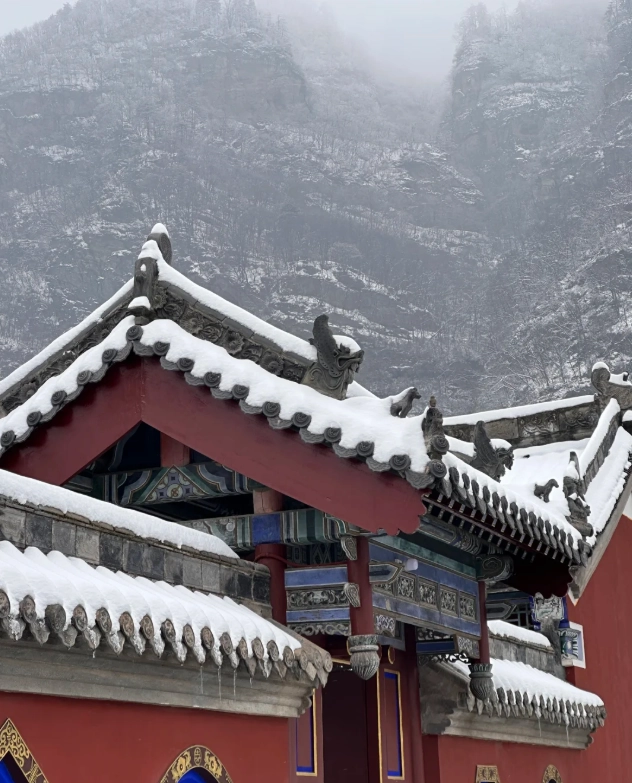
Digital Survival: VPN, Maps, Payment
It's 2025, and almost everything in China runs on Alipay and WeChat Pay — plus your phone needs to break through the Great Firewall first. This section is the real gold.
Set Up a VPN Before You Land
While you might get lucky with some international apps in China, Google, Gmail, Instagram, and even some overseas banking apps are blocked. To make booking and staying in touch easy, install a reliable VPN on your phone before arrival. ExpressVPN and NordVPN both work reasonably well — maybe not always perfectly, but enough for messages. You'll need to keep the VPN running intermittently.
Navigation: Skip Google Maps, Use AMap (Global)
Google Maps will fail to load, even with a VPN, because it lacks China deals. The most straightforward alternative: Apple Maps in China uses AutoNavi (AMap), which works offline and in English. If you're an Android user, download AMap Global (高德地图) directly from the app store and set it to English. Both will get you to the exact entrance. When sharing an address with a taxi driver, have the Chinese address ready — either in your app's history or saved as a note. If you're hailing a ride with Didi, it automatically uses the app's internal map, so you don't need to worry about printing the address.
Paying: WeChat Pay, Alipay, and Cash
Most restaurants, hotels, and shops accept Alipay and WeChat Pay. Both allow linking an international credit card (Visa/Mastercard). Set this up before you leave home — do not wait until you're at a ticket counter. Once linked, you can also pay into Chinese bank accounts, which is necessary for some mini-programs.
For small rural vendors, cash is still king. Carry about 200-300 CNY in small notes (¥20 and ¥10) for emergency snacks or entrance fees at tiny temple gates that might not have QR codes. International cards are rarely accepted at the park itself — only at hotel front desks and some travel agencies. So don't rely on your card.
Where to Stay Around Wudang
Base yourself in one of three zones: Shiyan city, the town of Wudangshan at the foot, or inside the scenic area itself. Each has pros and cons, and I'll break them down for you.
| Zone | Distance to Gate | Price per Night | Best For | Pros | Cons |
|---|---|---|---|---|---|
| Wudangshan Town | 10 min walk | 150-500 CNY | Budget to mid-range, convenience | Restaurants, ATM, easy access to gate | Touristy, no mountain vibe |
| Inside scenic area (e.g., Nanyan, Zixiao) | On site | 400-1200 CNY | Immersive, sunrise, quiet | Stay inside the park, watch sunrise at Golden Summit | Must carry bags, fewer choices, pricier |
| Shiyan City | 40 min drive | 200-800 CNY | Business travelers, comfort | Better hotels, nightlife | Daily commute eats time |
For your first visit, I'd recommend staying in Wudangshan Town — not the old downtown, but the modern tourist street (Shiquan Road) closest to the ticket center. It's walkable, packed with restaurants, and you'll find international-level hostels like Wudang International Youth Hostel. They have a foreign-friendly front desk and a reputation for helping with bookings.
If you appreciate nature, consider booking a night at a guesthouse inside the scenic area near Zixiao Temple. Waking up to fog rolling over the red walls is something you don't forget. Need a trusted option? Check Trip.com for "Zixiao temple area hotels" and read the reviews — many are run by Taoist families and include vegetarian meals.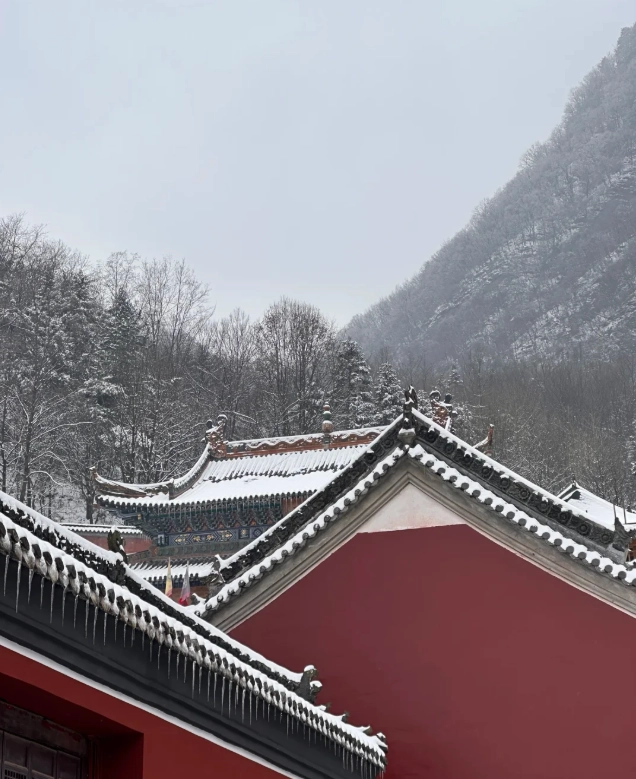
Eating on and near Wudang Mountain
Food has a strong local karakter: spicy, hearty, and with plenty of wild mountain ingredients. You'll find dishes like Wudang mushroom steamboat, stir-fried local mountain veggies, and Biyun Long bamboo shoots. Many restaurants in the scenic area label vegetarian options because of the Taoist tradition — look for the green "素" symbol.
Regarding payment, most sit-down restaurants in town accept WeChat Pay and Alipay. Cash is also okay but they might scratch their head at big notes. English menus are hit and miss; I keep a ready note on my phone with a few Chinese characters like "素" (vegetarian) and "辣" (spicy).
Insider Tips to Avoid Crowds & Scams
Over the years, I've watched travelers fall into the same traps. Here's how to stay ahead.
- Wake up early: The scenic area begins selling tickets at 07:00, but the first official sightseeing buses from the gate run at around 07:30. Aim for that first bus. You'll have the trails mostly to yourself until 10:00.
- Beware of fake "ticket agents" just outside the visitor center. They'll approach you with fast-track passes at inflated prices — all they do is buy a normal ticket. Politely say no and keep walking to the official building.
- Wear lightweight hiking shoes, not sneakers: The stairways are often wet and slippery. I've seen falls on the Main Spirit Road (to Jinding). Non-slip soles are a lifesaver.
- Bring your own toilet paper: Public restrooms rarely provide it, and the vendor outside charges a fortune. I always stuff a few tissues in my pocket.
- Don't believe the "monks" who ask for money for blessings or incense. Genuine Taoist monks within the temples do not solicit money on trails — they'll bless you freely.
Once a tourist told me he was scammed by a casual "kung fu master" who offered him a private lesson in a back alley for 500 CNY. The lesson was nothing but a few tai chi moves filmed on his phone. The only trustworthy training is at established schools inside the scenic area, always on-site and charging public rates.
FAQs for Wudang Mountains
Verified and fact-checked by the editorial team.





No comments yet.