 Ting Chen
Quick Navigation
Dali is stunning. And if you're anything like my typical guests, you're also utterly confused about how to fit it all in.
I've spent years guiding travelers around Yunnan, and I've seen the same panic unfold: two-day visits packed with rushed temple-hopscotch, failed payment apps, and a complete miss of what makes Dali truly special.
This Dali 2-day itinerary is the exact route I've perfected with my clients—a plan that lets you experience the ancient city's morning poetry, cycle the shores of Erhai Lake, and still have energy for a local dinner that isn't a tourist trap.
Here's the kicker: most visitors waste hours in the middle of the day when the streets are packed. Start at 7:30 AM and you'll have the cobbled lanes nearly to yourself. That one change will transform your entire trip.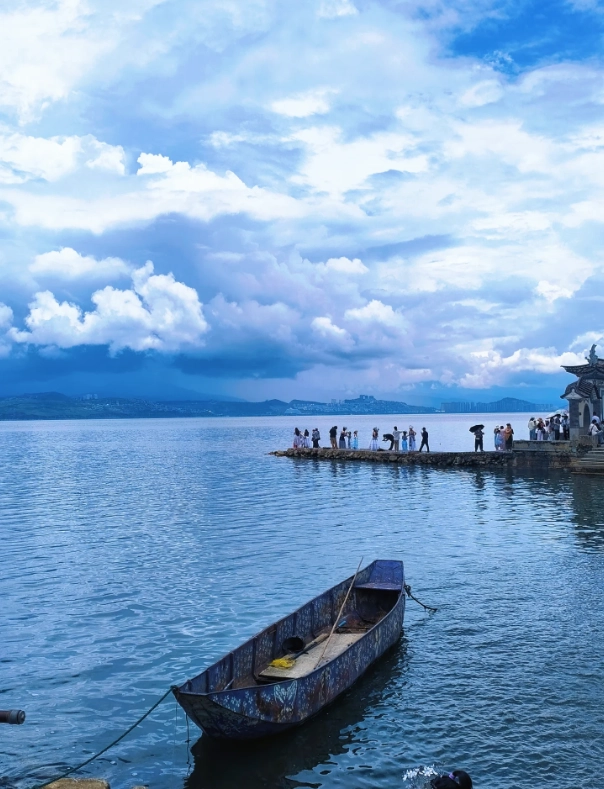
Why Trust This Dali 2-Day Itinerary?
I'm not a travel agency that's never been to Dali. I'm a local guide who has personally walked every route in this plan—more than 50 times. I know which spots are genuinely worth your time and which are pure Instagram bait. This itinerary is built around three rules: start early, stay local, and don't over-schedule. You'll see the icons without feeling like a stampede survivor.
Day 1 of the Dali 2-Day Itinerary: Ancient City & Three Pagodas
Day one focuses on the Dali Ancient City and the famed Three Pagodas—the two sights that usually top every first-timer's list. Here's how to do them without wasting precious sunlight.
7:30 AM – 9:30 AM: The Ancient City, Before the Crowds
Start at the South Gate (Nancheng), the main entrance to Dali Ancient City. It's free to enter, so you don't need a ticket. But here's a detail most guides won't tell you: the gate faces east, so at 8 AM the light hits the old city walls beautifully—perfect for photos without a single tour group in sight.
Walk north along Fuxing Road, the main pedestrian street. Shops won't be fully open yet, but that's the charm. You'll see local residents sitting outside with their morning tea, and street vendors setting up. I always tell my clients to take a detour into the side alleys—especially Renmin Road and Yangren Jie (Foreigners' Street). The main street is a corridor of identical silver shops; the real life is one block over.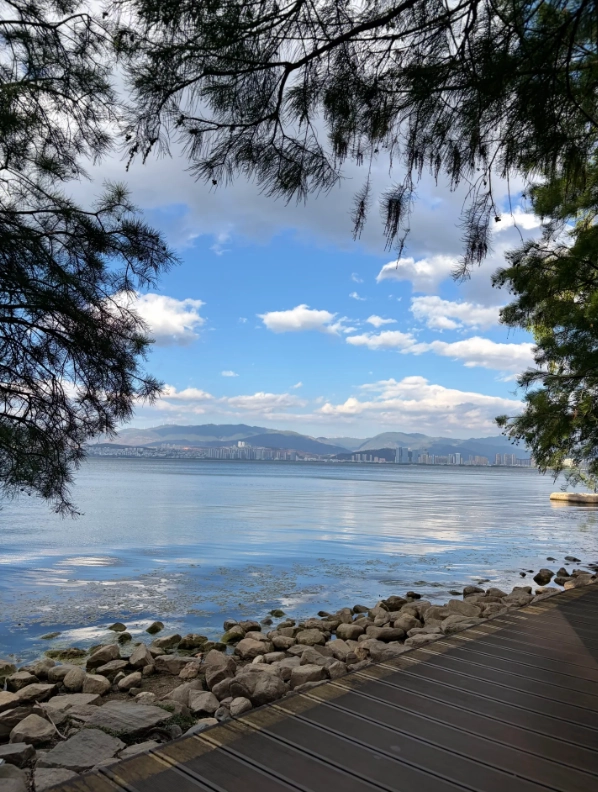
Insider Advice: If you see a stall selling ba ba (a flaky flatbread), grab one for breakfast. It's the local staple, and it's cheap, filling, and delicious. Just don't eat the ones that have been sitting out—ask for a fresh one from the oven.
9:30 AM – 12:00 PM: Three Pagodas and Reflection Park
The Three Pagodas (Chongsheng Temple) are about 1.5 km north of the old city's north gate. You can walk there in 20 minutes, but I prefer to take a shared e-bike or a local taxi (about 10 RMB) to save energy for walking inside.
Entry to the pagoda area costs roughly 75 RMB for adults (children under 1.2m free, seniors over 70 free). You must bring your passport for real-name registration. Book your ticket online via Trip.com or the official WeChat account to avoid queueing—the process takes about 2 minutes. The site opens at 7:00 AM, but I recommend arriving by 10:00 AM at the latest, because the tour groups start flooding in around 11.
Don't just snap a photo of the pagodas and leave. Walk to the reflection pond at the back. That's the spot for the classic shot of pagodas mirrored in water, and it's almost empty in the morning.
- Admission: ~75 RMB (adults), free for kids under 1.2m
- Hours: 7:00 AM – 6:30 PM (last entry 6:00 PM)
- Booking: Required; use passport on Trip.com or WeChat mini-program
- Time needed: 2.5 hours
Pro Tip: The entire temple complex is uphill. If you have mobility issues, there's a golf cart service that costs 20 RMB each way—worth it.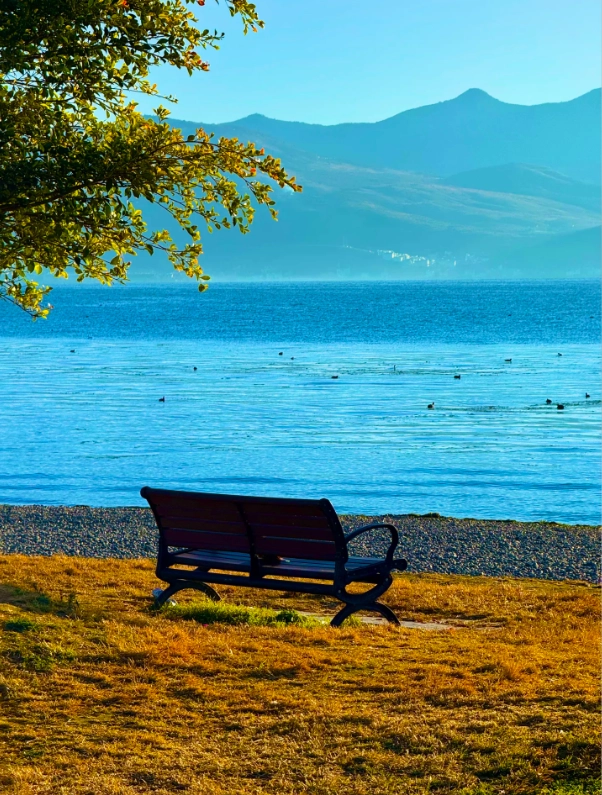
12:00 PM – 1:30 PM: Lunch at a Local Cang'er Restaurant
Tourists flock to the big eateries on Fuxing Road. I avoid them. Instead, walk 10 minutes to Renmin Road and look for a small restaurant called Duan's Kitchen. It's local-run, has a picture menu, and the owner speaks a little English. Order the cang'er (a stir-fried fern) and baoshu fish (crispy fish with sour bamboo shoots). Expect to pay around 40–60 RMB per person.
Here's the catch: they only accept mobile payment (Alipay or WeChat). No cash, no international cards. If you haven't set up Alipay yet, this is the moment—or ask your hotel to order takeout for you.
1:30 PM – 4:00 PM: The Ancient City at Leisure
The afternoon heat and the tour groups are at their peak now. This is the time to go shopping or sip coffee on a quiet terrace. One of my favorite spots is the Dali Bakery at 182 Renmin Road. It's a converted traditional house with a courtyard, and they do an excellent Yunnan coffee. Sit in the back garden and you'll feel a world away from the crowds.
If you're into history, visit the Dali City Museum (free, closed Mondays, 2 hours). It's underrated and gives you great context on the Bai ethnic minority culture.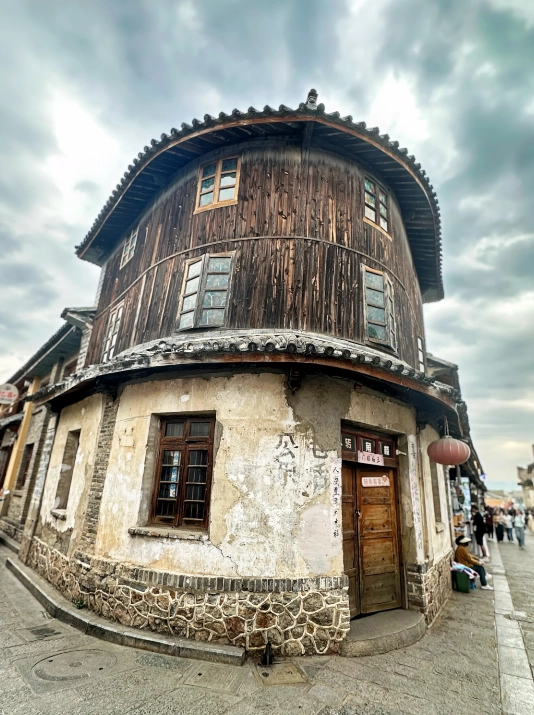
4:00 PM – 6:00 PM: The Ancient City to Erhai Lake Stroll
Now, take a walk to the Erhai Lake view corridor at the east side of the city (about 30 minutes on foot or 10 minutes by e-bike). The light in the late afternoon is golden, and the lake looks like liquid bronze. This is free, and almost nobody from the morning crowds is there.
6:00 PM – 9:00 PM: Dinner and the Night Market
For dinner, skip the highly reviewed but tourist-oriented places on the main street. Go to the night market on Yuxiu Road, which starts around 6:30 PM. Here you'll find grilled skewers, roasted cheese (the Dai-style ru shan), and local hand-pulled noodles. Prices are half what you'd pay in the old town restaurants.
Try the dali meishi (a milk-based dessert) for a sweet finish. You'll need to use Alipay or WeChat—cash is rarely accepted anywhere at the night market.
By 9 PM, you'll be tired. Head back to your guesthouse and rest—tomorrow is a big day.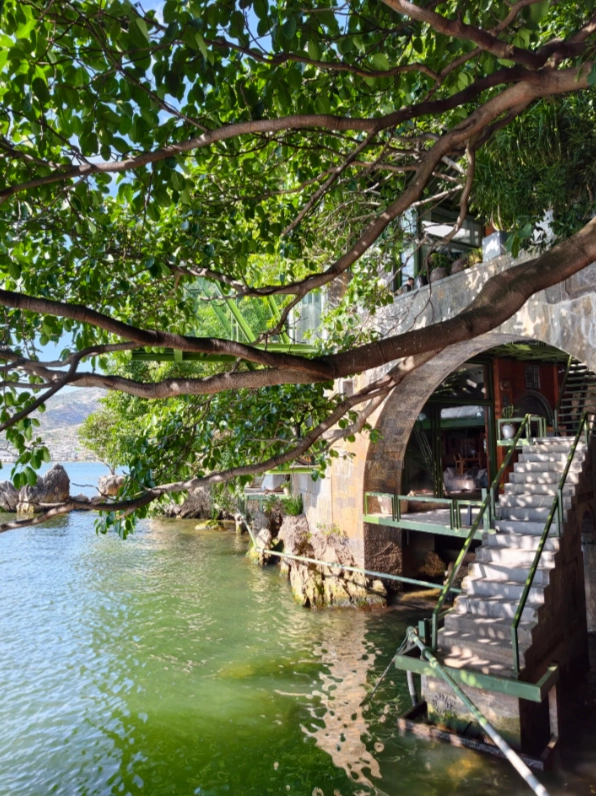
Day 2 of the Dali 2-Day Itinerary: Erhai Lake & Villages
Day two is all about cycling the eastern shore of Erhai Lake and hopping between Bai villages. This is the day that belongs on your Instagram, but it's also the one where you'll feel the real Dali vibe.
8:00 AM – 8:30 AM: Pickup and Bike Rental
Meet your driver at the north gate of the old city. You'll want a chartered electric car or motorbike taxi to take you to the Caicun Village waterfront (about 20 minutes, 30 RMB). At Caicun, rent a bicycle from one of the many stalls. Prices are around 30–50 RMB for the day, and they're all e-bikes that you can pedal or use the electric assist.
Rent before 8:30 AM, because the good bikes go fast.
8:30 AM – 12:00 PM: Cycle from Caicun to Xizhou
This stretch is the perfect introduction to Erhai Lake. You'll ride along the western shore, where the lake meets the Cangshan mountains. The path is flat and well-paved, so it's easy for beginners. Expect to take 2–3 hours with plenty of photo stops.
Along the way, you'll pass through Haiyin Village. This is where many classic photos of the floating fishing boats are taken—but it's also a bit touristy. Instead, stop at the less-known Wucun for a quiet break. There's a tiny lakeside café with an iconic white door that's become a local secret.
At Xizhou, lock your bike and explore the Bai old town. Don't miss the Xizhou market, which is busy in the morning. Try the xi zhou ba ba (the famous stuffed flatbread) from a stall near the north gate. It's only 10 RMB and worth every bite.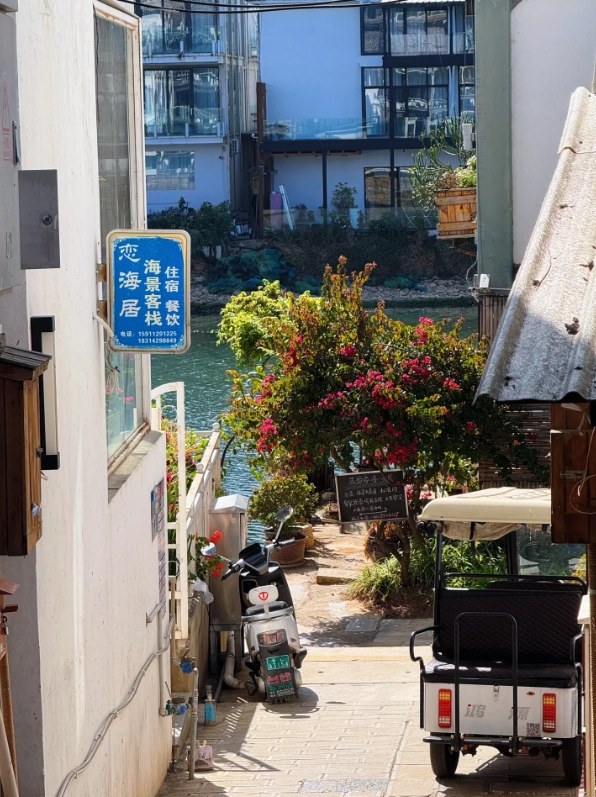
12:00 PM – 1:00 PM: Lunch in Xizhou
In Xizhou, eat at Bai Family Restaurant (address: 124 Jiao Bai Road), which is inside a traditional Bai courtyard. Order the suan la yu (sour and spicy fish) and bai zhu (a kind of mushroom). Expect ~60–80 RMB per person. They have some English menus and are used to foreigners.
Payment: Alipay or WeChat accepted; cash not accepted.
1:00 PM – 3:30 PM: The Eastern Shore Drive
After lunch, you have two options: cycle back (another 2.5 hours) or take a short taxi/e-bike back to get your luggage. I actually recommend you hire a bike guide to transport your bike back while you take a car for the next part—this costs about 50 RMB extra and saves you precious time.
Next, take a local bus or taxi to the Shuanglang Ancient Town (about 30 minutes). Shuanglang is the instagrammable village on the eastern shore, built on a steep hillside overlooking the lake. It's popular, but for a reason: the views are unbeatable.
Skip the main pedestrian street crowded with shops selling the same items. Instead, walk up to the Kuanjing Terrace for a panoramic view. It's a 15-minute climb, but worth it for the sunset.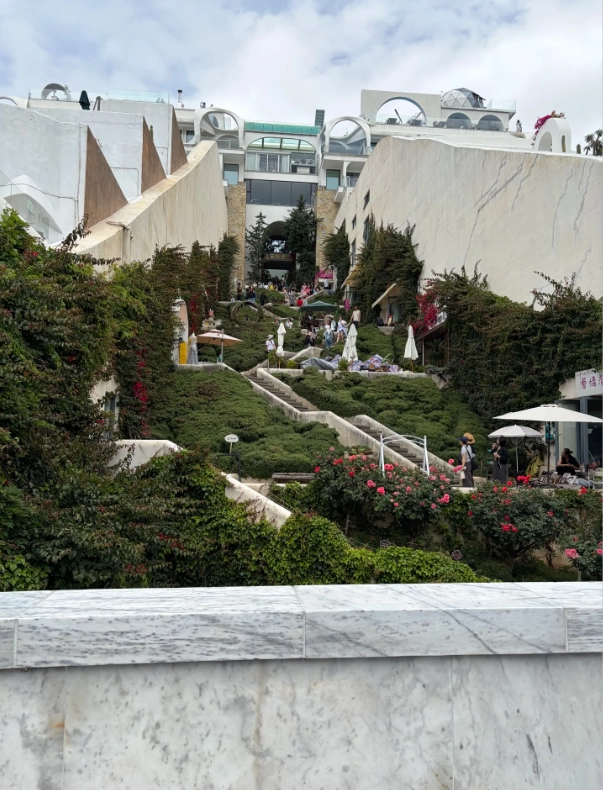
3:30 PM – 6:00 PM: Return to Dali Old Town
Catch the local shuttle bus from Shuanglang to Dali Ancient Town (every 20 minutes, 25 RMB, 45 minutes). Or, if you're tired, hire a car for 80 RMB and sleep on the way.
Once back, you have the evening free. If you're not exhausted, join a folk music session at Bad Monkey Café (8 PM, free) or simply watch the nightlife from a rooftop bar.
6:30 PM: Farewell Dinner
For your last dinner, I recommend Mu Na Huang Liao (address: 12 Yuxiu Road), a hot pot place with excellent local lamb. It's somewhat off the radar for tourists, but the locals queue for it. Arrive before 7 PM to avoid waiting. Order the mushroom hot pot and a side of yam dumplings. Budget ~100 RMB per person.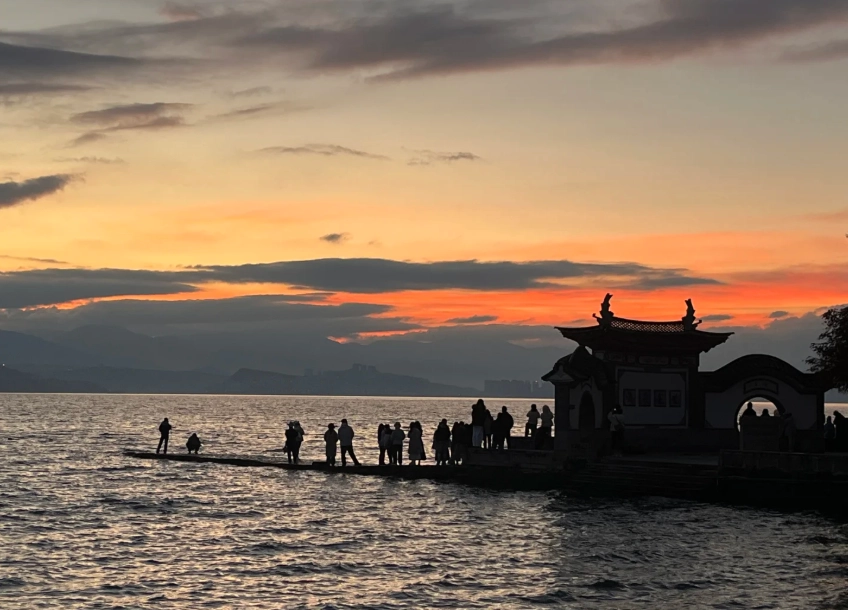
How to Get Around Dali in 2 Days?
Getting around Dali is easier than you think, but there are a few Dali-specific quirks that can trip you up.
From Dali Airport to the Old Town
The airport is about 30 km from the old city. A taxi costs roughly 100–120 RMB and takes 40 minutes. There's also an airport shuttle bus to the old city for 25 RMB, but it only runs when flights arrive. If you're tech-savvy, use DiDi (China's Uber) — it's about 80 RMB and available 24/7.
Within the Old Town
- Walk: The old city is compact, and you can see most sights on foot.
- E-bikes: Rental shops are everywhere, roughly 20–30 RMB per hour.
- Shared minibuses: For nearby villages, look for minibuses that leave from the north gate—cheap but a bit chaotic.
To Erhai Lake and Beyond
| Route | Best Option | Cost | Time |
|---|---|---|---|
| Old Town ↔ Caicun Village | Taxi / DiDi | 20–30 RMB | 15 min |
| Old Town ↔ Three Pagodas | Walk / E-bike | Free / 10 RMB | 20 min |
| Caicun ↔ Xizhou (cycling) | Bike | 30–50 RMB/day | 2–3 hours |
| Xizhou ↔ Shuanglang | Bus / Taxi | 20–30 RMB | 20 min |
| Shuanglang ↔ Old Town | Shuttle bus | 25 RMB | 45 min |
Note: Google Maps is unreliable in Dali. Use Apple Maps or download AMap (Gaode) with English labels. Always have your hotel's business card in Chinese to show drivers.
What to Eat in Dali?
Dali has a distinctive Bai cuisine that's less spicy than Sichuan but full of fresh flavors. In two days, you can try these must-haves:
- Ba ba (flaky flatbread) – sweet or savory, best from a street stall.
- Cang'er (fried fern) – a crunchy green vegetable.
- Rushan (grilled cheese) – actually a rolled milk curd, often eaten grilled.
- Suan la yu (sour fish soup) – a classic Bai dish.
- Erhai lake fish – also try it steamed.
For a sit-down meal, I always recommend a small local restaurant with a picture menu. Don't be afraid to point and ask for 'no chili' (bu la) if you can't handle heat.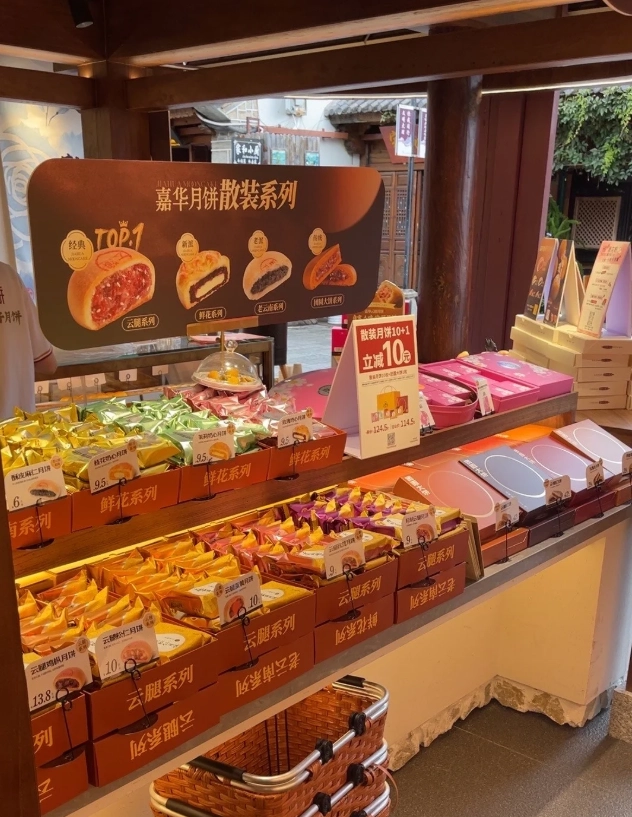
Where to Stay for the Dali 2-Day Itinerary?
Staying in the ancient city is the most convenient, but it gets noisy at night. If you want peace, opt for a guesthouse just outside the old city walls. Here's a comparison of areas:
| Area | Distance to Main Sights | Price Range (per night) | Best For |
|---|---|---|---|
| Inside Old Town | Walkable everywhere | 200–600 RMB | First-timers, nightlife lovers |
| East of Old Town (near North Gate) | 5-min walk to Old Town, close to lake | 150–400 RMB | Quieter stay, easy access to Erhai |
| Erhai Lake Shore | 10-min taxi to Old Town | 300–1000 RMB | Romantic views, honeymooners |
For the best value, I recommend the North Gate area. It's close enough to walk to breakfast, but you'll be away from the party noise. Look for guesthouses with names like Dali Mountain Inn or Harmony Hotel on booking sites like Trip.com.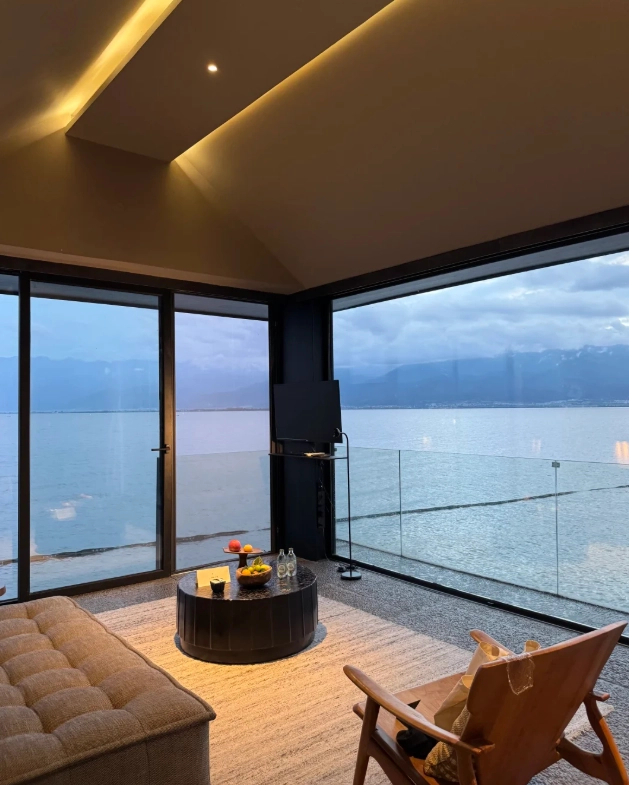
FAQs About a Dali 2-Day Itinerary
This content has been fact-checked to ensure informational precision. All ticket prices and hours are as of the latest update, but always verify on official platforms before your trip.






No comments yet.