 Ting Chen
Skip Straight to What Matters
- Why Your Choice Matters More Than You Think
- The 3 Best Areas for First Timers
- Comparison Table: Area vs. Price vs. Convenience
- What to Check Before You Book
- Insider Tips for Booking Without Headaches
- How to Navigate Dali After Booking
- Real-World Costs: Booking from a Tourist's Pocket
- FAQs: First-Time Stay Questions Answered
- Final Word from a Dali Guide
Out of breath from dragging a suitcase through Dali Old Town, I was lost for the third time that evening. My phone was dying, and Google Maps was spinning like a drunk compass. That first night in a guesthouse no one could find taught me exactly where not to stay. Now, after years of leading trips through Yunnan, I can tell you precisely where to book.
For first-timers, the question "where to stay in Dali" is a lot simpler than most travel blogs suggest. You don't need a complex ranking of fifty hotels. You need the right area, a bit of booking know-how, and a few backups for the payment chaos that often hits international visitors.
Here is the core truth I tell every client: Pick Dali Old Town for your first one or two nights, then move to the lake or Shuanglang if you crave scenery. This approach keeps your first days easy while giving you a taste of the quieter sides of Dali. In this guide, I'll dive into the nitty-gritty of each area, plus the booking traps you must avoid.
Why Your Choice Matters More Than You Think
Where you stay in Dali shapes more than just your sleeping experience. It determines your commute to Erhai Lake, how easily you can hop on a bus to Xizhou or Zhoucheng, and whether your night ends with peaceful crickets or a thumping bar soundtrack.
I've seen too many visitors book a "romantic lakeside villa" and then realize they're a 40-minute taxi ride from any restaurant open after 8 p.m. I've also seen backpackers choose a street-side room in the city and regret the noise until 2 a.m. The trick is to match the area to your travel style.
Here's the catch: the digital maps and booking sites don't show you the practical trade-offs. This guide fills in those gaps—rawn, first-hand, and with no fluff.
The 3 Best Areas for First Timers
In my opinion, almost every first-time visitor should choose between these three zones. Each one offers a memorable stay, but they vibe very differently.
Dali Old Town
Dali Old Town is still the most convenient base for first-timers, and here's the fine print. You're walking distance to the famous Renmin Road, Yangren Street (Foreigner Street), and the city gates. Food stalls, cafes, and tour shops are everywhere. The downside? It can be noisy, especially around the bustling west gate. For the best balance, I recommend staying inside the city wall but close to the East Gate (洱海门) or near the Yuer Road area. Those spots are quiet enough to sleep but close enough to the action.
Prices range from about ¥150 to ¥400 per night for a decent private room with a traditional courtyard feel. Many of these guesthouses are whole converted homes—lovely but often lacking elevators. If you're on the third floor, be prepared to haul your luggage up.
Pro Tip: Check if your room has a reliable water heater. Some old courtyard hotels use solar panels, and on cloudy days, you might get a lukewarm shower. Ask the host directly—a simple "Hot water 24 hours?" can save you a miserable evening.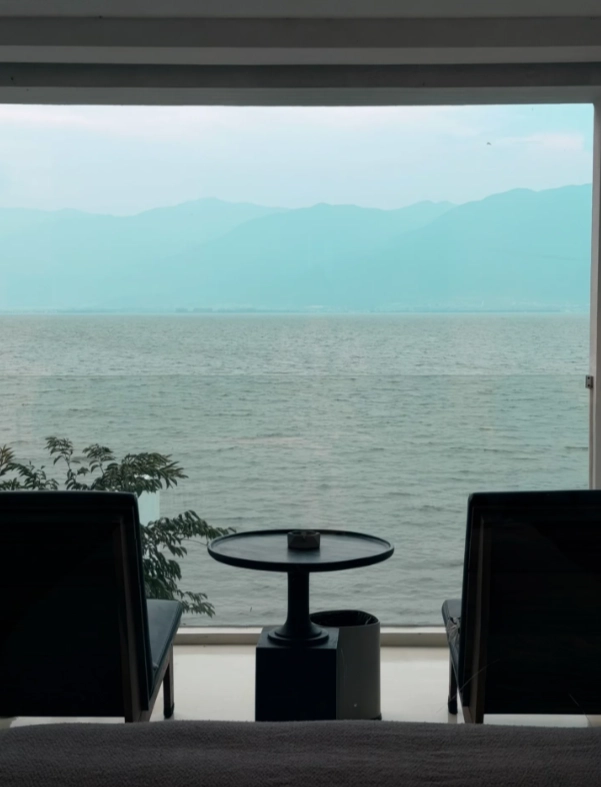
Erhai Lakeside
The western shore of Erhai Lake, especially the villages of Caicun (才村) and Longkan (龙龛), is dreamy for nature lovers. You wake up to mist rising over the water, cycle along the lake, and enjoy a calm that the old town just can't offer. The cost is slightly higher—around ¥200 to ¥600 per night for rooms with lake views—and you'll need to take a taxi or bicycle into the old town to see the main sights.
I'd book a lakeside stay if you have at least three nights or if you're okay with hitting the road early each day. What I always tell my clients: if you're planning many day trips to Erhai's cycling path, staying by the lake is a smart move. You can rent a bicycle right from your guesthouse and start your ride at sunrise, before tourist buses arrive.
Insider Advice: Don't ignore the mosquito issue. Lakefront rooms can attract bugs, especially during warmer months. Pack a tiny plug-in repellent or ask your host for one—a small detail that makes a big difference for a good night's rest.
Shuanglang Ancient Town
Shuanglang, on the east bank of Erhai, is the postcard shot of Dali—white Bai houses, blue water, and a gorgeous sunset. If you're chasing Instagram-worthy views, this is your spot. But it has a downside: it's busy. Tour buses roll in from late morning to evening, and the main strip can feel like a theme park. I recommend staying here if you arrive late afternoon, watch the sunset, and enjoy the early morning calm before the crowds.
Expect to pay between ¥250 and ¥700 per night, often for boutique hotels with balconies. The accommodation quality is impressive, but watch out for the "sea view" bait-and-switch: some rooms give you only a sliver of lake through a distant window. Always look at the exact room photos on your booking app and read recent reviews mentioning the view.
The distance from Dali Railway Station to Shuanglang is about an hour to 1.5 hours by car, depending on traffic. Keep that in mind if you're only in Dali for a weekend.
Comparison Table: Area vs. Price vs. Convenience
| Area | Vibe | Best For | Typical Price / Night | Walking to Old Town |
|---|---|---|---|---|
| Dali Old Town | Animated, historic, convenient | Solo travelers, foodies, nightlife lovers | ¥150 - ¥400 | You're already inside it |
| Erhai Lakeside (west shore) | Peaceful, natural, laid-back | Couples, photographers, cyclists | ¥200 - ¥600 | 10-15 min by taxi or bike |
| Shuanglang | Scenic, touristy, faster-paced | Photographers, sunset chasers | ¥250 - ¥700 | 40-60 min by taxi or bus |
What to Check Before You Book
Booking a hotel in China involves more than just a pretty photo. Here's your pre-payment checklist, tested through years of my own travel.
- Foreigner registration: Most hotels in China are now legally required to register international guests with the local police. For this, you must provide your passport number on check-in. Make sure the property you choose routinely accepts foreign guests. Some smaller hostels may hesitate or be unlicensed for this. If the listing doesn't say "foreign guests welcome," contact the host before booking.
- Wifi that works: Don't assume it's stable. Read recent reviews about wifi speed, especially if you need to work or VPN.
- Hot water: As I mentioned, solar water heaters are common in old towns. Ask for continuous hot water.
- Elevator or stairs: Many classic Bai-style buildings have no elevator. If you're on the third floor, you'll be hauling heavy luggage. Confirmed whether the building has an elevator.
- Soundproofing: Look for reviews that mention "noise" or "quiet hours" to avoid an unpleasant surprise.
I'd also recommend checking the exact location on AMap (Chinese mapping app) or Apple Maps instead of Google Maps. Some guesthouses show on Google Maps in the wrong spot, leading to a frustrating arrival experience.
Insider Tips for Booking Without Headaches
Now, let me save you some money and stress by explaining the booking systems in China.
Many Chinese travelers use the WeChat mini-programs or local apps like Ctrip (the Chinese version of Trip.com). For international visitors, I always point them to Trip.com or Klook. These platforms are in English, accept international credit cards (mostly), and list many Dali properties. You'll also find options for renting bicycles, local tours, and airport transfers—saving you an extra step.
Another pro move: read reviews for specific terms like "hot water", "noise", "location", and "english". Guesthouses with many Western guests usually have staff who can speak basic English and are more flexible with international visitors.
One thing that infuriates me: some travelers just book the first affordable thing that pops up and end up far from everything. Dali is not huge, but it's spread out. Always filter by the area you want—like Dali Old Town, Caicun, or Shuanglang—then sort by traveler rating.
Also, double-check the cancellation policy. Plans change, trains get delayed. A free-cancellation option is worth the few extra bucks.
How to Navigate Dali After Booking
So you've booked your stay. Now, how do you actually get there? First things first: forget about Google Maps for walking directions. It's often inaccurate in China. I use Apple Maps or the AMap Global app (it has an English interface). These will give you reliable directions.
For taxi rides, download Didi (the Chinese Uber). The English version works well, and you can type your destination in English or Chinese. Alternatively, you can just grab a taxi on the street, but you'll need the destination's Chinese name and phone number to show the driver. I always save a screenshot of the guesthouse's Chinese listing before heading out.
If you're coming from Dali Railway Station, taxis queue up out front. The fare to Dali Old Town usually runs between ¥30 and ¥50, depending on time of day. To Caicun or lakeside villages, it's a bit more. Some guesthouses offer airport/train station pickup—ask in advance and it can save you from the chaos.
Pro Tip: If you're staying in Shuanglang, arrange your pickup with the hotel. The town is a maze, and drivers who don't know the area will drop you off at the square, leaving you to drag your bags through cobblestone alleys.
Real-World Costs: Booking from a Tourist's Pocket
Let's talk money. Dali's accommodation prices fluctuate wildly with the season—especially during Chinese public holidays (National Day, Chinese New Year, etc.). Here's a realistic picture:
- Budget (¥80–¥150): Basic night in a guesthouse dorm or a simple hostel room. Expect shared bathrooms, thin walls, and limited English.
- Mid-range (¥150–¥350): Private room in a courtyard guesthouse with a good shower and a number of amenities. This is the sweet spot for most visitors.
- Premium (¥350 and up): Boutique hotels, lake-view balconies, and better soundproofing. In Shuanglang, you may easily exceed ¥700.
Remember that during holidays, prices can double or even triple. I once saw a lakeside room go from ¥400 to ¥1200 during the May Day holiday. Book at least a couple of weeks in advance if you're traveling during those periods.
Also, consider the cost of day trips and taxis. If you stay in the old town, you can walk a lot, saving both money and time. Lakeside stays are amazing but you'll likely spend ¥60–¥100 per trip if you need a taxi to the old town multiple times.
FAQs: First-Time Stay Questions Answered
I always tell clients: if you have only two days, park yourself in Dali Old Town. You can walk the gates, eat local snacks, and still arrange a quick afternoon ride to the lakeside villages. Booking a distant lakefront hotel means losing almost half a day to logistics—unless your main goal is just to relax and stare at water, then by all means choose the lake.
In low season (April–June, September–early October, excluding holidays), you can find rooms on the spot. But it's risky because many courtyard guesthouses have limited staff and may not be able to register foreign guests if they're not prepared. I recommend booking at least your first night online. It's not worth stressing out after a long train ride.
Dali is generally very safe, but choose your guesthouse carefully. Look for women-friendly keywords in reviews, lock your door at night, and make sure the place has 24-hour reception or a host living on-site. I'd avoid staying in a remote lake village at the end of an unlit road if you're traveling alone. Stick to main streets and busy villages.
Most small guesthouses do not accept international credit cards. Some take Alipay and WeChat Pay only; a few take cash. Carrying about ¥500 in cash is a smart backup. Also, note that digital wallets are the default in China, so if you can bring a pre-set Alipay account linked to your international card, you'll be far more comfortable.
I'd steer clear of the modern district of Xiaguan (下关). It's the new town and it lacks all the charm that draws people to Dali. Also, avoid booking a room directly on the main bar street in Dali Old Town—you'll be dealing with bass thumping until 2 a.m. Noise complaints are the most common issue I hear from travelers.
Final Word from a Dali Guide
The best area for your first visit to Dali depends on what you want: the old town delivers convenience and easy exploration, the lakeside offers natural calm, and Shuanglang gives you knockout views. But if you ask me, start in the old town, feel the pulse of this ancient city, and then, if time allows, let a lakeside sunrise finish your trip on a peaceful note.
I've watched too many travelers over-analyze hotel listings on the train ride in. In Dali, the magic comes from wandering alleys and staring at Cangshan under different light. Your stay is just the anchor—make it practical, and the rest will fall into place.
Verified and fact-checked by the editorial team.







No comments yet.