 Fang Wang
Quick Navigation
Ever watched a travel video of West Lake and thought, 'I need that peace'? Then you arrived and met a wall of selfie sticks. I've been a licensed guide here for over a decade, and I've watched too many foreigners follow the same tired 3-day loop.
Your Google searches probably demand you book Longjing tea fields and ride a sightseeing bus. But here's the thing—those tours hit only the postcard spots, and they often miss what makes Hangzhou magical: the quiet corners, the local breakfast alleys, and the temples that don't make it into the guidebooks.
This Hangzhou travel itinerary is built from my field notes. It respects your time, your feet, and your wallet. Skip the gimmicks; this is the real city.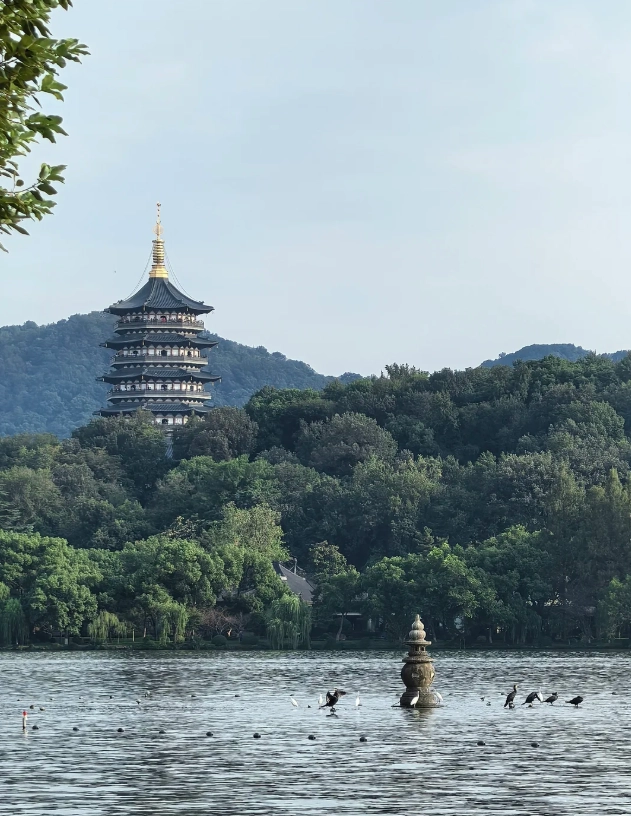
Why This Hangzhou Itinerary Ditches the Usual Crowd
Most itineraries herd you through a 'classic route' that's actually a human traffic jam. I still cringe remembering a group I once led through the Broken Bridge at 10 AM—we took 40 minutes just to cross 200 meters.
The secret? Shift your schedule. Start at 7:30 AM, when locals are doing tai chi, and you'll have the lake almost to yourself. The other key is using the less famous entrances—skip the East gate at Leifeng Pagoda and head to the south gate; you'll skip a 30-minute queue.
Also, forget the idea of 'seeing everything.' West Lake is best enjoyed in slices. This itinerary picks three coherent slices, not a checklist.
Day 1: West Lake at Your Own Pace
Morning: The North Shore You Never See
Start at 7:30 AM at the north end of Bai Causeway near Broken Bridge (断桥残雪). Take a taxi or Didi to '北山街, 断桥' (Beishan Street, Broken Bridge). The metro doesn't run directly here, so I always tell clients: take Didi from your hotel, not the hop-on sightseeing bus. It's illegal for them to stop at some viewpoints, and you'll waste time.
Walk south along the causeway, past the lotus ponds. By 8:45, you'll hit the iconic view of Baochu Pagoda on the hill. Most tour groups are now just arriving, so use the next hour to explore the quiet national academy, Xiling Seal Society (西泠印社). Entry is free, and the garden is a hidden gem with a lockout of only 50 visitors. It's a perfect quick climb.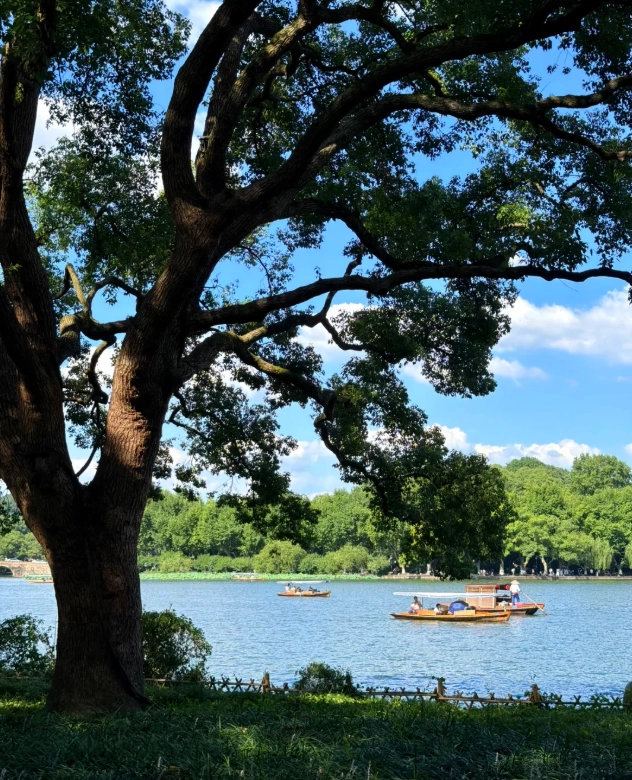
Pro Tip: The nearby Zhongshan Park public toilet is clean but tiny. Use the one inside Xiling Seal Society—locals know, tourists don't. You'll thank me.
Midday: Su Causeway & a Bamboo Boat
After the morning walk, hop on a local bus (No. 51) from Xiling Bridge to Su Causeway for only 2 RMB. The bus runs every 10 minutes. Alternatively, a Didi ride costs about 15 RMB. Avoid taking a taxi that stops at the 'Flower Harbor' (花港观鱼) main gate; ask for '南门' (south gate) to skip the entrance line.
At Su Causeway, rent a bamboo boat at the dock near the second bridge. A one-hour row costs around 120 RMB per boat (for up to 4 people). Leave your payment to cash? The oarsman usually only takes WeChat or Alipay. I always warn my tourists: bring at least 100 RMB cash for emergencies, but for this, your mobile payment is fine if you have it set up.
For lunch, walk five minutes to a local institution, Grandma's Kitchen (外婆家) located at 3rd floor of Intime Holiday Plaza. It's packed at noon, so book on Trip.com or go early at 11:30. The 'Beggar's Chicken' is my favorite—it's chicken wrapped in lotus leaves, cooked until the meat falls off the bone. Be prepared: it's sweet and a bit oily, typical Hangzhou style.
Afternoon: Leifeng Pagoda Sunset
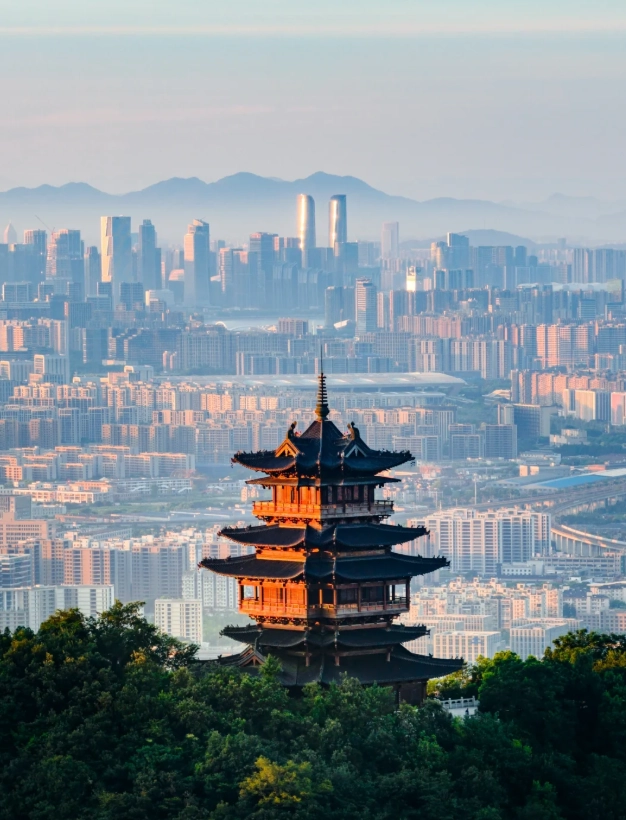
Instead of queuing up to climb Leifeng Pagoda at 3 PM, go at 4:30 PM. The ticket is 40 RMB (last entry 5:30 PM). You'll see the sunset over the lake and avoid the worst heat. But here's my selfish tip: skip the elevator up. Walk the old staircase—it's more atmospheric and takes just 10 minutes. The view from the top is honestly worth the 40 RMB, but you can also get a perfect shot from the nearby Changqiao Park, which is free.
For dinner, walk south to the Qinghefang Ancient Street (河坊街). It's become a tourist strip, but the side alleys hide cheap eats. Try the stinky tofu from the stall opposite the Red-Crowned Lantern shop—it's the sharpest in the city. Just warn your nose.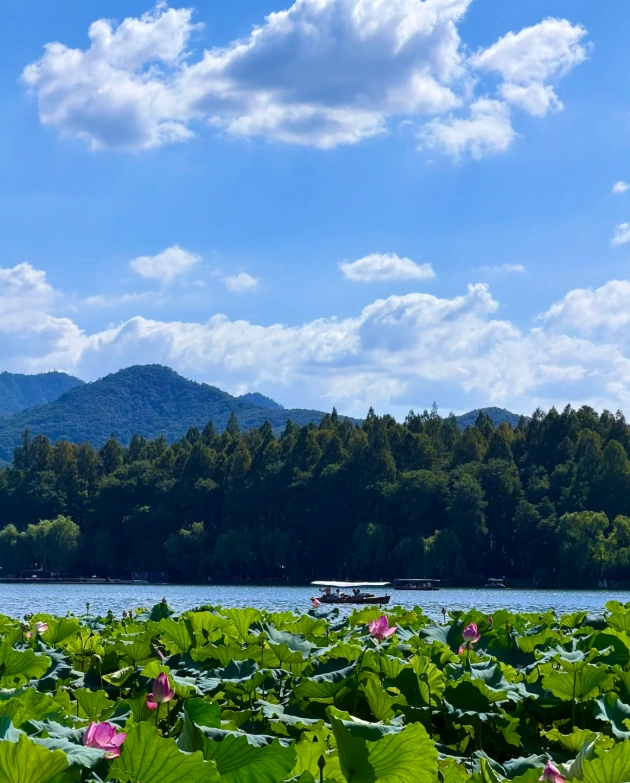
Day 2: Lingyin Temple, Tea & Ancient Streets
Morning: Lingyin Temple Before the Pack
Beat the tour buses by taking a Didi to Lingyin Scenic Area at 7:15 AM. The entrance fee is 75 RMB (for the Feilai Feng grottoes) plus 45 RMB for Lingyin Temple itself, so have your passport ready because you need real-name registration. I always buy tickets on Trip.com the night before—it saves 20 minutes at the office.
The grottoes are a must-see: laughing Buddha carvings from the 10th century. But remember, this is a sacred site—no climbing on the statues. The temple is massive; plan 2 hours. By 10:30, the crowds will arrive, so head out to the Longjing Road (龙井路) via the bus 103 from the entrance gate.
Late Morning: Tea Fields in Longjing Village
Take bus 103 (2 RMB) or a Didi (about 40 RMB) to Longjing Village. This is where Longjing tea is grown. You don't have to join a commercial tour; you can walk along the tea terraces for free. The public path starts behind the Longjing Village Museum. The museum is free and opens at 8:30 AM. But if you want to taste fresh tea, expect to pay around 20-50 RMB for a cup at a local farmhouse. You'll be approached by women with tea trays—that's normal; just smile and say 'Bu duo xie' (no thanks) if uninterested.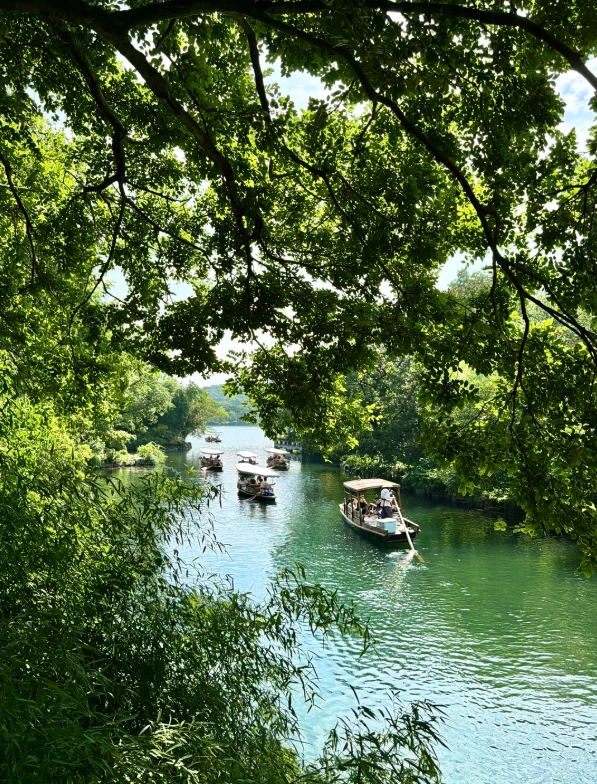
Insider Advice: That 'longjing tea you buy at a street stall' is often not Longjing. For an authentic bag, go to the official China National Tea Museum (中国茶叶博物馆) near the village, and buy from their gift shop.
Afternoon: From Tea to the Old City
Head back to Hangzhou old town to explore the Southern Song Imperial Street (南宋御街). It's a reconstructed historic quarter, but still charming. From Longjing, take the 4-stop Didi (around 25 RMB) or bus 42 straight to the intersection of Jiefang Road. You'll find food stalls, traditional pharmacies, and the most unusual architectural mix—old wooden houses next to modern glass facades.
For dinner, my favorite place is Wushan Night Market (吴山夜市) near the old street. It opens at 5 PM. Try the 'cong you bing' (scallion pancake) from Aunt Wang's stall. It's crispy, oily, and legendary. Queue time is short, about 5 minutes.
Day 3: Grand Canal & Local Hangzhou
Morning: The Grand Canal & Gongchen Bridge
Most tourists skip the Grand Canal, but it's a UNESCO gem. Take Metro Line 1 to Wulinmen (武林门站), then walk 5 minutes to the wharf. A 3-hour canal cruise costs 150 RMB, but I prefer to walk the historic section from Midheaven Park (湖中公园) to Bridge of Gongchen. It's free.
Start at the China Grand Canal Museum (free entry, closed Mondays), then stroll along the water. You'll see old warehouse architecture and giant mulberry trees. The bridge itself is an engineering wonder—wooden arches that have survived 300 years.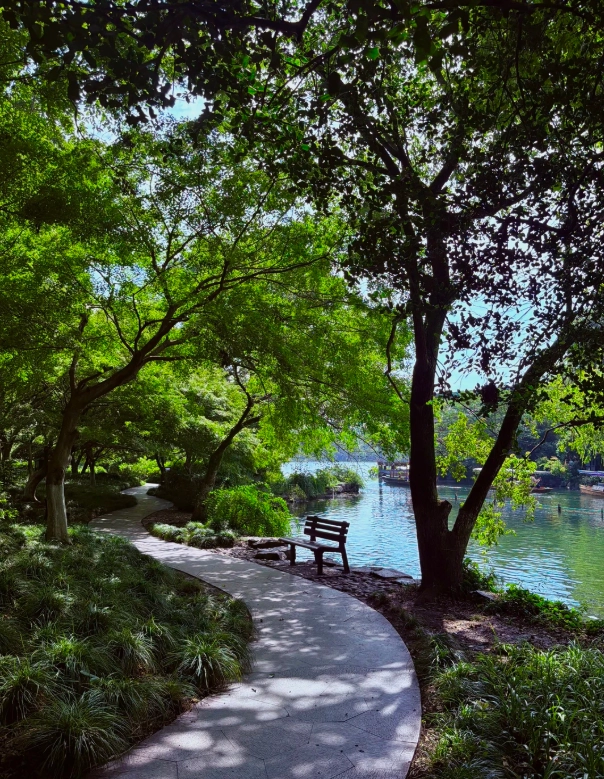
Lunch: Bao's Little Restaurant
Near Gongchen Bridge is a family-run place called 'Bao's Kitchen' (鲍师傅). The address is 拱宸桥东12号. They're famous for their lion head meatballs. It's cheap—around 30 RMB per person for a generous meal. The owner speaks zero English, but there's a picture menu. Order the 'chao fan' (fried rice) and 'suan ni tai' (garlic eggplant).
Afternoon: The Lesser-Known West Lake Long Corridor
In the afternoon, go back to the lake—but not where you were on Day 1. Take the bus (No. 210) to the Shuguang Road entrance of the hillside campus of Zhejiang University (玉泉校区). The campus is open to the public and has a beautiful bamboo garden. It's a calm spot away from the tour groups.
Then walk down the back path to the famous Yanggong Causeway (杨公堤), a 2-km tree-lined walkway. If you're lucky, you'll catch the local opera singers practicing at the pavilions. That's the Hangzhou I love.
For your final night, get a table at the 'Tianxiang Building' (天香楼) historic restaurant. Their 'Dongpo pork' is the sweet, fatty braised pork that locals crave. It's not cheap—expect 100 RMB per person—but it's the proper finale.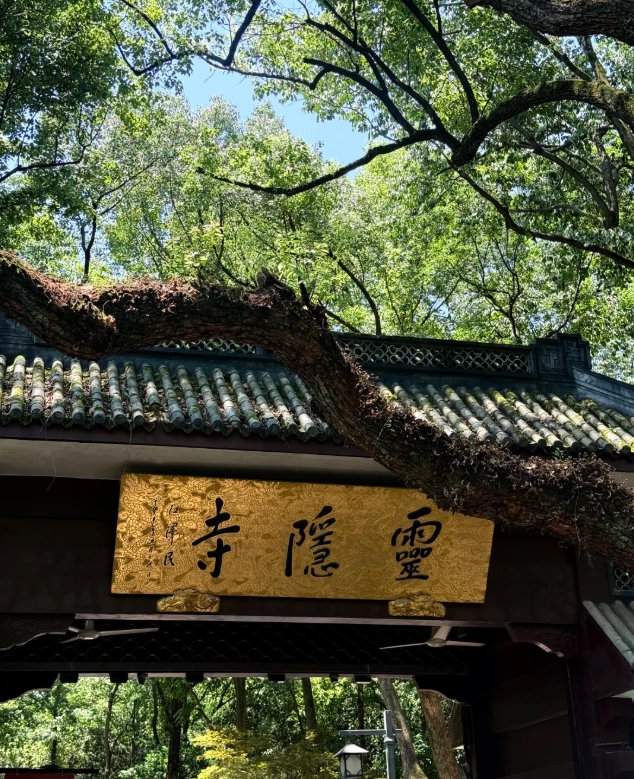
Practical Toolkit for Your Trip
Payments
Your international Visa/Mastercard will hit a wall in 80% of shops. If you have Alipay or WeChat Pay, make sure to link your foreign card before you leave. Set up Chinese apps: Alipay supports international passports. Some small vendors still only accept local cards, but it's rare. Carry 200 RMB in cash as backup. You'll need it for the occasional cash-only farmer or tiny stall.
Transportation
Forget Google Maps—it lies in Hangzhou. Use Apple Maps or download AMap (高德地图) and switch it to English. Didi (the Chinese Uber) is a lifesaver; the app has an English version and lets you type your destination in Chinese or use the map pin. Metro signs are bilingual, but buses aren't. When in doubt, walk or take the metro.
Booking & Connectivity
For tickets that require ID, use Trip.com or Klook. Lingyin and Leifeng both accept these platforms. For air, get a VPN before you land—Google and many sites will be blocked without it. Carry a portable battery; you'll be on your phone for navigation and translations all day.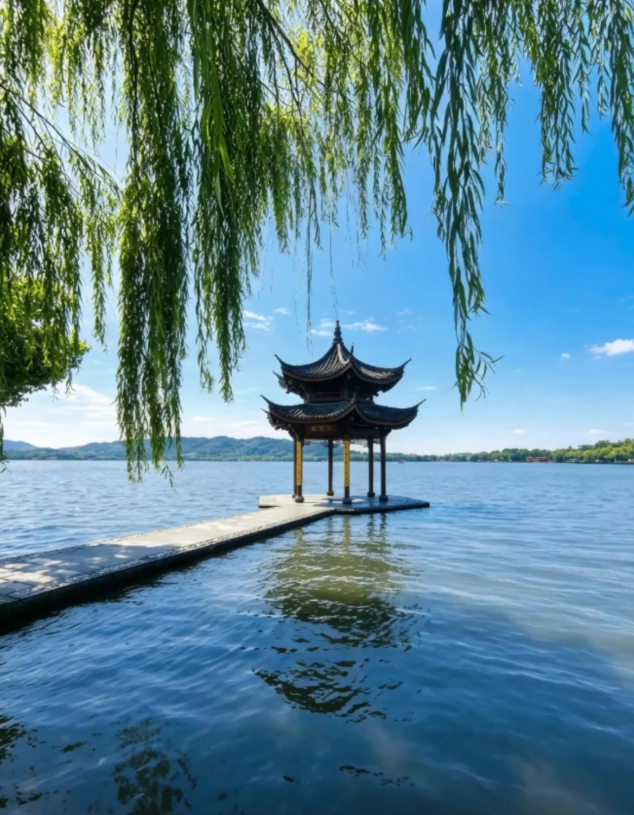
Where to Stay & Eat
Accommodation Picks
| Hotel Name | Nearest Attraction | Est. Price (per night) | Best For |
|---|---|---|---|
| Four Seasons Hangzhou at West Lake | West Lake (3-min walk) | 3,500+ RMB | Luxury & honeymooners |
| Hangzhou Midtown Hotel | Wulinmen (Grand Canal) | 500-800 RMB | Business travelers |
| Ibis Styles Hangzhou West Lake | West Lake (15-min walk) | 300-500 RMB | Budget-conscious tourists |
| Pins Hotel & Boutique Hostel | He fang Street | 100-200 RMB | Backpackers |
All these places have stable Wi-Fi, but ask for a room away from the street for quiet. The Ibis often has staff who speak basic English. For booking, I recommend Trip.com for the best cancellation policy.
Must-Try Dishes
- Dongpo Pork (东坡肉) - sweet red-braised pork belly
- West Lake Vinegar Fish (西湖醋鱼) - a tangy, delicate whole fish
- Longjing Shrimp (龙井虾仁) - shrimp stir-fried with tea leaves
- Stinky Tofu (臭豆腐) - best from He fang Street side alleys
FAQ: Real Answers to Your Top Concerns
Your Questions Answered
Final Check
This China travel itinerary isn't about racing through every landmark. It's about experiencing the city the way a local would—slowly, deliberately, and with a full stomach. If you follow the timing, you'll dodge the tour bus hordes and discover why Hangzhou has inspired poets for a thousand years.
Verified and fact-checked by the editorial team.





No comments yet.