 Wei Zhang
In a Hurry? Here's What to Expect
I still remember the look on Tom's face when he tried to pay for a bowl of rice noodles with a 100 yuan note. The shop owner just waved at the QR code. Cash? No. Credit card? No. That was the moment I knew I had to write this guide.
Planning 2 days in Dali is easy; executing them without local knowledge is not. Between the endless Erhai Lake loop, ancient towns, and mountain paths, you'll want a plan that doesn't involve getting stuck without a translator.
Here's my honest take: the best 2 days in Dali are spent split between the lake and the mountains, with Xizhou as a quiet break from the tourist trail. And start your mornings early – by 9 a.m., the photo spots are already full.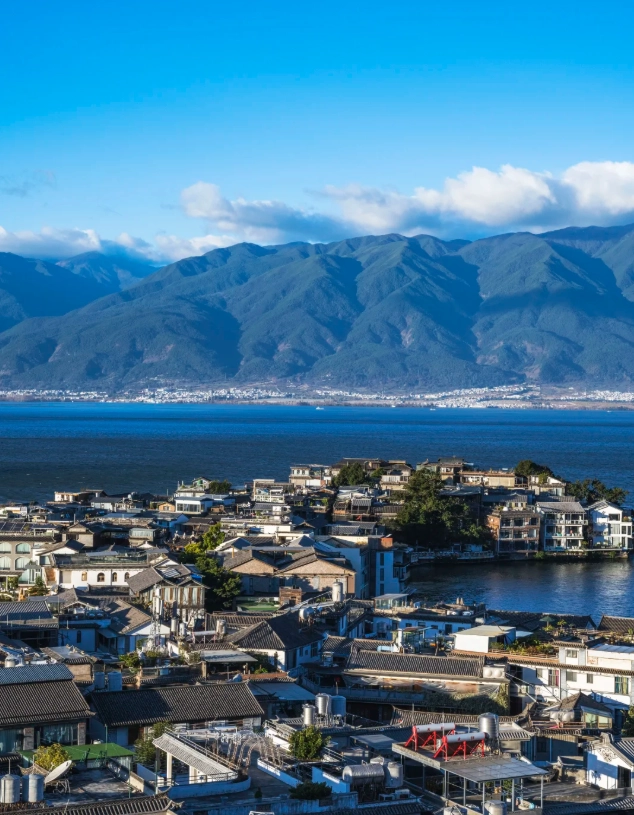
How to Plan Your 2 Days in Dali Itinerary
Dali's layout is simple: the ancient town sits in the middle, Erhai Lake is to the east, and Cangshan Mountain rises to the west. A two-day trip works perfectly with one day dedicated to the lake and another to the mountain plus the old town. Here's a quick comparison table to help you decide what matches your energy level.
| Attraction | Location | Suggested Time | Best For |
|---|---|---|---|
| Erhai Lake (洱海) | East of old town | Half day | Scenery, cycling, photography |
| Xizhou Ancient Town (喜洲古镇) | Northwest shore of Erhai | 2–3 hours | Bai culture, architecture, street food |
| Cangshan Mountain (苍山) | West of old town | Half day | Hiking, panoramic views, temples |
| Dali Ancient Town (大理古城) | Central Dali | Evening + next morning | Nightlife, local life, food |
I always tell my clients to skip the busy southern entrance of the old town and use the northern gate if they're driving. It's less chaotic and you avoid the selfie-stick traffic.
How to Get Around Dali in Two Days
Your best options are Didi (like Uber), renting an electric scooter, or jumping on the local bus system. Google Maps is almost useless here—it doesn't show many places and the navigation is often wrong. I recommend Apple Maps or AMap (Gaode Maps) in English. For drivers, always show them the Chinese address too, just in case.
- Didi: The easiest way to get from the old town to the cable car station or to Xizhou. A ride from Dali Ancient Town to the Cangshan cable car base costs about 15–20 RMB. To Xizhou, around 30 RMB. Watch that the drivers don't turn on the meter if they think you're a tourist—agree on a price upfront.
- E-bike rental: For Erhai Lake, nothing beats an e-bike. Rent one for 50–100 RMB per day. Make sure the battery is fully charged. I've seen too many people stuck halfway; if that happens, just call Didi and put the bike in the trunk.
- Bus: Bus #C2 goes from the old town to Xizhou for just 2 RMB. Get off at the Xizhou stop and walk south to the old town. It's slow, but cheap and authentic.

Where to Stay in Dali for 2 Days
Your best options are in the old town or along Erhai Lake's west shore. The old town is better for food and nightlife, while the lakeside is for a quieter experience. Here's a comparison:
| Area | Best For | Average Nightly Rate | Pros | Cons |
|---|---|---|---|---|
| Dali Ancient Town | First-timers, foodies, nightlife | 300–1000 RMB (budget to luxury) | Restaurants, shops, easy transport | Can be noisy, thin walls |
| Erhai Lake West Shore | Couples, photographers | 500–2000 RMB | Stunning sunrise, quiet, fresh air | Far from dining options, need transport |
| Xizhou | Culture seekers | 300–800 RMB | Authentic Bai villages, calm | Limited restaurants, early closing |
Make sure the hotel you pick has reliable Wi-Fi and an elevator if you have heavy luggage. Many courtyard guesthouses in the old town don't have one, and you'll be hauling your bag up narrow stairs.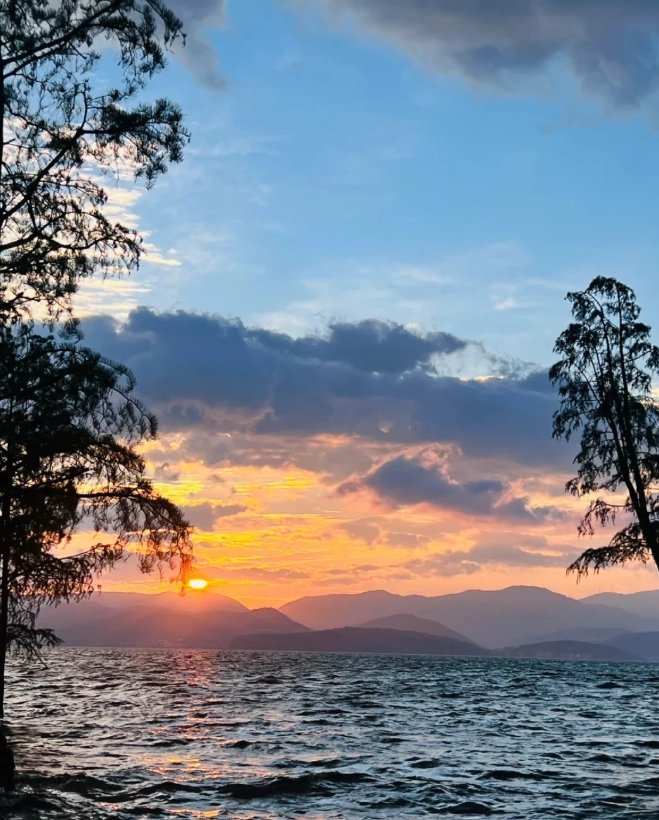
Day 1: Erhai Lake and Xizhou Ancient Town
Morning: Ride the Western Shore
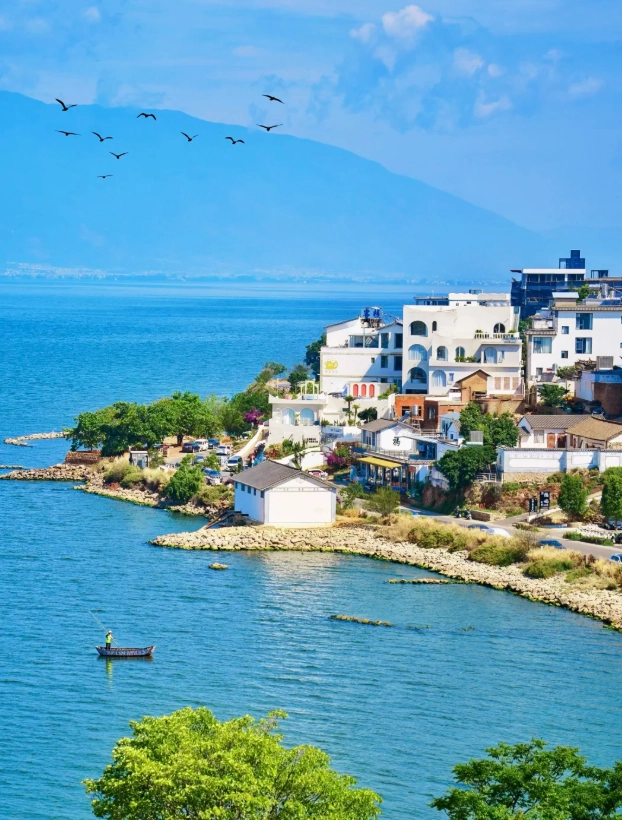
Start your day early – breakfast at a local spot in the old town, then grab an e-bike. I always recommend the western shore of Erhai Lake because the views are toward the sunrise and the mountains. The route from Caicun to Xizhou is about 15 kilometers and takes around 40 minutes without stops.
Stop at the **Caicun Pier (才村码头)** – it's free and you can see the lake right from the shore. There's also a little temple with a giant tree where local grandpas play cards. A good place to snap a photo without the tour group swarm.
Continue north and you'll see patches of yellow rapeseed flowers in spring or golden rice in autumn. The farmers don't mind if you take pictures as long as you stay on the path. I've seen tourists step on crops doing selfies – don't be that person.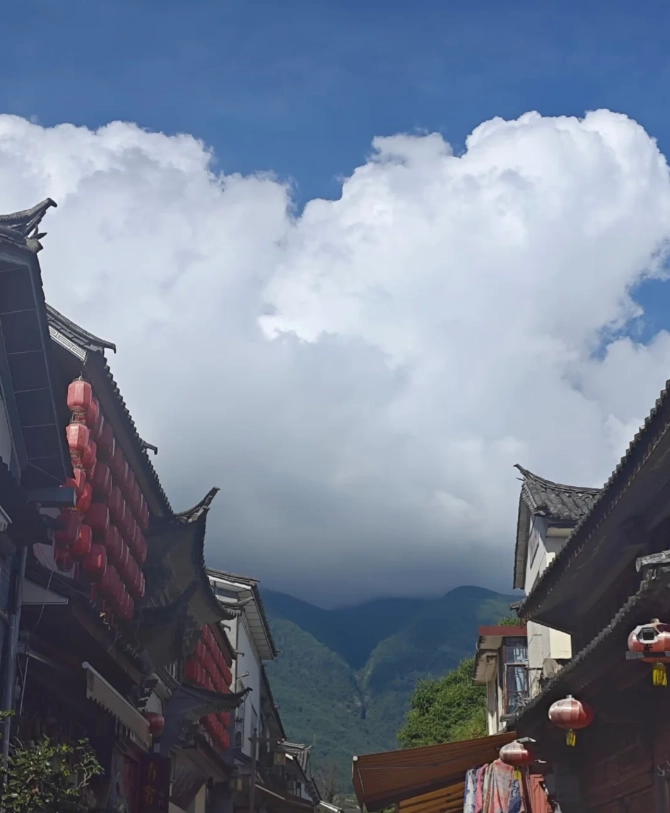
Midday: Lunch in Xizhou
Head into Xizhou Ancient Town and find the market area for lunch. Try the famous **Xizhou baba (喜洲粑粑)** – a flaky flatbread stuffed with sugar or meat. The sweet one is my go-to. Pair it with a bowl of rice noodle soup from the same stall. Vendor at the main market square sells them for about 8 RMB – look for the one with the longest queue.
After lunch, wander the back alleys away from the main square. You'll find Bai ethnic houses decorated with painted doors and courtyards. Some are open to the public for a small donation – the Linder Family House (2 RMB) is worth a peek. But honestly, just walking the narrow lanes is the highlight.
Afternoon: Tie-Dye and Sunset
If you have energy, head north to **Zhoucheng (周城)** – the tie-dye village. It's a 15-minute ride from Xizhou. There, you can try your hand at traditional white-and-blue tie-dye for 50 RMB. It's a fun, hands-on souvenir.
Loop back toward Dali just before sunset. Watch the lake colors turn pastel from a random point on the shore. It's free, it's unscripted, and it's better than any paid viewpoint.
Evening: Dali Old Town Night Walk
Return your e-bike and explore the old town at night. The streets are lit with red lanterns, and street musicians play. For dinner, try **Bai cuisine** – like sour-spicy fish (酸辣鱼) from Erhai. Go to **Meishi Square (美食广场)** where locals eat – avoid the main tourist street for borderline authentic food. I always choose the place with the most locals, not the one with the loudest hawker.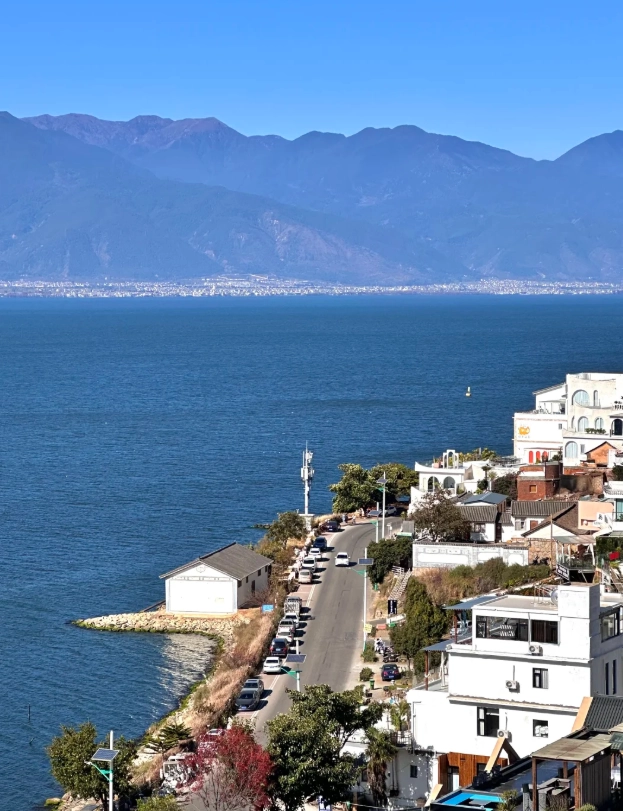
Day 2: Cangshan Mountain and Dali Old Town
Morning: Cable Car Up Cangshan
Take the Gantong Cable Car (感通索道) – it's the most conveniently located to the old town. It costs about 120 RMB round trip (as of my last check, but it can change – book online via Trip.com or Klook to avoid line arguments). The ride takes you to a walking path along the mountain edge, with views over Erhai Lake that make you understand why the locals are so pround.
Once up there, follow the path to **Qingbi Stream (清碧溪)** and the waterfall. The walk is mostly flat and shaded – a good break from the Yunnan sun. You'll need to show your passport when buying the ticket, so keep it handy.
Pro Tip: The cable car queues are longest between 10 a.m. and 2 p.m. on weekends. Try to be at the base station by 8:30 a.m. or just after lunch. I've seen people wait over an hour on a Sunday.
Lunch: Back in Old Town
Come down and have a late lunch in the old town. Go to the area around **Yunnan Road** – there's a cluster of small cafes serving Yunnan-style dishes. Look out for the ones that have an English menu; not all do. If you're vegetarian, most places can make a mean mushroom tofu dish – just show the Chinese translation on your phone.
Afternoon: Explore Dali Old Town
After lunch, wander the historic center at a relaxed pace. Don't miss the ancient city wall – climb up near the South Gate for a free panoramic view of the old town rooftops. The Dali City Museum (free with passport) offers a quick intro to Bai culture and the history of the Dali Kingdom, but it's dry – I usually skip it and go to the intimate **Guo's Courtyard** instead (a small Bai house preserved as a hotel, but the public can walk in for a look).
For souvenir shopping, check out the tie-dye shops on **Fuxing Road**. But haggling is an art – offer half of the initial price and walk away if they agree too quickly.
Evening: A Final Feast and Music
End your 2 days in Dali with a proper dinner at **Duan's Kitchen (段公子)** – a restaurant in a restored courtyard near the central square. Try the steam pot chicken (汽锅鸡), a local specialty. Prices run 80–150 RMB per person. It's popular with tourists, but the food is genuinely good – I've taken my own out-of-town friends here.
After dinner, check if there's a Bai folk performance at the **Dali Cinema** or simply listen to buskers near the South Gate. The old town has a surprisingly lively music scene for a small city.
What Should You Know About Dali Before You Go?
Digital payments rule – keep your Alipay and WeChat Pay linked to your international card. Many small restaurants and street stalls don't accept cash or cards, and some might not have change for bigger notes. I've seen travelers get stuck because they only had a ¥100 note. Always carry some small change, but expect to use your phone 90% of the time.
Get a VPN – you'll need it for Google, Instagram, and most other western services. And download the **AMap** app (it has an English version) for navigation. Apple Maps works too, but AMap has train and bus info that Apple lacks.
Book tickets in advance for the cable car, especially during public holidays. Use Trip.com or Klook with your passport number – they still require it for identity verification. The old town itself is free to enter, but some of the museums charge a nominal fee.
Altitude is a real thing – Dali is at 1,976 meters above sea level. You might feel a bit breathless walking uphill. Drink more water and take it easy the first few hours.
FAQ: 2 Days in Dali
Verified and fact-checked by the editorial team.





No comments yet.