 Ting Chen
Quick Navigation
- Why 2 Days in Lijiang Is the Perfect Amount
- How to Get Around During Your 2 Days in Lijiang
- Where to Stay in Lijiang for a 2-Day Visit
- Day 1: Old Town & Culture (The Right Way)
- Day 2: Jade Dragon Snow Mountain or Alternative
- What to Eat in Lijiang (Local Favorites)
- Essential Tips for a Smooth 2 Days in Lijiang
- FAQs About a 2-Day Lijiang Trip
Every tourist in Lijiang seems to be searching for the same shot -- the bridge over the creek with no one in the background. But by 10 a.m., that spot becomes a human river. I've lost count of how many red-faced, frustrated travelers I've pulled out of that crowd. So let me rewire your 2 days in Lijiang so you actually feel the old town's charm instead of just breathing other people's sunscreen.
You've probably read cookie-cutter itinerary posts that tell you to zip to Jade Dragon Snow Mountain on day one and then rush through the Old Town on day two. That's backward. Here's why: the mountain is physically draining, and if you do it on your first day, you'll be too wrecked to enjoy the city's magic. I always put the Old Town first.
My bottom line: day one, you own the Old Town from dawn to midnight. Day two, you choose one epic excursion -- Jade Dragon Snow Mountain (if you book early enough) or a quieter alpine meadow like Blue Moon Valley. Everything else is noise. And you'll need to book the mountain at least three days ahead on Trip.com or the official WeChat mini-program, so make that call right now if you haven't.
Now, here's exactly how to make 48 hours in Lijiang feel like a year.
Why 2 Days in Lijiang Is the Perfect Amount
Yes, you could spend a week in Lijiang, but most international travelers have limited China vacation days. Two days hits the sweet spot: enough time to catch the city's mood and one spectacular day trip, without triggering temple fatigue. More importantly, 2 days forces you to make choices -- and that's where the magic lives. I've seen travelers try to cram in Lijiang, Dali, and Shangri-La in four days, and they end up spending most of the time in buses and gift shops.
Here's a hard truth: the old town of Lijiang is not a museum; it's a living, breathing labyrinth of cobblestone alleys, canals, and Naxi courtyards. You need at least one full day and one overnight to experience its different moods: early morning when locals water their plants, late afternoon when the light hits the tiles, and late night when the tour groups are gone.
That leaves day two for the big outdoor attraction. In my experience, Jade Dragon Snow Mountain is the single most impressive thing near Lijiang, but you have to treat it with respect. If you only have one excursion slot, this is it. However, if you don't want to deal with the booking hassle or the altitude, the lower-key Blue Moon Valley (also part of the same mountain system) or the remote campsite of Baoshan Stone City are solid alternatives.
How to Get Around During Your 2 Days in Lijiang
Let's get the boring stuff done first, because a smooth ride saves you hours of stress.
Arriving by air: Lijiang Sanyi Airport
The airport is about 25 kilometers from the old town, and a taxi into town costs around 80-100 RMB. You can also take the airport shuttle bus (20 RMB) to the city center, but it may not drop you at your hotel gate. I always tell my clients to pre-book a pick-up via Trip.com or Klook if they arrive after 8 p.m., because the taxi queue gets long and sometimes the drivers quote inflated rates for foreigners. If you use Didi (the Chinese Uber), just make sure you have the app set to English and your international card linked. The ride from the airport usually takes 35 to 45 minutes.
Arriving by train: Lijiang Railway Station
The high-speed train from Kunming takes about 3.5 hours and drops you at Lijiang Railway Station, which is 20 minutes from the old town by taxi. The station is well-connected, but don't fall for the touts offering special tours just outside the exit. They'll overcharge you and steer you into commission shops. Just walk to the official taxi rank or order a Didi. A taxi to the south gate of the old town should be around 30-40 RMB.
Getting around the old town
Your best friend in Lijiang old town is your own two feet, plus a very specific taxi trick. The old town is divided into the older Dayan section and the more laid-back Shuhe section (about 4 km away). Dayan is car-free (ish), but the stone streets are slippery when wet, so wear proper shoes. If you stay inside Dayan, you'll be walking 10-15 minutes from the parking lot to most guesthouses. For that, I always recommend packing lightly or asking your hotel to arrange a porter (they'll charge 20-30 RMB per bag).
For cars and taxis, remember that the old town's main entrances have barriers. You can ask your driver to drop you at the South Gate (南门), which is flat and easy, or Big Water Wheel (大水车) at the north entrance, which is more central but also busier. Between these two, walking across the old town takes about 30 minutes, so plan your route based on what you want to see first.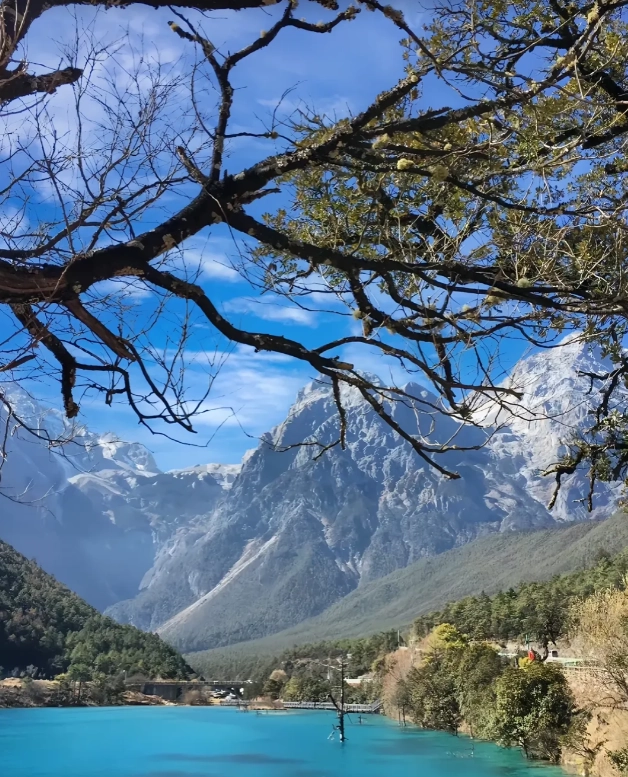
Pro tip: Google Maps is garbage in China. Use Apple Maps or go directly to the AMap app (set it to English) before you leave your hotel. Apple Maps is decent in Lijiang, but for driving/walking, you'll still want the local app. And always have your hotel's business card with its Chinese address -- you can hand it to a taxi driver if your phone runs out of battery.
What to do about the transportation for Jade Dragon Snow Mountain
You don't need a tour bus if you're moderately confident with Didi. A Didi from the old town to the mountain's visitor center costs about 150-200 RMB one way, and the driver will wait if you set a return time (perhaps an extra 100-150 RMB). But this only works if you book your entry tickets in advance, because entrance gates often close when quotas are full. Alternatively, book a day tour on Trip.com that includes hotel pick-up, tickets, and a packed lunch. I've used both; the tour is less stressful but you'll be on their schedule.
Where to Stay in Lijiang for a 2-Day Visit
Where you sleep determines how easily you can escape the crowds -- and I care about that more than the thread count of the sheets.
Option 1: Inside Dayan Old Town (in the heart)
Stay here if you crave authentic atmosphere and don't mind a few stairs. The old town's ancient houses are mostly converted into boutique guesthouses (客栈). Prices range from 200 to 800 RMB a night for a decent room, depending on the season (spring and autumn cost more). The good ones have courtyards with gardens and tea sets. But remember: no cars can enter, so you'll be walking over rough stones with your luggage. Also, some guesthouses are built on hills -- ask if there's an elevator (there usually isn't) and if they offer porter service.
Option 2: South Gate area (just outside the wall)
This is my go-to recommendation for first-timers or travelers with big suitcases. The area just outside the South Gate has modern hotels that are still only a 5-10 minute walk into the old town. You'll find international-standard chains like the InterContinental Lakeview (yes, it's a real hotel) and local boutiques, with prices starting around 400 RMB. The trade-off is losing a bit of that old-city vibe, but you gain convenience: taxis can pull up right at the door, and it's easier to manage logistics for the snowy mountain day.
Option 3: Shuhe Ancient Town (a quieter, smaller sister)
If you want to escape the crowds entirely, base yourself in Shuhe, a less-touristed ancient town about 15 minutes' drive from Dayan. Shuhe is about one-fifth the size of Dayan and feels like Lijiang was 20 years ago. It has beautiful, unpolished streets and a few great restaurants. But beware: you'll need a taxi (about 30 RMB) to get to Dayan for the main sights. I personally love Shuhe for a relaxed morning, but for a 2-day trip, I'd stay in Dayan for convenience.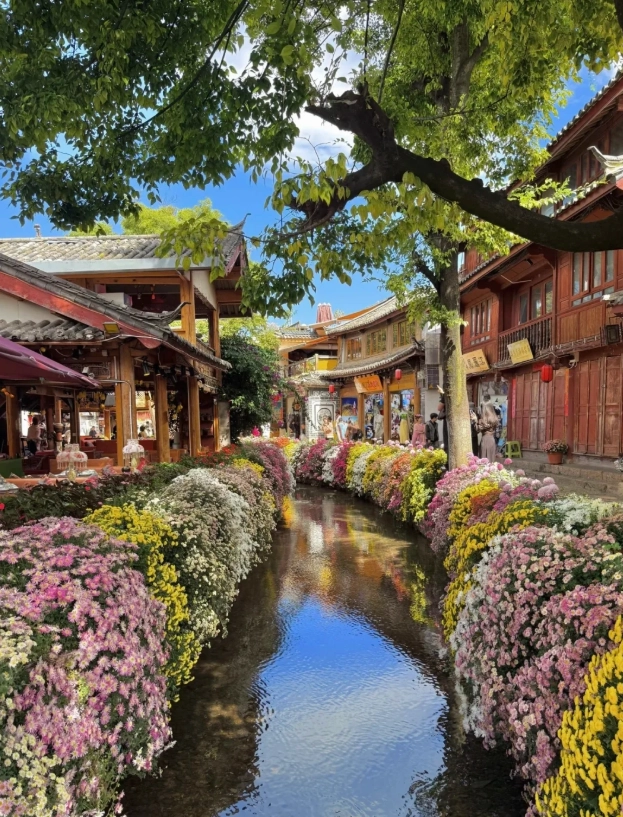
Here's a quick comparison table:
| Area | Walk to Old Town | Price Range | Best For |
|---|---|---|---|
| Dayan (inside) | 0 min | 200-800 RMB | Atmosphere, evening charm |
| South Gate | 5-10 min | 300-1000 RMB | Convenience, luggage |
| Shuhe | 15 min by taxi | 200-600 RMB | Peace, hidden alleys |
My personal pick: for a 2-day trip, stay at the South Gate. You'll save your energy for the sights, not for dragging your suitcase up a staircase.
Day 1: Old Town & Culture (The Right Way)
This is your only full day to experience Lijiang old town, so let's make it count without turning you into a marathon walker.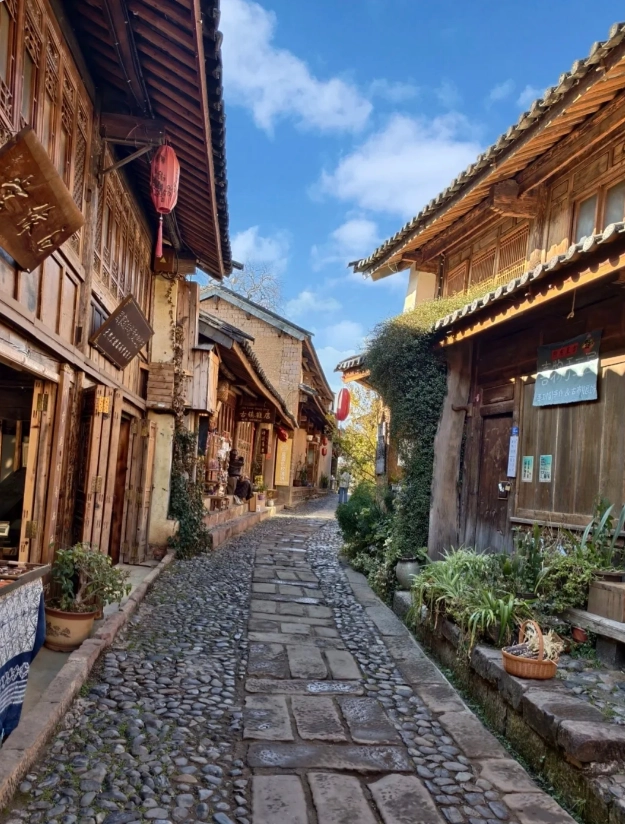
Morning (6:30 – 11:00): Beat the crowds before breakfast
Start at the Big Water Wheel before 7 a.m. -- it's not just a photo spot; it's your orientation point. From there, walk south into the maze. I recommend getting lost in the narrow streets east of Sifang Street (Square Street). The locals are just starting their day, and you'll see them buying vegetables, washing their wooden troughs, and burning incense in front of their tiny shrines. This is the Lijiang that tour groups never see.
By 8:30, the tour groups start rolling in. That's your cue to slip into a local breakfast joint. Ask for rice noodles (米线) at a place called Mr. Zhang's Noodles (not an official name, but you'll find your own gem). Actually, I have a favorite: Naxi Granny's Crepes at 88 Sifang Street -- they make an egg crepe with chili paste that wakes you up instantly. The price is around 10 RMB. The shop only takes Alipay or WeChat Pay, so make sure your app is connected.
Late Morning (11:00 – 14:00): The light show at the old town
This is the time to visit the Mu Mansion (木府). It's the former residence of the Mu family, the hereditary rulers of Lijiang. The entrance fee is around 60 RMB, and it's open from 8:30 to 18:30, but the best time to shoot the Jinshan Pavilion is around 12 noon, when the sun is high and the shadows don't obscure the detail. You can use the audio guide (English available). You'll need to show your passport to buy a ticket -- both at the ticket office and at the electronic kiosks. If you can't find an English speaker, point to your passport and say ticket, please.
After the mansion, walk up the slope behind it to the Wangu Tower (万古楼). The entrance is another 50 RMB, but the view over the old-town roofs to the Jade Dragon Snow Mountain is worth every yuan. I always tell clients to go up at 2 p.m., because the light hits the snow cap perfectly that time of day. But remember: Wangu Tower is on Lion Hill, and the stairs are not for the faint-hearted. There's a cable car? No, it's just stairs. Wear comfy shoes.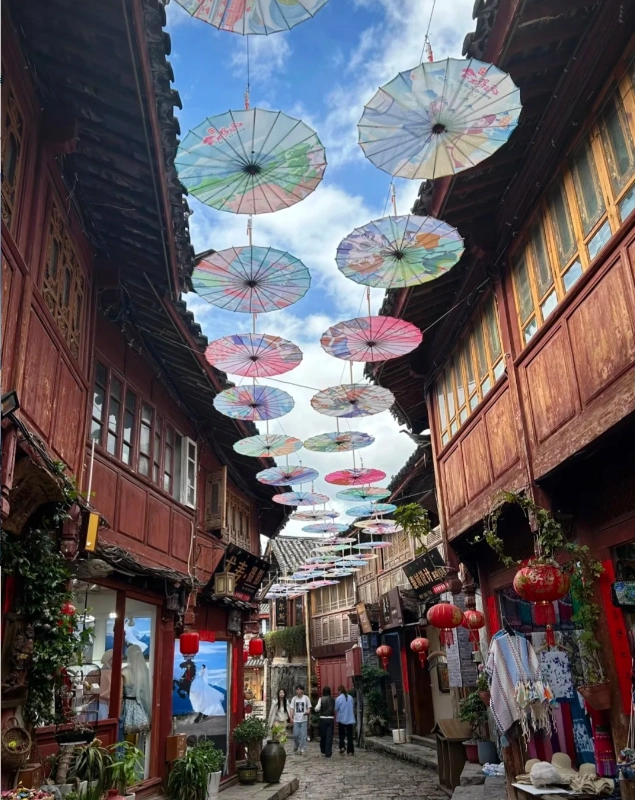
Afternoon (14:00 – 17:00): Hidden corners and tea houses
As the tour groups pile into the main strip, you'll want to escape to the quieter alleys. Head east toward the Zhongyi Market (忠义市场). This is a working market where locals buy meat, produce, and spices. It's a sensory overload in the best way. Make sure you try the fruit stalls -- the local peaches are incredibly juicy. Just don't eat anything that you can't wash or peel.
Then, wander to the Nanmen Bridge area and find a tea house with a wooden balcony overlooking the canal. Order a pot of puer tea (it can be expensive at tourist spots, expect 50-80 RMB per person) and just watch the world go by. I like the one called Tea Horse Road Coffee -- it's technically a coffee shop, but they serve great teas.
Evening (17:00 – 22:00): Dinner and night life
Dinner is the perfect time to try the local specialty: Lijiang's spicy pork ribs hotpot (纳西腊排骨). The most famous spot is across the river from the old town south entrance, but I've got a better tip: go to the less-touristy side street near the Zhongyi Market and look for a restaurant called Farmer's Kitchen. They serve a massive hotpot with tender ribs, mushrooms, and vegetables for about 100 RMB per person. The seasoning is heavy on ginger and chili, and it's a meal that sticks to your bones.
Afterward, walk back to Sifang Street and join the locals dancing in the square. Yes, it's a tourist thing, but it's fun. Just don't be shy -- join the circle. By 9 p.m., the tour groups are gone, and you'll have the city lights reflecting on the canals to yourself. I strongly suggest a night stroll from Big Water Wheel to the Black Dragon Pool area (free entry after dark), where you can catch the reflection of the Jade Dragon Snow Mountain in the pool of water -- a view that will make you feel like a poet.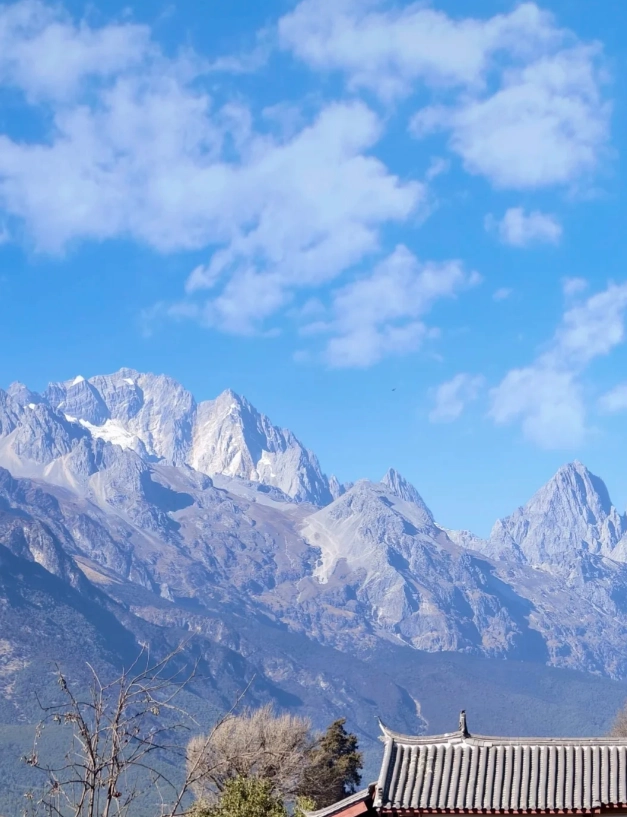
Day 2: Jade Dragon Snow Mountain or Alternative
This day requires flexibility, because the mountain's weather can be unpredictable, and tickets sell out fast. If you didn't book a ticket online yesterday, run to the official ticket office near the mountain entrance -- but expect lines and possible disappointment. My rule: if you want the big cable car to the summit (which you should), book at least 2-3 days in advance via Trip.com or the official booking site on WeChat. For foreigners, Trip.com is so much easier than wrestling with the Chinese mini-program.
Plan A: Jade Dragon Snow Mountain (full day)
Set out by 7:30 a.m. -- the earlier you arrive, the shorter the line at the cable car. Take a Didi or your tour pick-up to the visitor center. There, you'll show your passport and ticket, then board an eco-bus to the cable car base. There are three cable cars; you want the Glacier Park cable car (大索道), which goes up to 4,506 meters. The roundtrip ticket costs about 230 RMB (including the bus). The entry fee to the mountain is an extra 100 RMB. If you already booked a package, good.
Once you're up, the view is jaw-dropping. But be honest with yourself about altitude sickness. Even if you think you're invincible, the altitude hits people fast. I've seen strong men keel over after walking 20 steps on the wooden walkway. Buy a small oxygen bottle (20-30 RMB) at the base, and take it with you. Also, protect your head from the sun -- sunscreen isn't optional. And for heaven's sake, don't run. Walk at half speed.
Spend 1.5 hours up there, then take the cable car down and catch the shuttle to Blue Moon Valley (蓝月谷). The water is an unreal pale blue because of the mineral content. It's a 15-minute bus ride away. The valley is free with your entrance ticket, but the shuttle inside costs 20 RMB. I promise you'll be wowed. By 3 p.m., you'll be back at your hotel, feeling accomplished and ready for a big dinner.
Plan B: Blue Moon Valley + Baisha Village (half-day)
If the mountain's altitude frightens you or tickets are sold out, here's the perfect under-the-radar day. Take a taxi directly to Blue Moon Valley (it's also a part of the Jade Dragon Snow Mountain scenic area, but you pay the same entry fee without taking the cable car). The water looks turquoise, and the surrounding peaks are so close you feel you could touch them. You can walk from the entrance to the waterfalls and back in about 2 hours.
Around noon, head to Baisha Village (白沙古镇), a small town between Lijiang and the mountain. It's famous for its ancient wall paintings, but more importantly, it's the last place you'll find authentic Naxi crafts. Try a cup of yak butter tea at the Yak Milk Tea House -- it's salty and strange to many first-timers, but I've seen it win over even the most skeptical. The village is quiet, and you can watch the locals make silverware by hand.
If the weather turns brutal (heavy rain or extreme heat), substitute Baisha with the Dongba Culture Museum in Lijiang city -- it's free and air-conditioned, and it explains Naxi pictographs in English.
What to Eat in Lijiang (Local Favorites)
Lijiang's food scene is more than just the typical tourist-trap spots. Here's my personal shortlist.
Signature dishes to try
- Lijiang baba (丽江粑粑) – a crispy layered flatbread, either savory (with ham and onion) or sweet (honey and walnut). Try it from a street stall near Sifang Street.
- Spicy pork ribs hotpot (腊排骨火锅) – hearty, soul-warming, best shared.
- Chicken bean jelly (鸡豆凉粉) – a cold snack made from chickpea starch, topped with chili oil and cilantro. Perfect on a hot day.
- Naxi barbecue – grilled goat cheese with sugared rose petals, or skewers of wild mushrooms.
Where to eat like a local
My current favorite restaurant in Lijiang is called Old Man's Kitchen (老大娘厨房) – it's a family-run place near the Black Dragon Pool. They have an English menu and the owner is genuinely happy to explain the dishes. Prices are reasonable: 40-70 RMB per person. Always ask for not too spicy if you're not used to the heat. And you can pay with Alipay or WeChat, but cash may be declined -- have at least 100 RMB in notes for backup.
Another spot: Wicker Basket Café in Shuhe has a lovely rooftop and serves a decent Haniel pizza (yes, they mix local ingredients with western fare). The gobi sheep cheese pizza is surprisingly good, but the view is the real winner.
A note on dining times: Chinese lunch peak is 12-1:30 p.m. and dinner starts early, around 5:30-7 p.m. If you eat any later, you might find the kitchen closed. I usually tell clients to treat snack time around 3 p.m. for tea and little bites.
Essential Tips for a Smooth 2 Days in Lijiang
These are the hard-won lessons from years of guiding first-timers.
Payments & Connectivity
Assume almost everything is cashless. Most merchants only accept Alipay or WeChat Pay. Download both apps and link your international card before you arrive, because setting them up outside China is a pain. If you have issues, you can use the pay by foreign card feature inside Alipay, but test it early. At the very least, carry 500 RMB in cash for emergencies -- the street market vendors may not have change, so keep small notes.
Also, Google services are blocked in China, so install a reliable VPN on your phone before you fly. And for communication, download the translator apps: Apple Translate or Baidu Translate work offline. I find the camera translation feature in Baidu Translate super useful for reading menus.
Booking & Reservations
For Jade Dragon Snow Mountain, use Trip.com or Klook. Not only do they have English interfaces, but they also handle the passport registration smoothly. If you book via a WeChat mini-program, you may run into a verification wall for foreign passports. In that case, ask your hotel's front desk to assist you -- they do this all the time.
For hotels, book directly on Booking.com or Agoda; many Lijiang guesthouses are listed there. And always confirm whether the hotel actually holds your booking after you pay -- sometimes they relocate guests due to overbooking. A 2-minute phone call in the morning could save you from sleeping in a hallway.
Avoiding Tourist Traps
Beware of the tea ceremony scam. You'll be invited to a free tasting by a friendly local, and then charged hundreds of RMB for what turns out to be generic tea. Politely decline. Also, don't buy silver jewelry from shabby street sellers; go to a certified shop if you really need it.
When you're near the taxi stand, ignore anyone who asks if you need a special tour. They're usually part of a tour operator that includes shopping stops. Stick to Didi or official taxis.
Safety & Comfort
Lijiang is generally safe, but the cobblestones are your biggest enemy. Wear shoes with grip, and use a small headlamp if you're out after sunset in dim alleys. The altitude (2,400 m) might cause mild headaches for some. Drink plenty of water, and skip alcohol on day one.
FAQs About a 2-Day Lijiang Trip
Final Word from Your Lijiang Guide
Two days in Lijiang is like a glass of strong puer tea – it takes time to brew, but the taste stays with you. Follow this plan, and you'll skip the tourist-trap lava and still experience the real heartbeat of this ancient town.
If you're thinking of extending to three days, add a half-day to Shuhe Ancient Town and a culinary exploring session in the Zhongyi Market. But that's a different journey. For now, save this guide on your phone, book those tickets, and let Lijiang's winding alleys work their magic.
Safe travels.
Verified and fact-checked by the editorial team.






No comments yet.